Newsletters


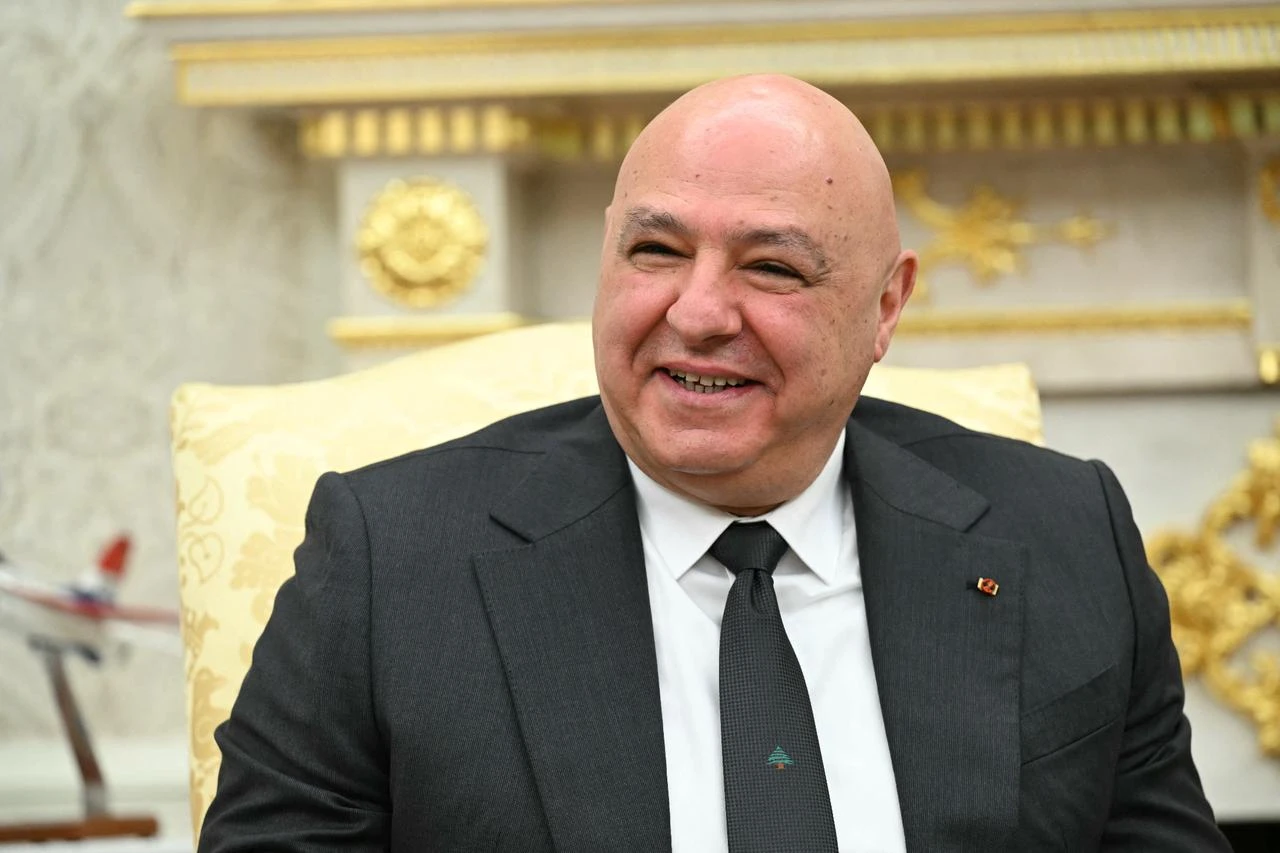


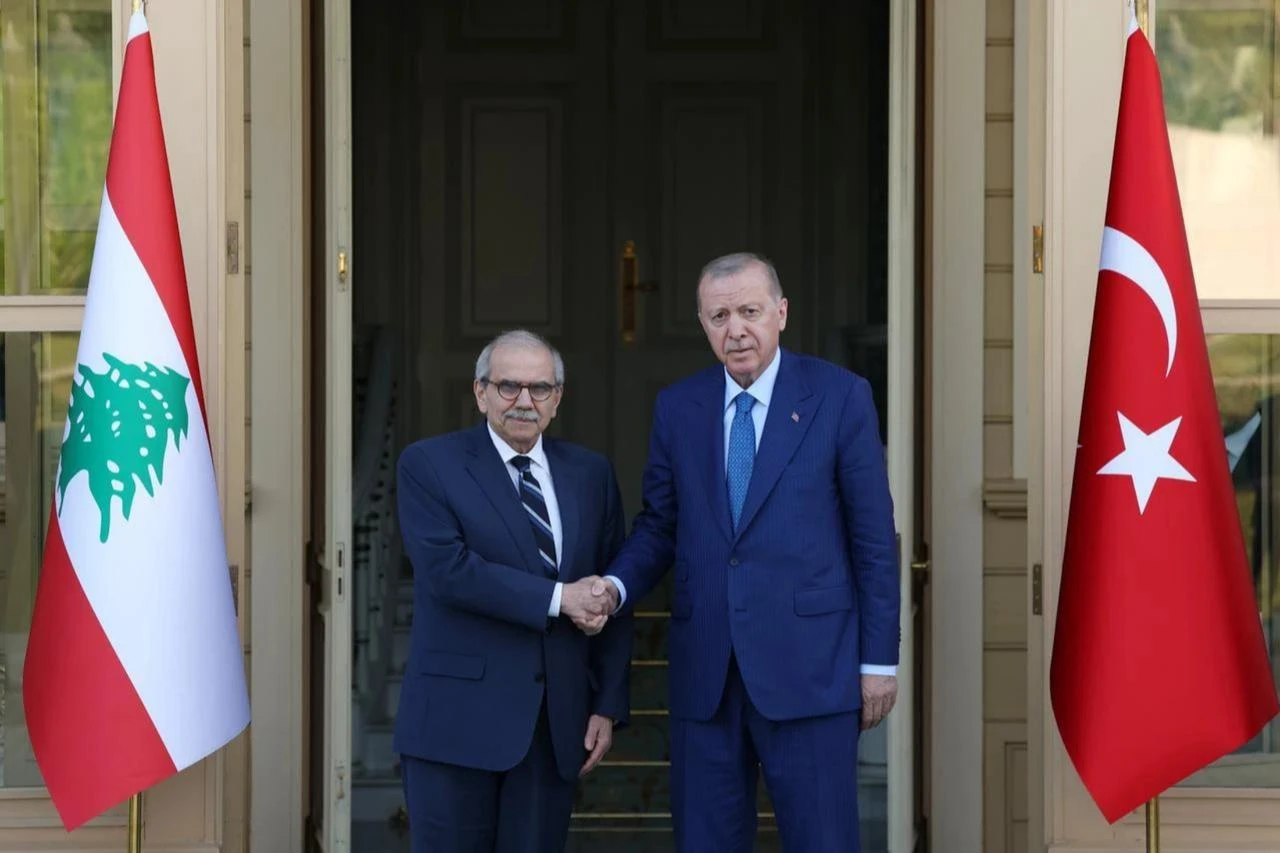
Lebanese President Joseph Aoun said Lebanon is counting on Türkiye to contribute to its economic recovery, support the implementation of the U.S.-mediated Lebanon-Israel framework agreement, and help strengthen stability in southern Lebanon, in an interview with Türkiye's state-run Anadolu Agency (AA) ahead of his first official visit to Türkiye since taking office in January 2025.
Aoun said Lebanese-Turkish relations have "the potential to move to advanced levels of cooperation."
"Türkiye has a central position in the current regional scene, and coordination with it is a strategic necessity, not a temporary option," he said.
Lebanon and Israel signed the U.S.-sponsored framework agreement on June 26, providing for a gradual Israeli withdrawal from occupied Lebanese territory in exchange for deployment of the Lebanese army in those areas and the disarmament of armed groups, including Hezbollah.
Aoun said Türkiye's NATO membership and broad regional ties "qualify it to play a supportive role in the international promotion of the framework formula and to encourage relevant parties to fully comply with its terms."
He said the framework, which emerged from negotiation rounds in Washington and Rome, "requires broad regional and international follow-up to ensure its implementation on the ground."
Aoun stressed that Beirut remains committed to implementing the agreement, but said its success depends on "clear guarantees, foremost among them a full Israeli withdrawal that is simultaneous with the deployment of the Lebanese army, a permanent halt to violations and attacks in the south, and an effective international mechanism to verify both sides' compliance, so that Lebanese commitments do not become a unilateral step in the absence of a corresponding Israeli move."
He called on Türkiye "to support this track politically and diplomatically in a way that strengthens its chances of success" and to help prevent "any security vacuum in the south."
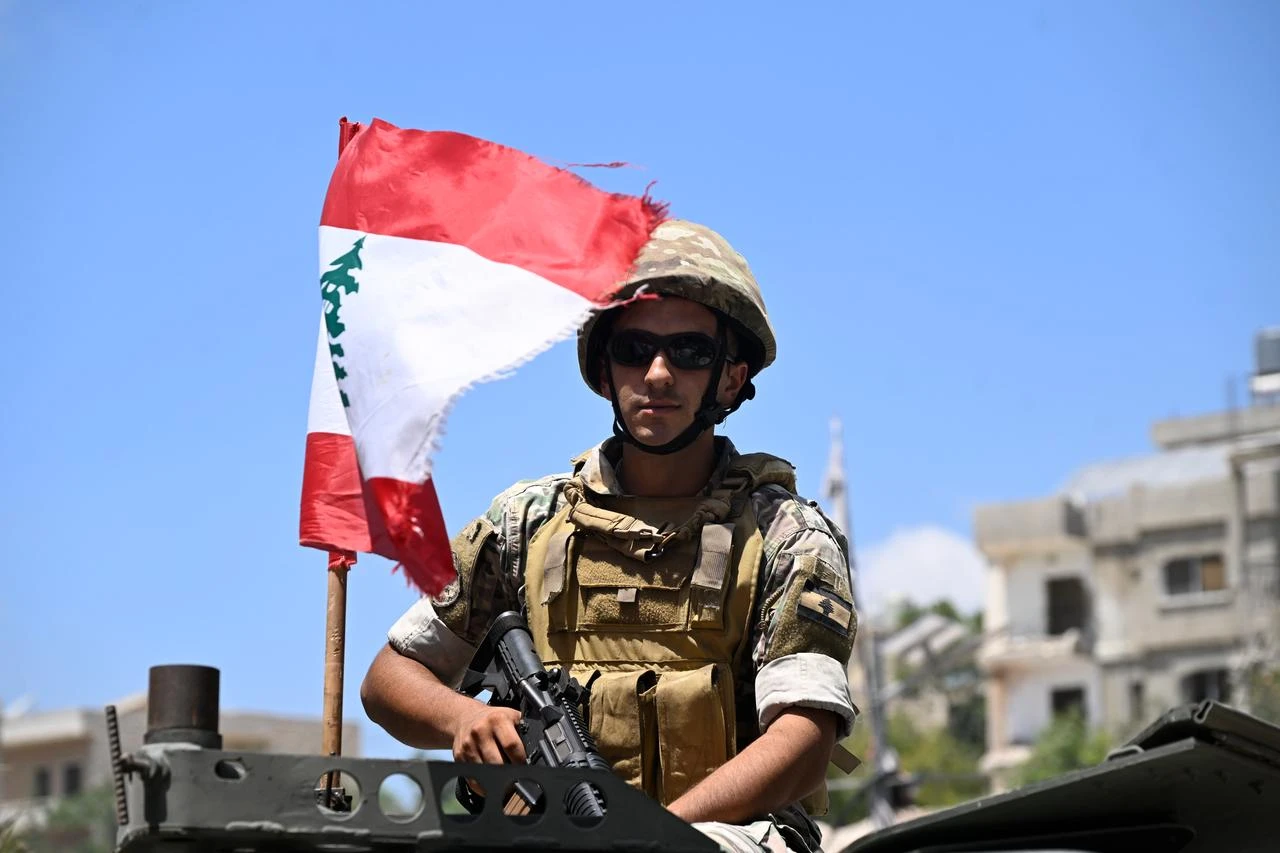

Asked about Türkiye's potential role in supporting Lebanese sovereignty, Aoun said, "Ankara, as an active regional state, has real tools of influence and can contribute to supporting the Lebanese state and its legitimate institutions, foremost among them the army, in a way that strengthens the extension of state authority over all territory."
He said Türkiye could also help with border control in the east and north to prevent arms smuggling or infiltration.
"We are not asking Türkiye for a role that replaces the Lebanese state, but for a supportive and complementary role that aligns with our effort to place arms solely in the hands of legitimacy and stabilize the country after years of war," he said.
On economic ties, Aoun said Lebanon hopes Türkiye will contribute to its recovery "through investment, trade and reconstruction," suggesting this could include encouraging Turkish companies to invest directly in Lebanon's productive sectors, activating existing trade agreements, easing logistical obstacles to trade, and drawing on Türkiye's reconstruction experience.
 2 min read
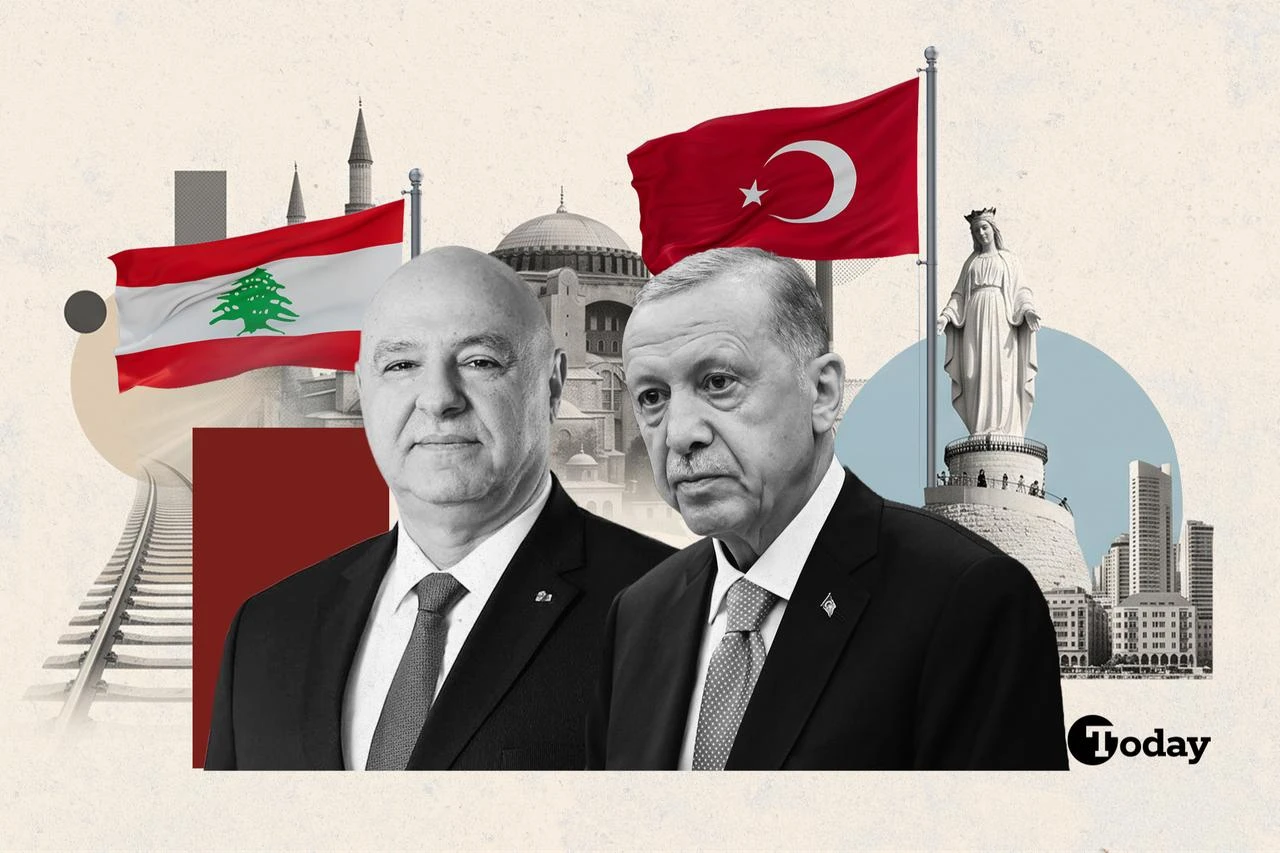
Aoun said the Lebanese army "is facing an existential challenge in extending the state's authority over all its territory," requiring "modern equipment and gear, specialized training, and logistical support" to deploy effectively in sensitive areas, particularly the south, where deployment is meant to coincide with a full Israeli withdrawal.
He said he plans to raise the possibility of expanding existing Turkish military support and training programs during his visit, while stressing, "Any Turkish support comes in addition to existing U.S. and international support, not as an alternative to it."
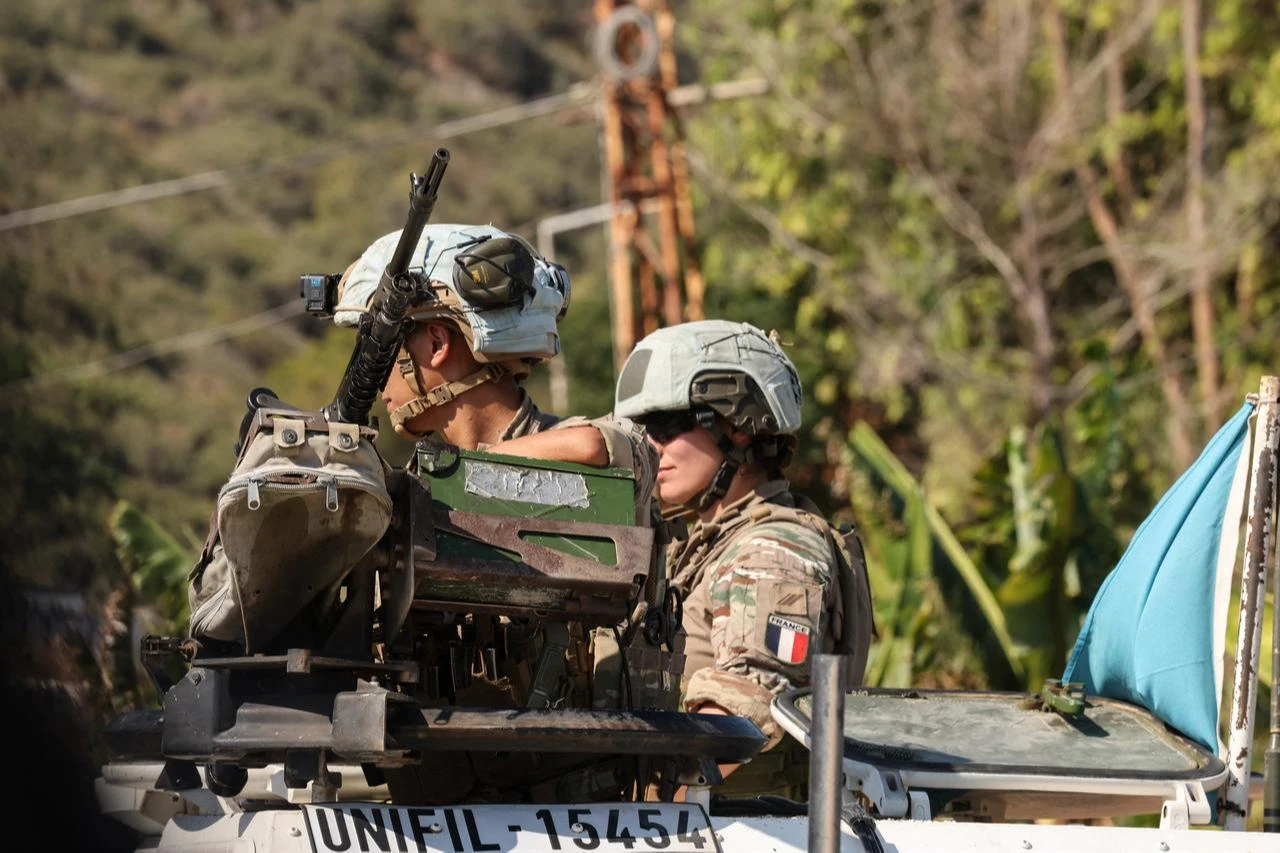
Asked whether Türkiye might join an international force to replace the U.N. Interim Force in Lebanon (UNIFIL) in the south, Aoun said the matter "is still under discussion," citing multiple proposals including a European force led by France and Italy, a proposal involving Turkish participation with NATO support, and others involving Arab and Islamic countries.
"For us, the priority is to ensure that no security vacuum occurs after UNIFIL's mandate ends," he said, adding that any proposed alternative force, including potential Turkish participation, would be evaluated based on "its ability to support the Lebanese army in extending its authority and ensuring stability in the south."
He said Türkiye has previously contributed to UNIFIL's naval force, which he said was "effective in controlling maritime movement toward Lebanon over the past years, in coordination with the Lebanese army's naval forces."
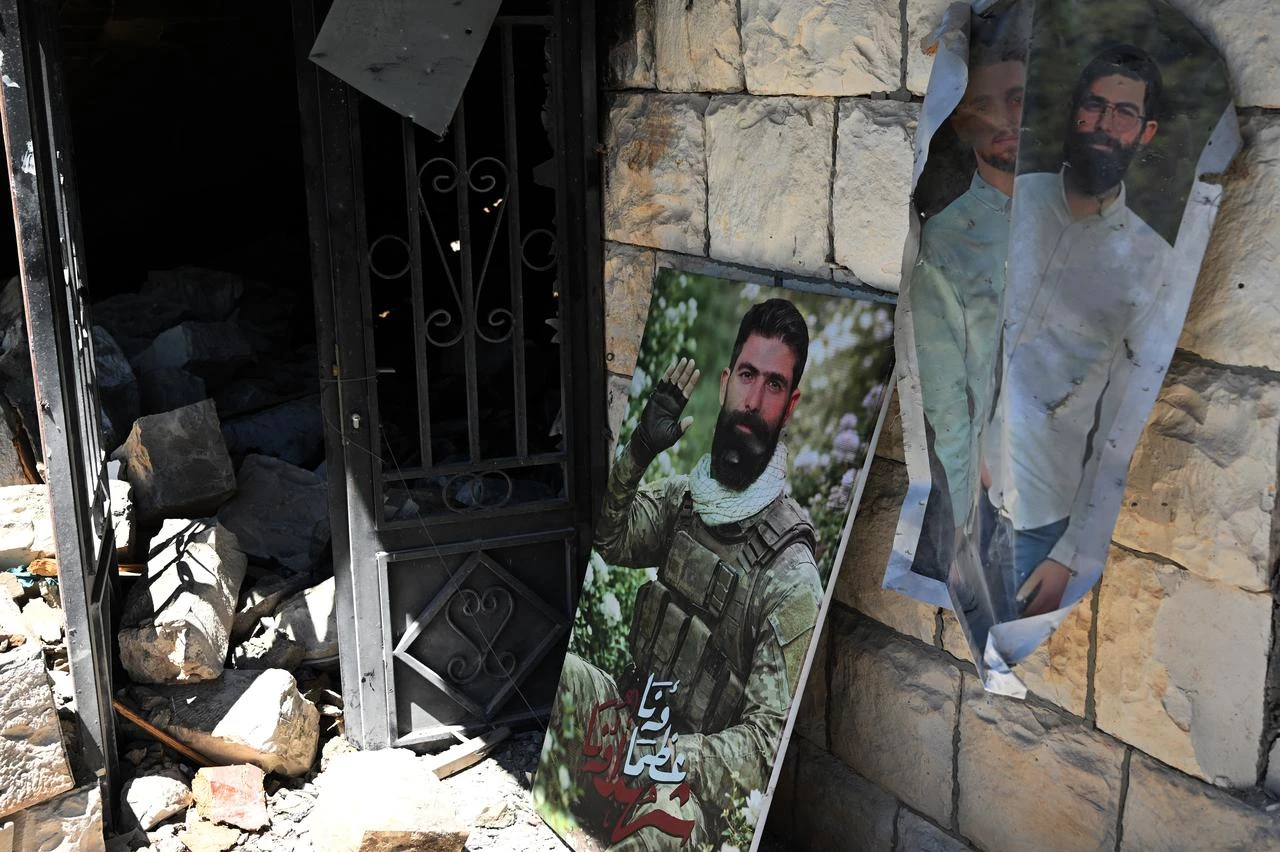
Asked about Hezbollah's rejection of any negotiating track with Israel and its impact on implementing ceasefire understandings, Aoun said, "The size of this challenge cannot be underestimated, as any negotiation or implementation track needs a minimum level of internal consensus to succeed on the ground."
He said the Lebanese presidency and government are "the only party constitutionally authorized to make decisions related to sovereignty, security and foreign relations," while acknowledging that resolving the arms issue requires "a cumulative approach and continuous internal dialogue, away from confrontation."
Asked about reports of a possible Syrian role or mediation in placing weapons under Lebanese state control, despite repeated denials from Damascus, Aoun said, "The decision to place arms solely in the hands of the Lebanese state is an exclusively Lebanese sovereign decision. There is no room for any mediation or external interference in it, whether Syrian or otherwise."
He said Syria has repeatedly affirmed it does not intend to intervene militarily in Lebanese affairs and supports placing weapons and decisions of war and peace in the hands of the Lebanese state, "a position we welcome," Aoun said.
He said he had stressed to Syrian President Ahmad al-Sharaa that coordination between the two countries should occur at the political leadership level, based on mutual respect for sovereignty and non-interference.
"As for statements or speculation about a broader Syrian role, these are media interpretations that do not reflect any negotiating reality or official position," Aoun concluded.


 Set as preferred source
 Set as preferred source


 1 min read