Newsletters


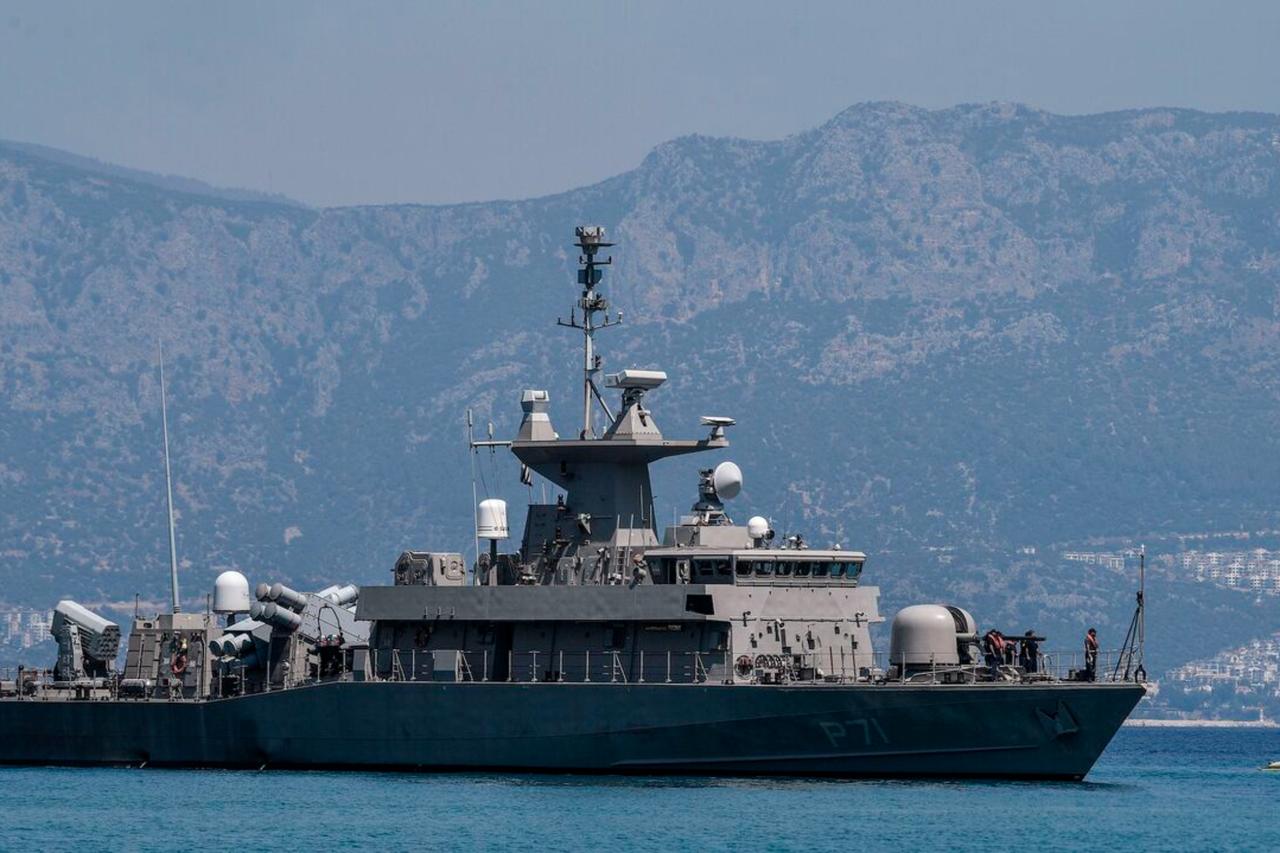


Greece said France’s communication with Türkiye over the Greece-Cyprus electricity interconnector was a notification rather than a request for permission, as conflicting reports continued over diplomatic contacts surrounding the Great Sea Interconnector project in the Eastern Mediterranean.
The Great Sea Interconnector is an undersea electricity cable project connecting Greece and the Greek Cypriot administration, with survey work in the Eastern Mediterranean to be carried out by the French research vessel Abeille Marengo. The dispute centers on planned work in areas Türkiye considers part of its continental shelf.
Greek government spokesperson Pavlos Marinakis said the French communication with Ankara did not amount to recognition of Turkish jurisdiction and insisted the project was proceeding normally.
“Permission and notification are different things. The claims being circulated have nothing to do with reality,” Marinakis said.
He said the French company involved in the project had sought authorization only from Greek and Greek Cypriot authorities, recognizing their jurisdiction in the area.
Marinakis said Greece had completed its required procedures after approving survey and cable-laying work and issuing a Navtex on Nov. 6. Türkiye subsequently issued a counter-Navtex.
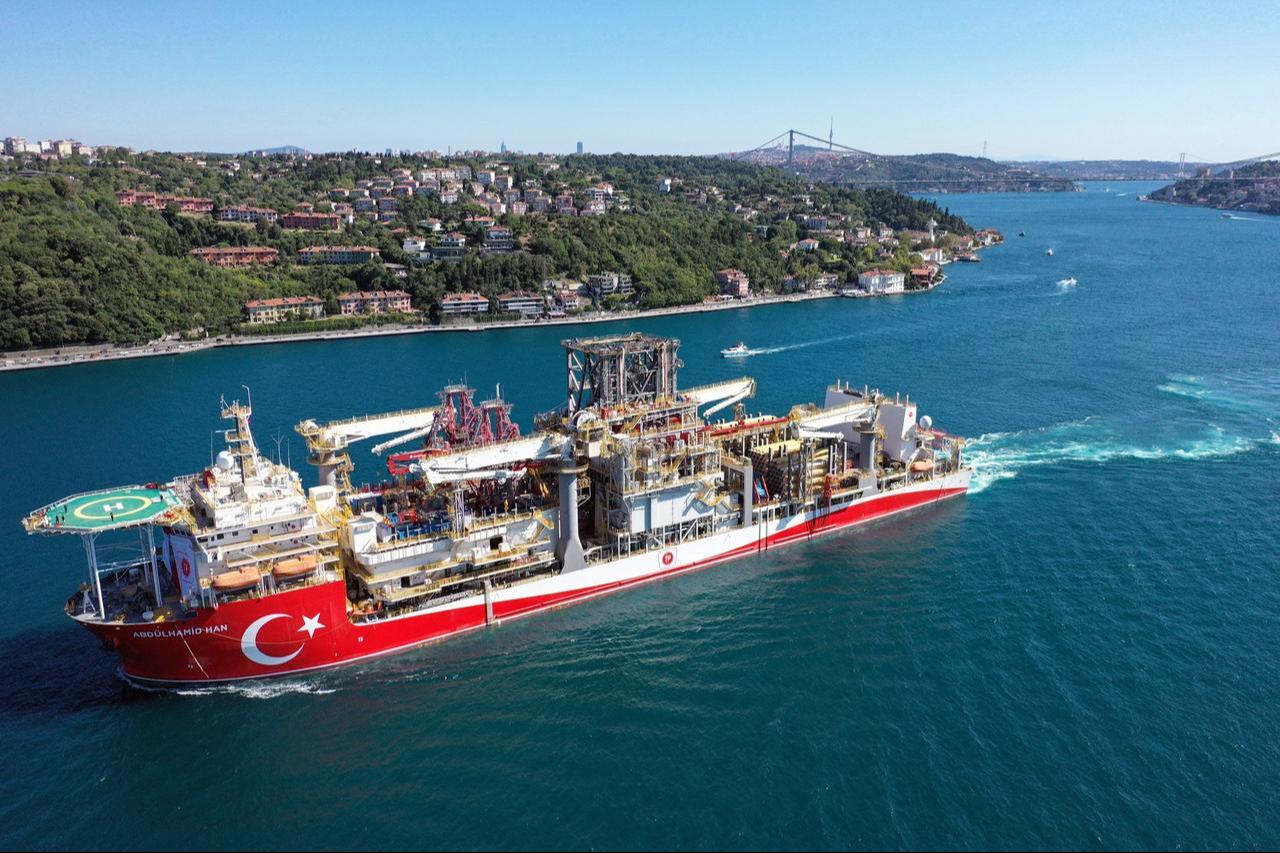

Greek media have published differing accounts of France’s communications with Türkiye.
Enikos reported that France sent what it described as a “standard notification” to both Türkiye and Egypt and stressed that it was not seeking permission.
A Greek source cited by Sigma Live also confirmed written contact with countries in the region after Greece authorized the surveys, describing it as informational rather than a request for approval. The source said France had notified Türkiye but it was unclear whether details such as the vessel’s route coordinates were included.
France also said it was not taking a position on competing claims over maritime jurisdiction, according to the report.
MEGA, meanwhile, cited Turkish sources as saying France had submitted a request to Ankara concerning the project. The sources said Türkiye did not want tensions at sea and considered France’s approach sufficient, adding that a formula had been developed with Paris without requiring separate communication with Greece.
Greek Deputy Foreign Minister Loverdos said he was unaware of such an arrangement and that Greece itself had not informed Türkiye.
“The government has done its duty,” he said, adding that Greece was preparing for different scenarios and would defend its sovereign rights “on the ground” if necessary.
Kathimerini reported that diplomatic contacts between Paris and Ankara were continuing as the Abeille Marengo prepared for survey work.
According to the newspaper, France sent a diplomatic note to Greece, the Greek Cypriot administration, Egypt and Türkiye, but Ankara was reportedly dissatisfied with some of its wording.
The report said Ankara could be seeking either a more explicit request for authorization or a revised communication more closely reflecting Türkiye’s positions on Eastern Mediterranean maritime boundaries, including the Türkiye-Libya maritime agreement and Türkiye’s 2020 letter to the U.N.
Greek officials, however, insist the communication to Türkiye was solely for navigational safety and did not constitute recognition of Turkish maritime claims.
Marinakis said no permit had been requested from Türkiye and that the project would proceed “without any problem.”
The Greek opposition has pressed the government to publish the French diplomatic communication, but Marinakis said Athens could not release another state’s correspondence.
The Abeille Marengo has remained at the port of Heraklion in Crete while diplomatic contacts continue.
Kathimerini reported that a planned calibration voyage was postponed, although the vessel remained ready to begin operations under Navtex 1411/26. The ship was expected to conduct initial test voyages before beginning survey work.
Another Greek report said the vessel would initially operate in Greek territorial waters before potentially moving into areas claimed by Türkiye as part of its continental shelf.
Türkiye has argued that work in areas it considers under its jurisdiction requires coordination with Ankara. Turkish diplomatic sources previously expressed optimism that the Navtex dispute had been resolved.
Foreign Minister Hakan Fidan, responding to a question from Kathimerini, said over the weekend that “everything is normal, everything is fine.”
Turkish media commentator Yahya Bostan also reported that France had provided written notification to Ankara through official channels, though he said the contents were not known and it remained to be seen whether Ankara considered the notification sufficient.
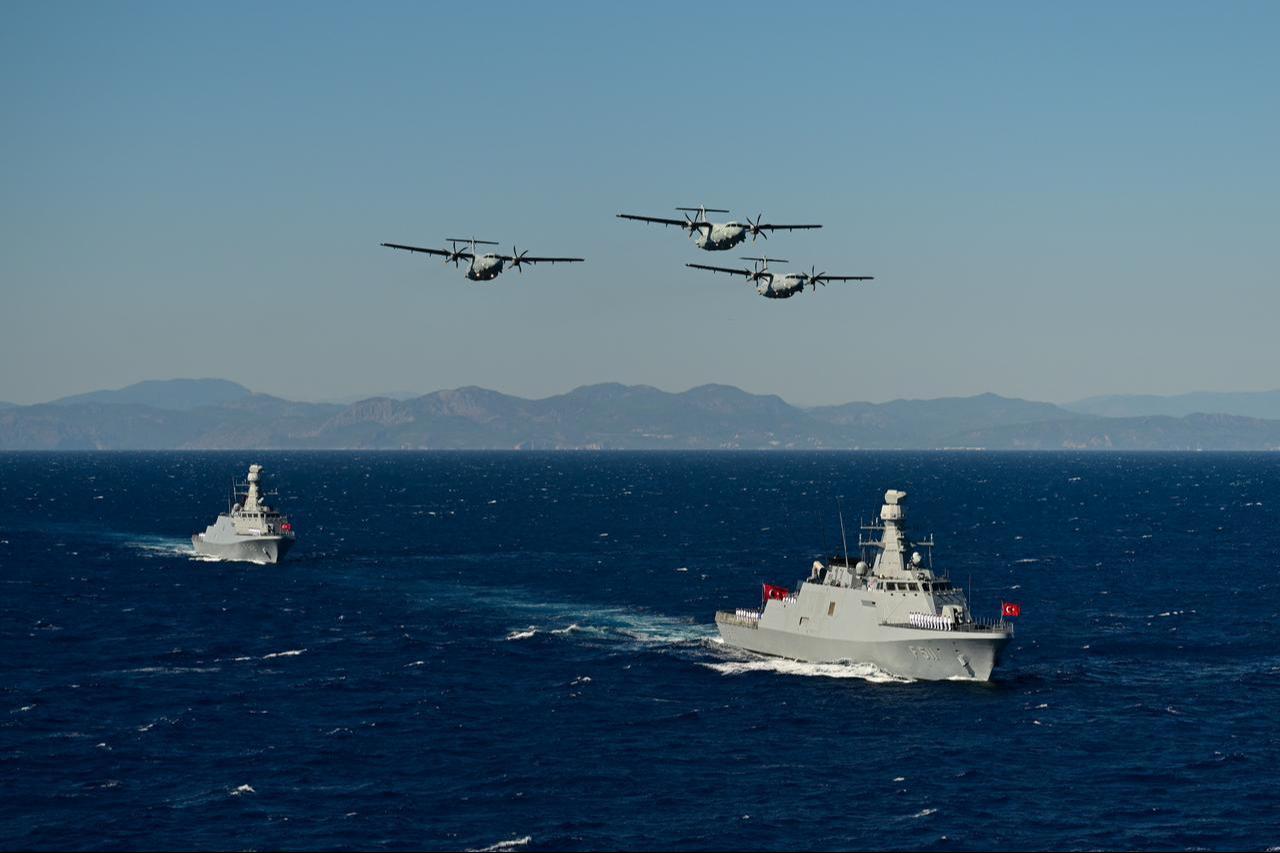
Kathimerini said there was no major naval buildup in the area, apart from Turkish unmanned aerial vehicle flights south of Kasos.
Some Greek media reports suggested Washington did not want the project obstructed and that U.S. Ambassador to Türkiye Tom Barrack could also provide a verbal briefing.
The Greek government, however, said there had been no U.S. intervention or approach concerning the project. Reports from Ankara cited by Kathimerini similarly said there was no information about U.S. involvement.
The dispute comes as COP31 is being held in Antalya, with Greek reporting suggesting both sides may seek to avoid a confrontation while world leaders gather in Türkiye.
Athens describes the Great Sea Interconnector as a strategically important connectivity project aimed at strengthening energy security and regional cooperation.


 Set as preferred source
 Set as preferred source


 1 min read
 1 min read