Newsletters


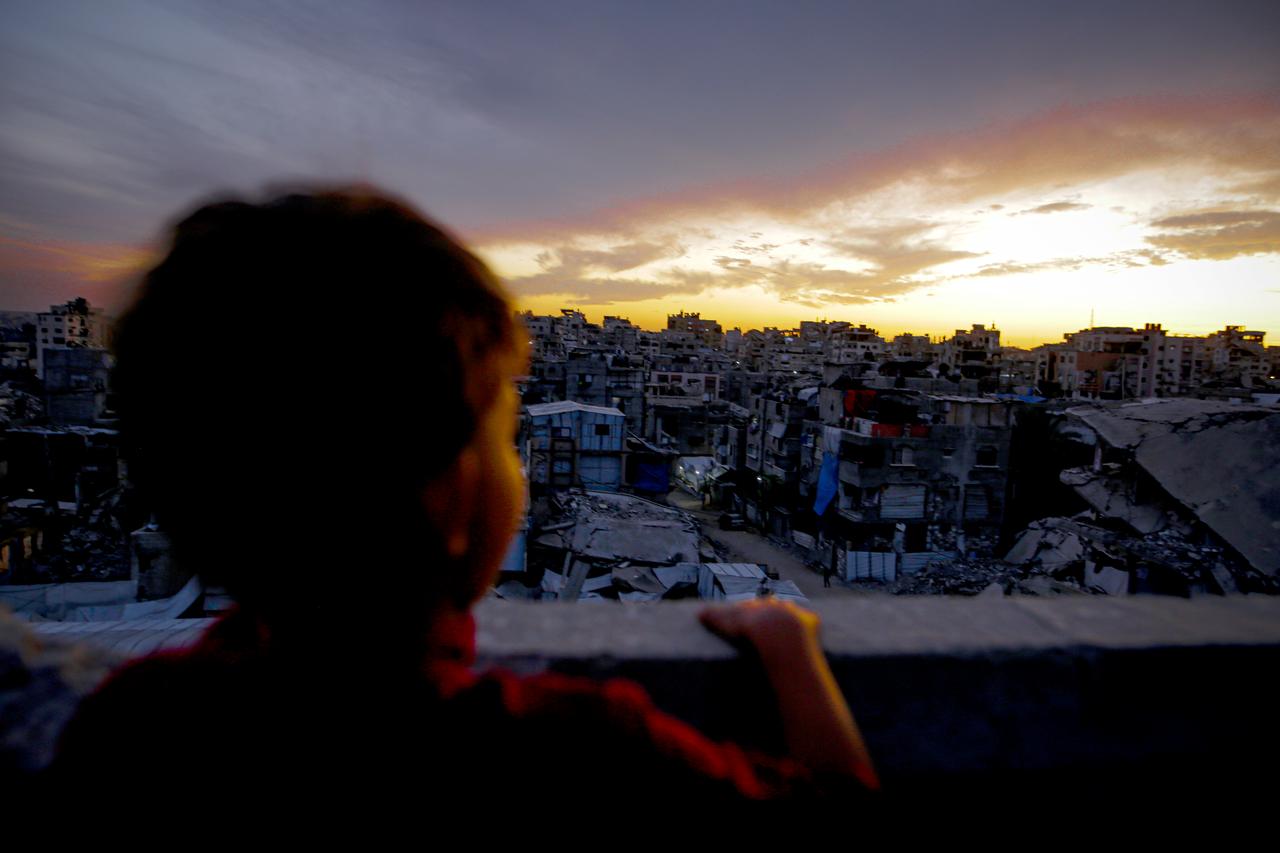


Gaza's Health Ministry said Friday that 260 cases of congenital anomalies were recorded among newborns in the first nine months of 2026, surpassing the 184 cases documented throughout 2022, as officials called for an independent international investigation into the possible causes.
Health Ministry Director-General Munir al-Bursh described the figures as a serious health warning, expressing concern over the impact of the war, widespread hunger, displacement and the collapse of healthcare services on maternal and newborn health.
According to the ministry, 322 cases were recorded in 2025, a 75% increase from the 2022 total.
However, the ministry cautioned that the figures alone do not establish the prevalence of congenital anomalies among newborns or determine their causes.
It called for an independent international scientific investigation into possible contributing factors, including maternal malnutrition, exposure to environmental pollutants and disruptions to prenatal care during the war.
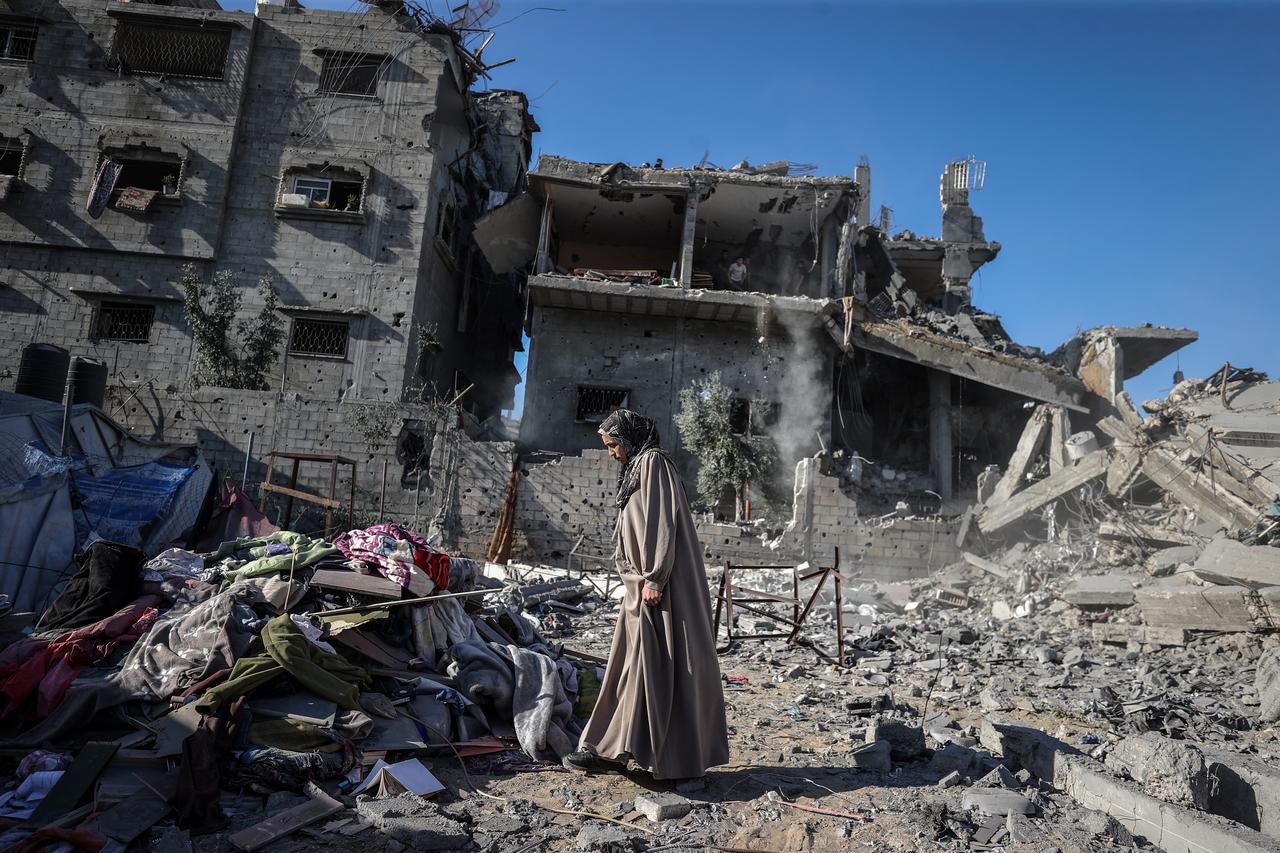

The ministry identified several congenital conditions requiring specialized medical surveillance and treatment, including cleft lip and palate, atypical external genitalia, shortened upper limbs and umbilical hernias.
Some newborns have multiple anomalies, increasing the need for diagnostic testing, surgical interventions and long-term medical care, it said.
The ministry warned that Gaza's severely damaged healthcare system faces significant challenges in providing the specialized treatment required by affected children.
“Behind every number is a child who needs treatment and a mother seeking reassurance,” the ministry said.
It emphasized the need to protect pregnant women, ensure adequate nutrition and restore access to prenatal screening, neonatal care and specialized surgical services.
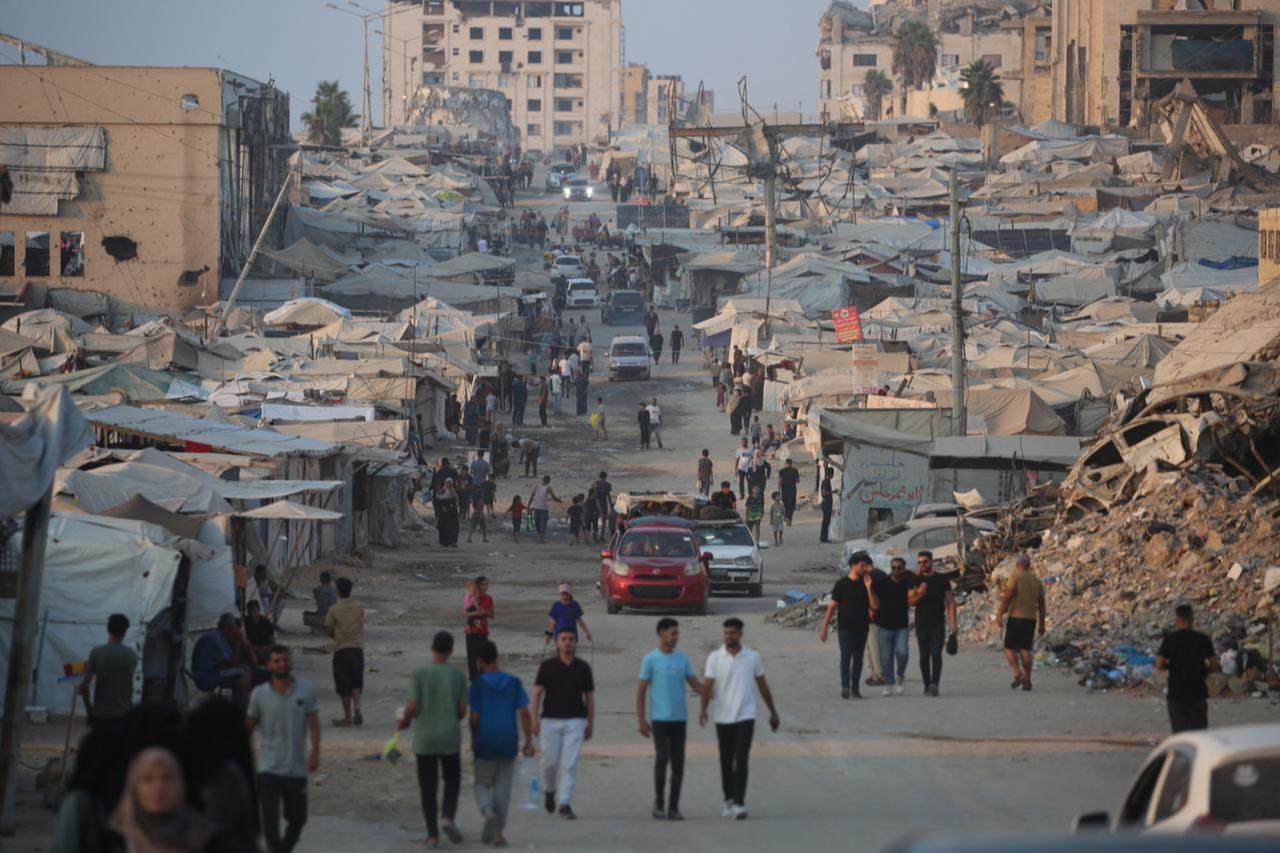
The figures come amid the continuing humanitarian and healthcare crisis in Gaza following Israel's military offensive, which began Oct. 8, 2023.
According to Gaza's Health Ministry, more than 74,000 Palestinians have been killed and over 175,000 wounded since the start of the war, while approximately 90% of the enclave's civilian infrastructure has been destroyed.
Although a ceasefire agreement took effect Oct. 10, 2025, Israeli attacks have continued.
As of Thursday, the ministry said Israeli violations of the agreement had killed 1,602 Palestinians and wounded another 5,799.
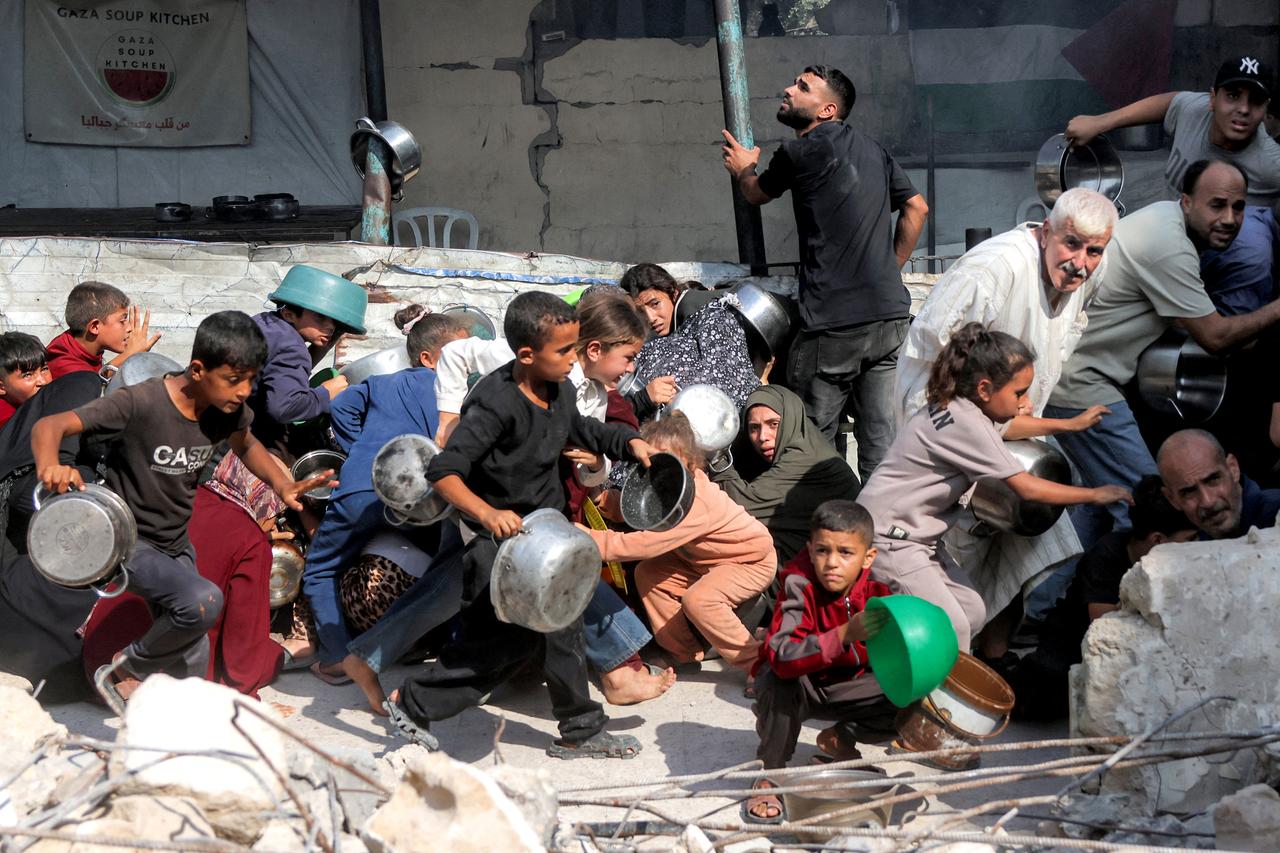
Palestinian authorities have also accused Israel of continuing to restrict the entry of food, medicines, medical supplies and shelter materials despite the ceasefire arrangements.
Under the agreement, 600 humanitarian aid trucks were expected to enter Gaza daily, carrying food, medical supplies, fuel and other essential goods.
However, Palestinian officials have repeatedly said deliveries have fallen substantially below the agreed levels.
The restrictions and damage to healthcare infrastructure have left thousands of sick and wounded Palestinians unable to leave Gaza for medical treatment.
Against this backdrop, Gaza's Health Ministry urged international scientific institutions to investigate the reported congenital anomalies and assess potential risks to maternal and newborn health, while stressing that the available figures do not establish a causal link between the war and the recorded conditions.


 Set as preferred source
 Set as preferred source


 1 min read
 1 min read