Newsletters


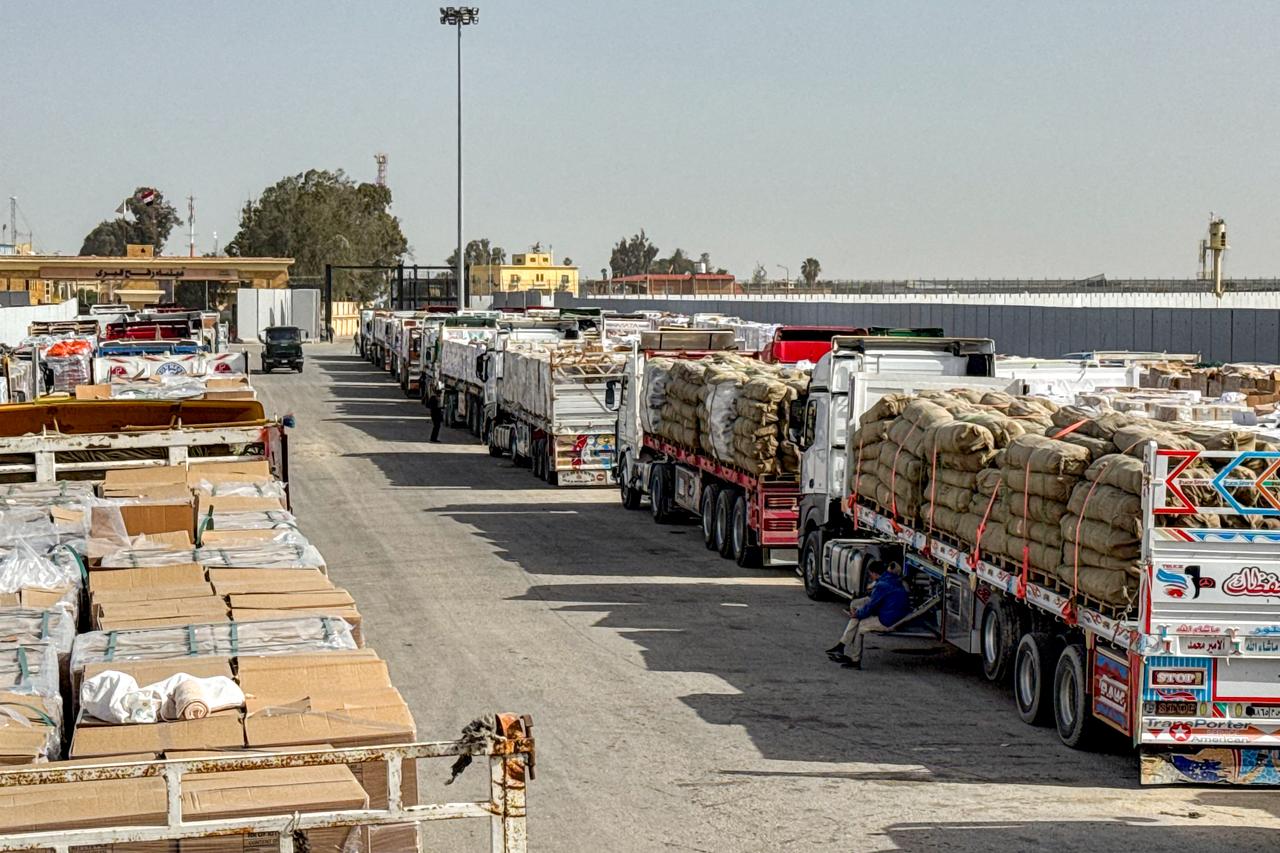


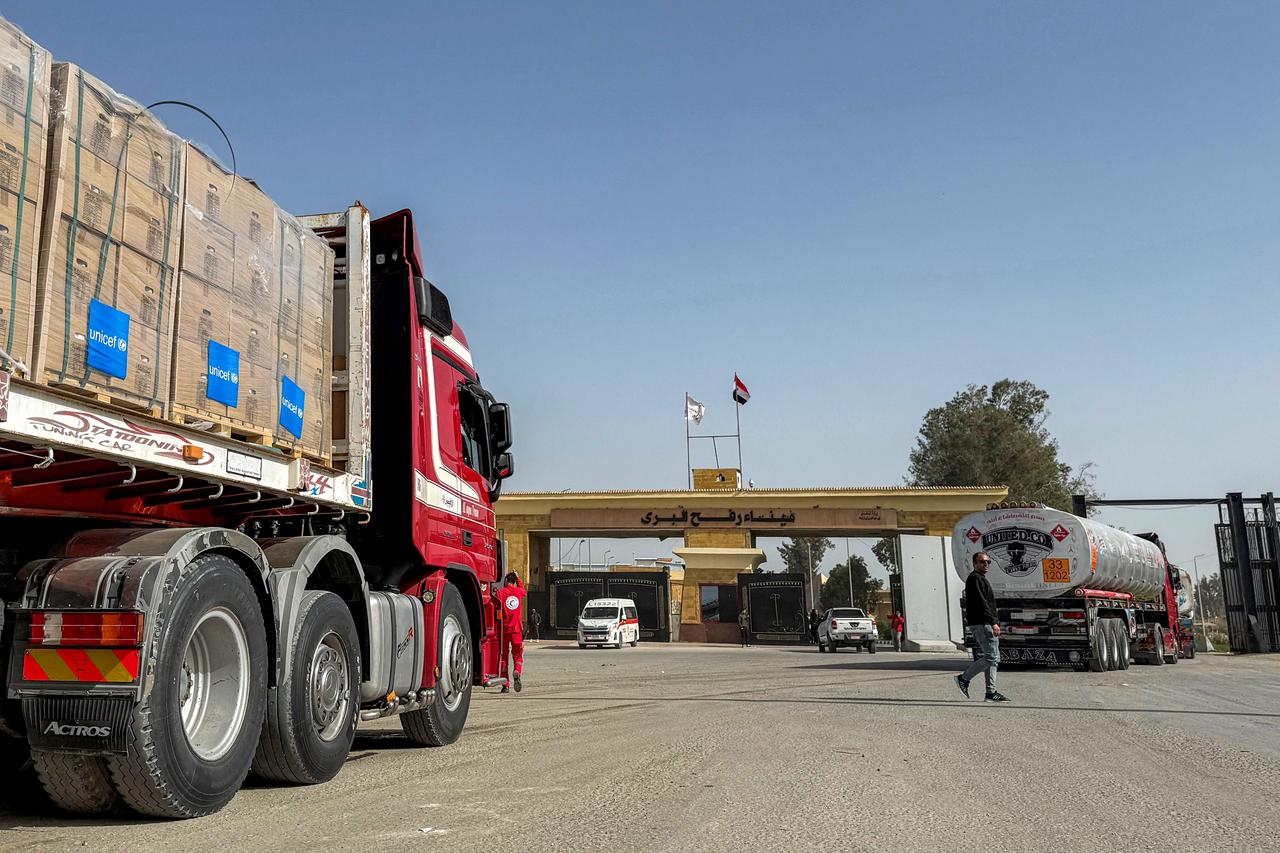
Gaza's Rafah border crossing with Egypt officially reopened on Monday for limited pedestrian traffic, with 50 Palestinians expected to cross in each direction daily in a key step as the Israeli-Hamas ceasefire moves into its second phase.
Foreign journalists remain barred from the enclave.
"As of this time, and following the arrival of the EUBAM teams on behalf of the European Union, the Rafah Crossing has now opened to the movement of residents, for both entry and exit," an Israeli security official said, speaking to Agence France-Presse (AFP), referring to European border assistance mission teams.
Israel and Egypt will vet people for exit and entry through the crossing, which will be supervised by EU border patrol agents with a small Palestinian presence.
The number of travelers is expected to increase over time if the system is successful.
Israeli Prime Minister Benjamin Netanyahu said Israel will allow 50 patients daily to leave. Each patient will be allowed to travel with two relatives, while some 50 people who left Gaza during the war will be allowed to return each day, according to an official involved in the discussions speaking to AFP.
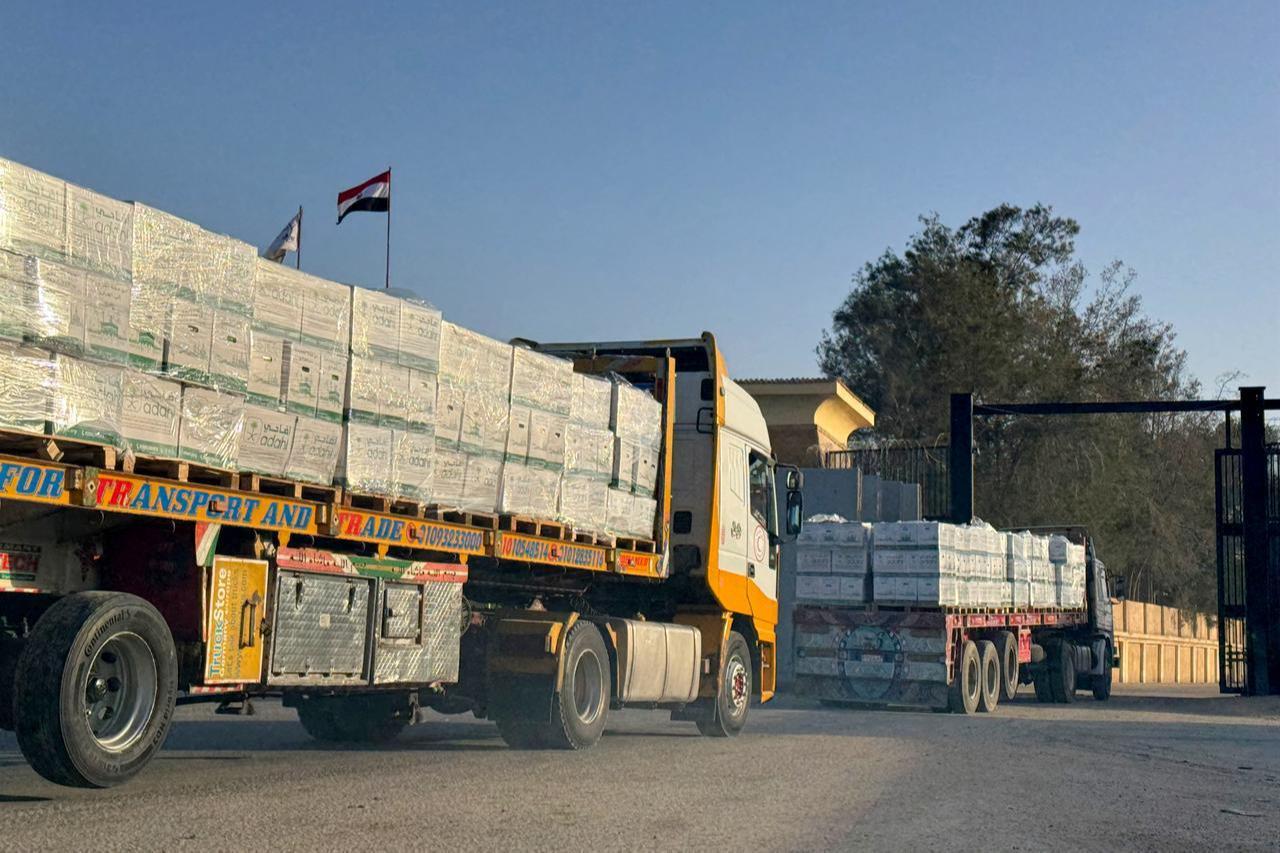

Gaza health officials estimate approximately 22,000 patients are waiting for the crossing to fully reopen for medical evacuation.
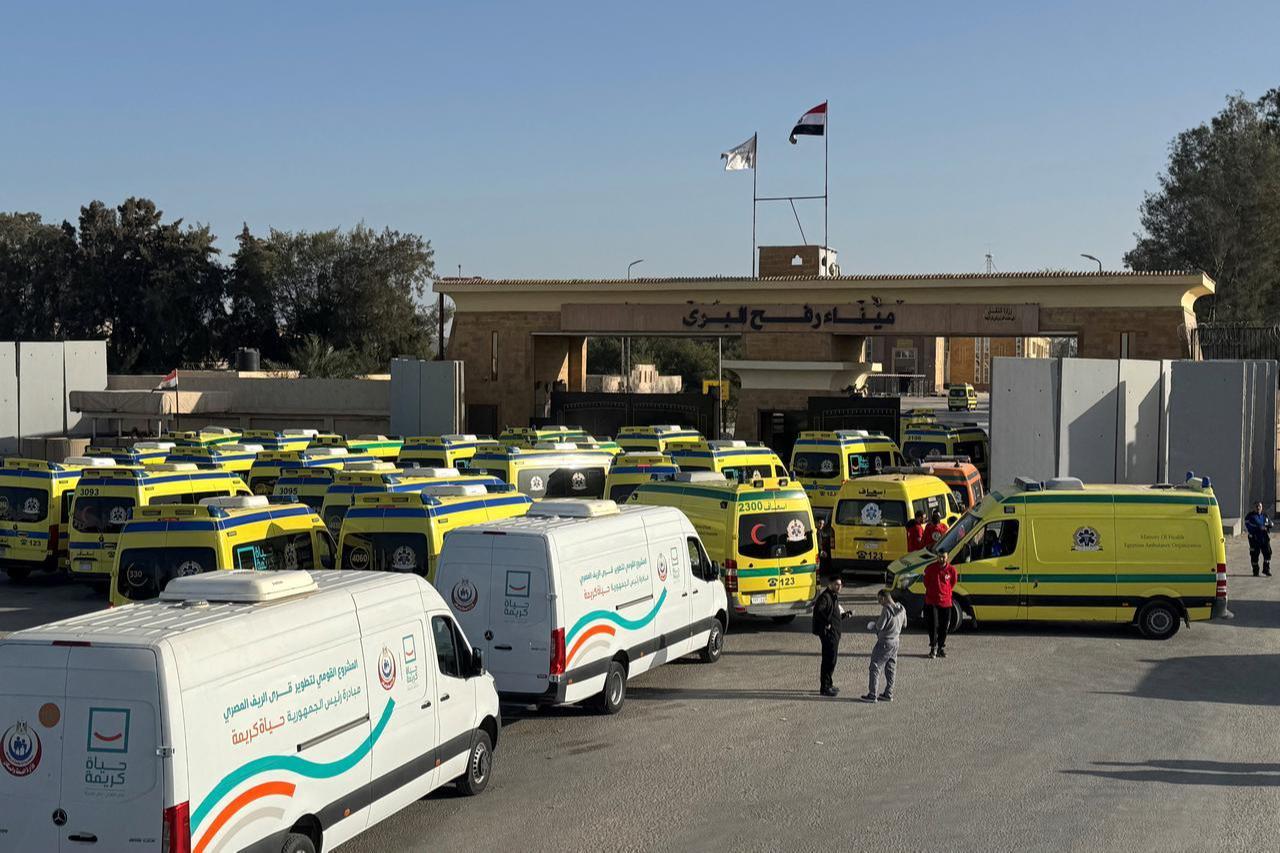
The Egyptian health ministry said in a statement Monday that 150 hospitals across the country have been prepared to receive Palestinian patients and wounded evacuated from Gaza through the Rafah crossing.
About 150 patients and their companions are set to leave the enclave for medical treatment in Egypt in the initial phase, according to Israeli media.
The closure of Rafah had cut off an important route for wounded and sick Palestinians to seek medical care outside Gaza. A few thousand were allowed out via Israel over the past year, though thousands more need care abroad, according to the United Nations.
Israeli troops seized the Rafah crossing in May 2024, calling it part of efforts to combat arms smuggling for Hamas. The crossing has been completely closed for more than 18 months because of Israeli restrictions.
The Palestinian side of the crossing began operating on a trial basis on Sunday.
Israel had resisted reopening Rafah, but the recovery of the remains of the last hostage in Gaza last week cleared the way to move forward. The reopening is a key step as last year's U.S.-brokered ceasefire agreement that took effect on Oct. 10 moves into its second phase.
 1 min read
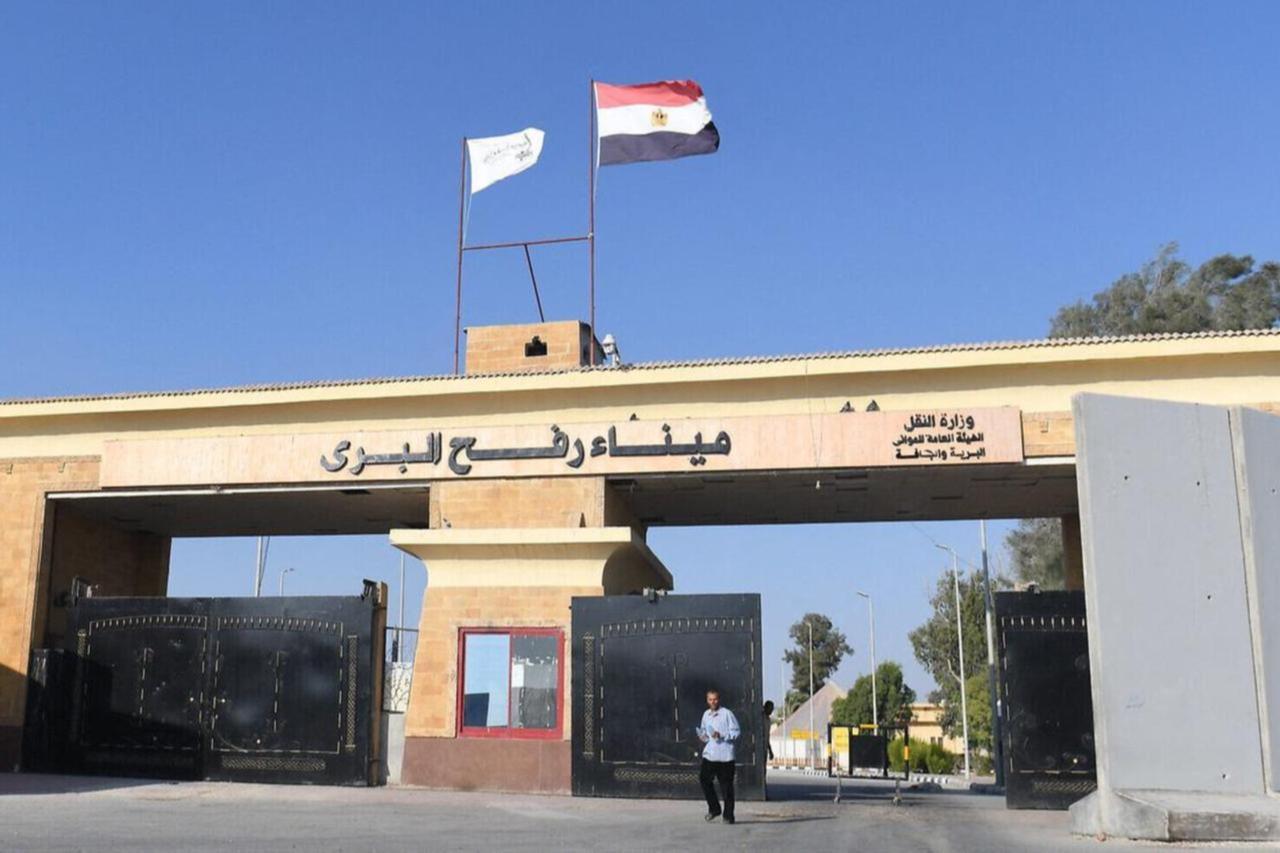
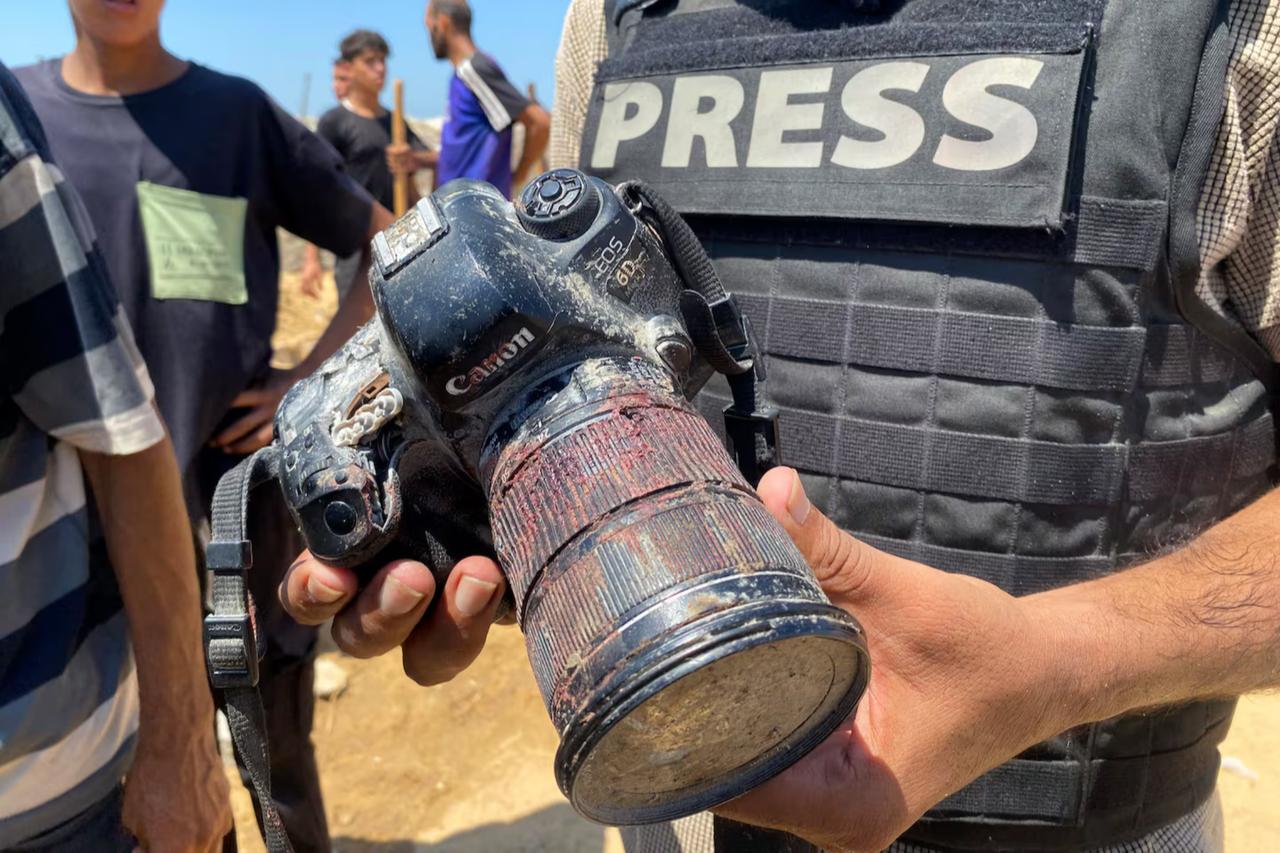
Despite the reopening, Israel continues refusing to allow foreign journalists into Gaza. Journalists have been banned from the enclave since the start of the war, which has caused widespread destruction.
Israel's Supreme Court is considering a petition by the Foreign Press Association (FPA) demanding that foreign journalists be allowed to enter Gaza from Israel. Government lawyers said letting journalists in could pose risks to Israeli soldiers while highlighting potential risks to reporters.
The FPA rejects this, saying the public is being deprived of vital independent information, and pointing to the fact that many aid and U.N. workers have been allowed into the enclave since the war started.
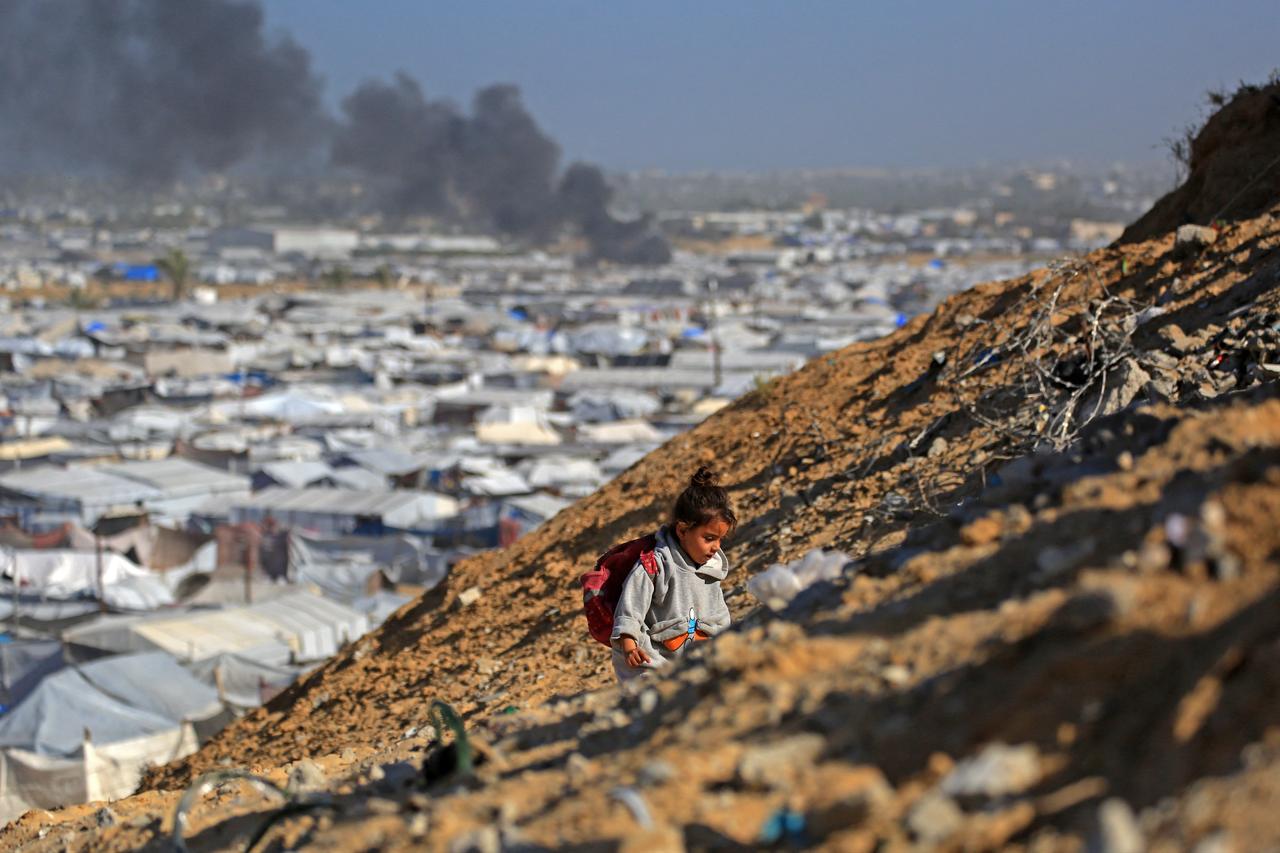
Palestinian officials say about 100,000 Palestinians have fled Gaza since the war began, most during the first nine months when the crossing was still operating. Some were sponsored by aid groups; others paid bribes to parties in Egypt to secure permission to leave.
Thousands of Palestinians outside the territory hope to enter and return home.
Fearing that Israel could use the crossing to push Palestinians out of the enclave, Egypt has repeatedly said it must be open for them to enter and exit Gaza.
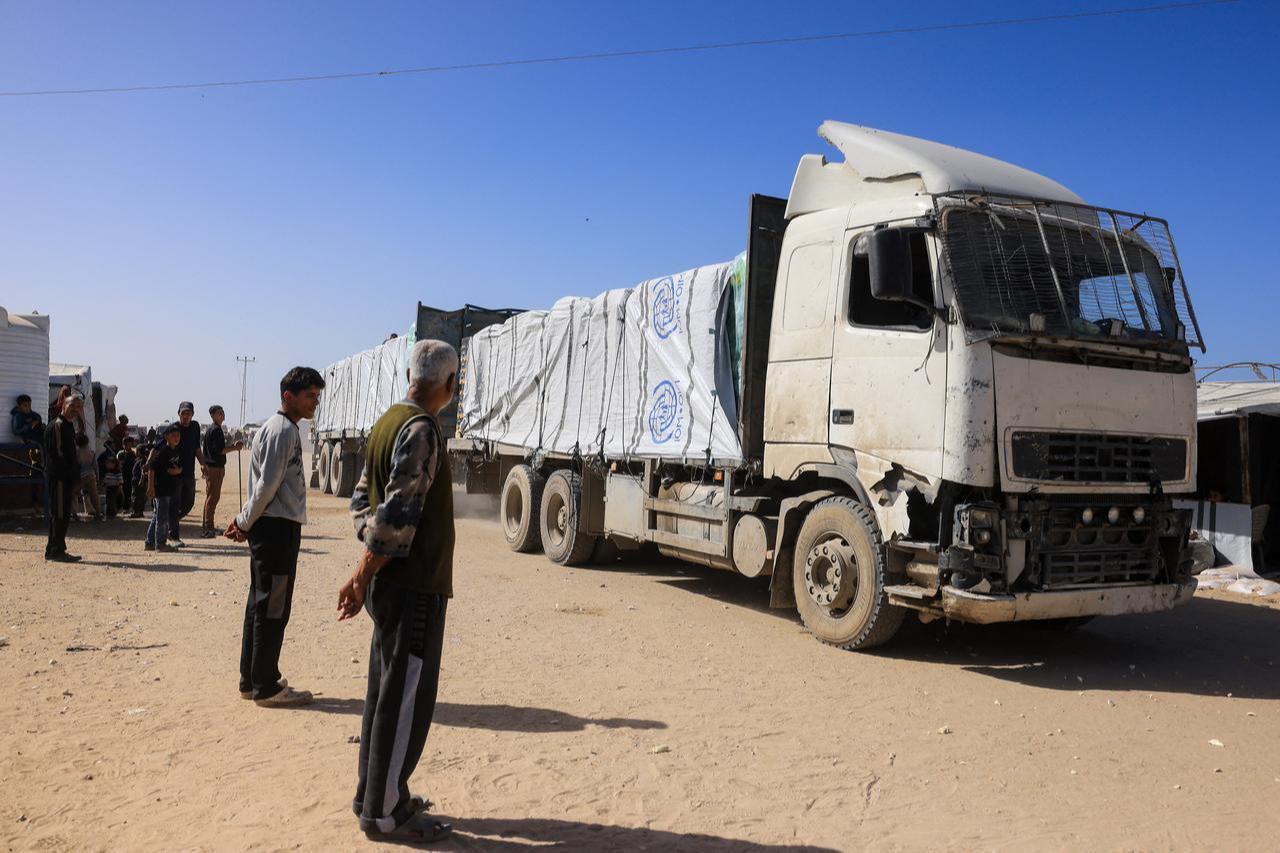
U.S. President Trump's plan for Gaza, now in its second phase, foresees governance being handed to Palestinian technocrats, Hamas laying down its weapons and Israeli troops withdrawing from the territory while it is rebuilt.
Israel has cast doubt on Hamas laying down its arms, with some officials saying the military is preparing for a return to war. Since the October deal was struck, Israeli attacks in Gaza have killed more than 500 Palestinians, health officials say, while militants have killed four Israeli troops.
On Saturday, Israel launched some of its most intense airstrikes since the ceasefire, killing at least 30 people in what it said was a response to a Hamas violation of the truce.
Gaza's approximately 2 million Palestinians mostly live in makeshift tents and damaged homes, surrounded by the ruins of their destroyed cities.


 Set as preferred source
 Set as preferred source


 1 min read