Newsletters


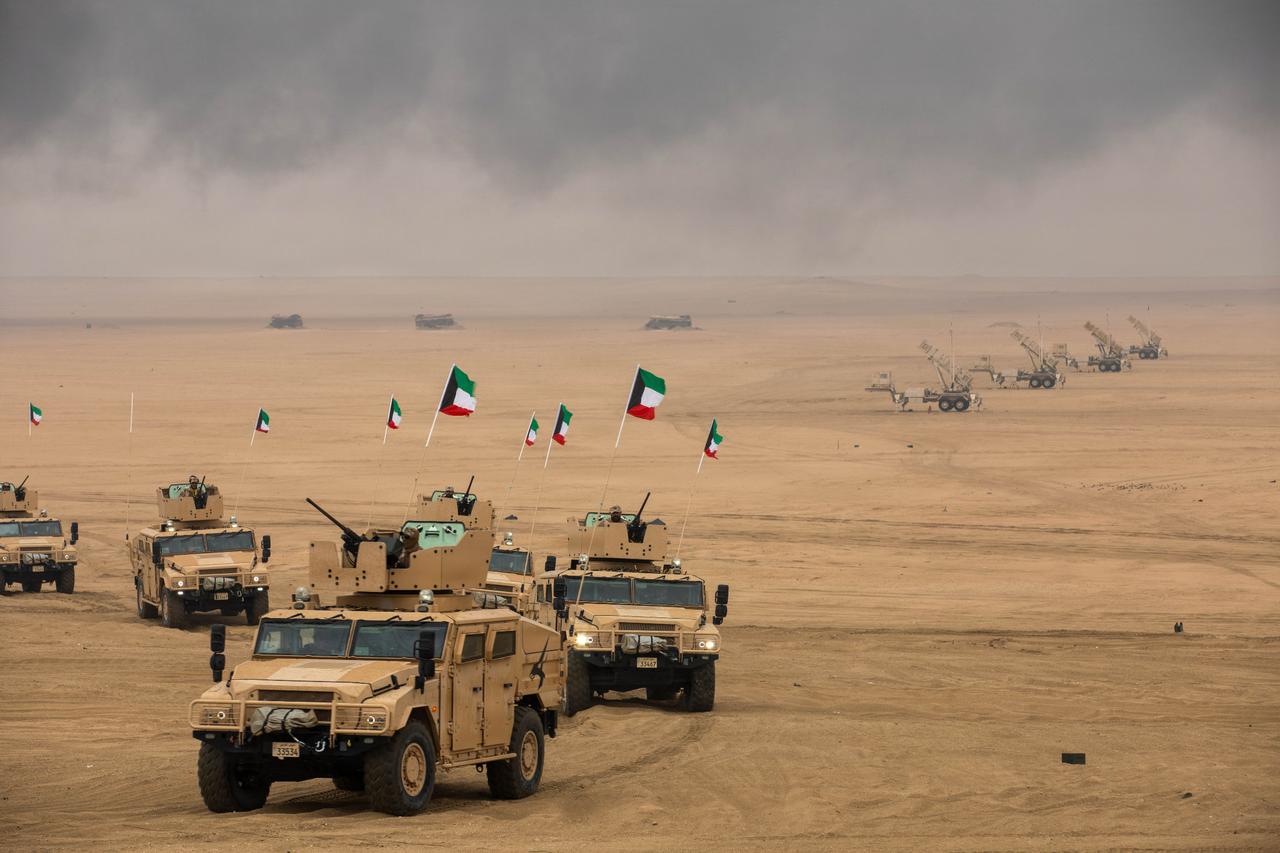


Gulf Cooperation Council defense ministers on Tuesday approved establishing a forward headquarters for the bloc’s Unified Military Command in Kuwait and allocating "appropriate forces" to it, GCC Secretary-General Jasem Mohamed Albudaiwi said.
The decision was taken at the 23rd session of the GCC Joint Defense Council in Manama, chaired by Bahrain’s Minister of Defense Affairs Lt. Gen. Abdullah bin Hassan Al Nuaimi with defense ministers of the other five member states, according to a GCC statement.
The decisions "reflect a firm Gulf commitment to safeguarding the security and sovereignty of the GCC states and strengthening their ability to confront common threats," the statement said, citing directives issued by Gulf leaders at an extraordinary summit in Jeddah in April.
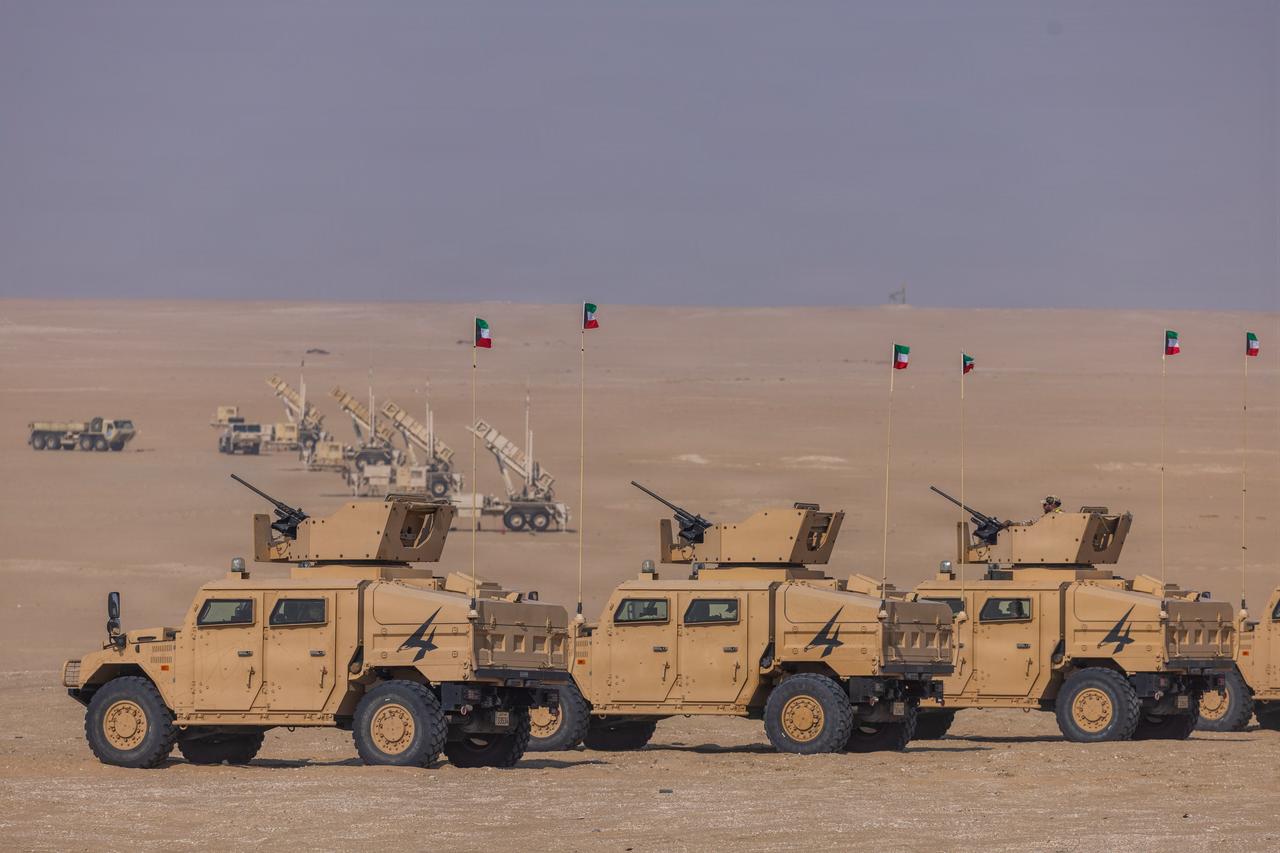

Albudaiwi pointed to rapid regional developments, including what he called "heinous Iranian attacks," and praised the level of military cooperation among GCC states in confronting them.
"Our states’ security is a shared Gulf responsibility," he said.
He expressed pride in the "courage and high efficiency" shown by GCC armed forces in confronting Iranian attacks, offered condolences for those killed and condemned Iranian attacks that damaged civilian sites and infrastructure in member states.
Albudaiwi also condemned Houthi attacks on Saudi Arabia, including the targeting of holy sites, affirming that GCC states stand "as one rank" with the kingdom and that its security is "an integral part" of the security of all member states.
He said the agenda included several significant decisions to deepen defense integration, without giving details.
The GCC’s Unified Military Command is headquartered in Riyadh.
The decision follows an Oct. 29 meeting of GCC armed forces chiefs of staff in Manama.
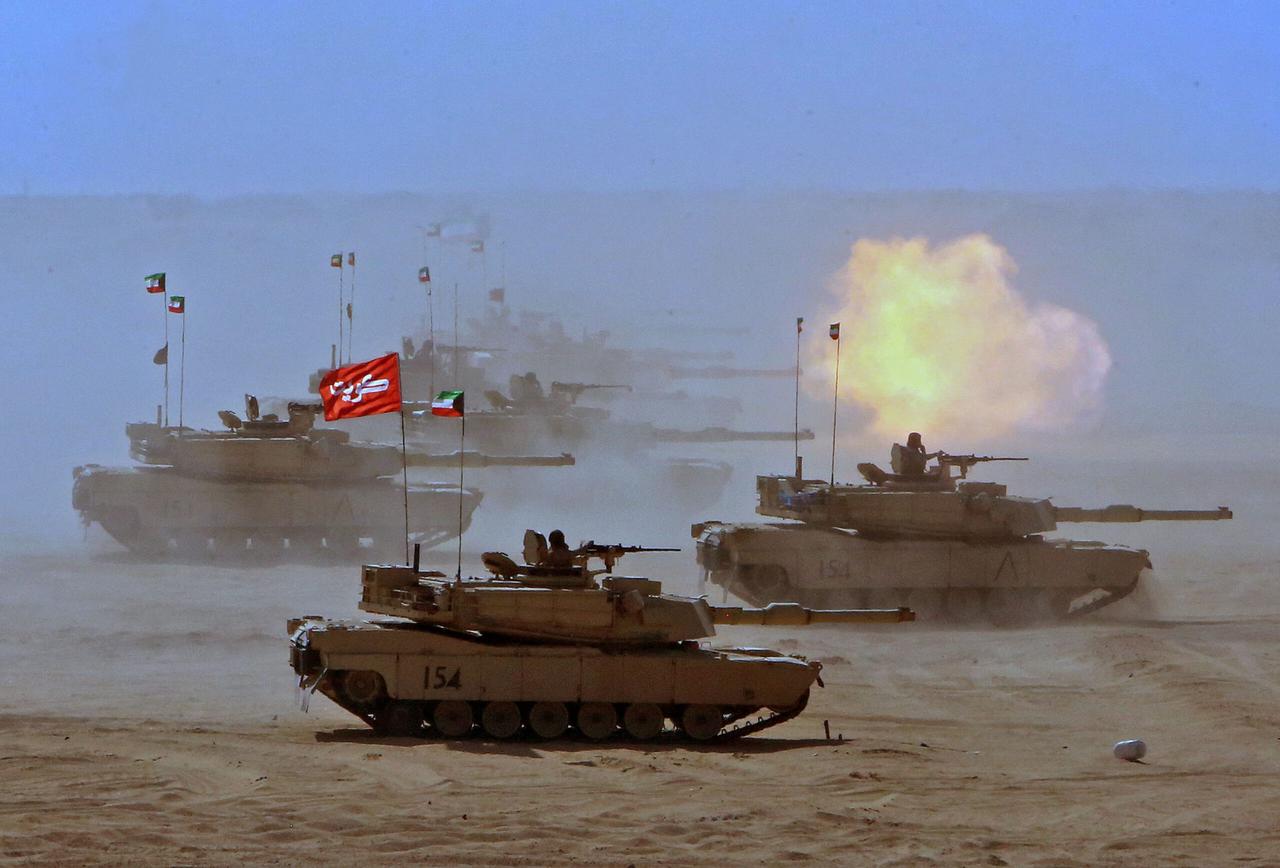
"Kuwait has been hedging and has taken a moderate stance against so many Iranian attacks on Kuwaiti territory, but Kuwait still took hits, not only from Iran but also from Iraq. So having a unified forward command there sends a message," Muhanad Seloom, a non-resident senior fellow at the Middle East Council on Global Affairs, told Al Jazeera.
"It reassures GCC countries that they are ready for all possible scenarios, but we don’t know which countries are going to contribute to that force yet," he said. Despite Trump’s statement that the Iran war is effectively over, the move is part of a strategy to "have enough deterrence against Iran," Seloom said.
"I think the war has changed the security order in the region in ways that are irreversible," he added.
The GCC, founded in 1981, comprises Saudi Arabia, the UAE, Qatar, Kuwait, Bahrain and Oman.
The composition of the force for the Kuwait command has not been disclosed.


 Set as preferred source
 Set as preferred source


 6 min read