Newsletters


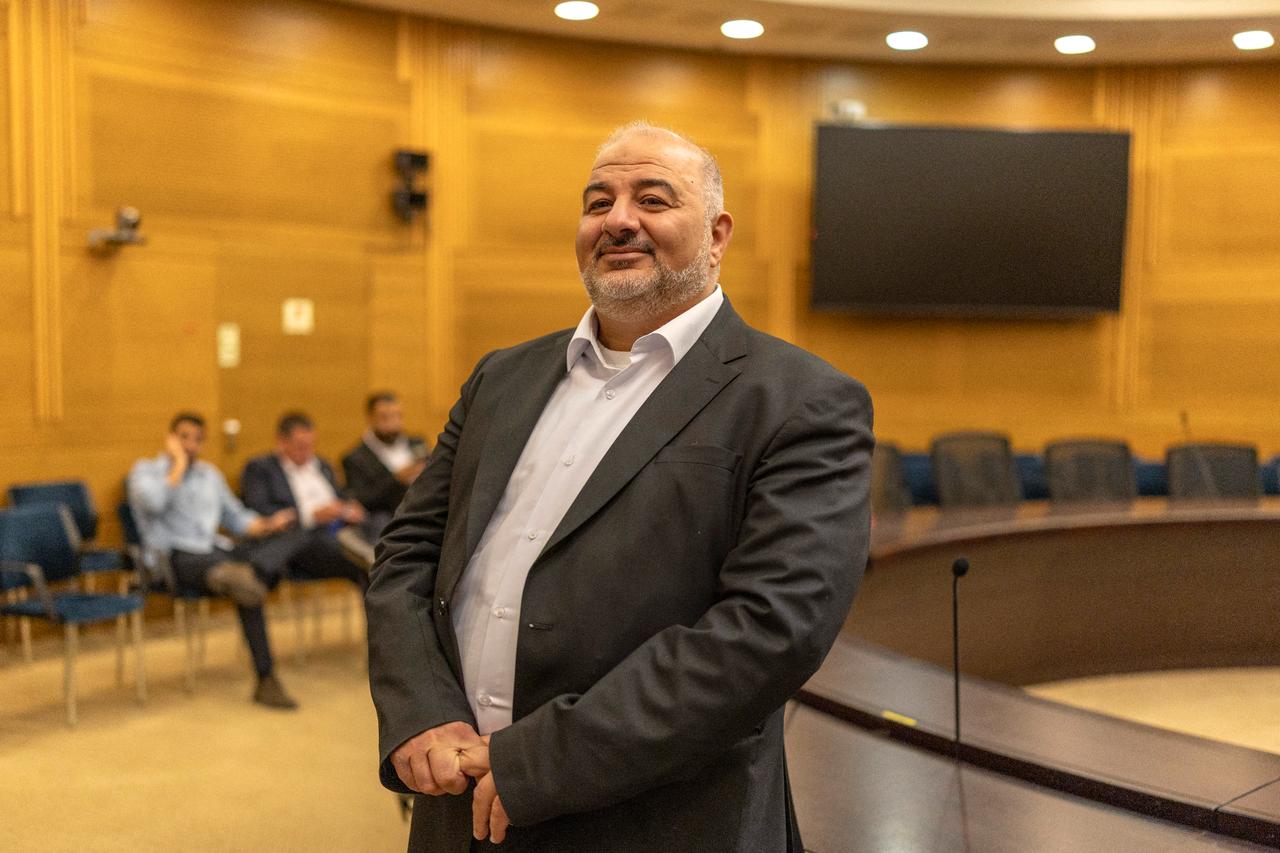


United Arab List (Ra’am) leader Mansour Abbas said Tuesday that his party aims to be part of Israel’s next coalition or government, as the 26th Knesset was sworn in and, amid reports, he has agreed in principle to recognize Hamas as a "terrorist organization."
"The Netanyahu bloc will become the opposition in the Knesset in a few hours. We will continue to advance the move to replace the government, and we aspire to be part of the next coalition or government. This is our basic right," Abbas told his party’s faction meeting.
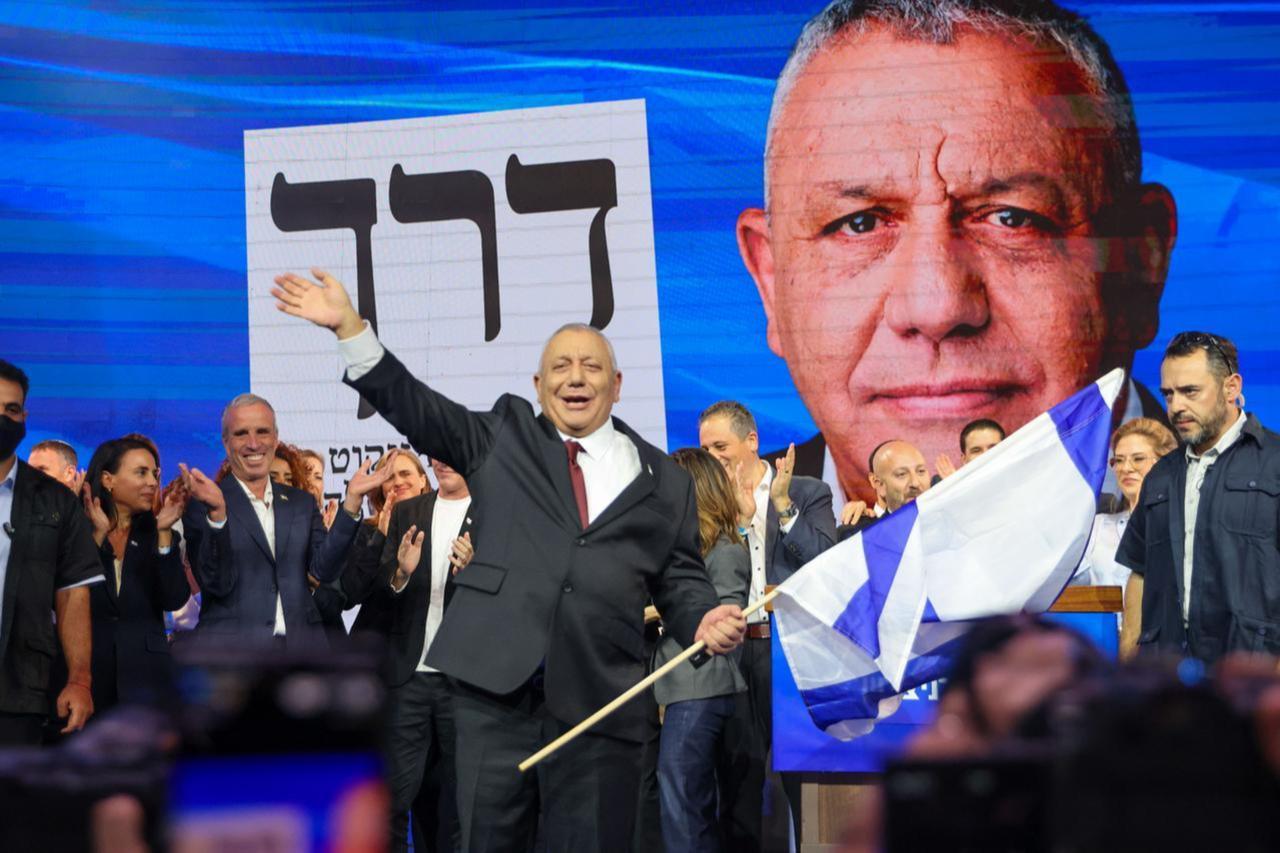
"We will extend a hand to the partnership that Eisenkot will lead, and we hope the move to form the government will be quick," he said.
Members of the change bloc have held intensive talks with Abbas over recent days on recognizing Hamas as a "terrorist organization," the fourth of Yashar leader Gadi Eisenkot’s principles for coalition partners, Ynet reported.
Abbas has expressed agreement in principle but is demanding a genuine partnership, the outlet said.
The Democrats and figures in Eisenkot’s party are mediating.
Abbas did not deny the report. "Our answer will be given during the negotiations to form the government," he said, adding, "We have condemned every act of terror."
"We supported President Trump’s plan, which the Israeli government eventually adopted, and which brings about the disarmament of every military or armed organization that operated on Oct. 7. We advocate a sovereign state that controls its territory and does not allow militias and organizations to exist, both in the Palestinian territories and in the State of Israel," Abbas said.
He said Ra’am’s inclusion would strengthen Israel’s international standing and democracy.
Responding to the coalition’s "stolen election" campaign, Abbas said: "There is no place for incitement and delegitimization. Meanwhile, those accused of bribery, fraud and breach of trust are the prime minister and a group of his ministers and lawmakers."
During consultations with President Isaac Herzog last week, Abbas cited concerns for his family’s safety when asked why he would not call Hamas a terrorist organization.
"Leave me this space to build a bridge and to influence the other side as well. And leave me space to protect myself and my family," he said, adding that Ra’am wants Hamas disarmed.
Eisenkot’s four principles are recognition of Israel as a Jewish, democratic, liberal and egalitarian state; commitment to the Declaration of Independence; a service obligation for all citizens; and recognition of Hamas as a terrorist organization and of the need to destroy its military-governing power in Gaza.
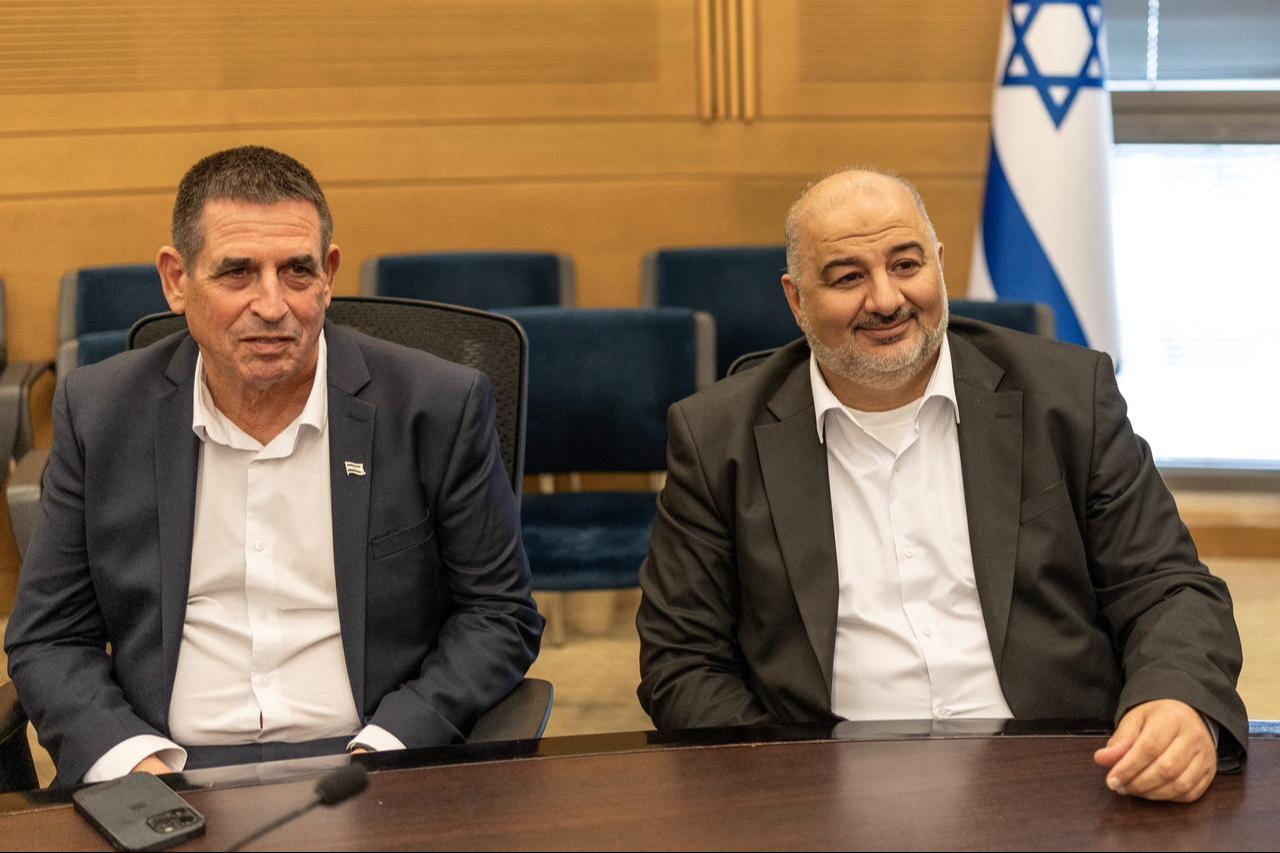

"I don’t think it’s an obstacle for him," Democrats leader Yair Golan said of Abbas recognizing Hamas.
"Don’t disqualify the Arab parties, and don’t disqualify the Arab public. Whoever can treat our wounded sons and save their lives is entitled to sit with us in the government of Israel," he said.
Yisrael Beiteinu leader Avigdor Lieberman reiterated he would not support a minority government relying on Ra’am and the Joint List.
His red lines are "ending the Netanyahu era," preventing another election and no such minority government, he said. "I stand at Eisenkot’s right hand. I did not ask for a rotation," he added, saying he had no contacts with ultra-Orthodox parties.
Eisenkot said he reached agreement with bloc leaders to make Matan Kahana the next Knesset speaker, replacing Likud’s Amir Ohana, with a vote expected next week.
Lieberman will chair the Foreign Affairs and Defense Committee, Roy Folkman the Arrangements Committee and Liran Avisar Ben-Horin the Finance Committee.
"If we didn’t vote for him, he wouldn’t be elected," said Joint List lawmaker Ahmad Tibi, adding the party would back the bloc from outside the government. "I tell Lieberman that 11 seats are more than seven," Tibi said.
Joint List leader Yousef Jabareen said: "The most important decision is to send home the Netanyahu, Ben-Gvir and Smotrich government."
Religious Zionism leader Bezalel Smotrich urged Kahana to refuse the post if elected "under the auspices of the Arab parties," calling it "moral bankruptcy."
Lieberman said as committee chair he would summon the police commissioner and Shin Bet chief over foreign interference in the election, saying "there are too many gaps," and the military chief and Mossad director on Iran.
He had earlier set priorities of replacing the speaker, appointing a state comptroller, limiting prime ministers to two terms and repealing judicial overhaul laws.
"Anyone proposing a different order is simply an idiot," he wrote.
Netanyahu will bring Foreign Minister Gideon Saar’s appointment as interior minister for cabinet approval Wednesday, after Ofir Katz declined to focus on coordinating the right-wing bloc in the Knesset, Likud said.
Channel 12 reported that Netanyahu confidant Natan Eshel repeatedly contacted Abbas before and after the election to deter him from helping Eisenkot.
Likud said it was unaware of the exchanges and "opposes any cooperation with terror-supporting parties." Eshel said: "No messages were passed."
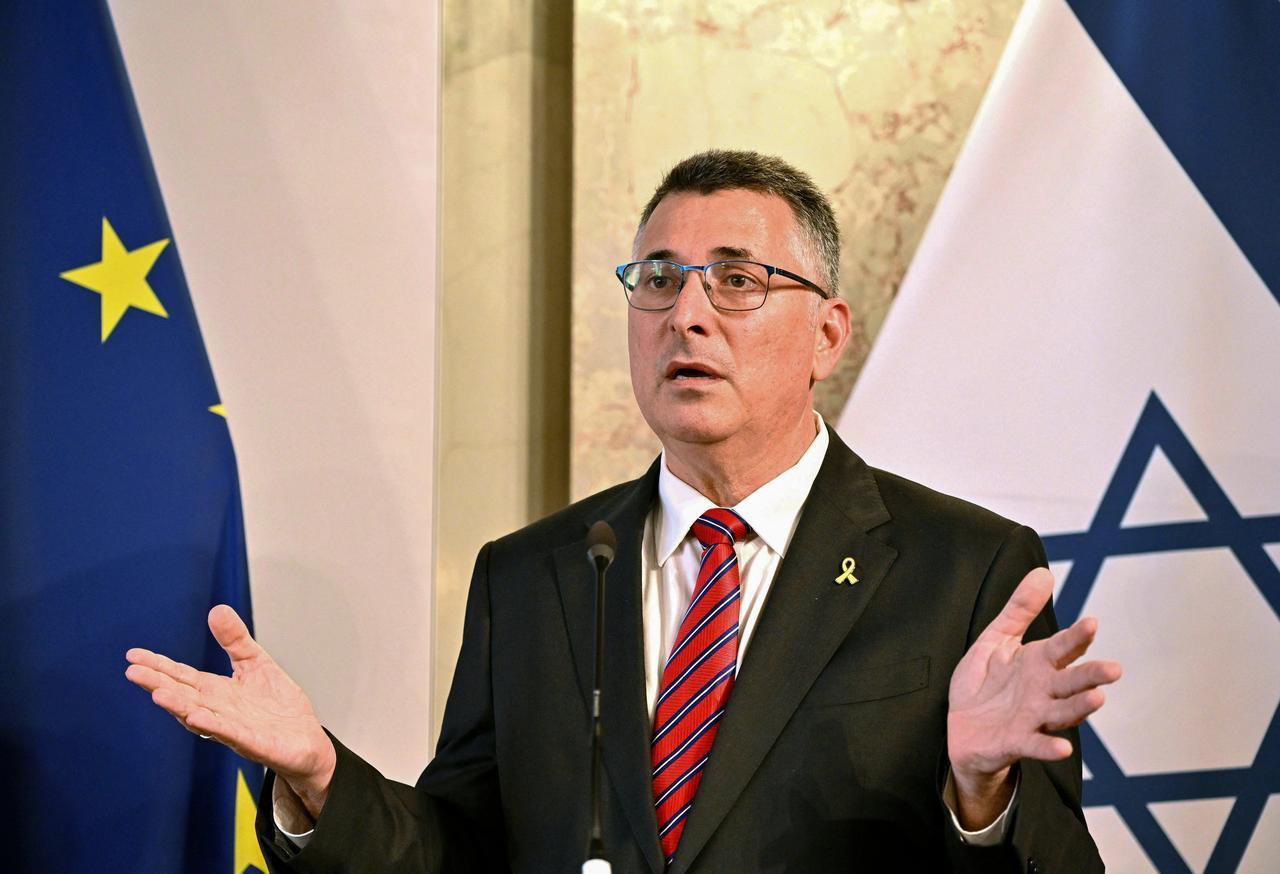
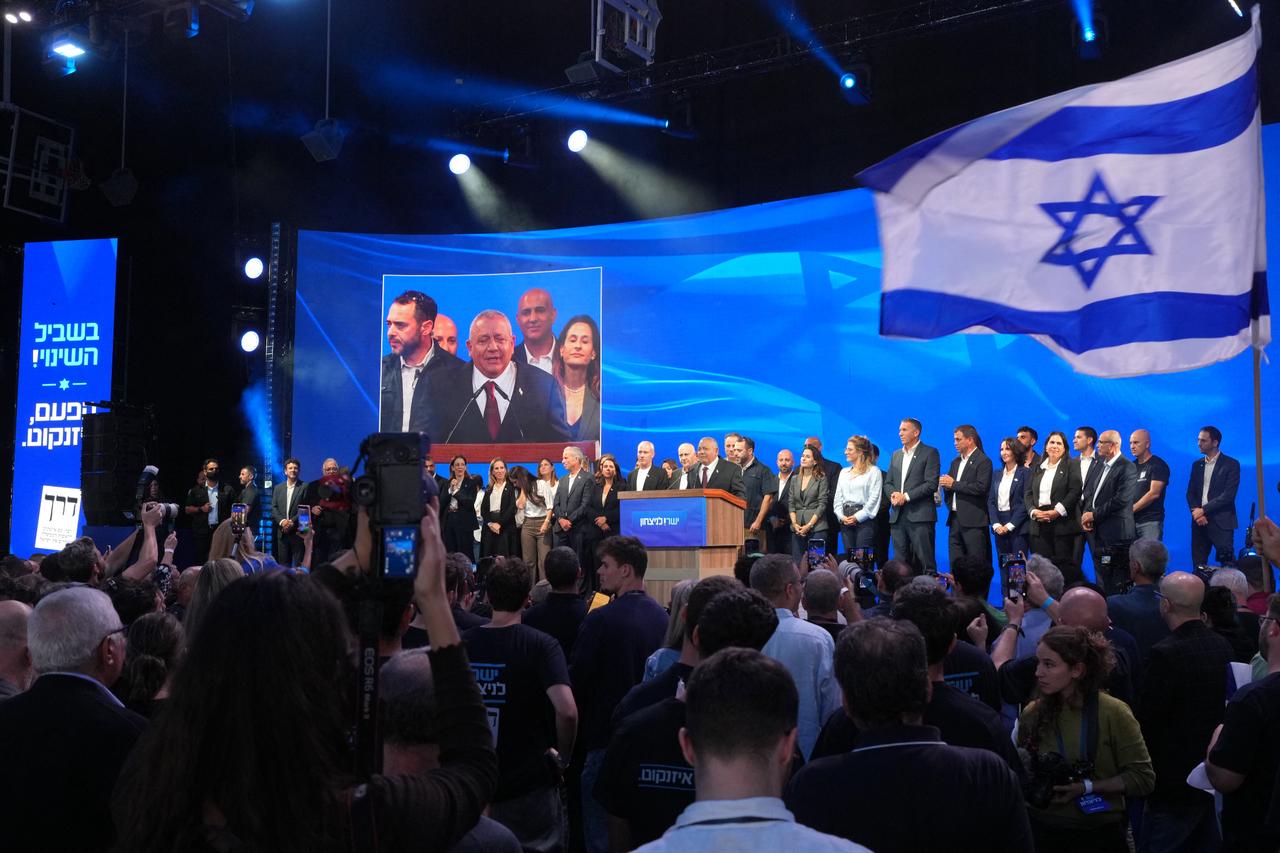
"We will extend a hand to all parties that support our principles," Eisenkot said, vowing to form a government "as quickly as possible."
Together, leader Naftali Bennett told activists his party was doing everything to help Eisenkot form a "Zionist repair government."
United Torah Judaism lawmaker Yehuda Weisfish said, "We don’t belong to any bloc. Whoever solves the conscription issue, we will go with."
New Ra’am lawmaker Yasser Hujeirat, who sparked outrage by appearing to call Hamas a "charity organization," said his remarks were distorted. "I did not say that Hamas is a charity organization, I do not think so, and that is not my position," he wrote, adding he condemns terror and supports Trump’s plan to disarm Hamas.
Eisenkot received 67 recommendations to Netanyahu’s 46.
The four Jewish opposition parties hold 48 seats, leaving him dependent on outside support from Ra’am, the Joint List or United Torah Judaism, as Abbas presses for a seat at the table.


 Set as preferred source
 Set as preferred source


 1 min read
 1 min read