Newsletters


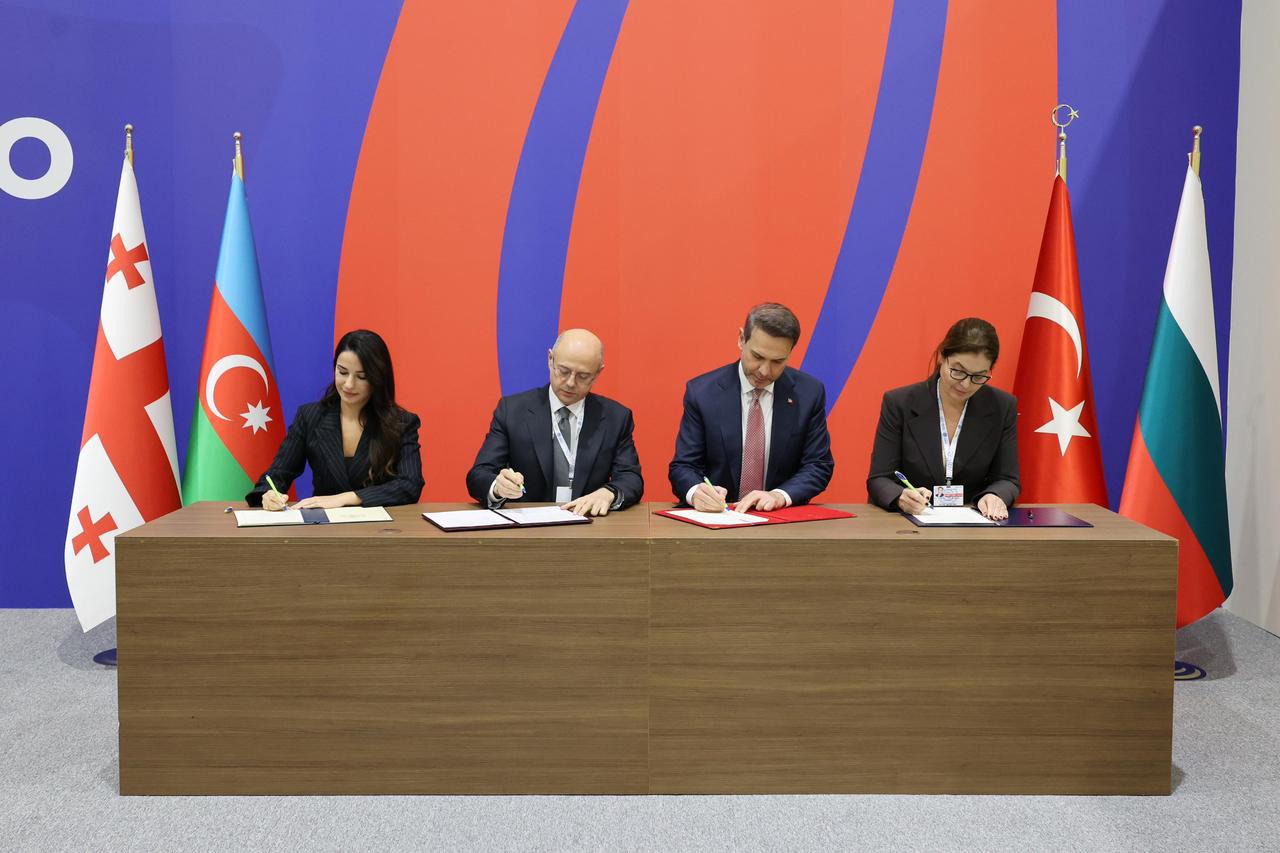


Türkiye, Azerbaijan, Georgia and Bulgaria have signed an intergovernmental agreement to advance a regional green electricity corridor designed to transport renewable power from the Caspian region through the South Caucasus and Türkiye to European markets.
The agreement, signed on Tuesday during the U.N. climate summit COP31 in Antalya, aims to strengthen cross-border electricity connections, expand clean energy trade, and improve regional energy supply security.
Türkiye's Energy and Natural Resources Minister Alparslan Bayraktar signed the agreement alongside Azerbaijan's Energy Minister Parviz Shahbazov, Bulgaria's Energy Minister Iva Petrova and Georgia's Deputy Prime Minister and Economy and Sustainable Development Minister Mariam Kvrivishvili.
The initiative, known as the Azerbaijan-Georgia-Türkiye-Bulgaria Green Energy Corridor, is designed to establish an integrated electricity transmission network connecting the four countries and providing access to European markets.
The corridor is expected to have an initial transmission capacity of 1 gigawatt (GW), according to Azerbaijan's Energy Minister Shahbazov, who outlined the target in September 2026.
The project is intended to facilitate exports of renewable electricity generated in Azerbaijan and other parts of the Caspian region, including Central Asia, to Türkiye and European markets.
Bayraktar has described the initiative as the "TANAP of electricity," drawing a comparison with the Trans-Anatolian Natural Gas Pipeline (TANAP), which carries Azerbaijani natural gas through Türkiye to Europe.
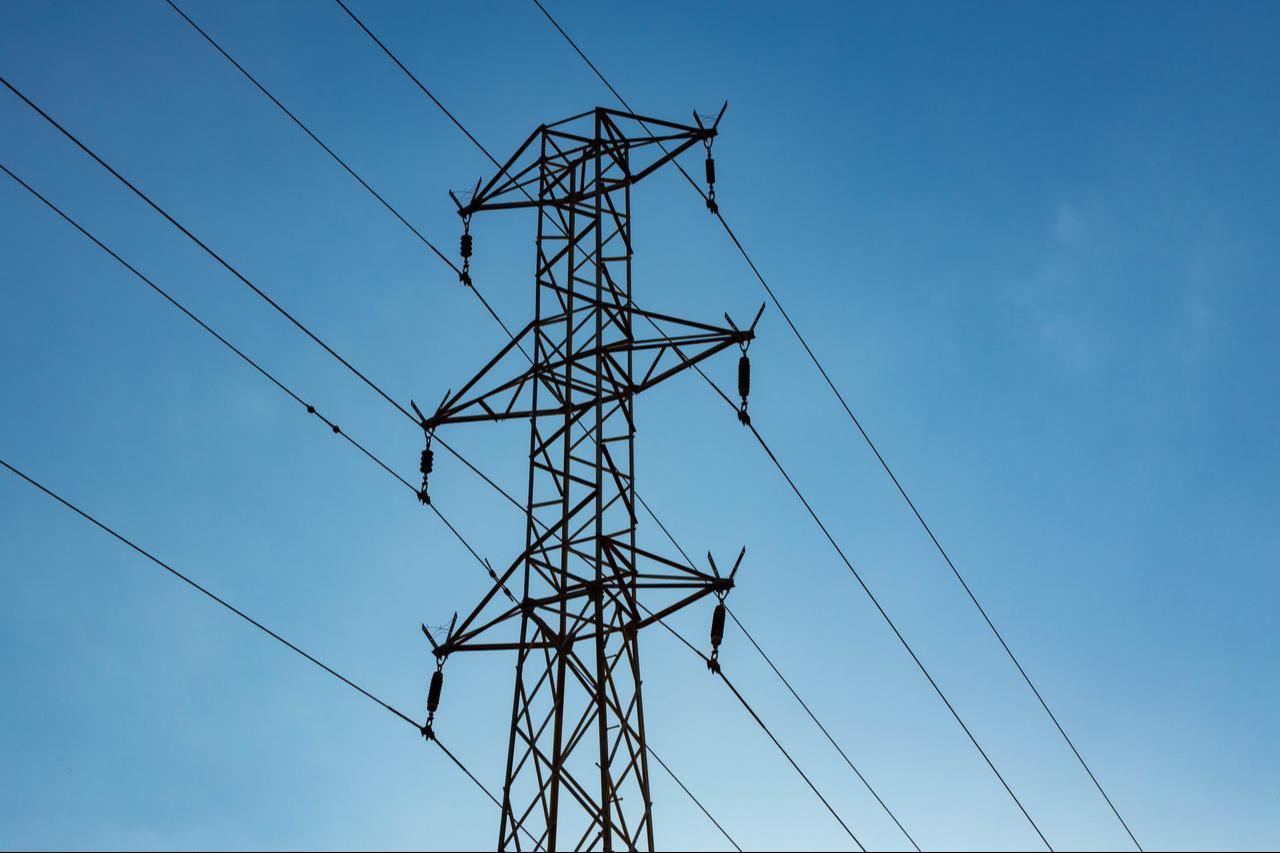
Rather than building an entirely new transmission network from the outset, the countries plan to make use of existing electricity infrastructure and gradually expand connections and capacity.
The project also requires coordination between national grid operators and the development of technical, commercial and regulatory arrangements for cross-border electricity flows.
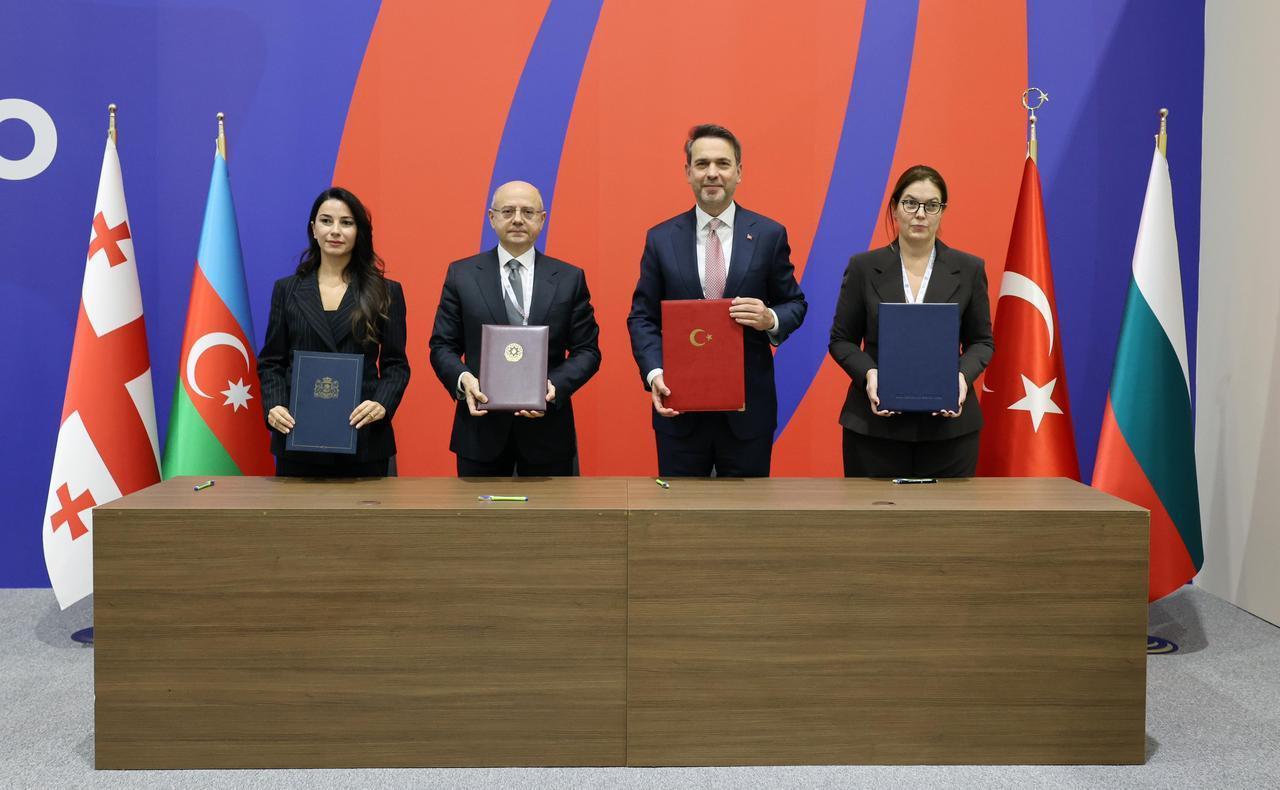

The initiative dates back to Nov. 22, 2024, when the four countries agreed to pursue new electricity connections at the Istanbul Energy Forum.
They formalized their cooperation on April 4, 2025, by signing a memorandum of understanding on green electricity transmission and trade in Baku.
The agreement established a framework for developing electricity interconnections and enabling renewable power generated across the four countries to reach different markets.
At a ministerial meeting in Istanbul on May 22, 2026, the countries agreed to prepare a roadmap outlining the measures needed to accelerate implementation.
The parties also discussed establishing a joint venture to advance the corridor, according to developments announced during the third ministerial meeting.

Under the latest intergovernmental agreement, the four countries aim to improve the cross-border transmission, distribution and commercial trade of electricity generated from clean energy sources.
The framework covers the technical, commercial and regulatory conditions required to ensure secure, reliable and uninterrupted electricity transmission between national grids.
Grid integration is another central component, with the countries seeking to improve coordination between their electricity networks and make better use of existing infrastructure.
The project also envisages expanding communication and data transmission through fiber-optic cables to support energy services.
Beyond infrastructure development, the agreement aims to diversify energy sources, increase clean electricity trade and establish a long-term strategic partnership among the four governments.
Bayraktar said the agreement moved cooperation that began in 2024 and advanced through the April 2025 memorandum of understanding onto a stronger intergovernmental footing.
"We have moved our cooperation, which we laid the foundations for in 2024 and advanced through the memorandum of understanding we signed in Baku in April 2025, onto a stronger footing with an intergovernmental agreement today," he said.
Describing the project's objective, the minister said the four countries wanted to deliver electricity generated from clean energy sources to European markets through the Azerbaijan-Georgia-Türkiye-Bulgaria route.
"At a time when electrification is accelerating, this step will strengthen energy ties between our countries, offer new opportunities for clean energy trade and contribute to Europe's security of supply," Bayraktar said.


 Set as preferred source
 Set as preferred source


 1 min read
 1 min read