Newsletters


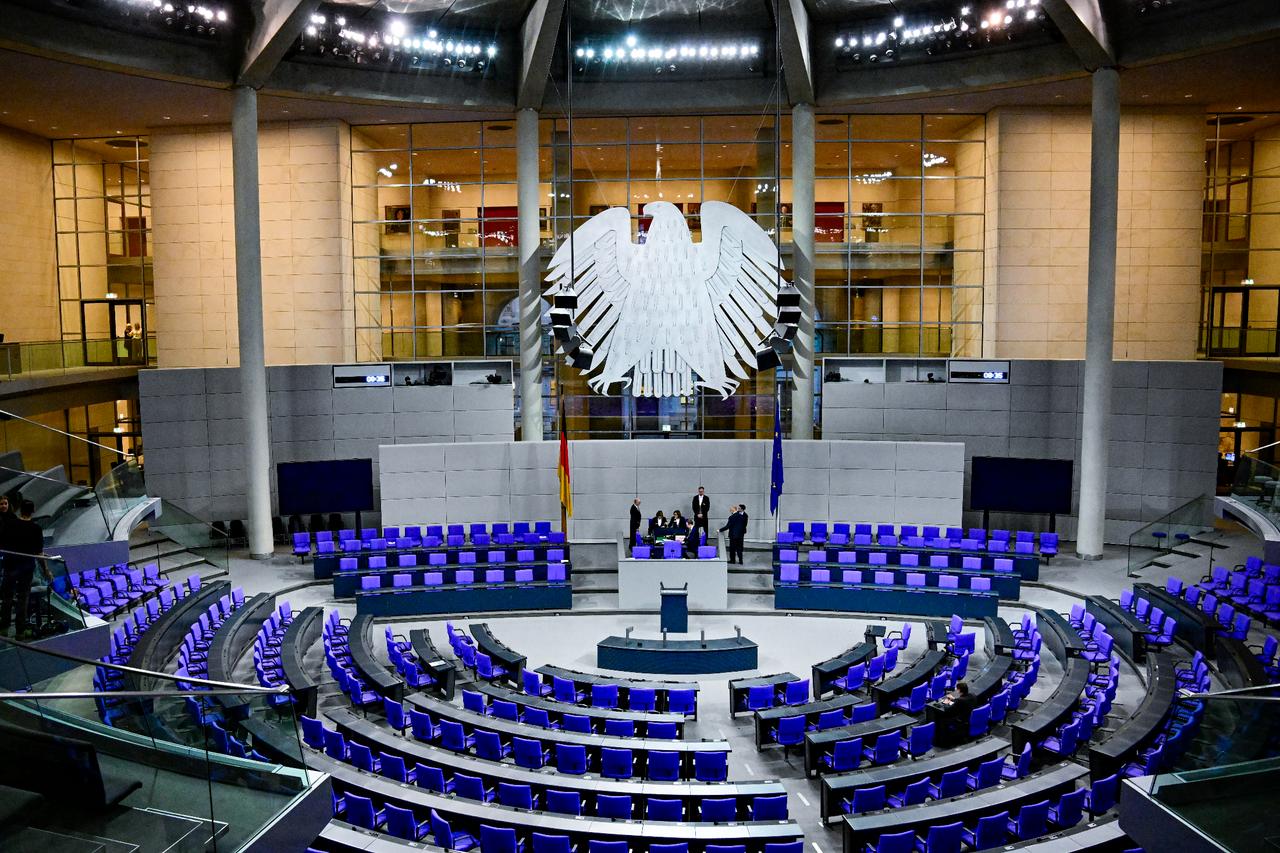


The German Bundestag on Friday approved a comprehensive reform of the country’s military service system, aiming to significantly increase the personnel strength of the Bundeswehr amid growing security concerns in Europe. The legislation, titled Modernization of Military Service, passed with 323 votes in favor, 272 against and one abstention, following weeks of political debate.
The reform is expected to clear the Bundesrat before the end of the year and enter into force on 1 January 2026.
Under the new system, all individuals turning 18 will receive a questionnaire designed to assess their motivation and suitability for service in the armed forces.
Completion of the form will be mandatory for males born on or after Jan. 1, 2008, who will be required to undergo a compulsory medical examination.
Although the framework prioritizes voluntary enlistment, the legislation enables the government to introduce needs-based compulsory service should recruitment fall short of targets. Any activation of such measures would require separate parliamentary approval.
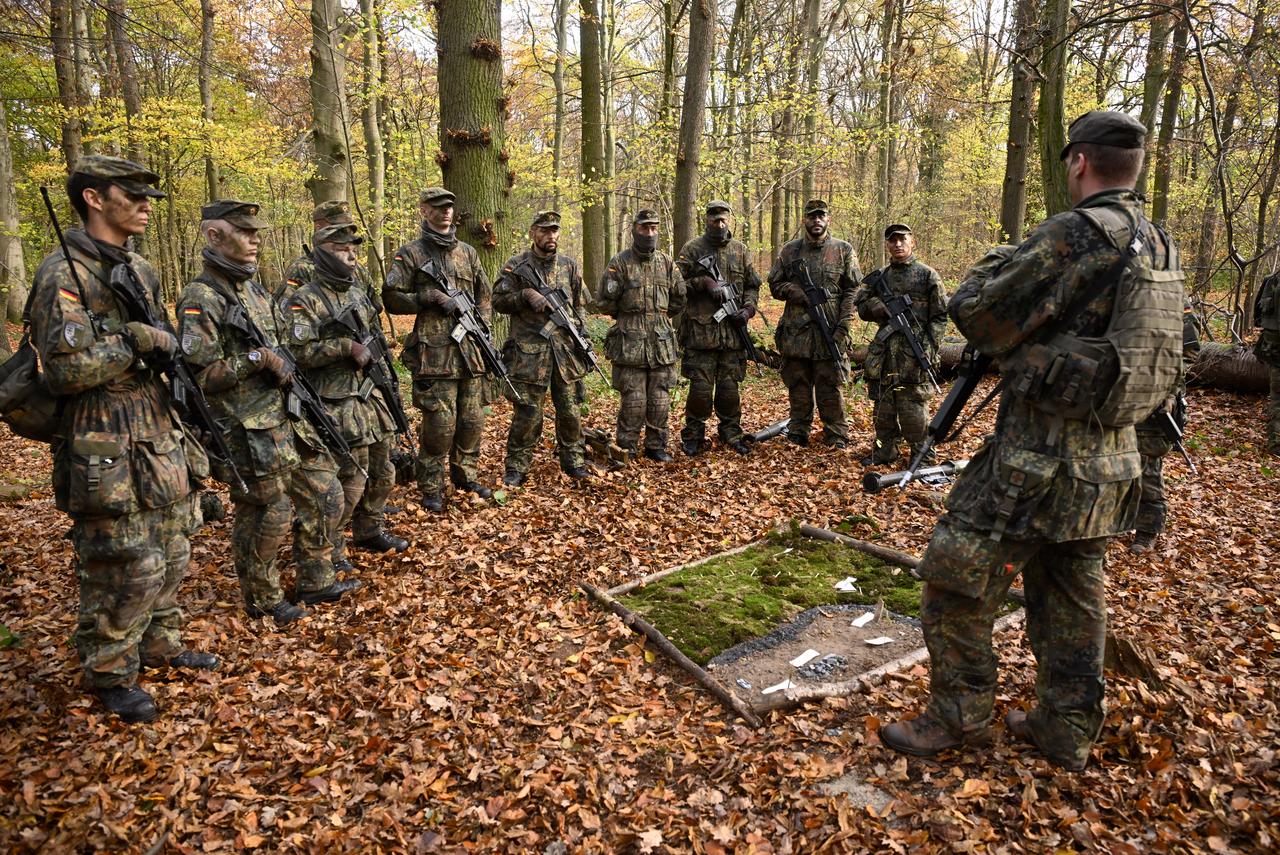

The government aims to expand total military capacity to 460,000 personnel by 2035, comprising:
Currently, the Bundeswehr employs roughly 182,000 active personnel and around 49,000 reservists. The Ministry of Defense intends to establish a system capable of evaluating up to 300,000 individuals annually, with medical examinations scheduled to begin on 1 July 2027.
Defense Minister Boris Pistorius (SPD) described the reform as a “decisive step” toward strengthening Germany’s defense readiness, asserting that allies expect Berlin to assume a greater role in European security.
The legislation exposed divisions within the governing coalition.
Chancellor Friedrich Merz (CDU/CSU) has advocated for a rapid expansion of military capabilities and emphasized the goal of building “Europe’s strongest conventional army.” Meanwhile, the SPD resisted calls for an immediate return to full conscription, arguing instead for a phased, volunteer-based approach.
Both the far-right Alternative for Germany (AfD) and the far-left Die Linke voted against the measure. AfD representatives warned that the reform could eventually lead to deploying German youths abroad, while Die Linke criticized the government for prioritizing military expansion over social investment.
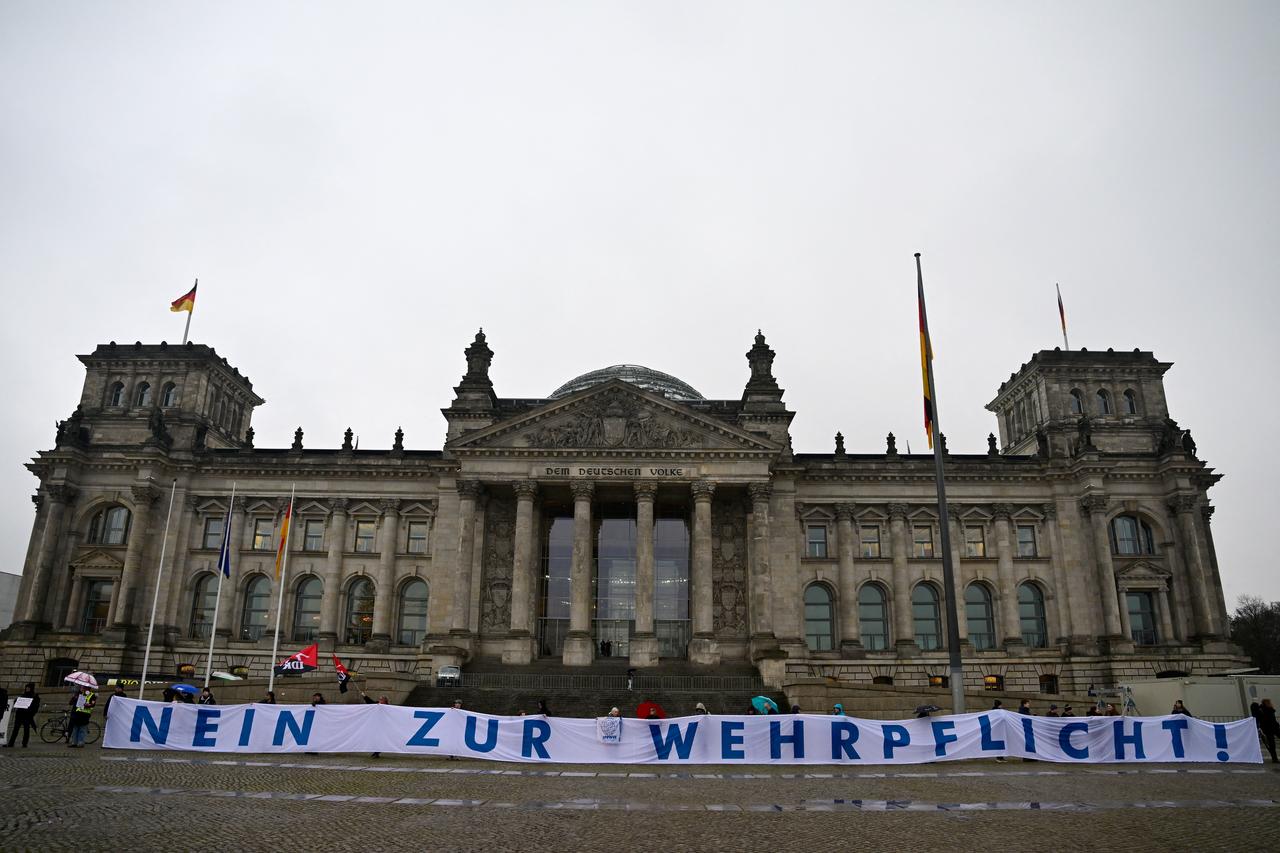
The Bundestag vote prompted widespread demonstrations across Germany. Thousands of students participated in coordinated protests in approximately 90 cities, including Berlin, Hamburg, Cologne, Stuttgart, Dusseldorf and Hanover.
In Berlin, over 3,000 students marched from Hallesches Tor to Oranienplatz, carrying banners reading “Vocational training instead of war,” “Who wants to go to war?” and “Joining the army is not on my list.”
Many parents joined the demonstrations to show support for the students.


 Set as preferred source
 Set as preferred source


 1 min read
 1 min read