Newsletters


Although 37 years have passed since the fall of the Berlin Wall, which divided Germany’s capital from 1961 to 1989 and was dubbed the “wall of shame,” German citizens still keep their memories of that era alive.
The 156-kilometer (97-mile) Berlin Wall, which split the city of Berlin and Germany for 28 years, fell on Nov. 9, 1989.
The fall of the wall marked a turning point for both Germany and Europe while also accelerating the process that led to the end of East Germany, the German Democratic Republic (GDR) regime.
Defeated in World War II, Germany was divided into four zones by the United States, Britain, France and the former Soviet Union.
In 1949, the administrations of the zones controlled by the U.S., Britain and France merged to form the Federal Republic of Germany (FRG), while the GDR was declared the same year in the zone under Soviet rule, splitting Germany in two.
Between 1949 and 1961, about 3 million people, including many educated and skilled young people, fled to the West from East Germany, whose economy was steadily worsening.
To stop the exodus, the GDR leadership secretly decided on Aug. 12, 1961, to close the border in Berlin.
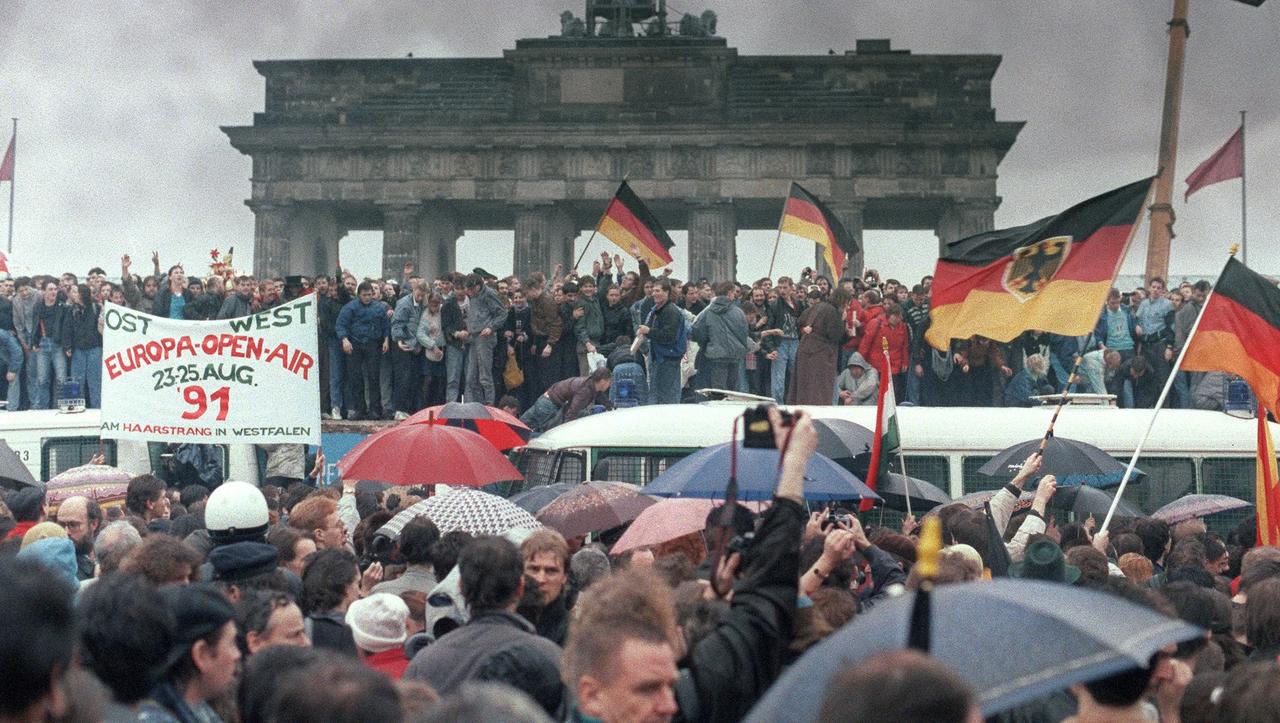

On the morning of Aug. 13, 65 years ago, East German soldiers sealed off the Soviet-administered zone with barbed wire. When the wire failed to stop the escapes, construction of the 3.6-meter-high (11.8-foot) Berlin Wall began on the night of Aug. 17.
Built in 1961 to prevent people in East Germany from fleeing to West Germany, the 156-kilometer concrete wall stood for years as the symbol of the Cold War in the 20th century.
Some 138 people died trying to cross the wall and reach West Germany, but 5,075 people managed to overcome the barrier and escape to the West before it fell on Nov. 9, 1989.
The reunification of East and West Germany is celebrated every year on Oct. 3 with official ceremonies attended by all top state officials, and the day is a public holiday. Germany does not mark Nov. 9 as reunification day because the date is also remembered as Kristallnacht, when the Nazis attacked Jewish homes, businesses and synagogues in 1938.
Also referred to as the “Iron Curtain,” the Berlin Wall left deep scars on the country’s people. Remnants of the wall can still be visited in parts of the city.
Ahead of the 37th anniversary of the wall’s fall, visitors to the Berlin Wall Memorial shared their views with Anadolu Agency.
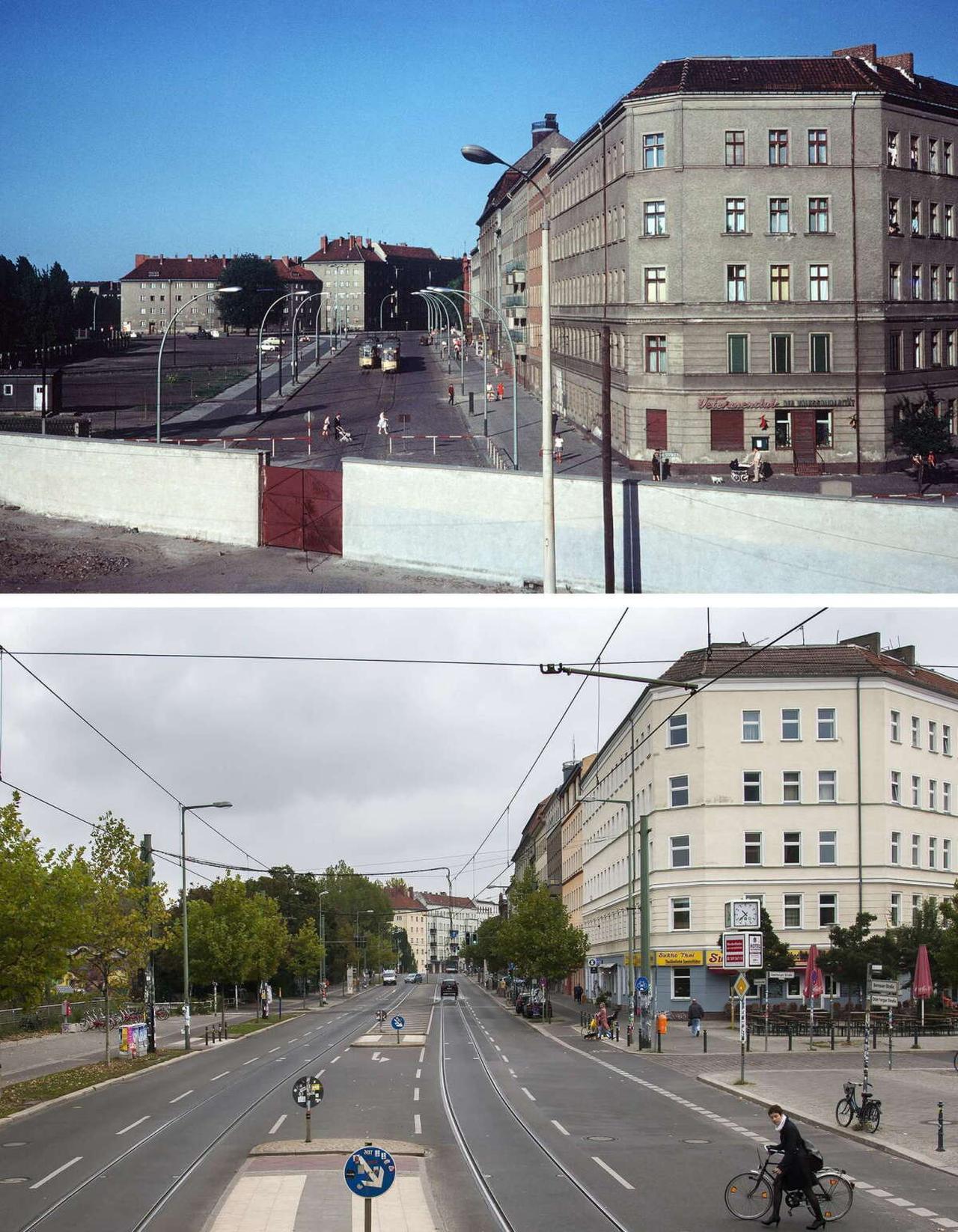
Andrea-Barbara Czeskleba, who visited the memorial in a wheelchair, described the fall of the wall in 1989 as a big surprise. “But it was a very pleasing surprise because over the years I always felt sorry for the people in the GDR, and I had relatives there whom I had visited. I found it (the fall of the wall) truly wonderful. At first I couldn’t believe it was real, but I welcomed it very much,” she said.
Czeskleba said that after the wall came down, she visited a cousin who lived in Chemnitz with a spouse and daughter, adding that the family was very happy to be able to travel but had no jobs and almost no money.
Noting that she still remembers that period and finds it harrowing when she visits the memorial, Czeskleba said: “Memories come back of visiting my relatives in the GDR as a young adult, how they stood in line for food and bed sheets, how they tried to offer us the best, which they never had to do. We also had great difficulty spending GDR money because there was nothing available. And this feeling of being in prison, all of it comes back.”
She said the site also reminds her of what the GDR looked like and described the border crossings as terrifying.
Reacting to those who believe the wall should not have come down, Czeskleba said: “East Germans are still insulted, and I constantly hear remarks like ‘It would have been better if the wall had never opened, never fallen, or if it were rebuilt.’ I find all of this very bad, because how can people be imprisoned?”
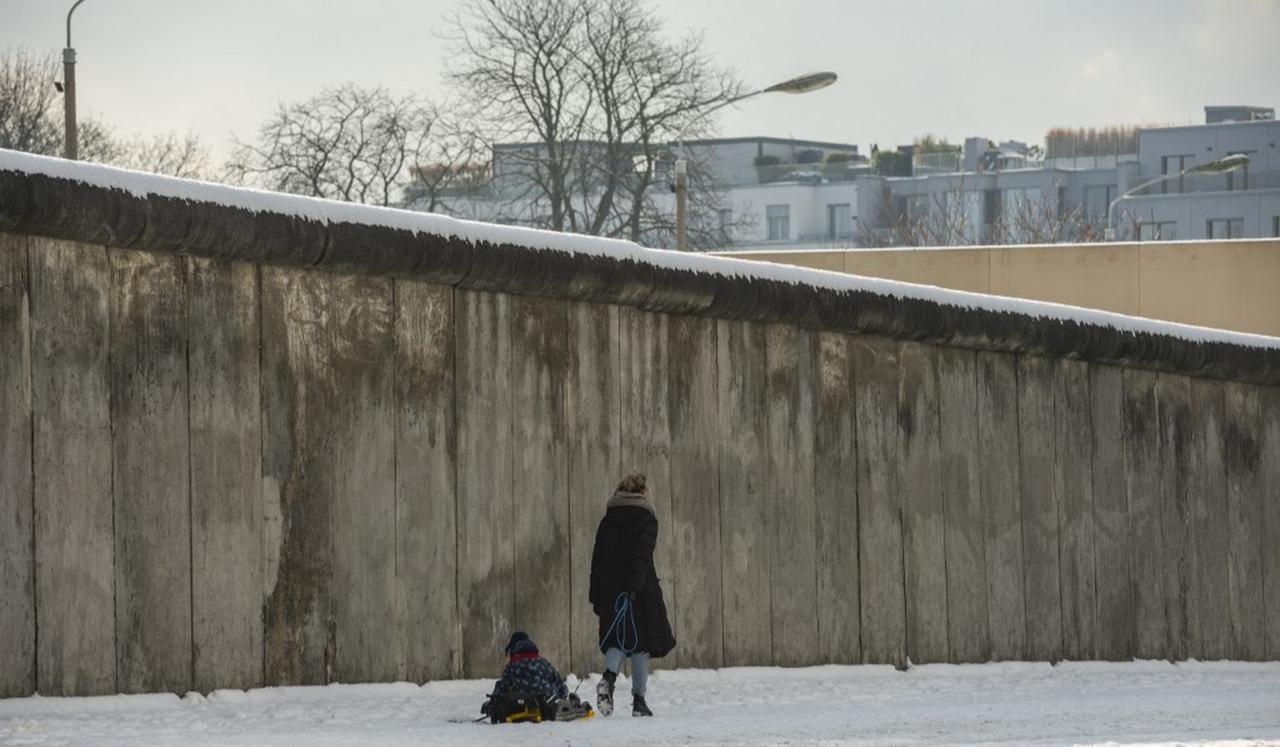
Berthold Just, who lives in Bayreuth, said he happened to be in East Germany when the Berlin Wall fell.
Recalling that he traveled to East Germany with Junge Union, the youth organization of the Christian Democratic Union (CDU), Just said: “We had applied for the trip a long time before. Nothing could be changed that day, so even as we entered Meiningen, we felt ‘something is wrong here.’ The guide assigned to us by the GDR struck the front panel of the bus with both hands and said, ‘The border cannot be opened; that would mean dissolving this state.’ I thought he might be right about that.”
Just said that later in the day, he saw people sitting on top of the wall in Berlin on television.
Just said he knew full reunification of the two Germanys would pose some difficulties but was optimistic it would succeed. “We soon had business connections in the East too, and you had to trust people a little. Of course, problems may come up now and then, but overall we can say that many things have fallen into place,” he said.
Albert Harms, who worked at a ministry in North Rhine-Westphalia state in the 1980s, said he heard on the radio late at night, while returning from the ministry in Dusseldorf, that the wall had fallen. “The news affected me so deeply that I first pulled into a parking area along the highway to take it in. It was unbelievable,” he said.
Harms, who traveled to East Germany with a delegation from North Rhine-Westphalia in April 1989, said: “We did not think it (the fall of the wall) could happen even within the next two generations.”
Harms said then North Rhine-Westphalia Premier Johannes Rau was in contact with the opposition in the GDR, so they knew something might happen there.
Saying the two sides of Germany and their people can be considered partly united today, Harms said: “Sometimes in certain areas, and of course as current election results show, there are differences in these areas. There are explanations for these differences. But in my view, the realization of what (former German Chancellor) Willy Brandt said back then, ‘Now what belongs together will grow together,’ will take another generation, I think. We won’t see it in the next decade either. I think unity will be achieved after that, but the process will continue.”


 Set as preferred source
 Set as preferred source


 3 min read