Newsletters


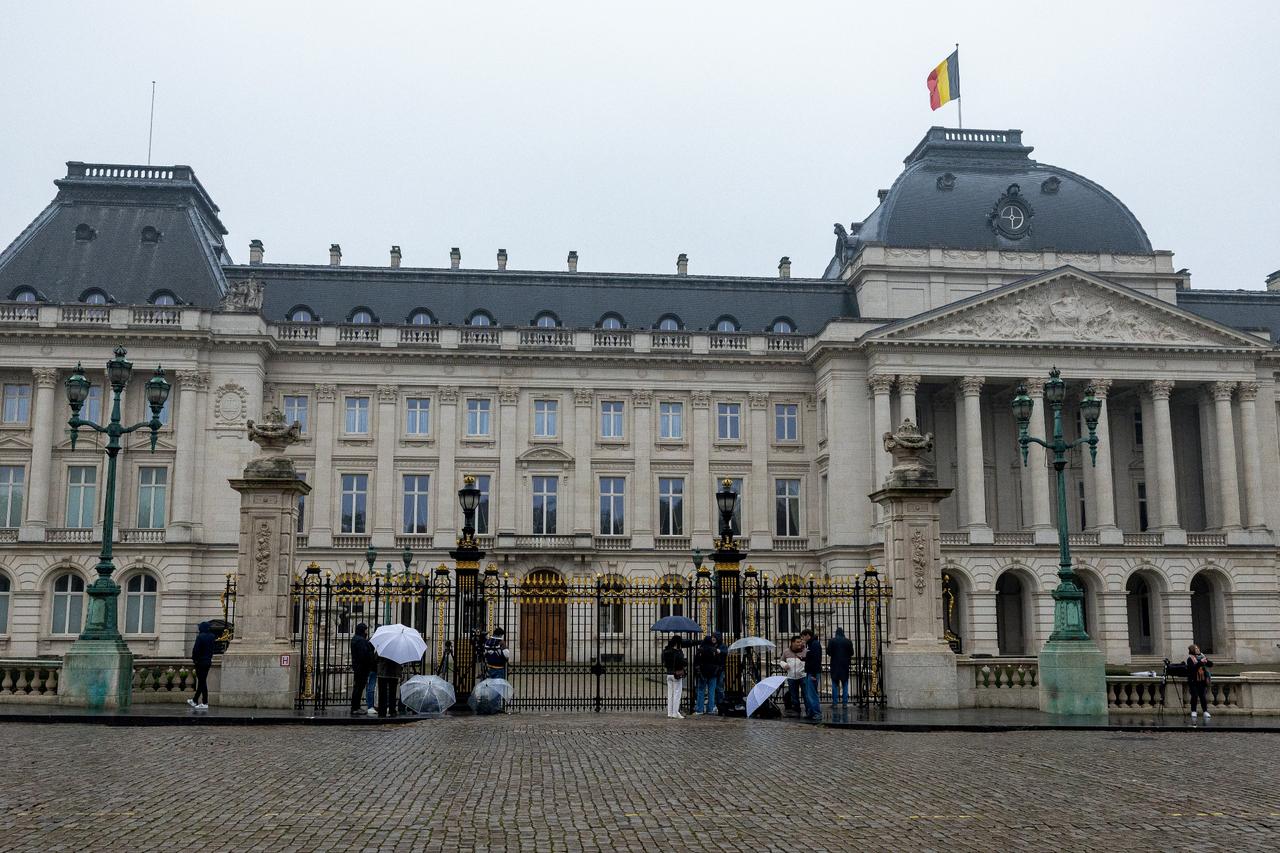


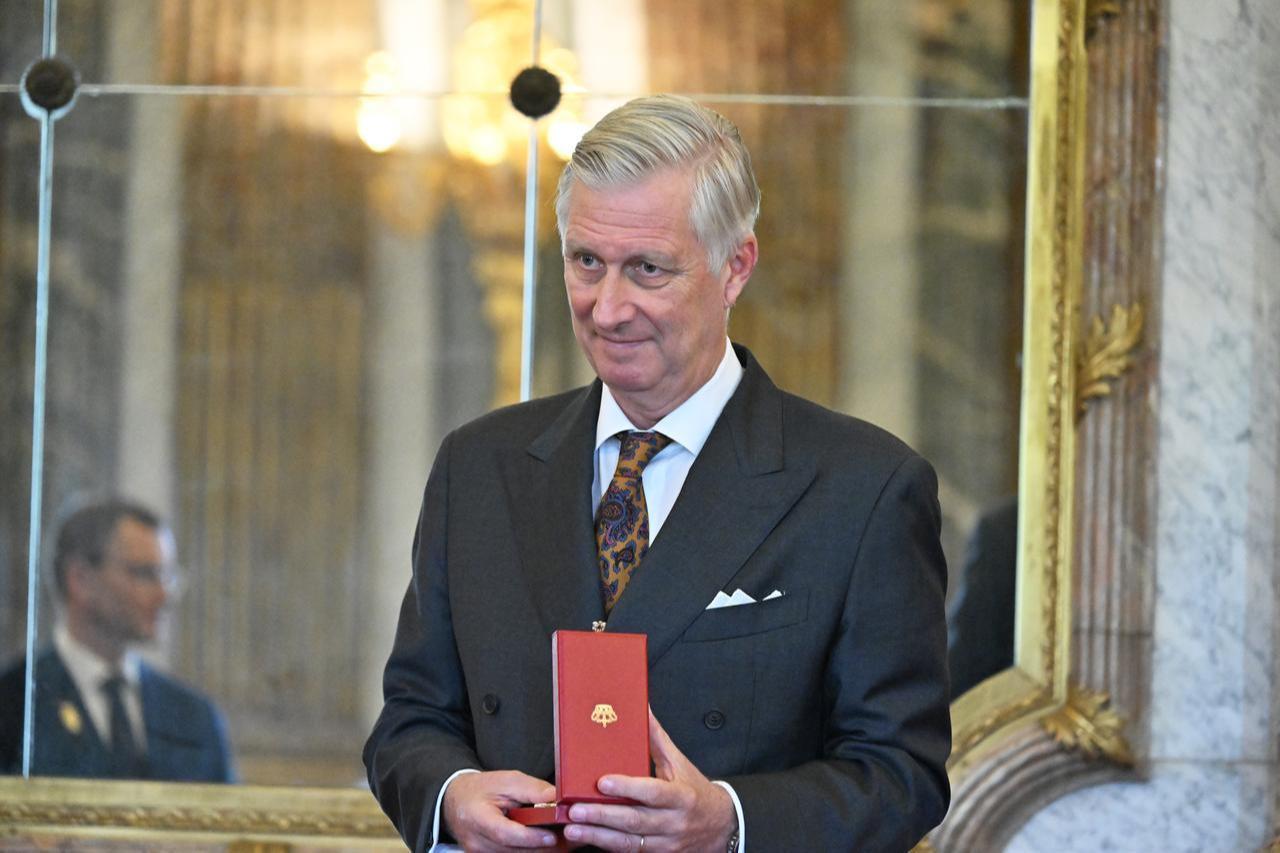
Belgium’s King Philippe on Friday refused Prime Minister Bart De Wever’s offer to resign and gave the governing coalition more time to thrash out a new cost-cutting budget, the palace said.
“The king has decided to reject the prime minister’s resignation and has asked him to resume budget negotiations immediately. The prime minister will report back to the king on Monday, November 16,” a statement said.

De Wever, a Flemish conservative whose New Flemish Alliance (N-VA) has led a five-party center-right coalition since February 2025, offered his resignation on Monday after coalition partners failed to reach agreement on the 2027 budget.
A similar budget impasse occurred a year ago, when De Wever came close to tendering his resignation.
Philippe held off from accepting the resignation and spent the week consulting parties in the governing alliance in search of a compromise.
De Wever told parliament a day ahead of his Friday audience with the king that 2027 would begin under a stopgap budget based on the previous fiscal year.
He described the failure to adopt a full 2027 budget as a “serious setback” for the government.
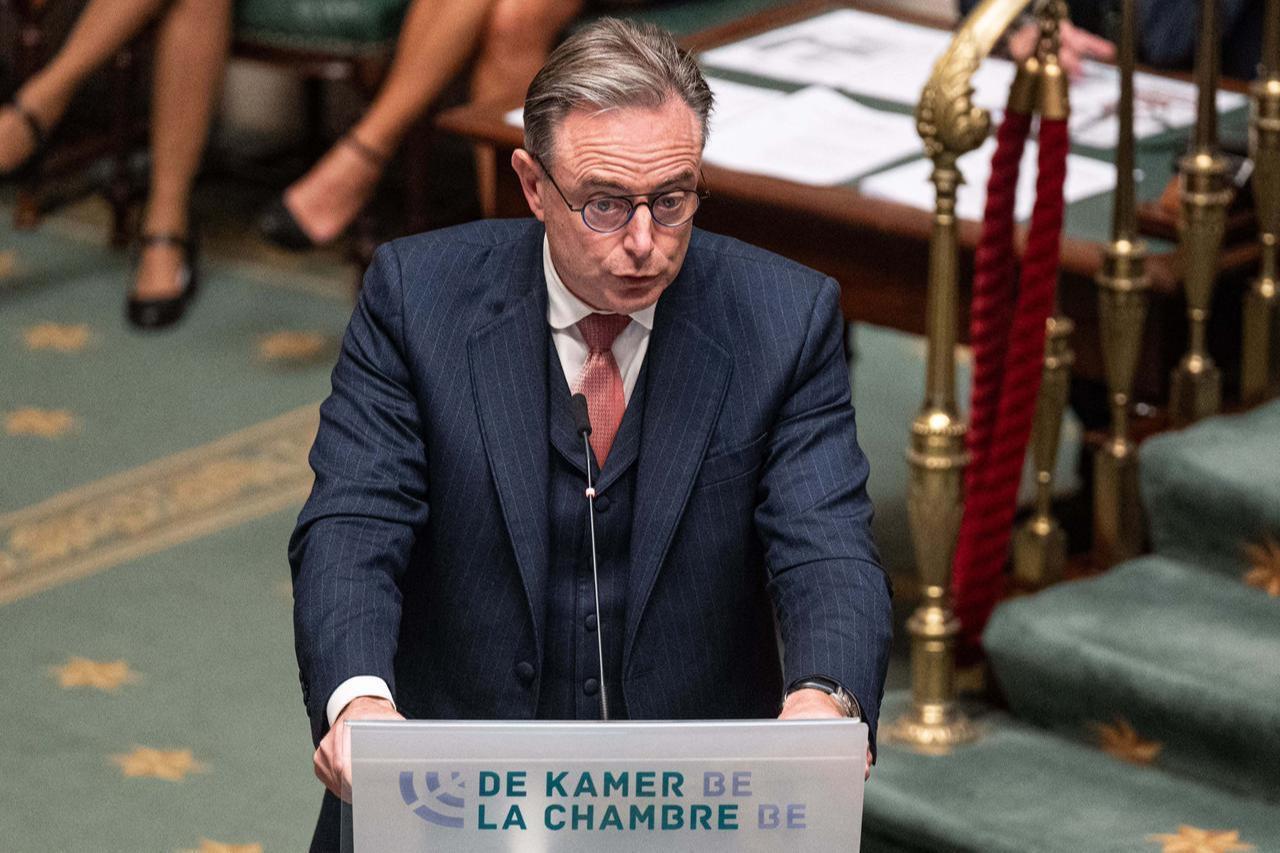
De Wever is seeking budget savings of 10 billion euros ($11.6 billion) by 2029 to curb Belgium’s deficit, which exceeds 5% of GDP.
Proposed measures have included spending cuts, notably in healthcare, and a VAT increase that is opposed by one of the coalition members, the francophone liberal Reformist Movement (MR).
The MR argues that tax hikes would fuel inflation. Economy Minister David Clarinval, an MR member, warned that “the level of taxation under discussion remains far too high and far exceeds what was set out in the coalition agreement.”
Coalition divisions have deepened under pressure from unions protesting austerity measures, with rolling demonstrations drawing tens of thousands of people into the streets in recent months. One protest, on Oct. 9, ended in violence and vandalism.
Belgium’s main employers’ organization, quoted by the Belga news agency, warned of the dangers of a political crisis at a time when “markets are paying increasingly close attention to Belgium.”


 Set as preferred source
 Set as preferred source



 1 min read