Newsletters


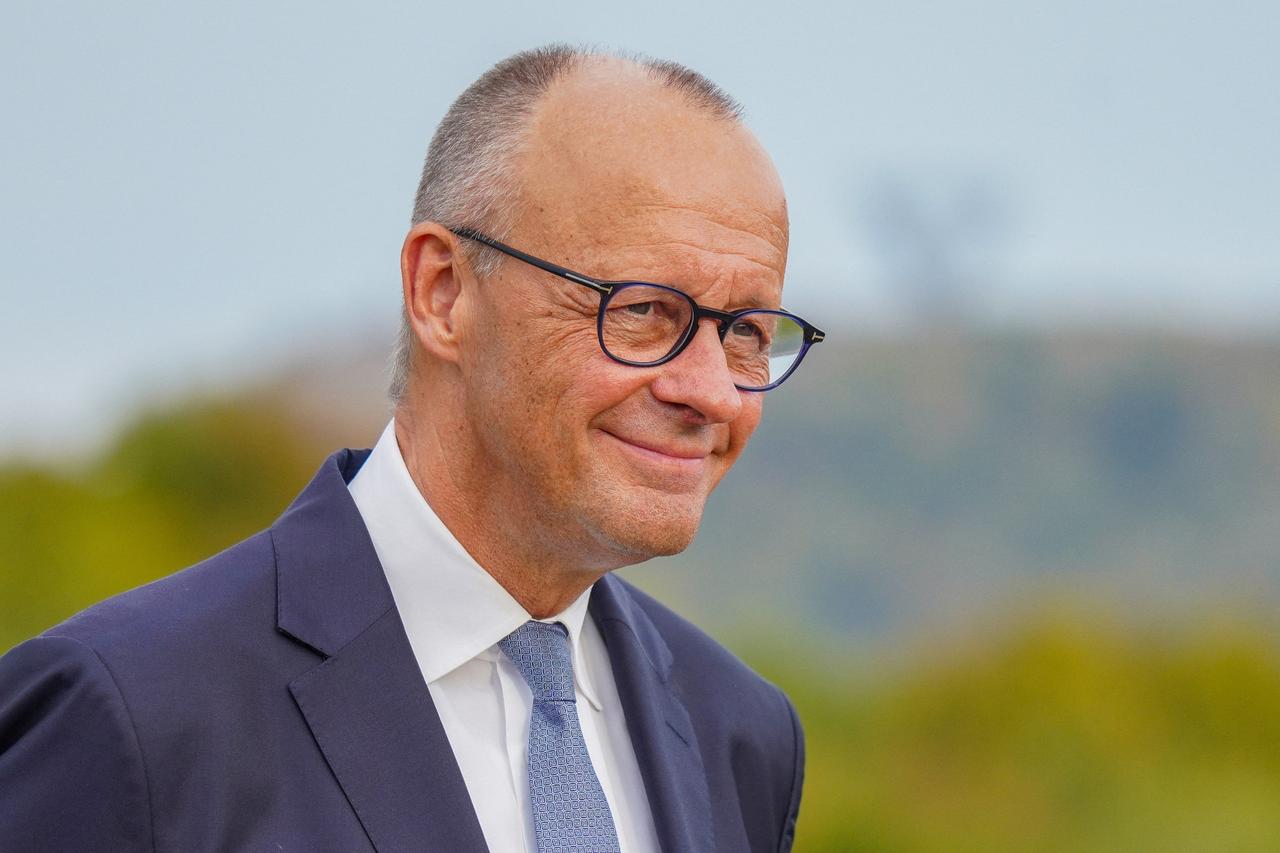


Germany and five other net contributors have threatened to withhold agreement on the EU's 2028-2034 budget unless "hundreds of billions" of euros are cut from the European Commission's proposed €2 trillion ($2.26 trillion) plan, according to a letter seen by the Financial Times.
The EU budget "must be fundamentally reformed. We must make choices," says the letter, signed by the leaders of Germany, the Netherlands, Sweden, Denmark, Austria and Finland.
The seven-year budget requires unanimous approval by all 27 member states.
The six countries account for about 40% of EU budget revenues, giving their threat significant weight.
"Unless the budget is cut by hundreds of billions, there won't be an agreement this year," a diplomat from one of the signatory countries told the Financial Times (FT).
The six leaders want to shift resources toward defense and innovative companies while reducing funding for farmers and poorer regions, which traditionally absorb about two-thirds of the budget.
The leaders described the proposed 60% increase over the current budget as unrealistic, and said the burden would fall on European citizens even if new revenue sources are created, Politico reported.
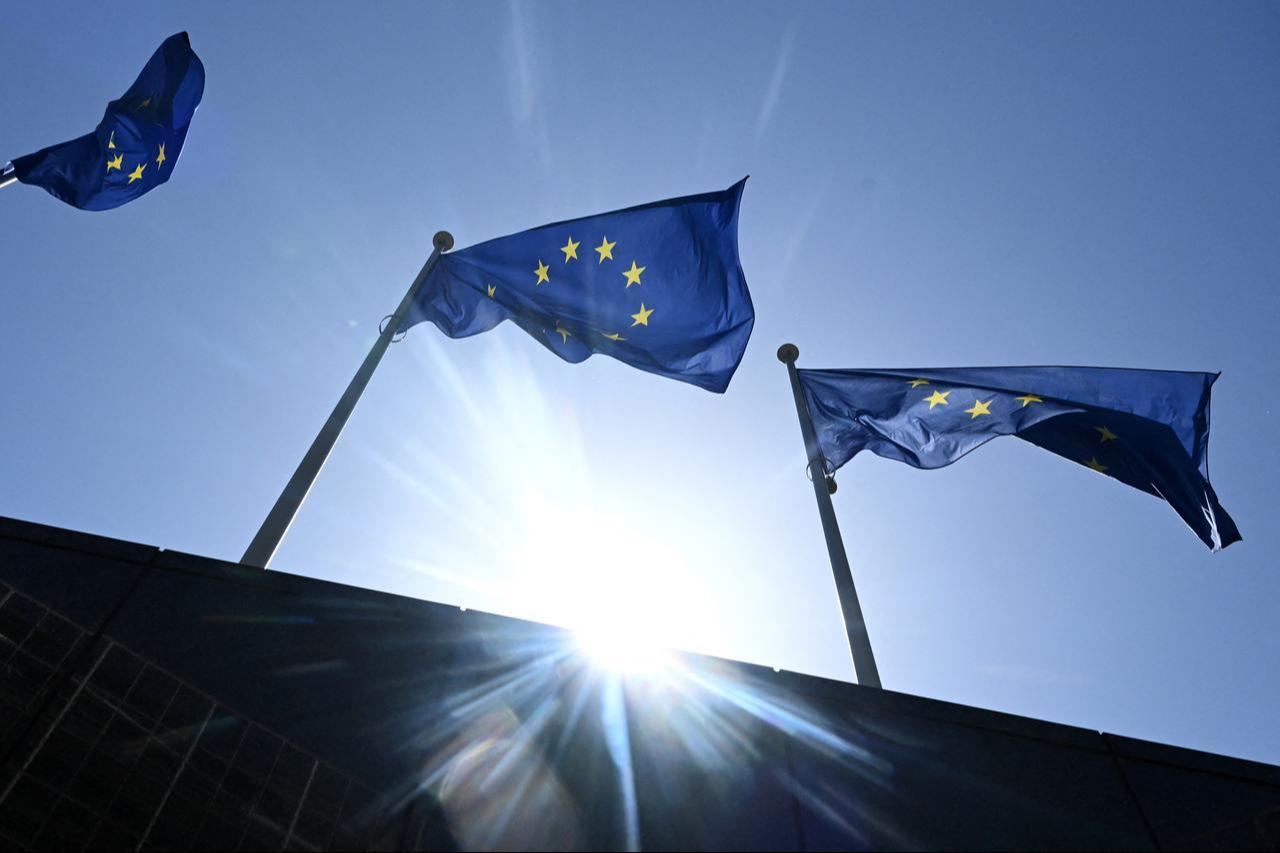

A group of 17 countries, including Spain and Italy, insist that farm and regional funding should increase and that the overall budget should exceed €2 trillion.
Some also want the EU to issue more joint debt, a taboo for Berlin and its allies.
France, a net contributor but the largest beneficiary of farm subsidies, is pushing for EU-wide taxes to fund higher spending. The Commission has proposed raising about €60 billion ($68 billion) a year through such levies, though each has faced resistance.
Ireland, which holds the rotating EU presidency, is tasked with producing a compromise proposal by mid-October. EU leaders are set to discuss the budget at an Oct. 15-16 summit in Brussels.
The six countries' threat runs counter to a June commitment by EU leaders to reach a deal this year, before elections in France, Italy, Spain and Poland could complicate negotiations.
A spokesperson for European Council President Antonio Costa said all leaders had agreed to reach a deal by year-end.
"Between now and the end of the year, at the latest, the goal will be to close the gap" and reach "a balanced overall agreement," the spokesperson said.
The new EU budget must be agreed in time to take effect on Jan. 1, 2028.


 Set as preferred source
 Set as preferred source


 2 min read
 1 min read