Newsletters


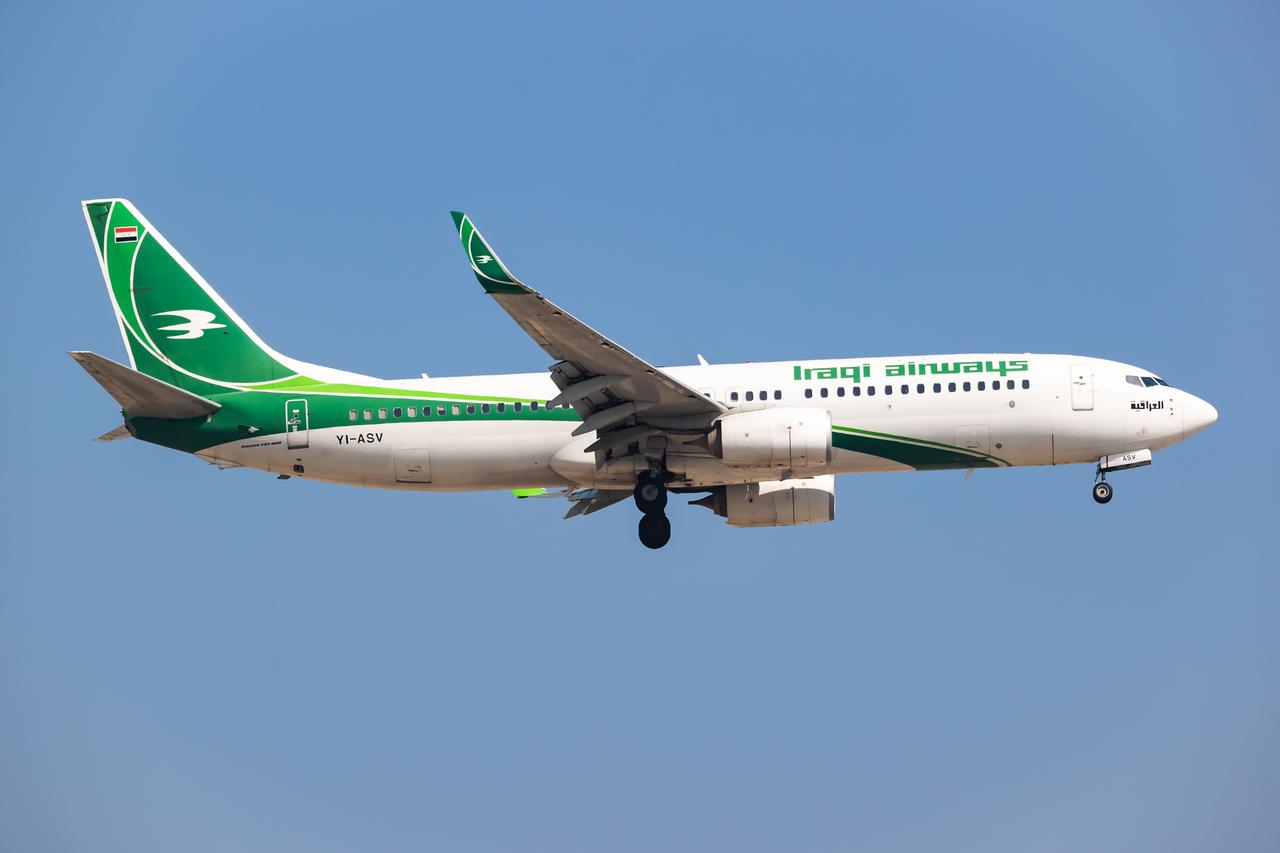


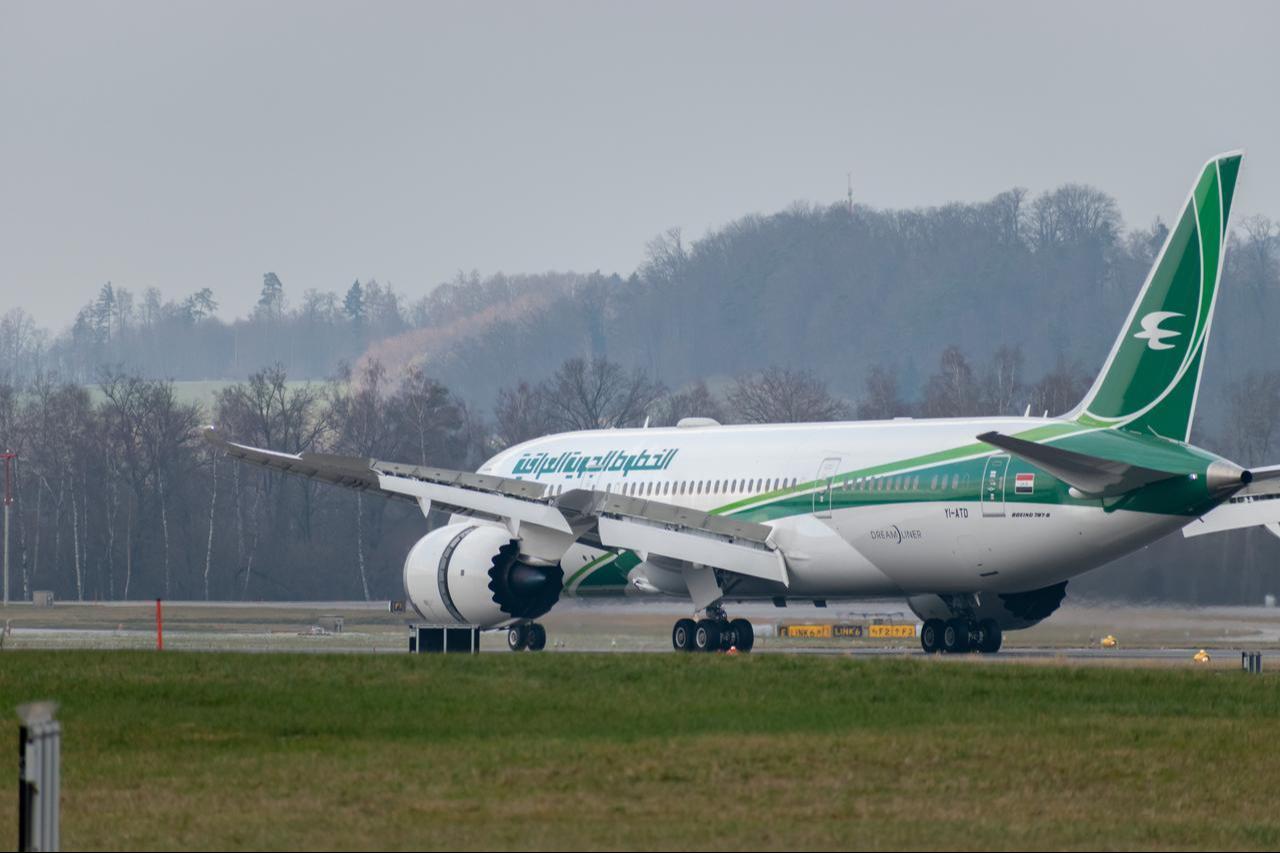
The U.S. granted a sanctions waiver allowing Iraqi Airways to carry Iranian pilgrims to and from Najaf, Iraq, until Monday, exempting the flights from the latest wave of sanctions under strict limits on passengers, routes and cargo.
The Iraqi government had said Saturday that it was in talks with the U.S. to secure an exemption after sanctions on Iran's aviation sector took effect. The U.S. later granted the waiver, allowing Iraqi Airways to operate flights for Iranian religious pilgrims under the license.
Passengers can carry personal luggage, while other cargo is restricted to items necessary for flight safety. The license bars bulk cash as well as cargo intended for Iranian intelligence, military or law enforcement bodies.
The waiver does not cover blocked persons, including individuals affiliated with the Iranian government. Iranian military personnel and people affiliated with Iran-aligned armed groups in Iraq are also prohibited from using the flights.
Iraqi Airways must report to OFAC within 10 business days after the license expires. The report must include the total number of passengers carried, their names and passport numbers, as well as spending in Iran on fuel, maintenance, and other airport-related services.
The authorization remains valid until the permitted transactions are completed or Oct. 28, 2026, whichever comes first. OFAC retains the authority to revoke or modify it, including if Iraq fails to uphold its commitment to restrict other Iranian flights from entering or transiting Iraqi airspace.

The U.S. has tightened its grip on Iran's aviation sector as part of a broader wave of economic sanctions under Operation Economic Outcast, a campaign launched by the Treasury Department on Aug. 24 to target what Washington described as the remaining economic lifelines supporting the Iranian regime.
The sanctions campaign expanded to the aviation sector on Sept. 8, when the Treasury Department's Office of Foreign Assets Control (OFAC) sanctioned 36 targets for supporting Iran's aviation industry.
Washington then set a Sept. 23 deadline for foreign airports and aviation companies to stop providing services to Iranian airlines, putting further pressure on Iran's international air links.
Iraq ordered its civil aviation authority to suspend Iranian flights to Baghdad from midnight Sept. 23. Two days later, Najaf International Airport suspended all flights to and from Iran from 2 a.m. on Sept. 25 until further notice, citing directives from Iraqi authorities.
The move immediately disrupted flights at Najaf. Authorities prevented passengers from boarding a Mahan Air aircraft and required the plane to return to Mashhad without passengers.
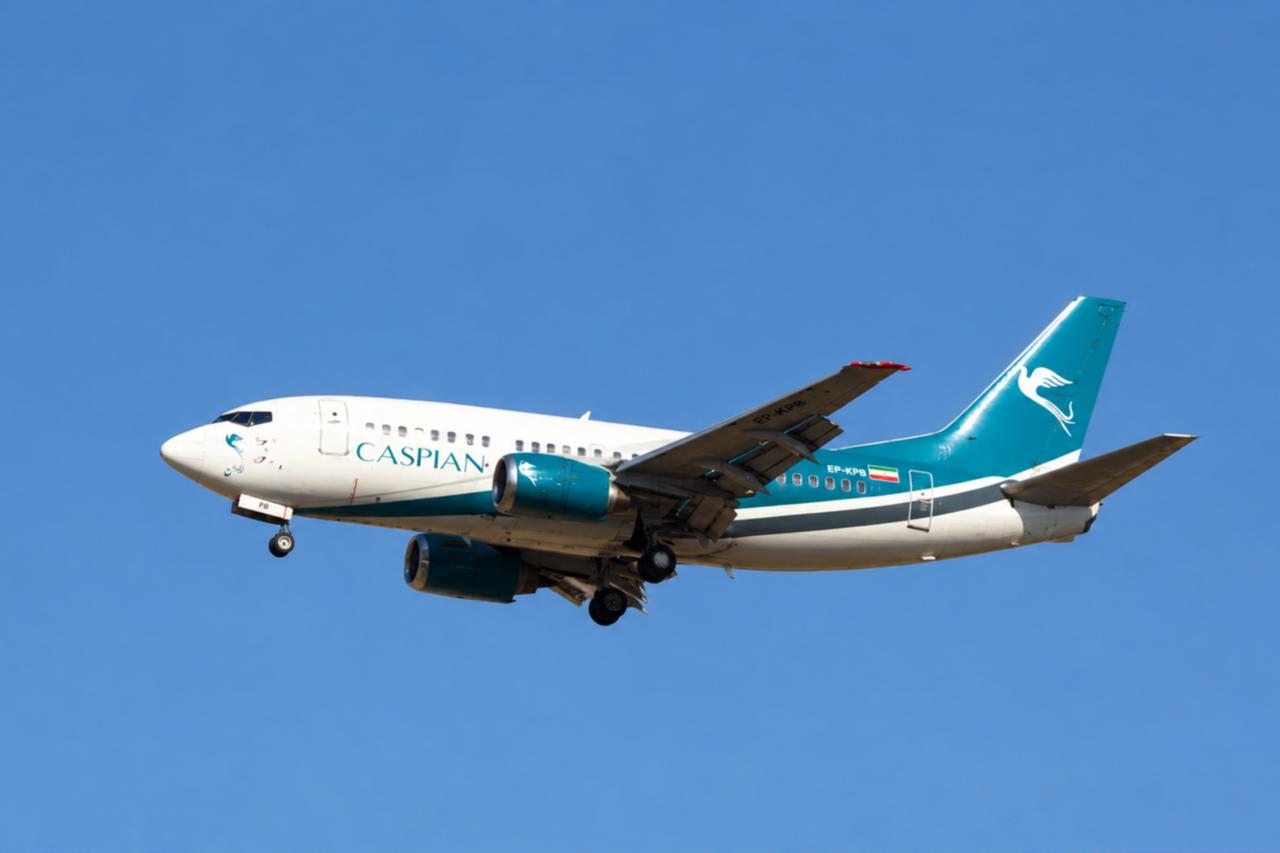
Iranian airlines continue to operate some international routes, including flights to China, Thailand and Afghanistan, but several regional destinations have suspended or restricted their services. Azerbaijan, Georgia, Iraq, Oman and the UAE have all moved to restrict Iranian flights.
Türkiye remains among the destinations where some Iranian carriers continue to operate. Two people familiar with Iran's aviation industry told Türkiye Today that all Iranian flights to Türkiye are expected to be suspended in early October, although Turkish authorities have not announced such a move.


 Set as preferred source
 Set as preferred source


 1 min read
 1 min read