Newsletters


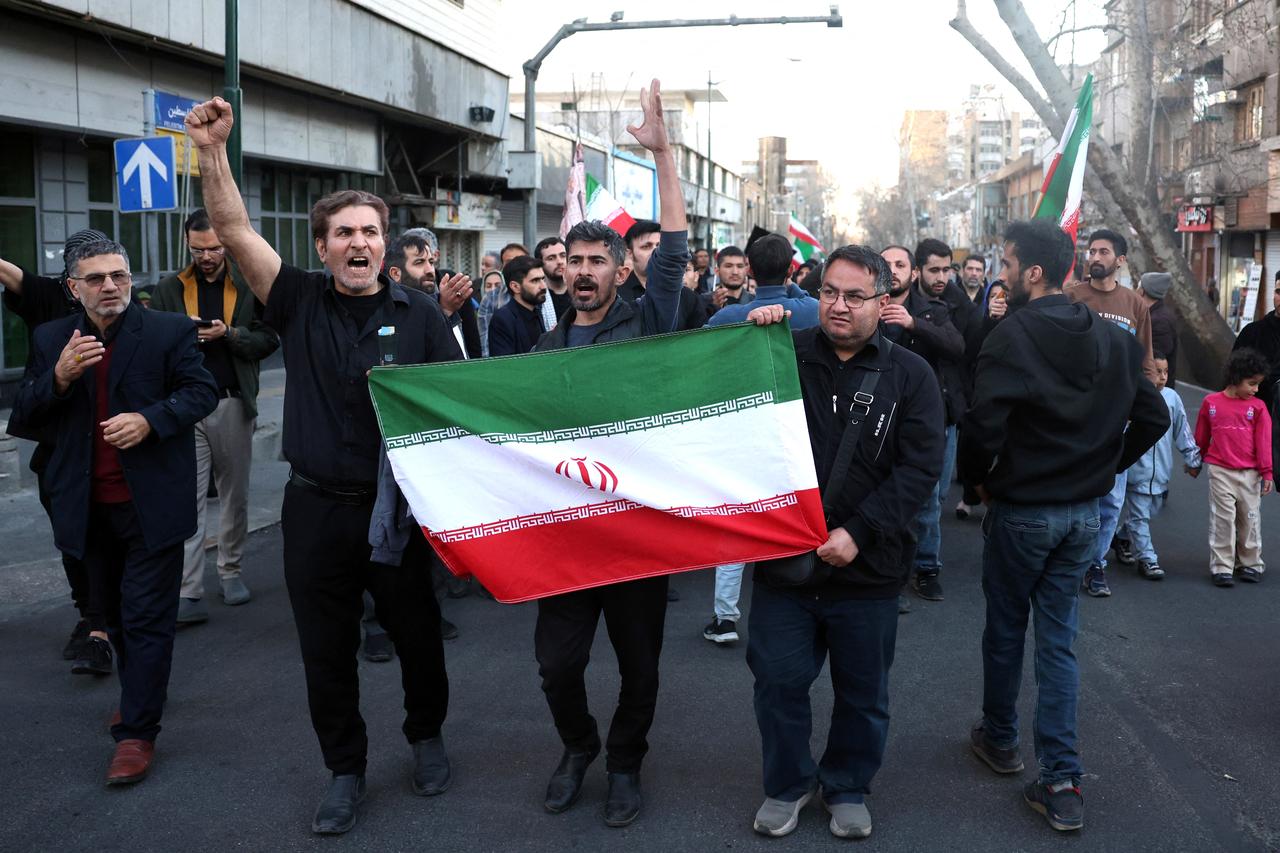


German Chancellor Friedrich Merz said it is unclear whether political change in Iran can be achieved through external military intervention, stressing that understanding the country’s internal dynamics is extremely difficult.
Speaking to reporters in Berlin about the U.S.-Israeli attacks on Iran, Merz said Germany shares common interests with the U.S. and Israel in ending what he described as the Iranian regime’s terror and halting its dangerous nuclear and ballistic weapons programs.
“Military strikes aim to end the destructive game of a weakened regime. This is not without risk. We do not know how far Iran’s harsh retaliation will escalate tensions in the region,” he said.
Merz called on Tehran to immediately stop indiscriminate attacks and said it remains uncertain whether outside military strikes can bring about internal political change.
“Comparisons with Afghanistan, Iraq and Libya may be only partially helpful, but they show how real the medium-term risks are. Europe and Germany would also have to bear the consequences of these risks,” he said.
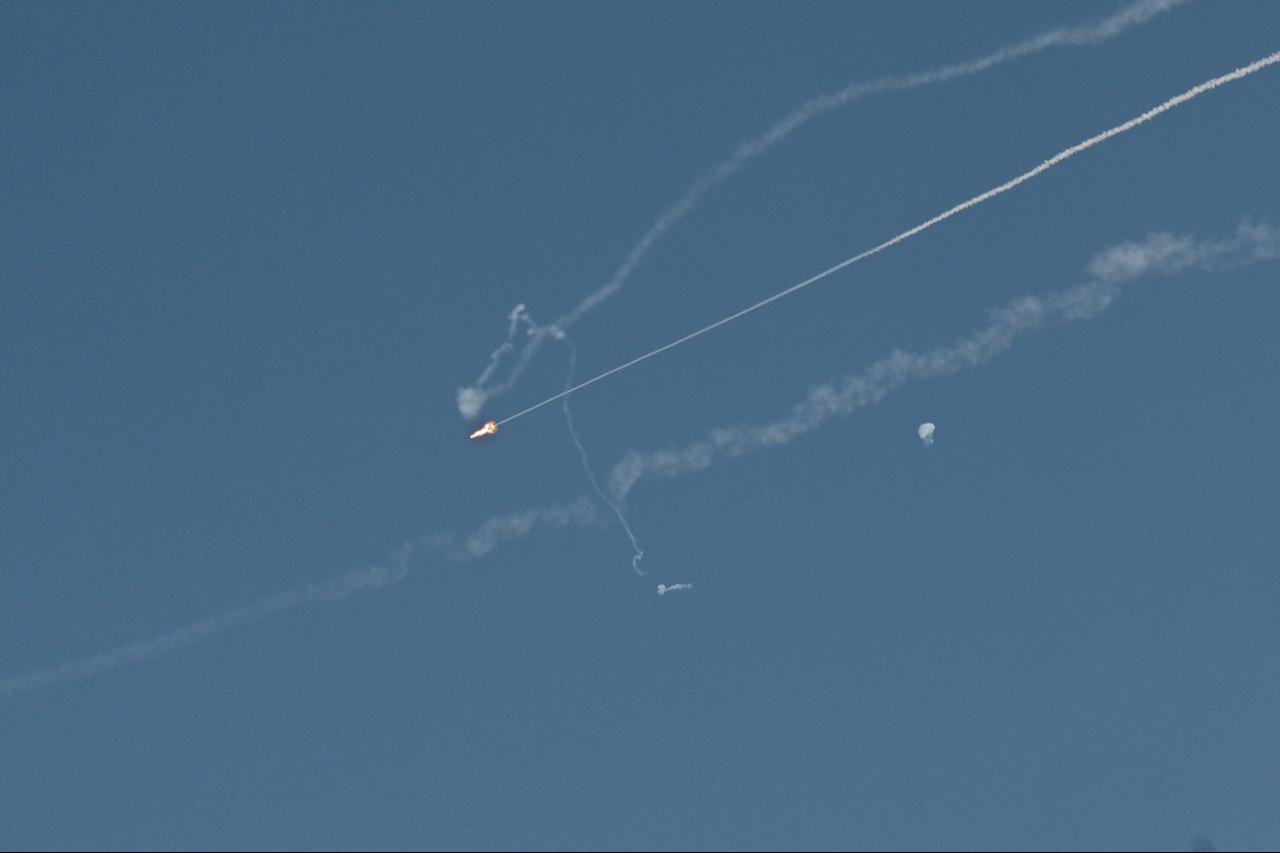

Merz said Germany wants to work with the U.S., Israel and European partners on a “day after” agenda for Iran, outlining four key objectives:
Merz said he had previously stated that the mullah regime no longer has legitimacy to remain in office, but added that it is unknown who could shape a future political structure in Iran.
“The most important thing for me is that the Iranian people have the opportunity to determine their political leadership themselves. However, we do not know the possible actors or groups who could do this,” he said, warning that such a military operation carries risks.
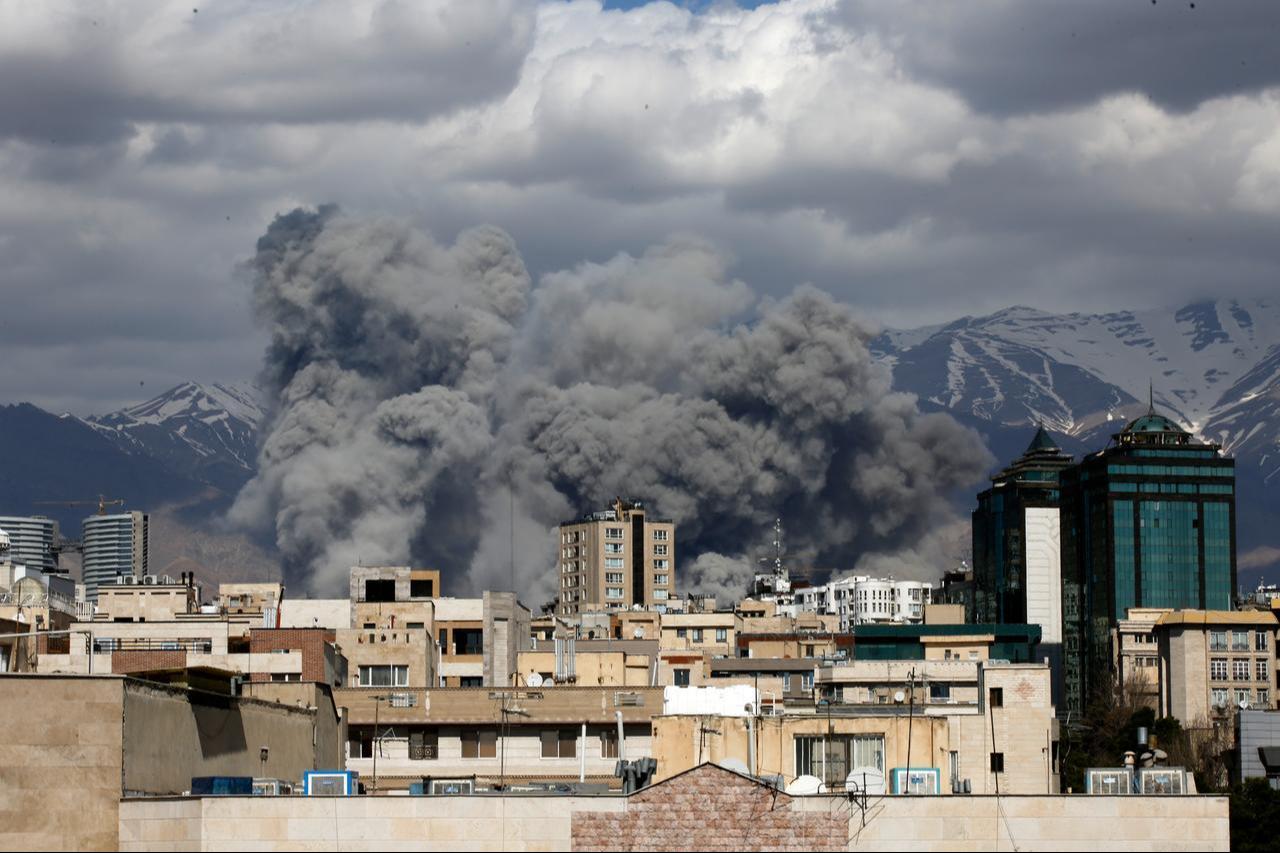
Merz said conflict lines are becoming increasingly blurred and that compliance with international law is declining.
He argued that sanctions and legal steps in the past had not effectively halted Iran’s nuclear ambitions and said U.S. and Israeli military operations aim to end a long cycle of terror and nuclear threats.
He also said Iranian intelligence is active in Europe and Germany, and that security authorities remain on alert. Germany is taking measures to protect Jewish, Israeli and American institutions and will not tolerate antisemitic or anti-American attacks on German soil.
Merz said there is no information at present indicating an extreme threat in Germany, but the situation is being closely monitored.
He added that thousands of German tourists and residents are in the region and that the Foreign Ministry continues to provide information and assistance. At this stage, there are no plans for large-scale evacuations, and Berlin hopes military operations will end quickly.
 1 min read
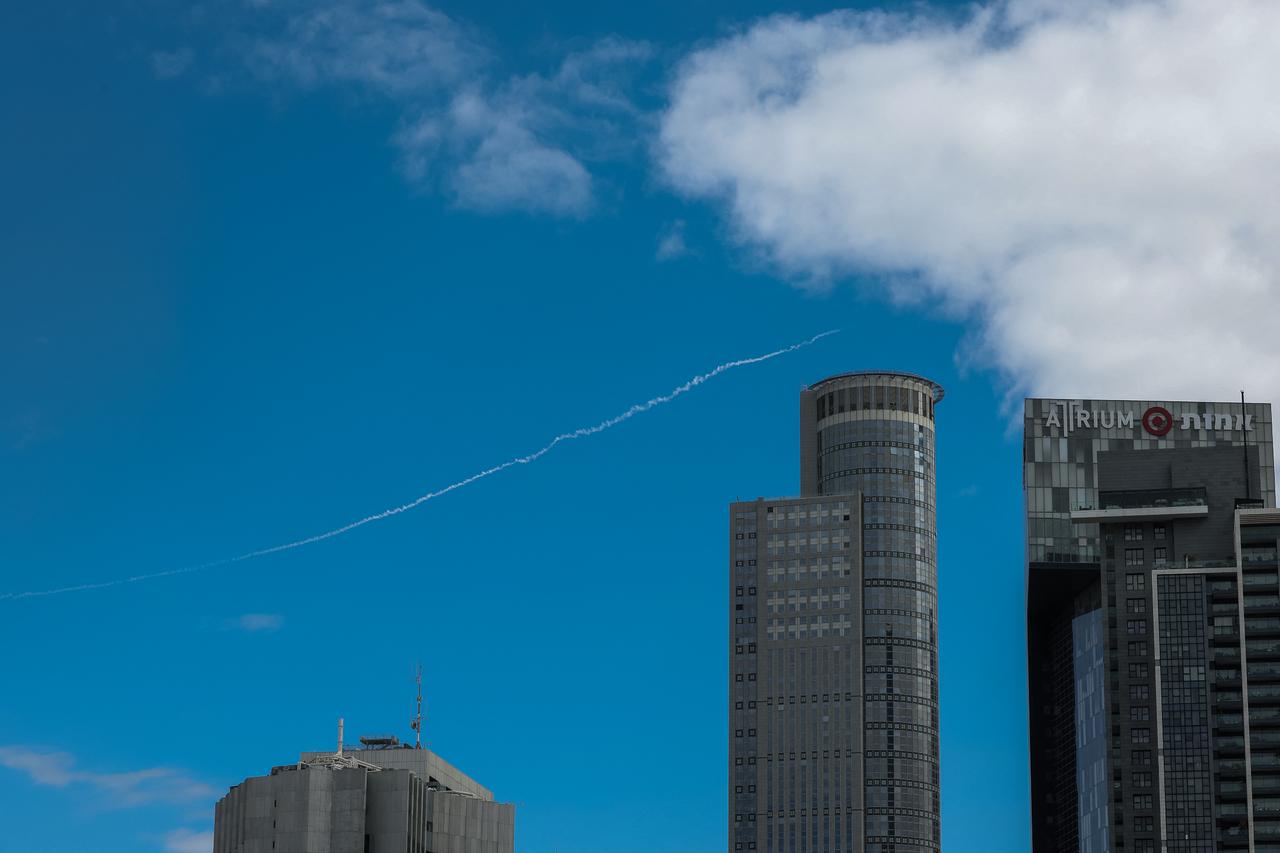
Russian Foreign Minister Sergey Lavrov and Chinese Foreign Minister Wang Yi condemned what they described as massive U.S.-Israeli attacks on Iran and called for an immediate cessation of hostilities.
According to a statement from the Russian Foreign Ministry, Lavrov and Wang emphasized during a phone call the need for a political and diplomatic resolution of issues related to Iran, including ensuring the legitimate security interests of all Gulf states.
They said the U.S.-Israeli “aggression” violates international law and the fundamental principles of the UN Charter and destabilizes the region. They rejected policies aimed at “overthrowing the legitimately elected authorities of sovereign states.”
The two ministers expressed readiness to continue coordinating within the UN Security Council, the International Atomic Energy Agency, the Shanghai Cooperation Organization and the Group of Friends in Defense of the UN Charter.
Lavrov also held a separate call with UAE Foreign Minister Abdullah bin Zayed, during which they expressed a unanimous view on the need to immediately cease hostilities and return to a political and diplomatic framework.
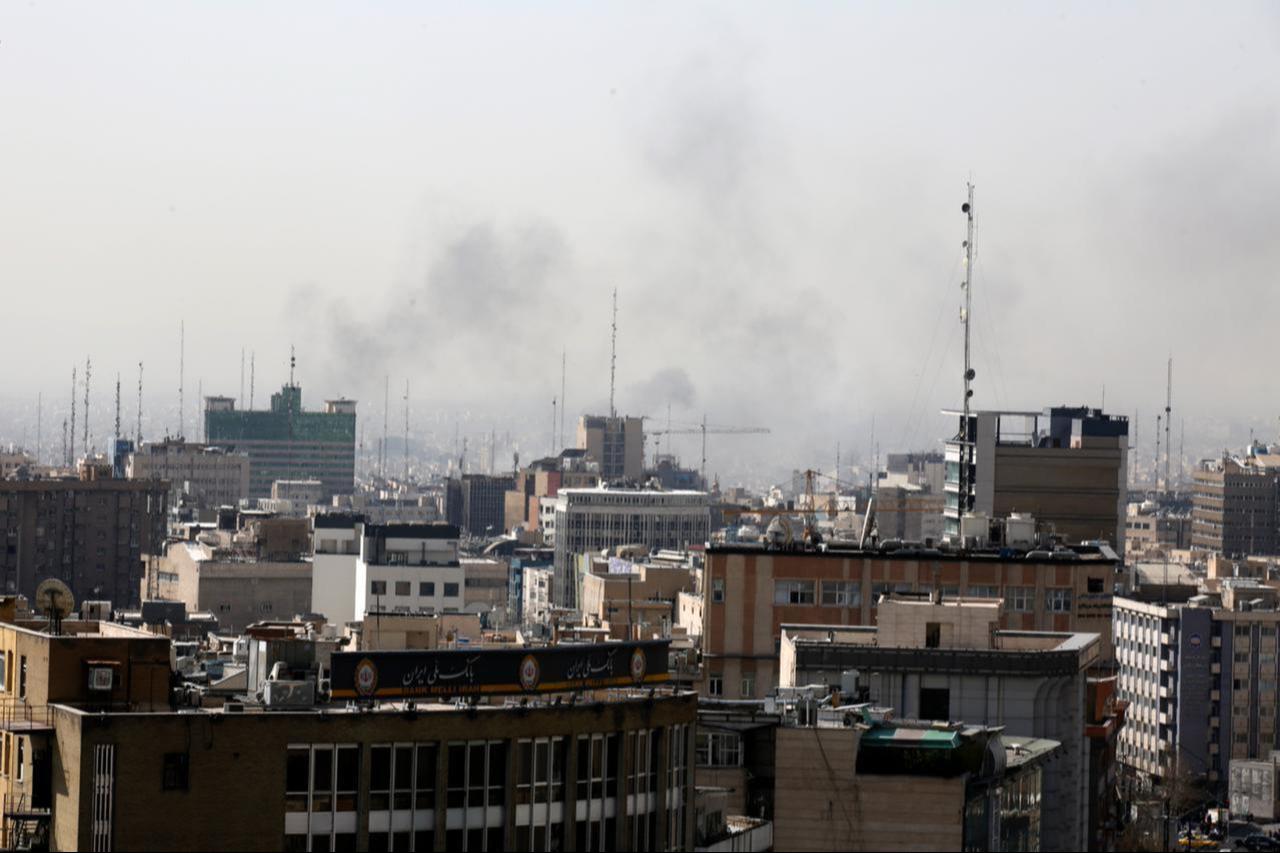
Israel and the U.S. launched military strikes on Iran on Feb. 28 while negotiations between Tehran and Washington were ongoing.
Several senior officials, including Supreme Leader Ayatollah Ali Khamenei, were killed in the attacks. Iran responded with drone and missile strikes that hit several Gulf countries.
Israel and the U.S. had previously launched a similar attack on Iran last June, triggering a 12-day war before a ceasefire was announced.
Iran’s Red Crescent said 201 people were killed and 747 injured in bombardments across the country.


 Set as preferred source
 Set as preferred source


 1 min read