Newsletters




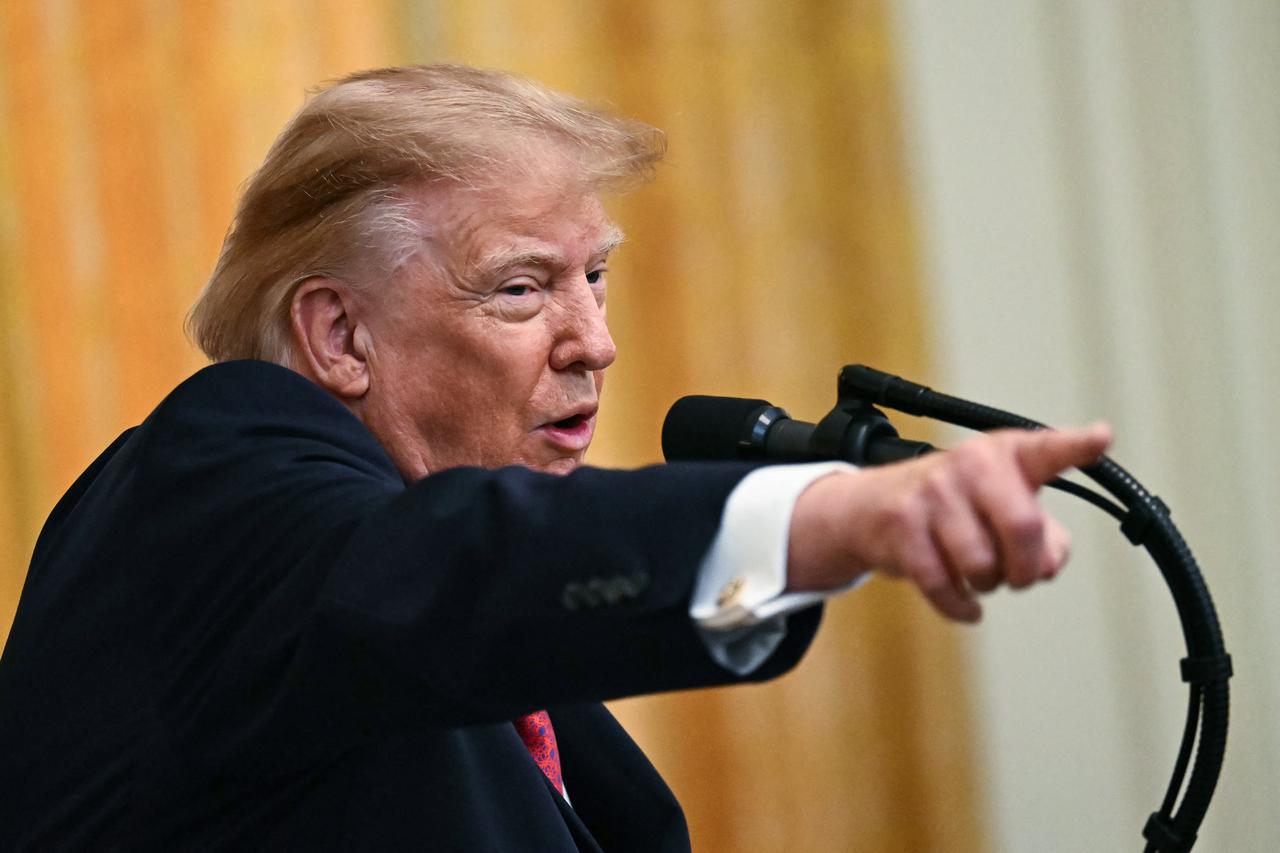
One day after U.S. and Israeli forces launched a devastating bombing campaign that killed Iranian Supreme Leader Ayatollah Ali Khamenei and plunged the Middle East into open conflict, President Donald Trump said Sunday morning that Iran's surviving leadership has expressed a desire to negotiate, and that he has agreed to engage.
"They want to talk, and I have agreed to talk, so I will be talking to them," Trump said in a phone call from his Mar-a-Lago club shortly before 9:30 a.m. "They should have done it sooner. They should have given what was very practical and easy to do sooner. They waited too long."
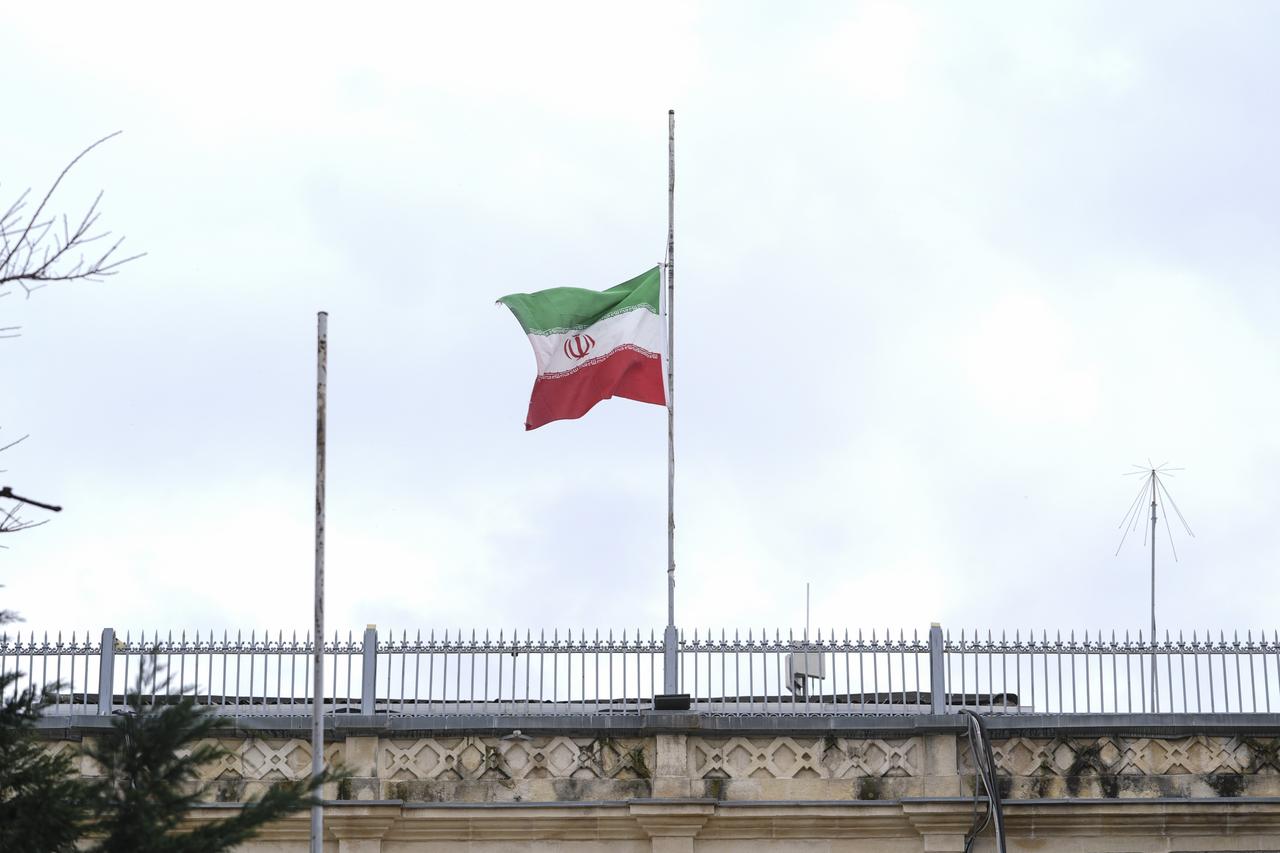
The revelation that diplomatic channels are already opening marks a striking pivot from the military escalation that began Saturday, when joint U.S.-Israeli strikes, dubbed Operation Epic Fury, targeted Iranian military and government sites across the country. The operation killed Khamenei, the 86-year-old cleric who had ruled as Iran's supreme leader since 1989, along with dozens of senior officials, according to multiple reports. Iranian state media confirmed his death and the government declared a 40-day mourning period. A transitional leadership council has since been formed under President Masoud Pezeshkian.
Trump acknowledged that many of the Iranian officials involved in recent weeks of negotiations were no longer alive. "Most of those people are gone. Some of the people we were dealing with are gone, because that was a big, that was a big hit," he said, adding: "They should have done it sooner, Michael. They could have made a deal. They played too cute."
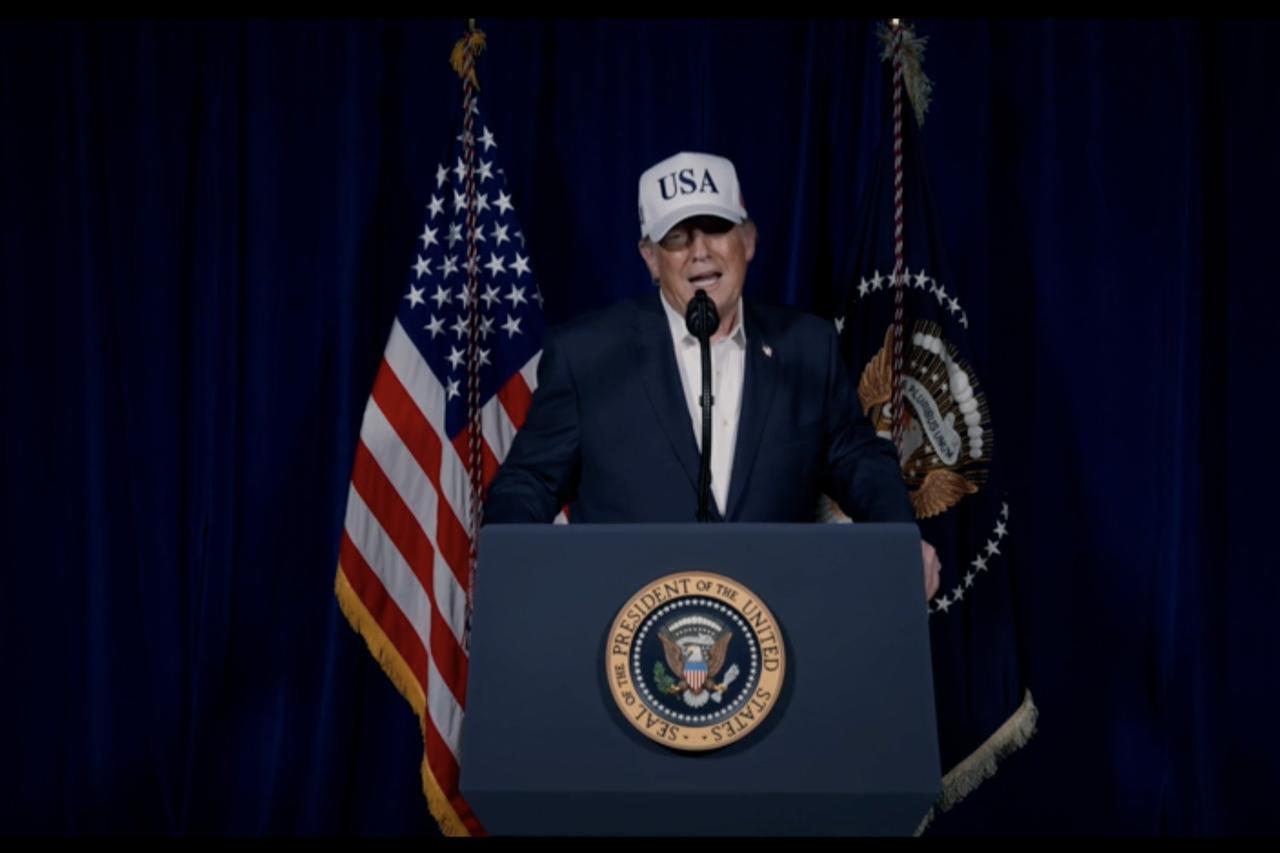

The president's willingness to talk stands in tension with his simultaneous push for regime change inside Iran. In a video posted to social media on Saturday morning, Trump directly addressed the Iranian public, urging them to overthrow their government once the bombing subsides. "Now you have a president who is giving you what you want. So let's see how you respond," he said. "Now is the time to seize control of your destiny and to unleash the prosperous and glorious future that is close within your reach."
Yet when asked whether the United States would sustain its military campaign to support a popular uprising if one were to materialize, Trump was evasive. "I have to look at the situation at the time it happens, Michael. You can't give an answer to that question," he said.
He nevertheless expressed confidence that a successful uprising was underway, pointing to celebrations both inside Iran and among Iranian expatriate communities in the United States. "That is going to happen. You are seeing that, and I think it's gonna happen," he said. "A lot of people are extremely happy over there and in Los Angeles and in many other places."
Reports from the ground have painted a more complicated picture. While eyewitnesses in Tehran and other cities described scenes of jubilation following the confirmation of Khamenei's death, large antiwar protests have also erupted, in some cases just blocks from the celebrations. Demonstrations denouncing the strikes have spread internationally as well, with violent clashes reported at the U.S. Consulate in Karachi, Pakistan.
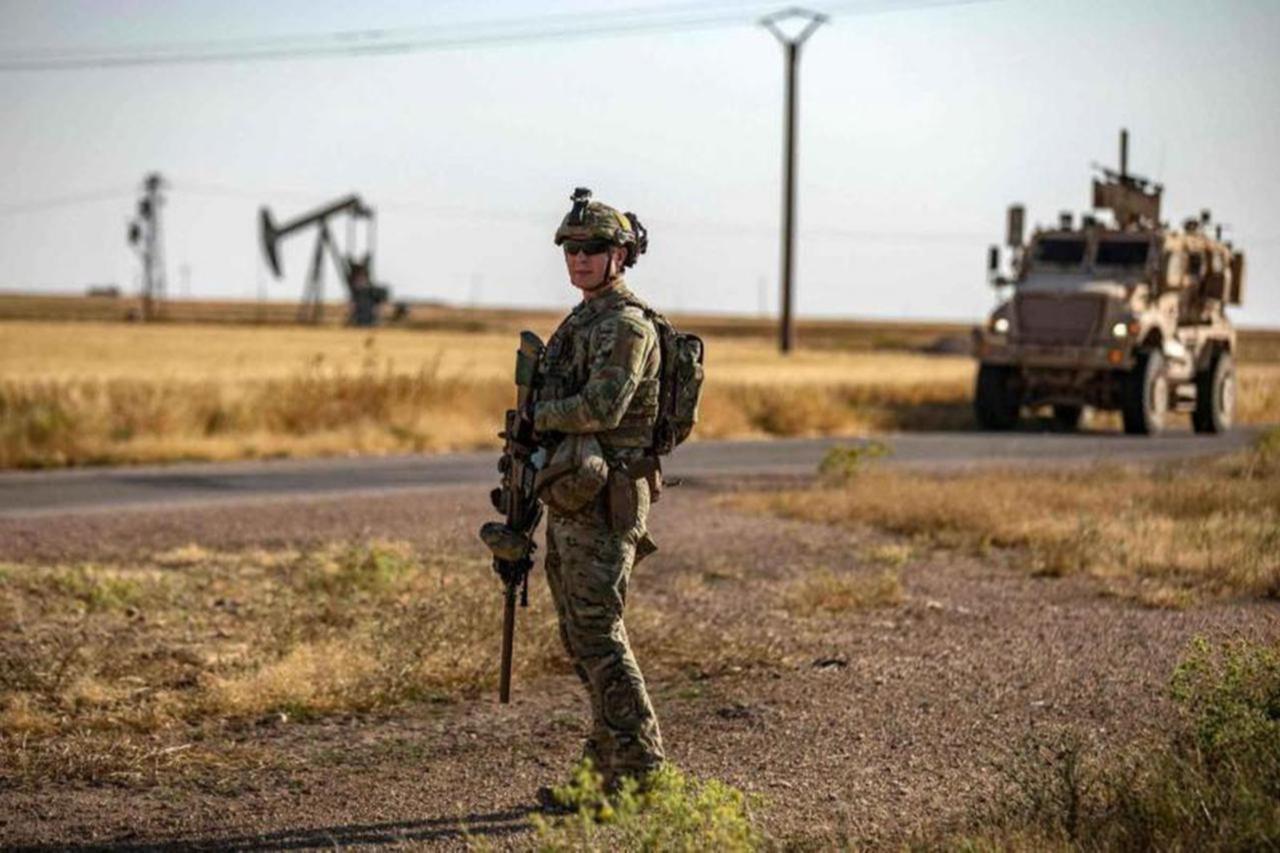
Shortly after the phone call, U.S. Central Command announced that three American service members had been killed in the operation and five more were seriously wounded, marking the first confirmed U.S. combat deaths since the campaign began. Several other troops sustained minor shrapnel injuries and concussions and were being returned to duty, CENTCOM said.
Trump acknowledged the dangers of the situation, noting that he had told people to shelter in place. "Knowing it's very dangerous, knowing I've told everybody to stay in place, I think it's a very dangerous place right now," he said. "The people over there are shouting in the streets with happiness, but at the same time, there are a lot of bombs coming down."
Asked whether U.S. intelligence had detected any renewed Iranian threats against the American homeland, a concern rooted in years of documented Iranian assassination plots targeting U.S. officials including Trump himself, the president declined to answer. "I don't want to tell you that," he said.
 1 min read
Even as the region descended into its most serious military confrontation in decades, with Iran launching retaliatory missile and drone strikes against Israel, Saudi Arabia, the UAE and U.S. military bases across the Middle East, Trump sought to frame the operation as manageable for the American economy. He predicted the attack would not undermine Republican efforts heading into this fall's midterm elections to convince voters that his administration was delivering economic results.
"We have the greatest economy we've ever had," Trump said. "The word isn't out because people like you don't write about it properly. But the economy is ready to go through the roof."
He also argued that the operation's early success would limit the disruption to oil markets, which were set to reopen Sunday evening. "This could have been a huge price increase with respect to oil, if things went wrong," he said.
Before ending the call, Trump returned to the scale of his decision, framing the strikes as the culmination of decades of American frustration with the Iranian regime. "People have wanted to do it for 47 years," he said. "They've killed people for 47 years, and now it's reversed on them."
The strikes represent the second time in eight months that the Trump administration has attacked Iran. In June 2025, a 12-day military campaign targeted Iranian nuclear facilities and eliminated several of Khamenei's closest aides. The latest escalation followed the collapse of U.S.-Iran nuclear talks in Geneva and came during the Muslim holy month of Ramadan. More than 200 people have been killed across Iran, according to the Iranian Red Crescent Society.
Trump said he did not know when his conversation with Iranian leaders would take place, nor would he say whether it would happen today or tomorrow. "I can't tell you that," he said, before adding: "So we'll see what happens."


 Set as preferred source
 Set as preferred source


 1 min read