Newsletters


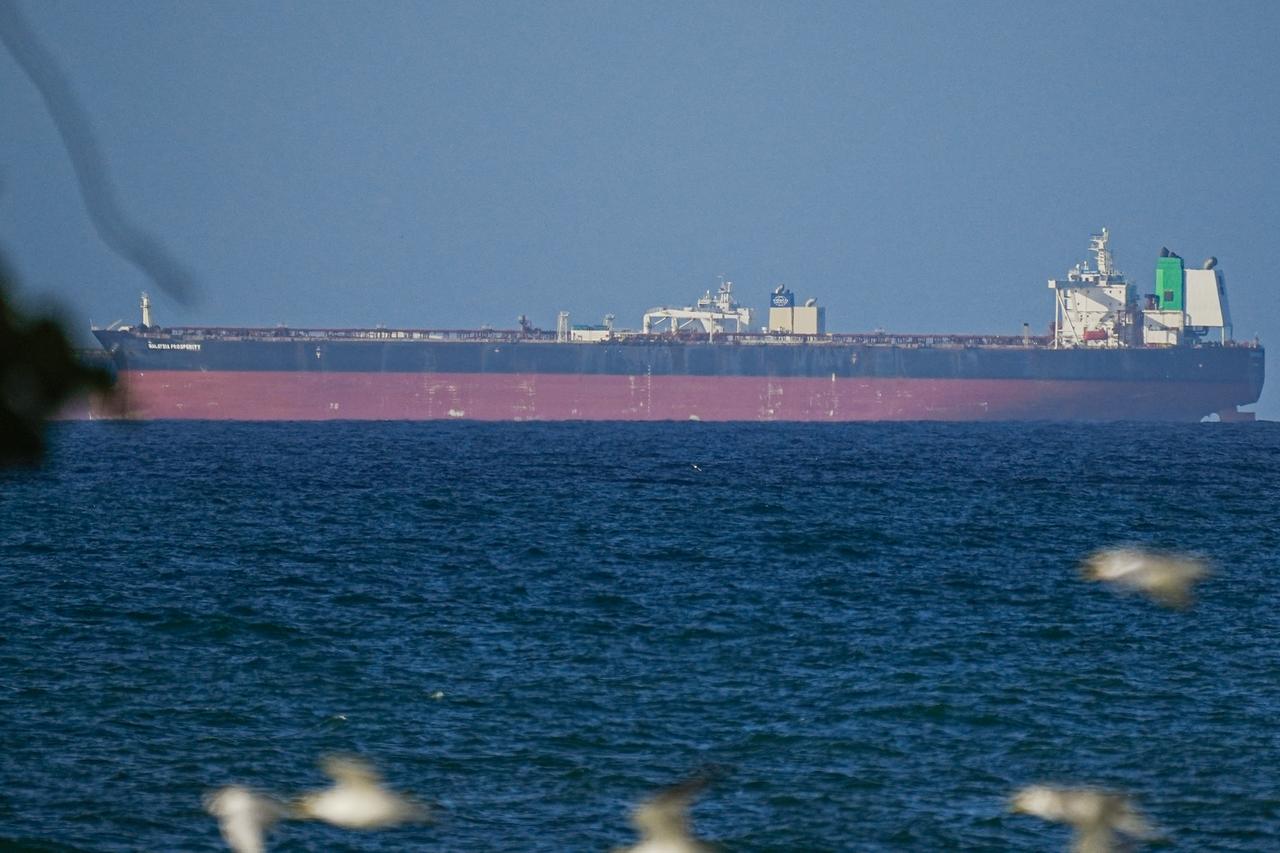


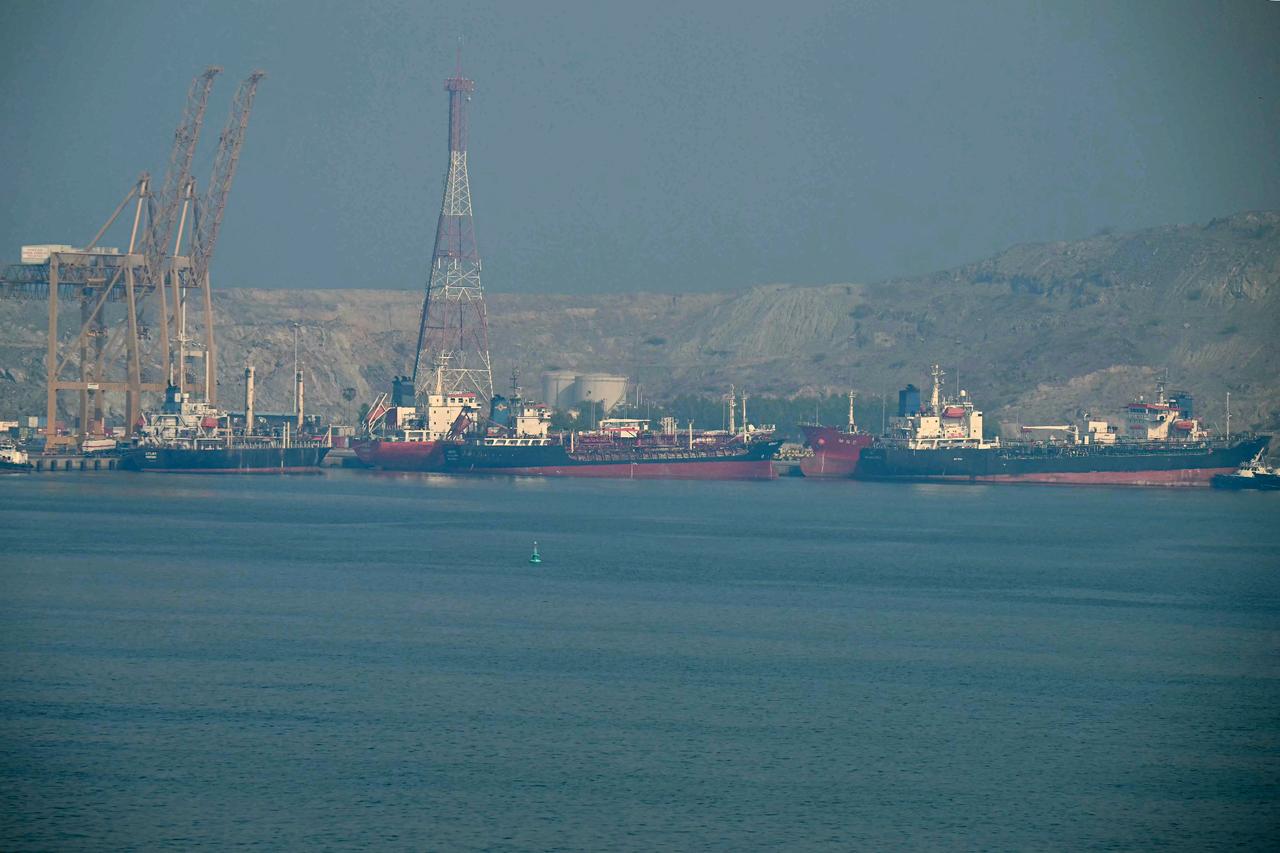
Germany said Monday it believes the United States is referring to a blockade of Iranian ports—not the Strait of Hormuz itself—following President Donald Trump’s announcement of new measures against Iran.
“The Strait of Hormuz, or the so-called blockade, as you call it, does not mark the end of this diplomatic process; we interpret it as a move to increase the pressure,” German government spokesperson Stefan Kornelius told reporters in Berlin.
Kornelius said Berlin’s interpretation was based on a statement from U.S. Central Command, which “does not speak of a blockade of the Strait of Hormuz, but rather of a blockade of Iranian ports.”
He added that the strait appears to be “a kind of bargaining chip” for both sides.
“The German government is making every effort to use this newly mounting pressure through diplomatic channels to achieve de-escalation,” he said.
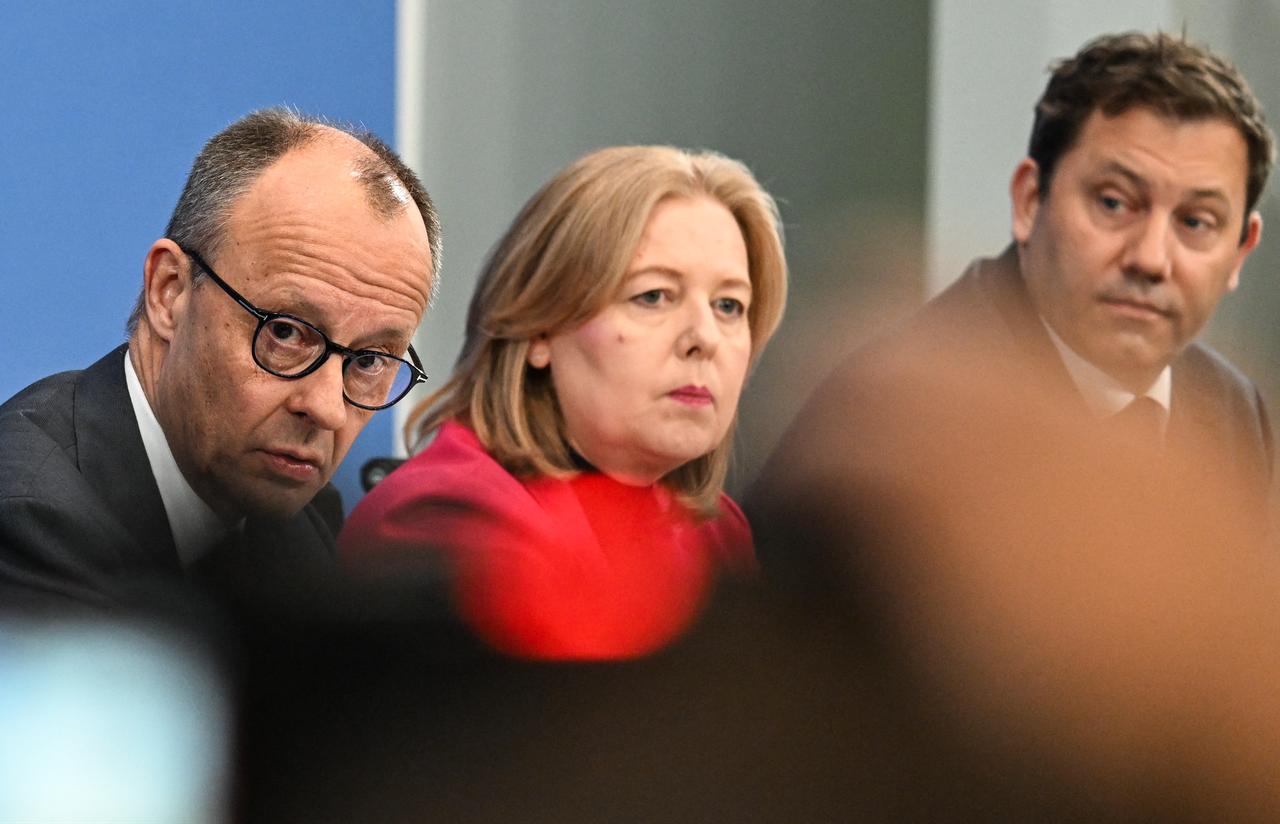

German Chancellor Friedrich Merz said the war involving Iran will have lasting consequences for the global economy and impose a prolonged burden on Germany.
“We will feel the consequences of this war for a long time to come, even after it is over,” Merz said at a press conference in Berlin.
“Consequently, we are also preparing for a significant burden on the German economy for an extended period—and thus a considerable burden on private households as well.”
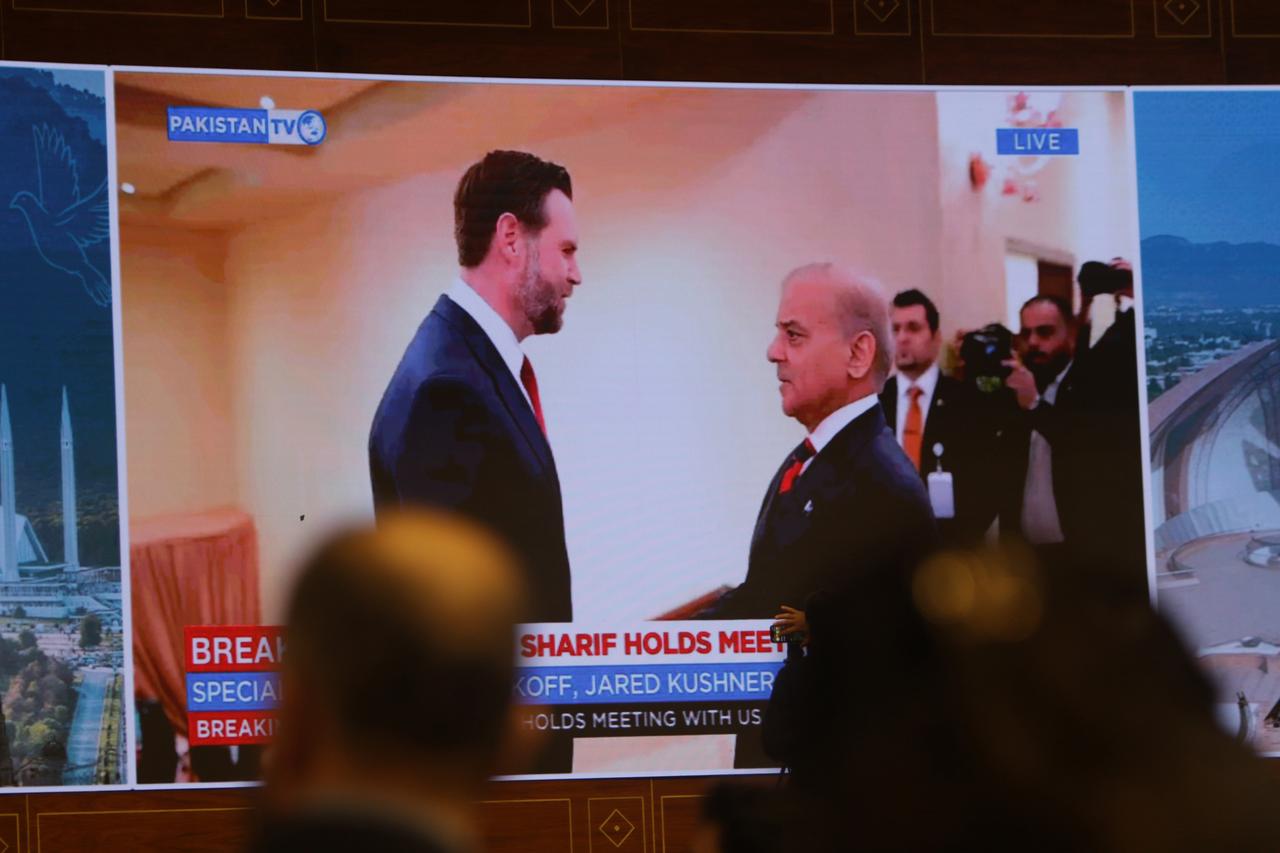
Merz said he was not surprised that U.S.-Iran talks in Islamabad ended without a breakthrough.
“I wasn’t surprised by the decision to break off the talks in Islamabad. From the very beginning, I didn’t get the impression that they were really well prepared,” he said.
“We are talking with the U.S. administration, we are talking with the parties to the conflict, and we are talking with Israel. This will remain a long-term process,” he added.
To offset the immediate impact of rising energy prices, Merz said his coalition government had approved temporary economic relief measures.
“We are reducing the energy tax on diesel and gasoline by approximately 17 euro cents ($0.20) per liter for two months,” he said.
“This will very quickly improve the situation for motorists and businesses in the country—especially for those who use their cars for work.”
The government will also permit companies to provide workers with a tax-free “relief bonus” of up to €1,000 ($1,170).
Trump announced that the blockade on Iranian ports would take effect at 1400 GMT on Monday.
The move followed rare direct talks between Washington and Tehran in Islamabad over the weekend aimed at ending the war that began on Feb. 28. Those negotiations ended without an agreement.


 Set as preferred source
 Set as preferred source


 2 min read
 1 min read