Newsletters


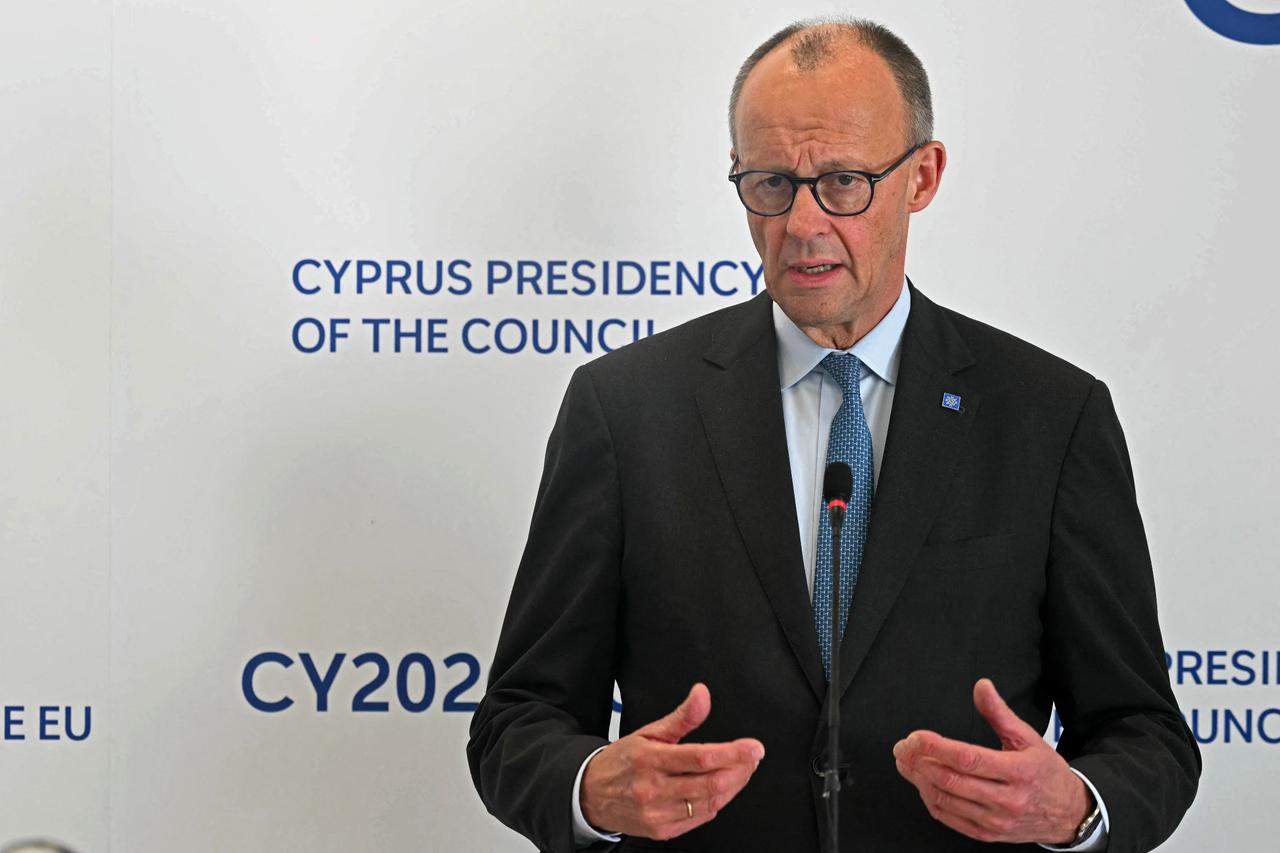


German Chancellor Friedrich Merz on Saturday criticized the U.S.-Israeli war with Iran as “completely unnecessary,” warning that its geopolitical shockwaves were already being felt across global energy markets and driving wider instability.
Speaking after an informal EU summit in Greek-administered Cyprus, Merz said the conflict was contributing to rising instability affecting Europe, Asia and the U.S., and threatening the foundations of the global economy.
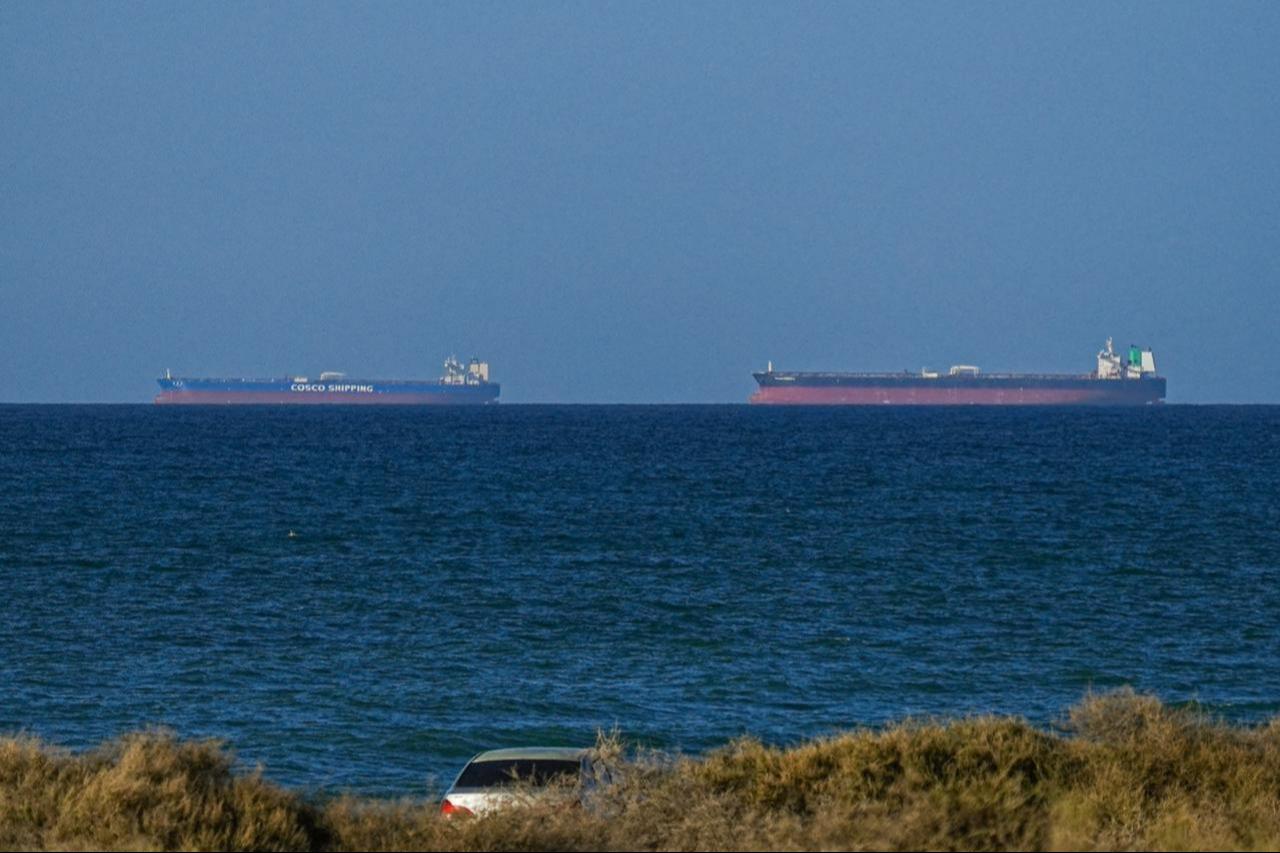

Merz said the consequences of the war extend beyond rising prices at the gas pump, highlighting broader economic and geopolitical risks.
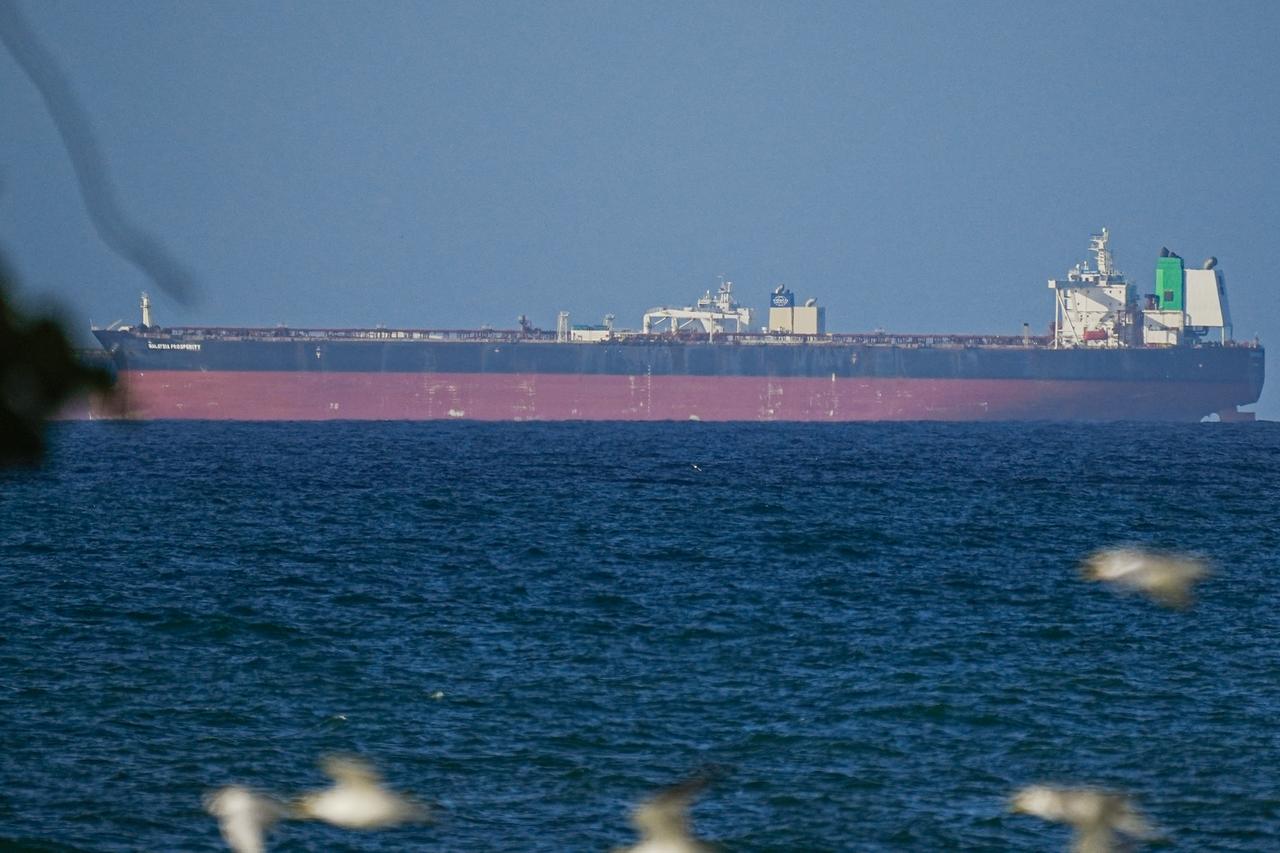
He pointed to the strategic importance of the Strait of Hormuz, one of the world’s most vital trade routes for energy shipments, saying recent developments have exposed the fragility of the globalized economy.
The geopolitical shockwaves from the Middle East conflict are already impacting energy markets across Europe, Asia and the U.S., he said.
 1 min read
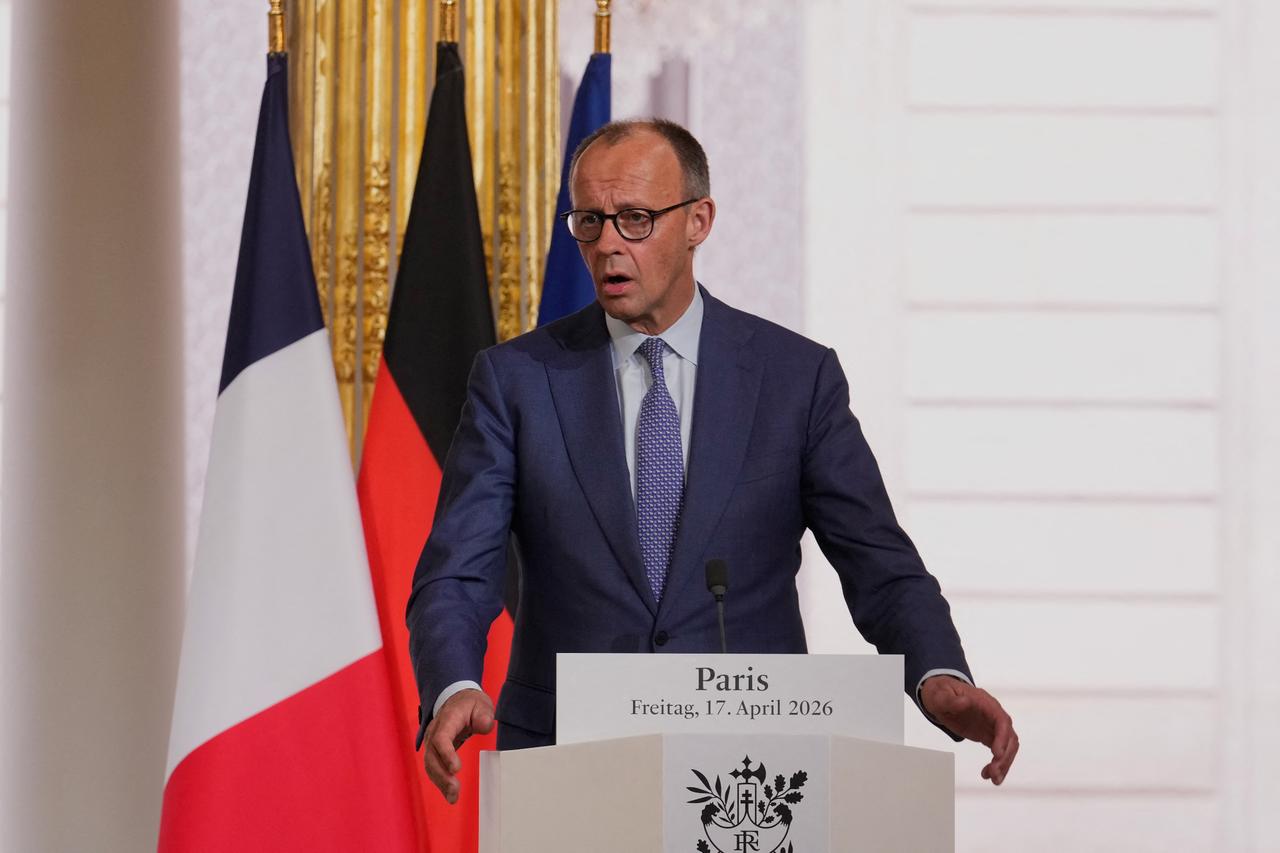
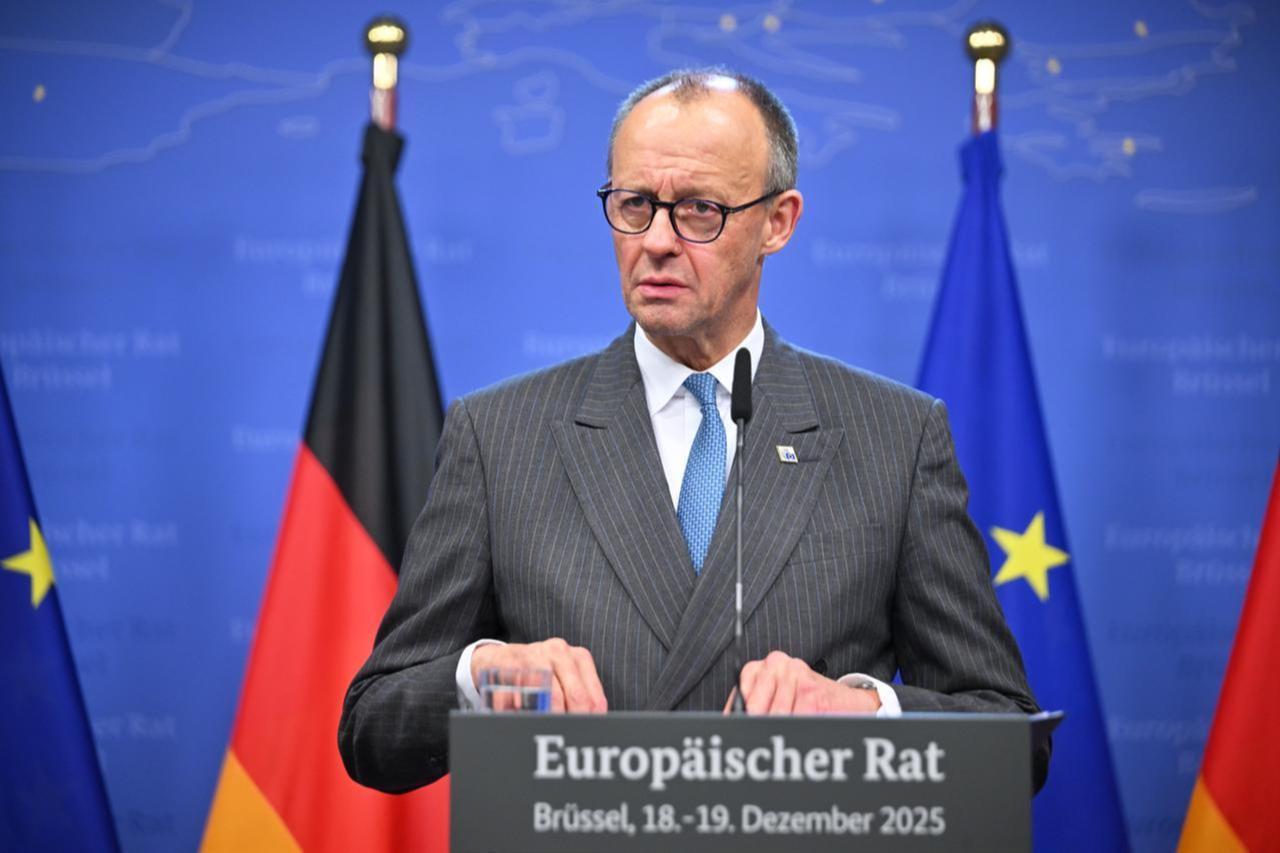
Merz said EU leaders spent two days discussing major challenges, including the Iran conflict, during the summit.
“We have spent two days meeting with the 27 heads of state and government of the European Union to discuss how to tackle major challenges that lie ahead, including the Iran conflict, and this completely unnecessary war there, as well as many other challenges we face,” he said.
He stressed that as an EU member state, Germany cannot address these challenges alone and that a coordinated European response is necessary.
“If Europe fails, then Germany will also fail,” Merz said.
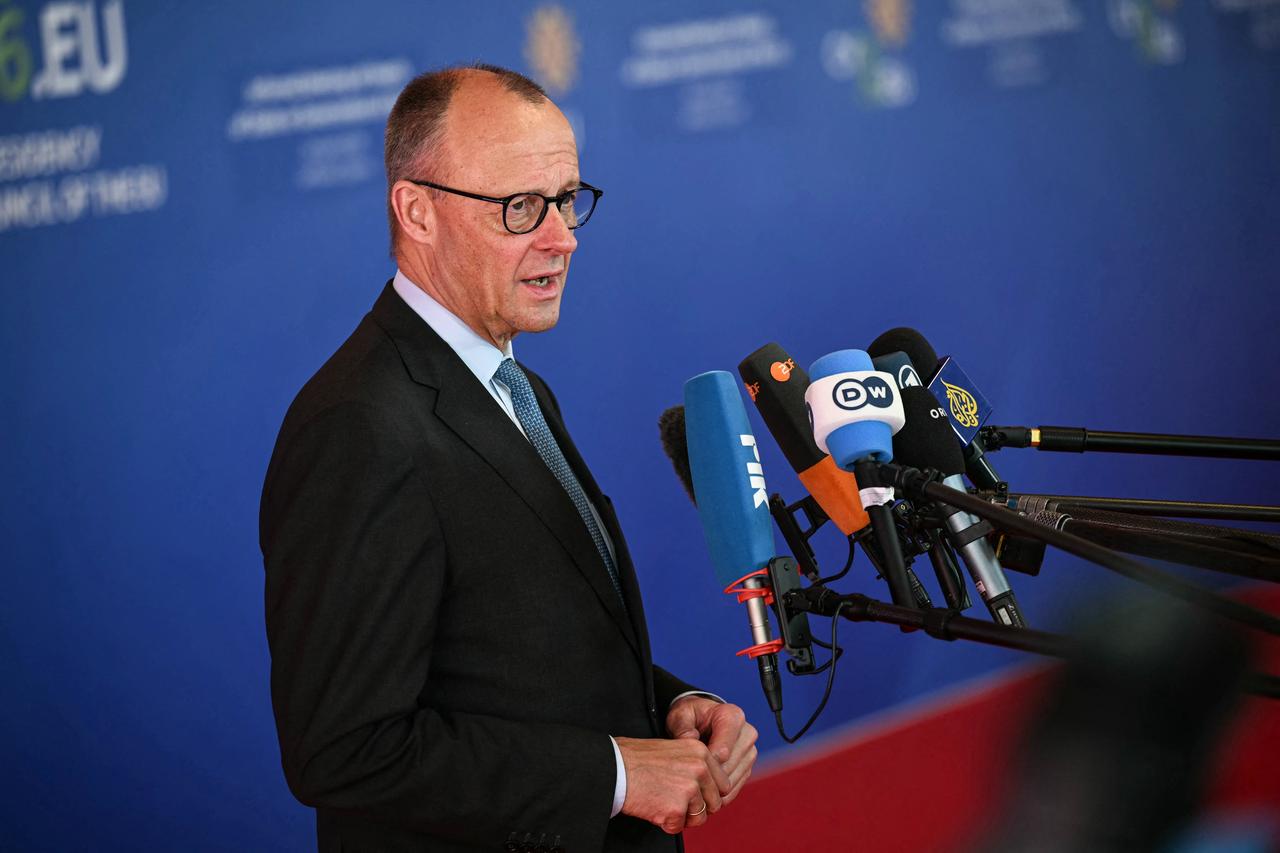
Merz called for close cooperation among European nations to respond effectively to the fallout from the war and other crises.
He said Europe must adjust to shifting global conditions and accept what he described as a “new economic reality.”
“We must accept this new economic reality, however difficult it may be,” he said.


 Set as preferred source
 Set as preferred source


 1 min read