Newsletters


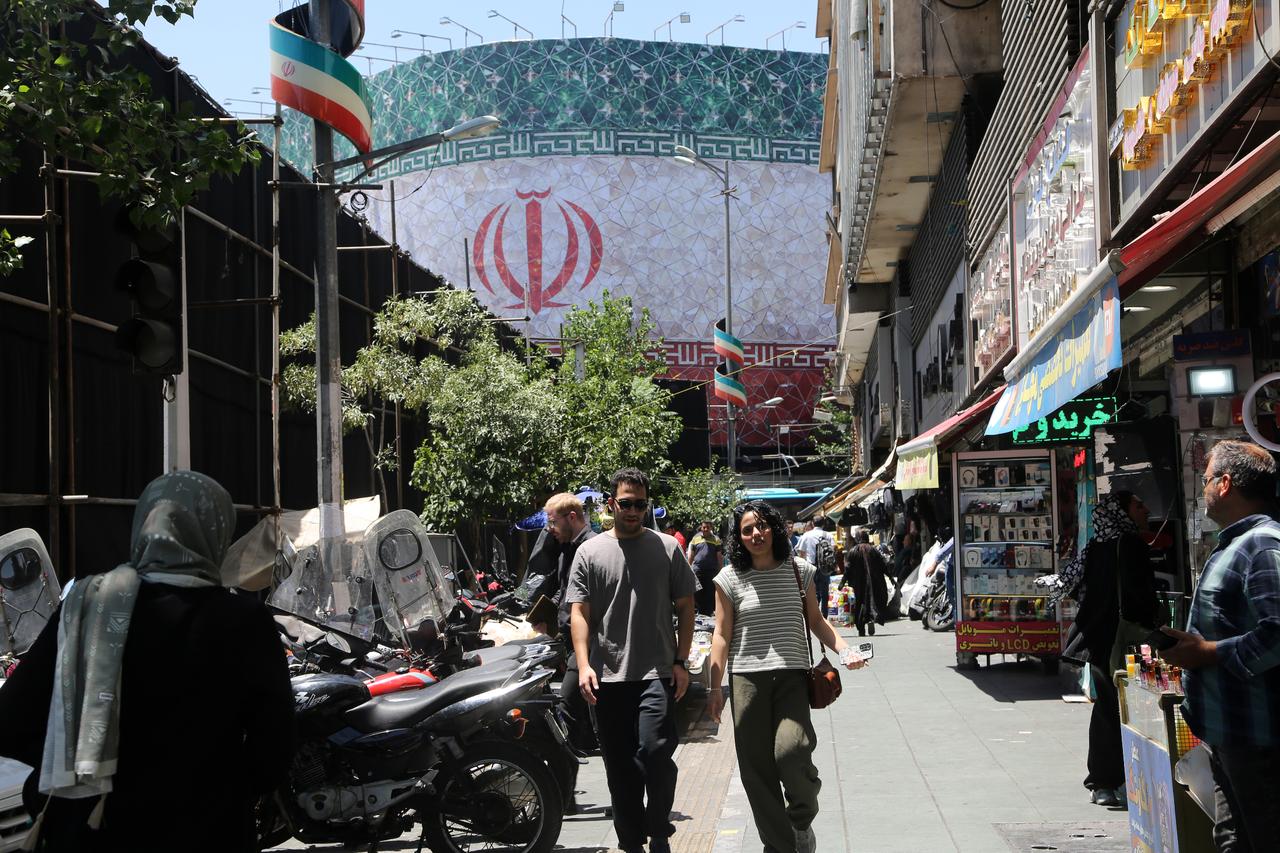


Iranian Parliament Speaker Mohammad Bagher Ghalibaf, who leads the country's negotiating team, rejected Thursday a U.S. claim that Tehran's unfrozen assets would be used to purchase American agricultural products, dismissing the assertion in sharply worded remarks on X.
"America falsely claims our unfrozen assets will buy their agriculture. Interesting. The only crop we're harvesting is what you planted: decades of mistrust. It's organic, abundant, and homegrown. But apparently the US only exports GMO soybeans, broken promises and trash talks," Ghalibaf wrote.
Ghalibaf's remarks came after President Donald Trump said Wednesday that initial financial relief for Tehran would involve approximately $500 million in American goods.
Trump said no cash would be provided directly to Iran, and that Washington would use controlled Iranian funds to pay American farmers for exports such as corn and wheat.
"Food is desperately needed in Iran, and we will be purchasing it for them exclusively from the United States," Trump said.
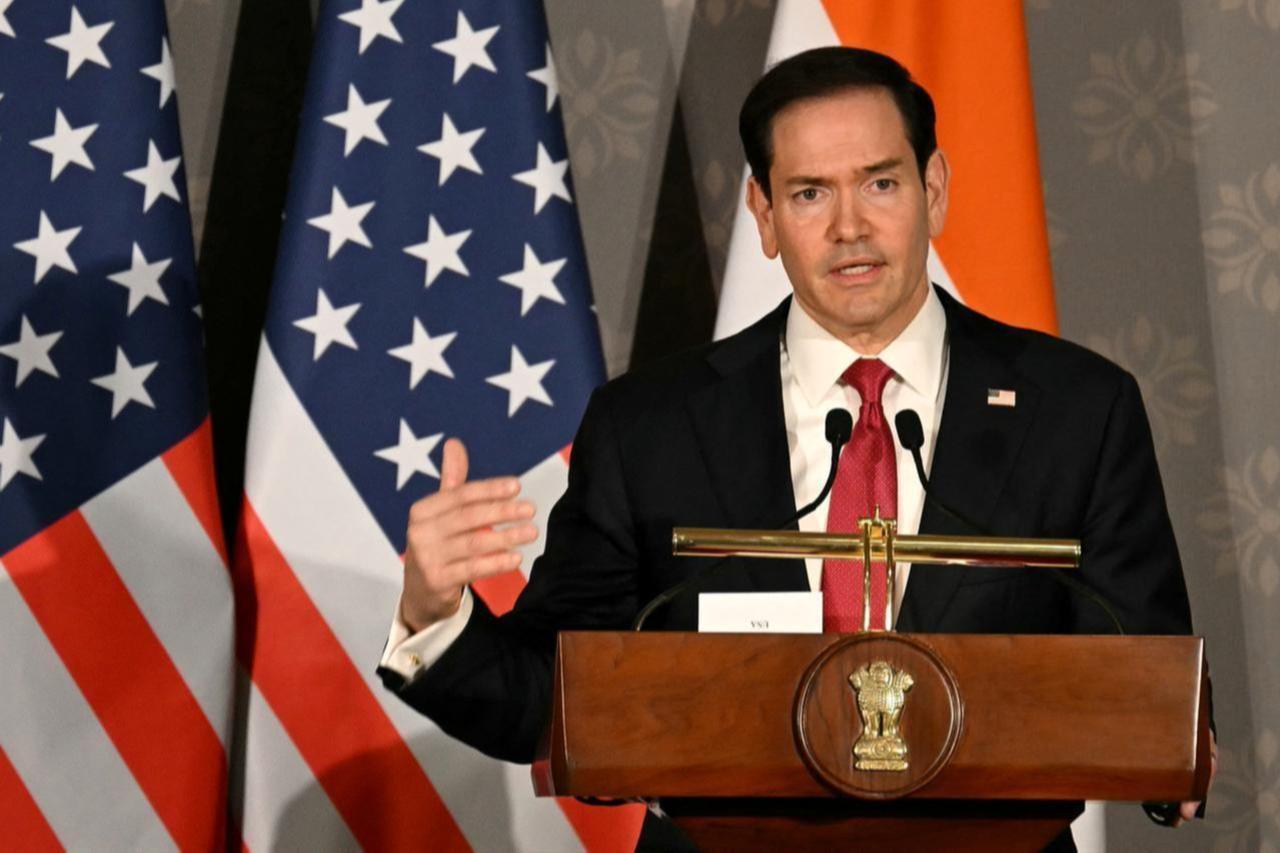
U.S. Treasury Secretary Scott Bessent told CNBC on Wednesday that the U.S. would oversee the release of Iranian frozen funds held in the Gulf under the deal.
"Any money that the Iranians get first is going to be used for the benefit of the Iranian people. It is going to be Iranian frozen funds," Bessent said.
Bessent said the initial funds would likely be released from Qatar, with U.S. Treasury officials present in Doha to oversee how the money is allocated.
He said a "very large percent" of the funds would go toward purchasing U.S. foodstuffs and medicines, describing the arrangement as "recycling the money back into US products" under Treasury oversight in the Middle East.
The dispute comes amid ongoing debate over the implementation of the Iran-U.S. understanding, which includes provisions on sanctions relief and the release of frozen Iranian assets.
The agreement, mediated by Pakistan, entered into force on June 18 after being electronically signed by Iranian President Masoud Pezeshkian and Trump.
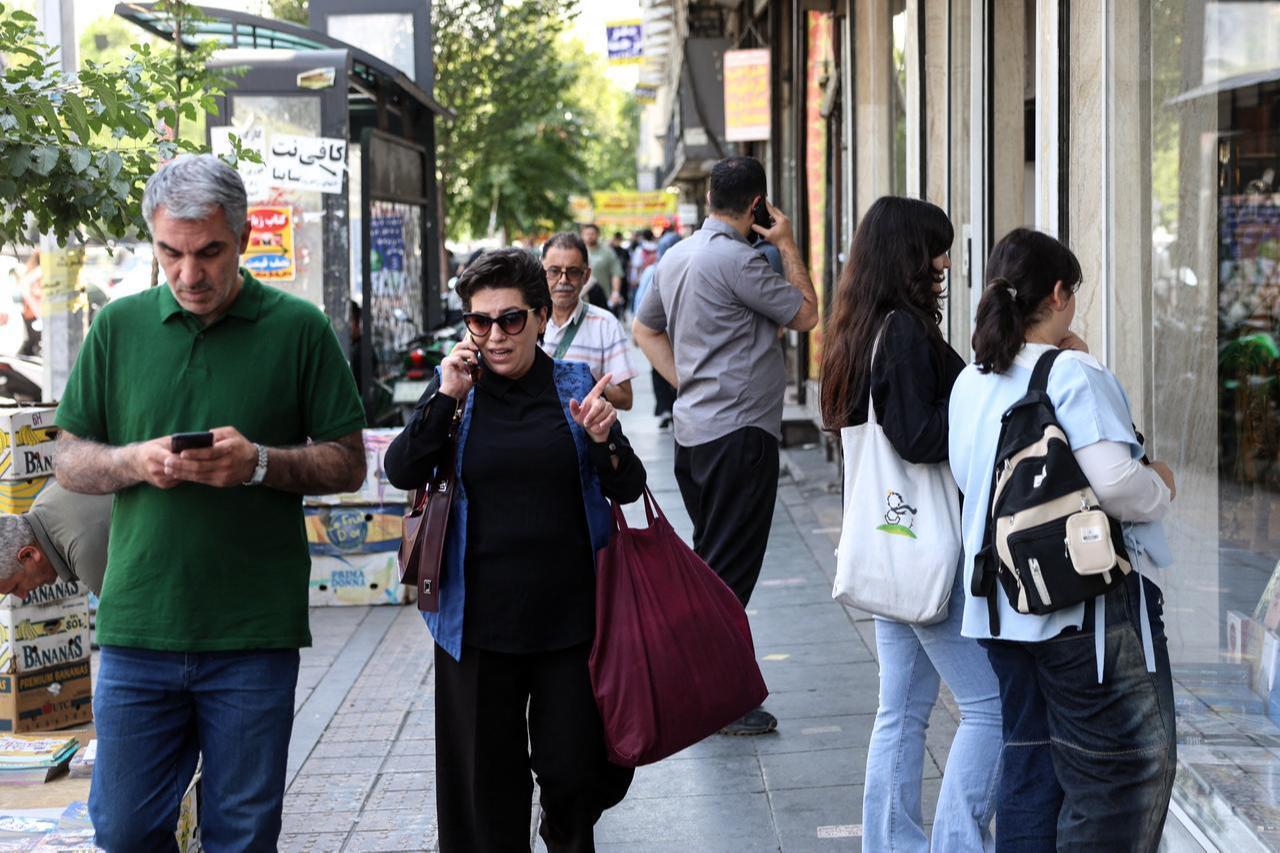

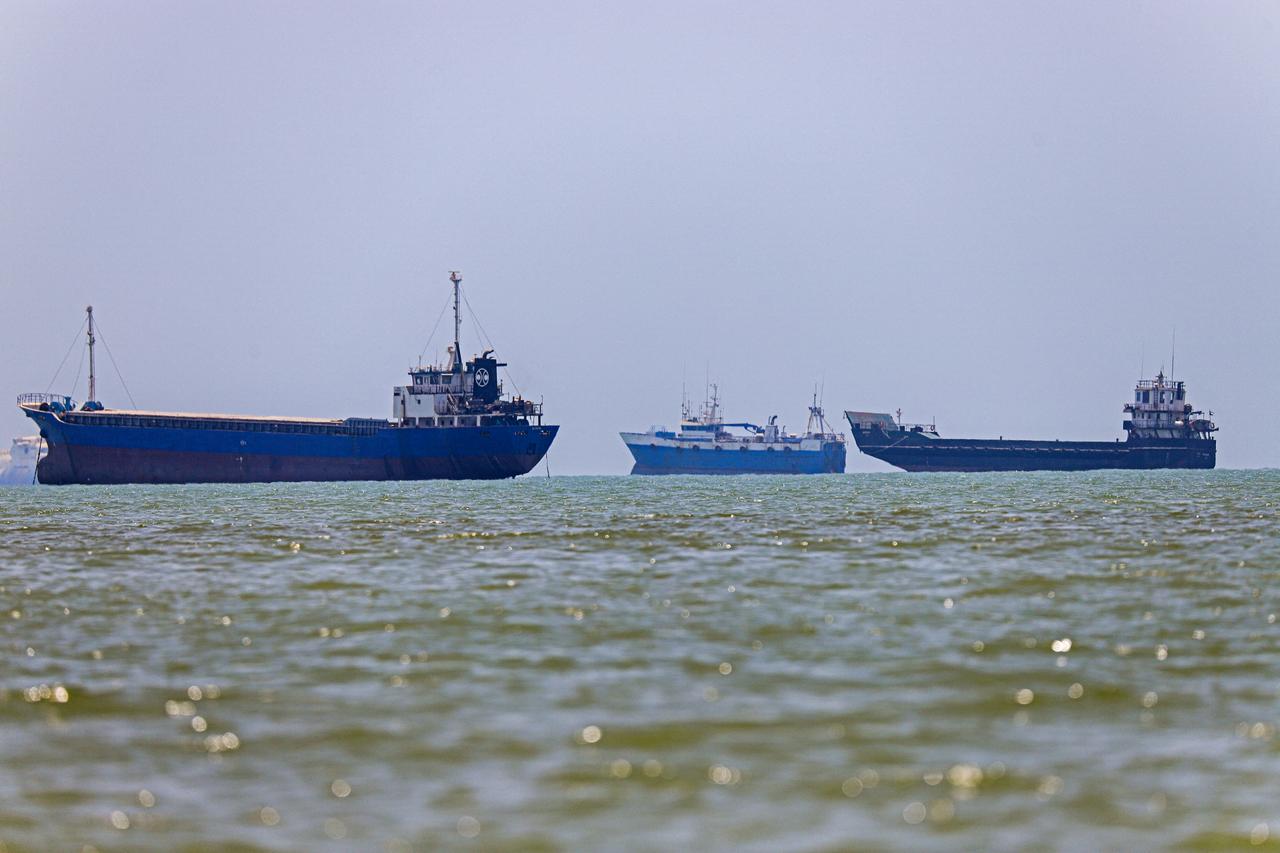
Separately, several tankers exited the Strait of Hormuz on Thursday using a new route promoted by a U.N. maritime agency, running along the coast of Oman, a path Iran has previously threatened.
The route, laid out by Oman and the International Maritime Organization, runs south of the Traffic Separation Scheme corridor in the center of the strait, where ships moved freely before the war, but which Iran mined after the U.S. and Israel struck the country on Feb. 28. At least one mine has been sighted there.
The tankers, led by the vessel Stoic Warrior, sailed along the coast of the United Arab Emirates and then Oman early Thursday, passing close to shore near Oman's Musandam Peninsula.
Shipping company Maersk said its container ship, Maersk Baltimore, and another chartered vessel also exited the strait via the new route on Thursday.
The opening of the alternative passage would relieve pressure on the world economy and remove one of Iran's primary sources of leverage in the ongoing talks.
Separately, data compiled from analytics firm Kpler showed that 70 commercial vessels passed through the Strait of Hormuz on June 24, the highest daily traffic recorded since Feb. 28, when the war began.
Daily ship crossings rose more than 100% compared to the prior day.
Before the war, an average of 130 ships passed through the strait daily.
On the day the war began, crossings fell to 78, and traffic later dropped to as much as 90% below pre-war levels.
Since the 14-point agreement was reached on June 14 and entered into force on June 18, commercial ship traffic through the strait has continued to increase markedly.


 Set as preferred source
 Set as preferred source


 1 min read
 1 min read