Newsletters


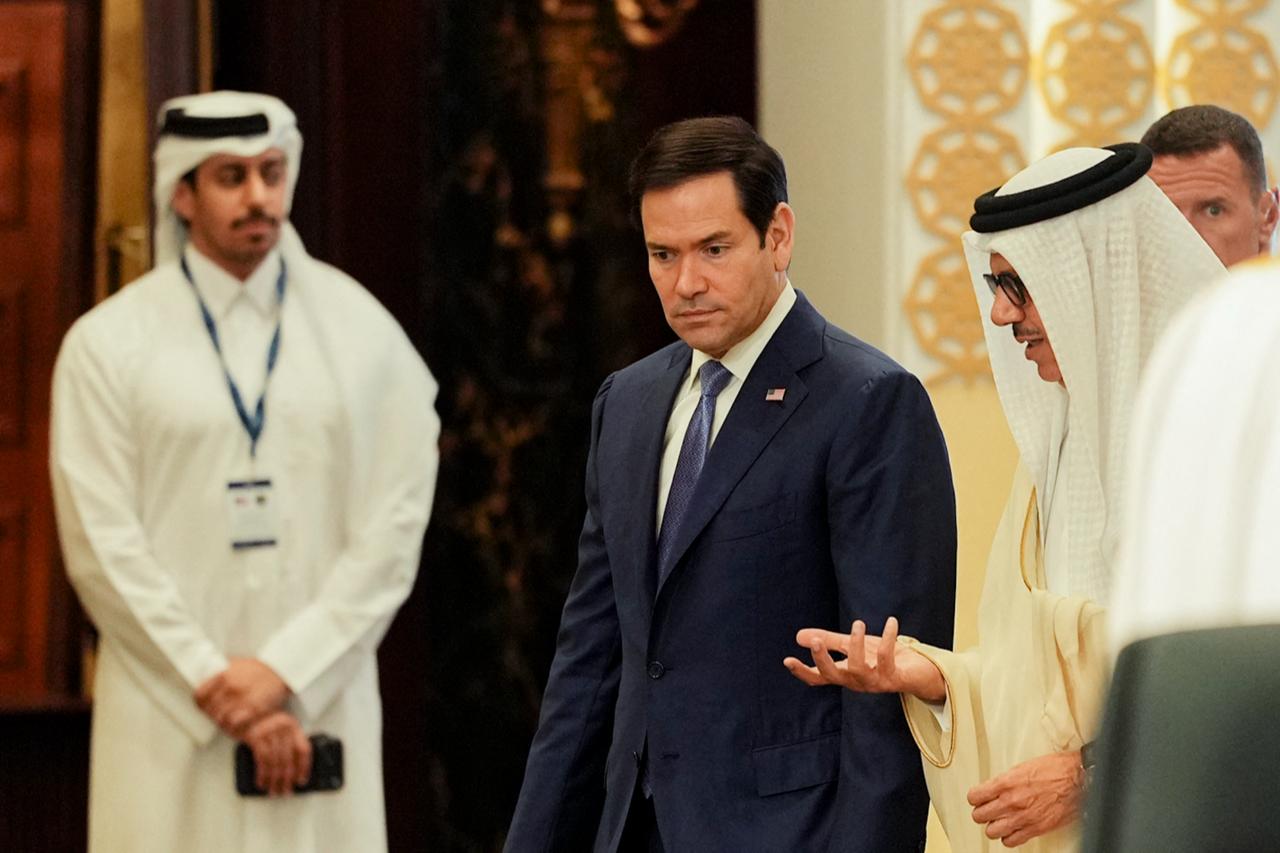


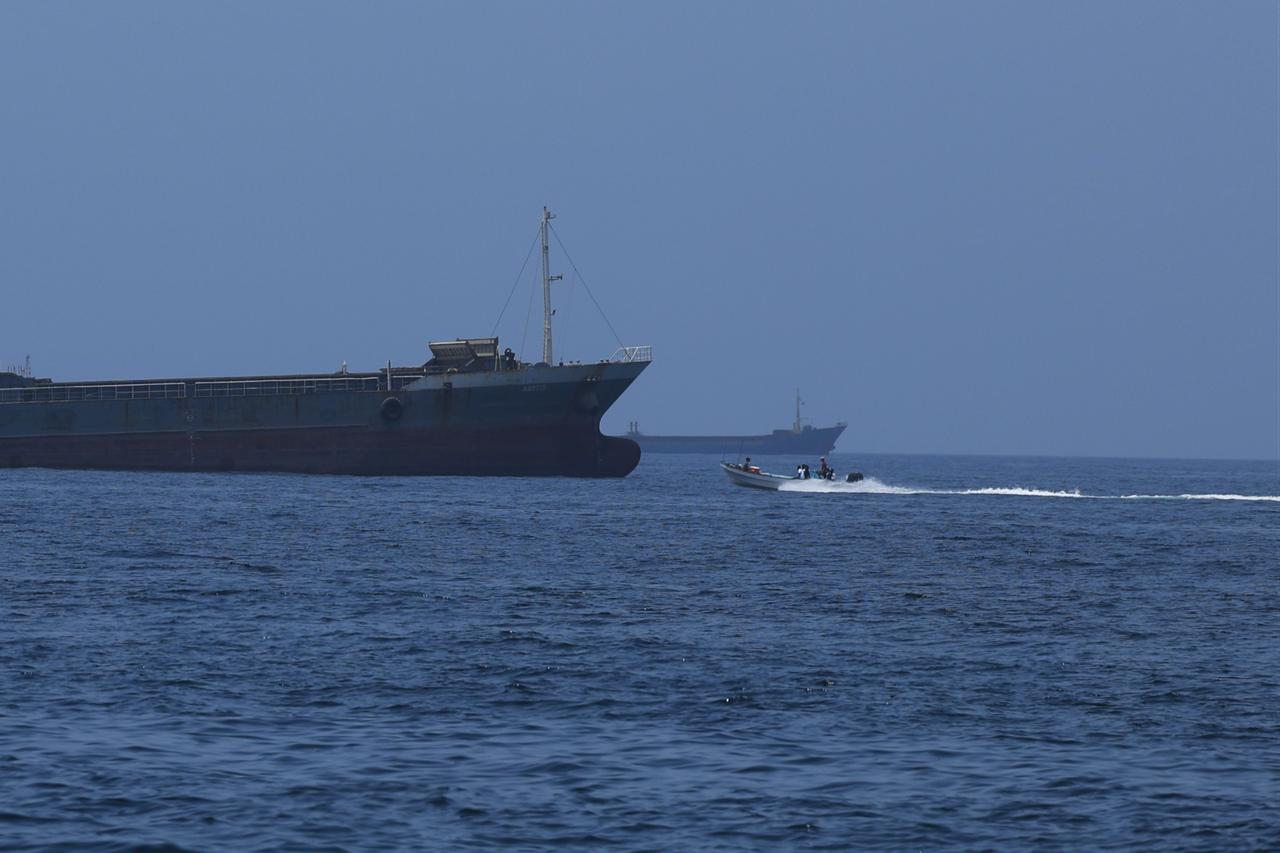
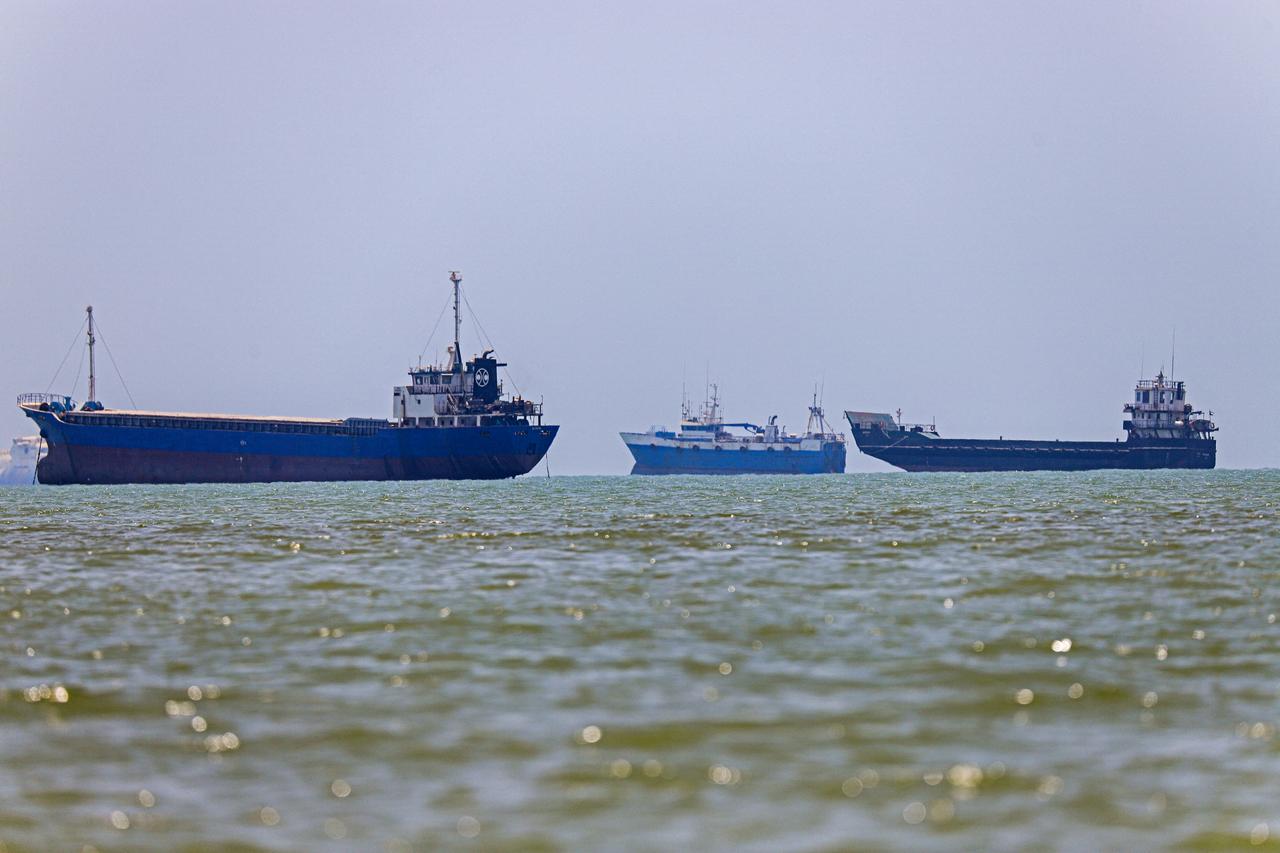
United States Secretary of State Marco Rubio said Thursday that Gulf nations have "zero support" for any tolls or fees on vessels using the Strait of Hormuz.
"There is zero support among the Gulf countries for any sort of toll or fees or anything that charges for the use of international waters," Rubio told reporters in Bahrain.
Rubio said he had a "really good meeting with the Gulf countries," adding that "they shared with us some very concrete concerns, ideas."
"As we enter these negotiations with Iran at both the technical and political levels, and we want them to be involved," he said, adding that the U.S. "will not be making any decisions or commitments that in any way undermine the prosperity, stability, or security of our Gulf partners."
Rubio said a proposed $300 billion reconstruction fund for Iran was not discussed with Gulf countries.
"That's way down the road, and that's something you know that will be dealt with at the appropriate time in this process," he said.
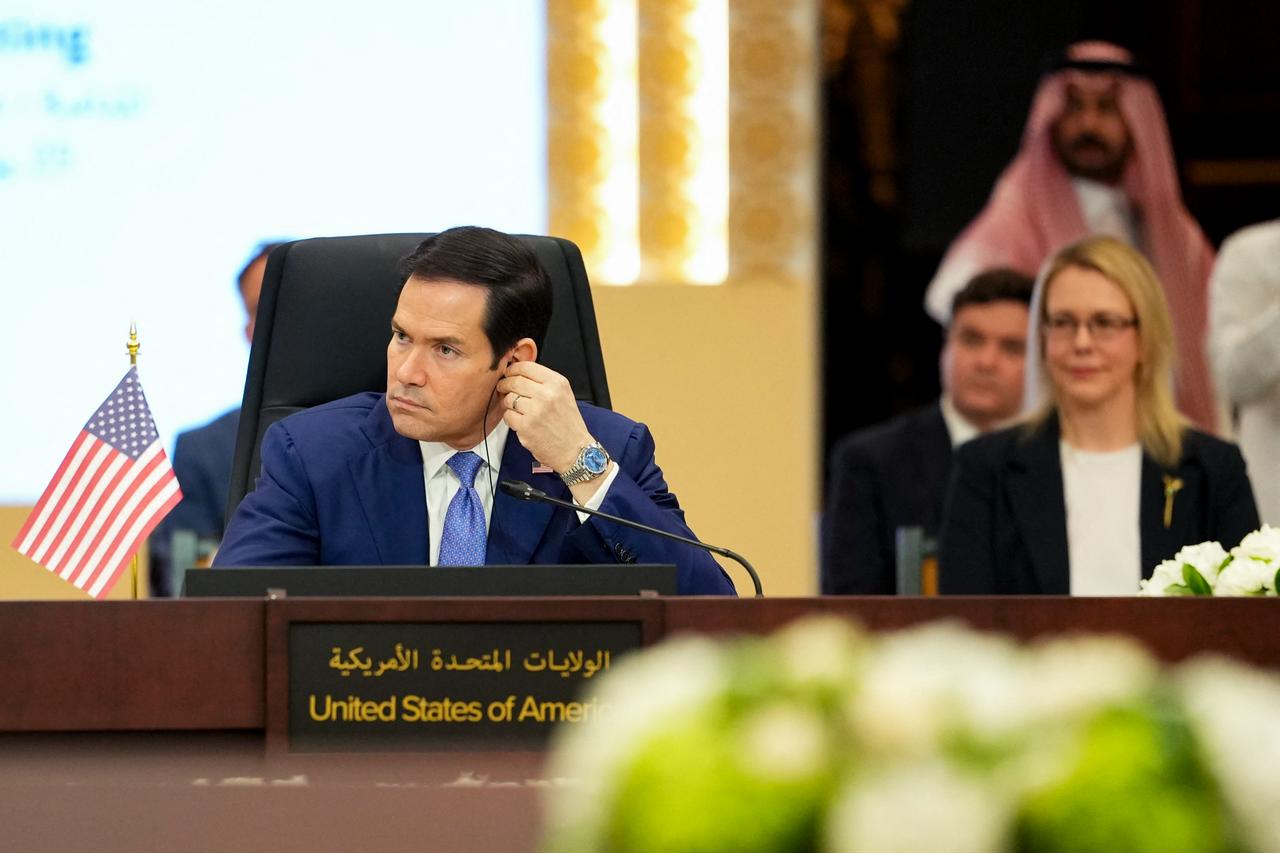

Commenting on ongoing negotiations between Israel and Lebanon, Rubio said Washington was hopeful the two sides were close to reaching a commitment of intent.
"We are very close in our hopes of getting a commitment of intent between the two countries that I think begins to outline a promising future," Rubio said.
"It will be a process, it will take some time, it will take a lot of work, but I can tell you that for the first time in 30 years, the sovereign government of Lebanon is speaking to the government of Israel, directly," he added.
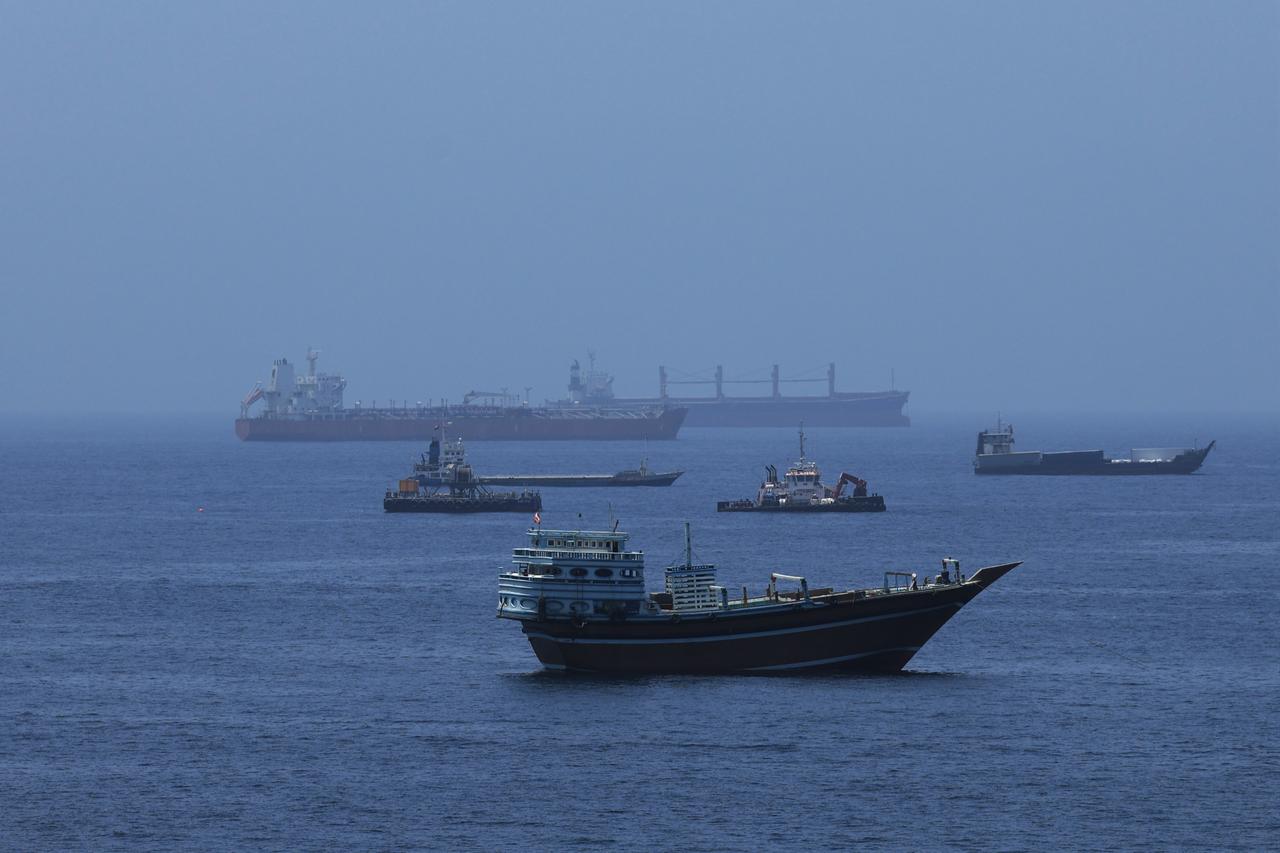
Iranian Foreign Minister Abbas Araghchi and Omani Foreign Minister Badr Albusaidi discussed coordination on navigation through the Strait of Hormuz and broader regional developments in a phone call Thursday, Iran's Foreign Ministry said.
The two sides reviewed maritime transit arrangements through the strategic waterway and temporary measures envisioned for a 60-day period.
They stressed the need for continued technical and expert-level engagement to facilitate navigation and address potential issues during the interim period.
The ministers also welcomed the outcome of a recent Iranian delegation visit to Muscat and pledged to maintain diplomatic cooperation on shared interests through bilateral channels.
Earlier Thursday, Albusaidi said future arrangements related to the Strait of Hormuz would not involve any transit fees, reaffirming Muscat's commitment to free and secure passage through one of the world's most critical maritime and energy routes.
Speaking at a joint ministerial meeting between the Gulf Cooperation Council and the U.S. in Bahrain, Albusaidi said Oman, as a coastal state bordering the Strait of Hormuz, carries a special responsibility in supporting international efforts to secure maritime navigation in line with international law and the U.N. Convention on the Law of the Sea.
The GCC-U.S. meeting began in Manama on Thursday amid heightened regional tensions following U.S. and Israeli strikes on Iran in late February, which triggered Iranian retaliatory attacks against Israel and regional countries hosting U.S. military assets.
Iran and the U.S. later reached a 14-point understanding mediated by Pakistan. The agreement entered into force June 18 after being electronically signed by Iranian President Masoud Pezeshkian and U.S. President Donald Trump.
The agreement includes provisions on ending hostilities across multiple fronts, including Lebanon, reopening the Strait of Hormuz and lifting the U.S. naval blockade on Iran.


 Set as preferred source
 Set as preferred source


 1 min read
 1 min read