Newsletters


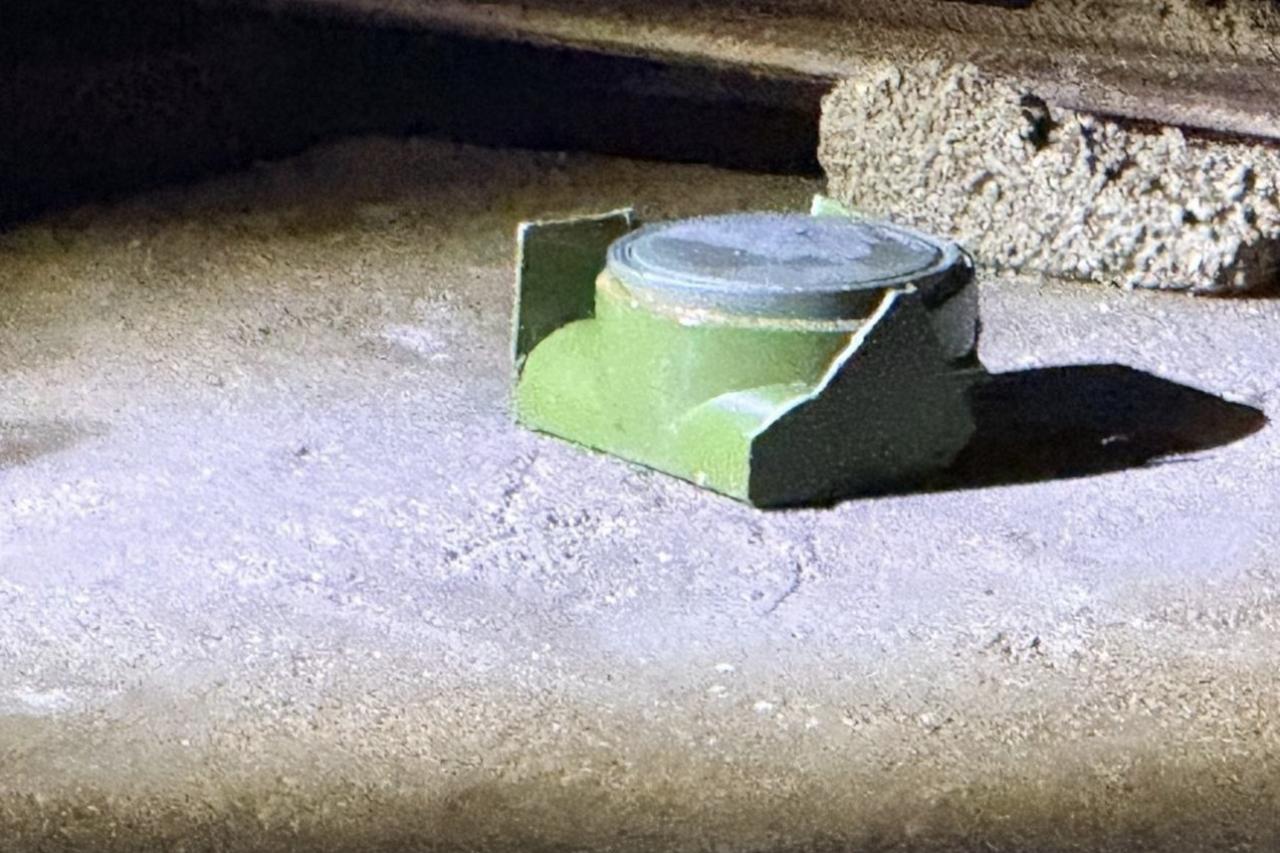


Human rights organizations issued stark warnings Thursday as confirmed reports showed U.S. anti-tank land mines have killed and wounded civilians in southern Iran. This marked the first confirmed American mine use in over 20 years and reigniting global debate over weapons that pose long-term dangers to civilian populations.
At least one person has been killed and several others injured by the mines in the village of Kafari near Shiraz, according to Iranian state media.
The deployment has drawn sharp criticism from international humanitarian groups, who say the use of land mines—particularly in proximity to residential areas—violates decades of advocacy work aimed at banning the weapons entirely.
"If confirmed, U.S. military use of its Gator mine scattering system, causing civilian deaths and injuries shows exactly why decades of work to ban these weapons cannot be undone without grave harm being the result," said Sarah Yager, Washington director at Human Rights Watch, speaking to The Washington Post, directly to the humanitarian stakes of the deployment.
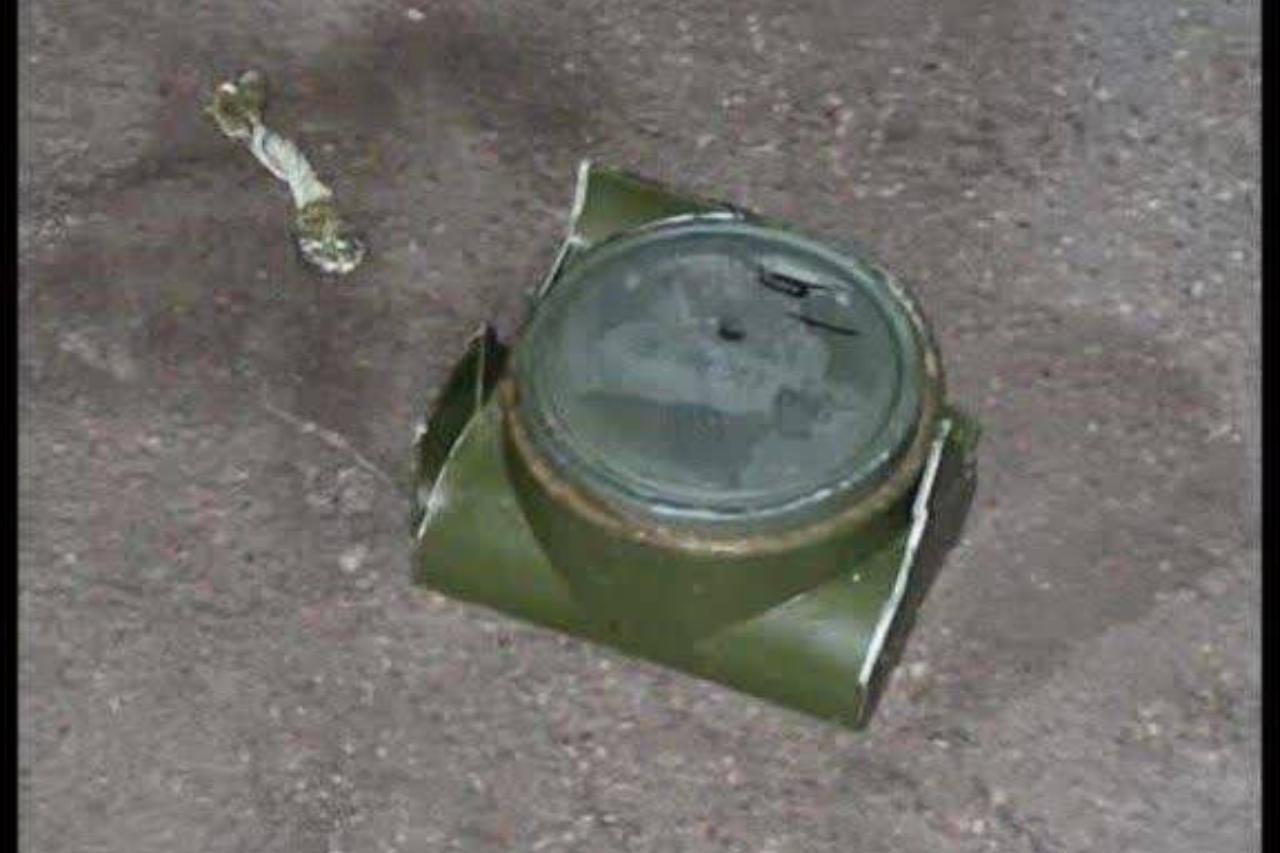
As reported earlier, four munitions specialists and the open-source investigations collective Bellingcat identified the devices as American-made BLU-91/B anti-tank mines, deployed near Shiraz South Missile Base.
The mines were found in the village of Kafari, approximately two kilometers from the reported entrance to the missile facility.
"While these land mines are meant to target armored vehicles, they can still be extremely dangerous to civilians," said Brian Castner, a weapons expert at Amnesty International.
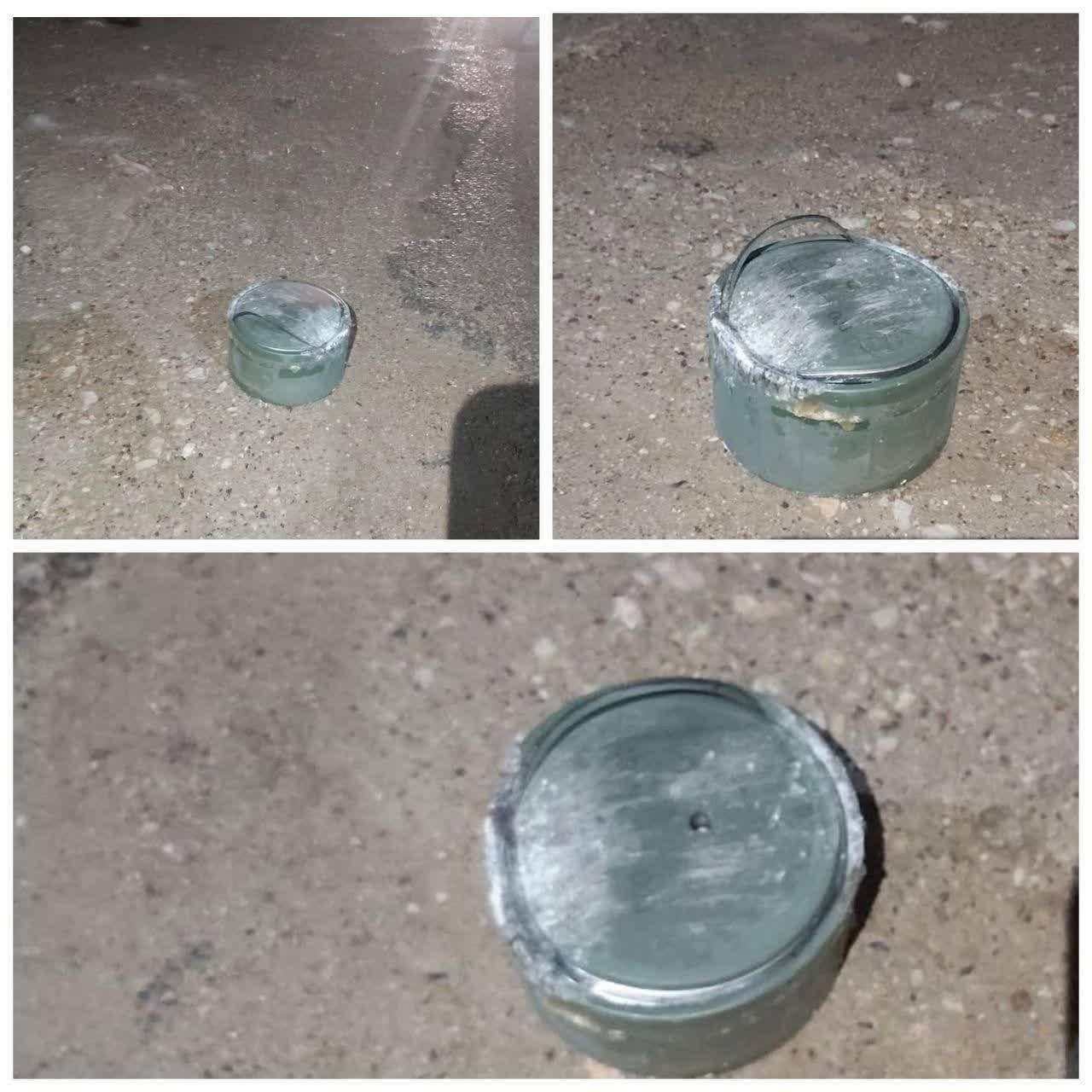

The mines pose significant hazards to civilian populations, with reports indicating that at least one death resulted from a resident picking up one of the devices. Both BLU-91/B anti-tank and BLU-92/B anti-personnel mines activate two minutes after deployment and feature self-destruct mechanisms with variable delays, meaning they may randomly explode hours or days after dispensing and can detonate if disturbed.
According to weapons specialists, the BLU-91/B mines contain approximately 0.585 kilograms of explosive configured as an Explosively Formed Penetrator designed for armor penetration, and detonate when triggered by a vehicle's magnetic field. However, they can still be dangerous to move and may inadvertently activate when civilians handle them.
The self-destruct feature can be set for four hours, 48 hours, or 15 days.
Iran's state news agency warned the public to avoid "any misshapen, deformed, or unusual metal cans," noting the explosives "resemble ready-made canned food, are somewhat larger than tuna cans, and contain explosives that detonate after being opened, causing casualties."
From a humanitarian viewpoint, there is concern about collateral damage from civilians inadvertently setting off the anti-tank mines or picking them up without knowing what they are.
Bellingcat noted that while the missile cities are removed from urban areas and sit within large, tightly controlled perimeters, any civilian access to the mines presents serious danger.
The deployment comes after a significant shift in U.S. policy toward land mines. Last year, the Trump administration rolled back a Biden-era directive that had restricted the use of antipersonnel mines to the Korean Peninsula.
The updated memorandum, signed by Defense Secretary Pete Hegseth, allows their use to be evaluated on a case-by-case basis while emphasizing efforts to minimize civilian harm.
This policy reversal has drawn sharp criticism from humanitarian organizations.
Human rights groups have consistently pushed for a worldwide ban on antipersonnel land mines, citing their long-term danger to civilians who can be killed, maimed, or blinded even years after conflicts end.
The last confirmed U.S. use of scatterable anti-tank mines in combat dates to the 1991 Gulf War.
The most recent known instance of American antipersonnel mine use occurred in Afghanistan in 2002, when Special Operations forces deployed them while awaiting helicopter extraction, according to Pentagon records.
According to military analysts, the mines were deployed near Shiraz South Missile Base, an Iranian underground facility housing mobile ballistic missile launchers.
The locations of the land mines could complicate movement around the mountainous facilities near Shiraz. Speaking to The Washington Post, Nicole Grajewski, an assistant professor at Sciences Po Paris who studies the Iranian military, said: "Iranian mobile launchers for ballistic missiles have operated in close proximity to the bases throughout the war."
The U.S. Army report on mine and countermine operations indicates that aerial dispensers used to release these weapons typically scatter dozens of mines at once, often combining both anti-tank and antipersonnel types.
The available images, however, show no evidence that antipersonnel mines were deployed alongside the anti-tank versions.
"The U.S. is the only participant in the war known to possess these mines," Bellingcat stated, adding, "They were developed after the U.S. stopped supplying arms to Iran."
The images of the land mines were first reported by the open-source investigations collective Bellingcat, and later confirmed by independent journalists, and state media outlet Islamic Republic of Iran Broadcasting.
While independent verification of casualty claims cannot be confirmed, the confirmed presence of the mines has already sparked urgent humanitarian warnings and renewed calls from international organizations for a global moratorium on mine use in civilian-adjacent areas.


 Set as preferred source
 Set as preferred source


 1 min read
 1 min read