Newsletters





Greece has launched and expanded a relocation incentive program aimed at reversing population decline in rural and border regions close to Türkiye.
The program offers financial support of up to €10,000 per household for people who move permanently to selected areas in northern Greece, including towns less than an hour from Istanbul.
The initiative targets villages and small towns facing long-term demographic pressure, particularly in Western Thrace and parts of northern Greece.
Greek authorities say the goal is to stabilize border regions, support local economies and encourage permanent settlement rather than short-term relocation.
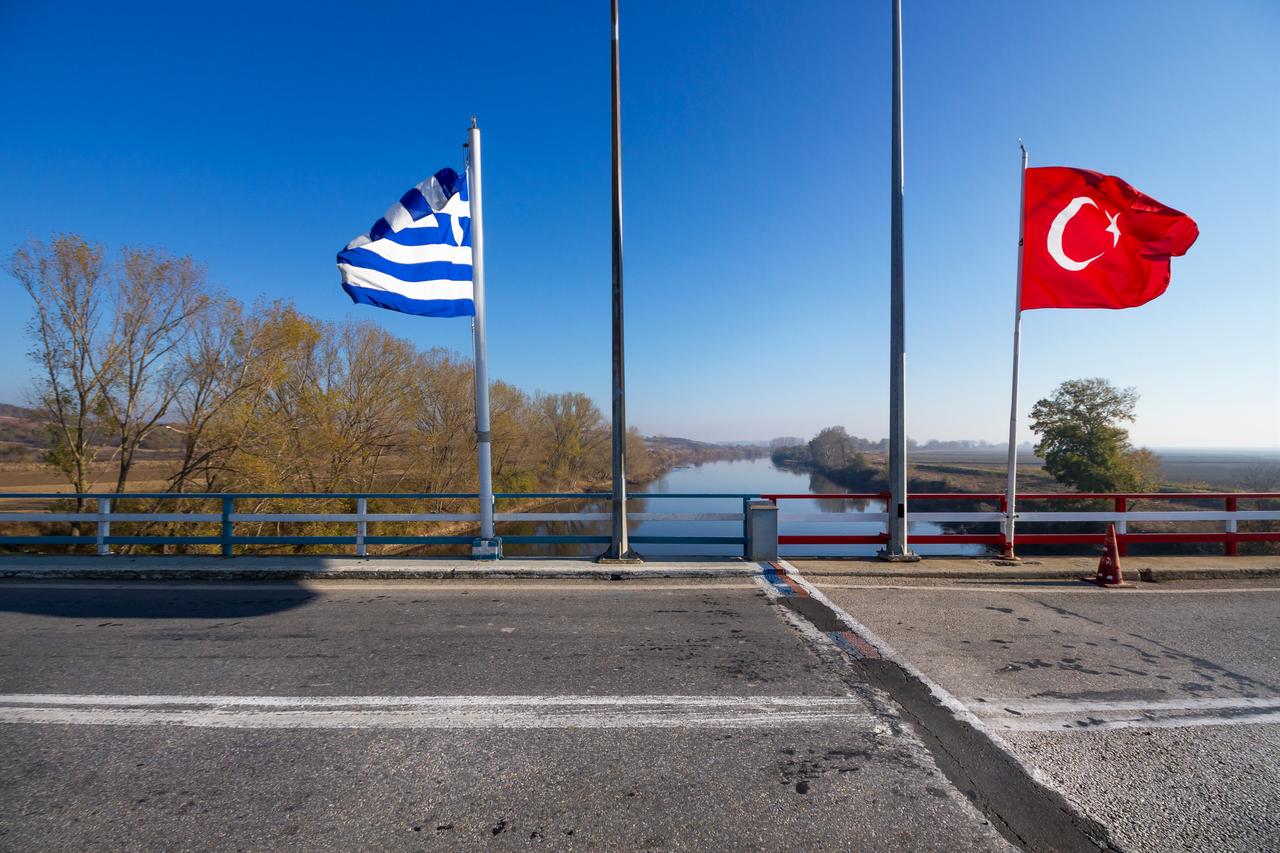

The relocation program currently applies to municipalities in Evros, near the Turkish border, including Soufli, Orestiada and Didymoteicho.
These towns sit roughly 20 to 25 minutes from the Türkiye–Greece border and are within about one hour of Istanbul by road.
Greek Social Cohesion and Family Minister Domna Michailidou said the program does not include income criteria. She said the aim is to encourage people to return to their hometowns, use existing property, or settle in areas offering a lower cost of living and improved quality of life.
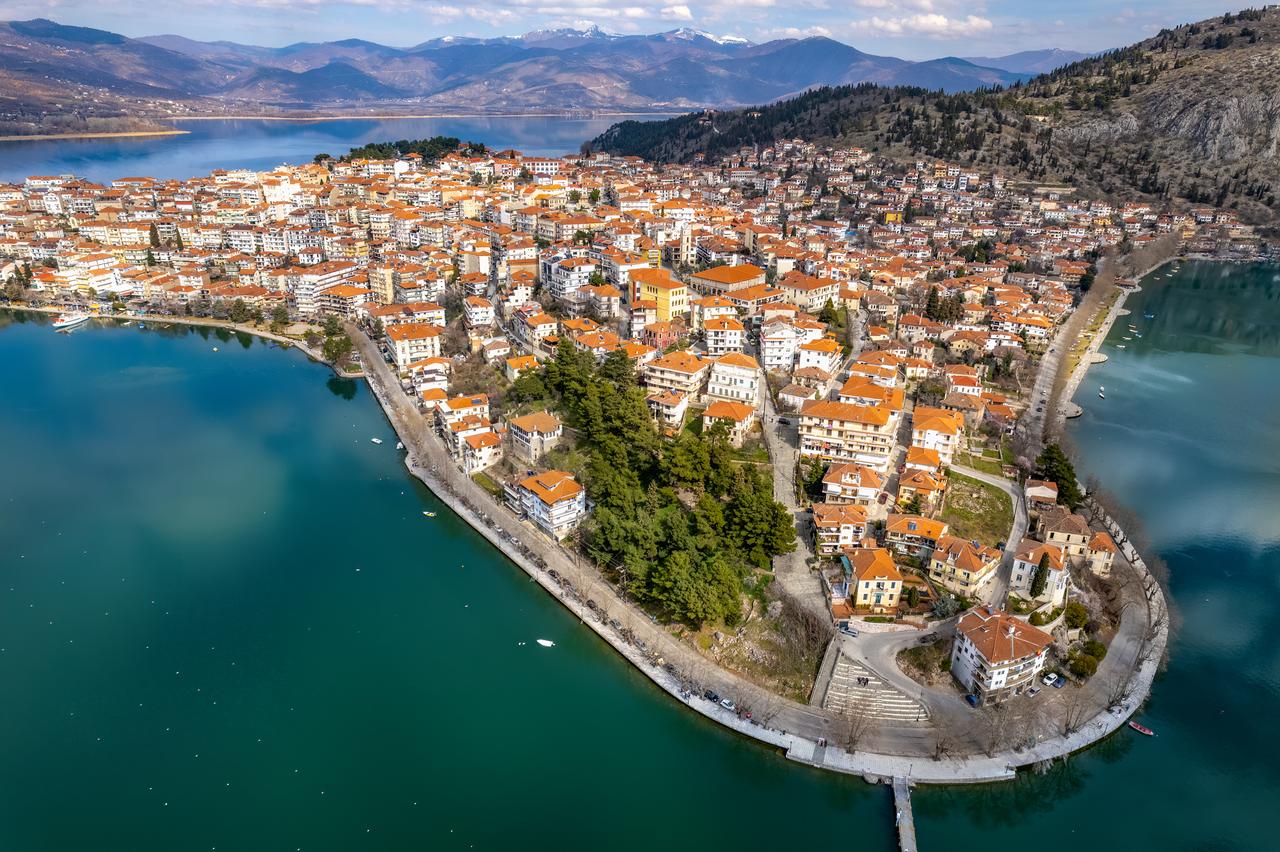
The government has also announced that the program will expand beyond Evros. New eligible regional units include Drama, Kilkis, Serres, Florina, Pella, and Kastoria.
Authorities said the program may later extend to other mainland and island regions facing similar demographic challenges.

The program is open to families and single-person households, but applicants must commit to permanent residence. Temporary or seasonal relocation does not qualify.
Applications take place online through the official government platform. Applicants select the settlement where they plan to live and submit household details.
Once approved, the financial support is paid in two installments. The first payment follows approval. The second payment requires proof that the applicant has lived in the area for at least one year.
Greek authorities and consulates publish updated terms and deadlines on official government websites. Officials advise applicants to rely only on these sources for current conditions.
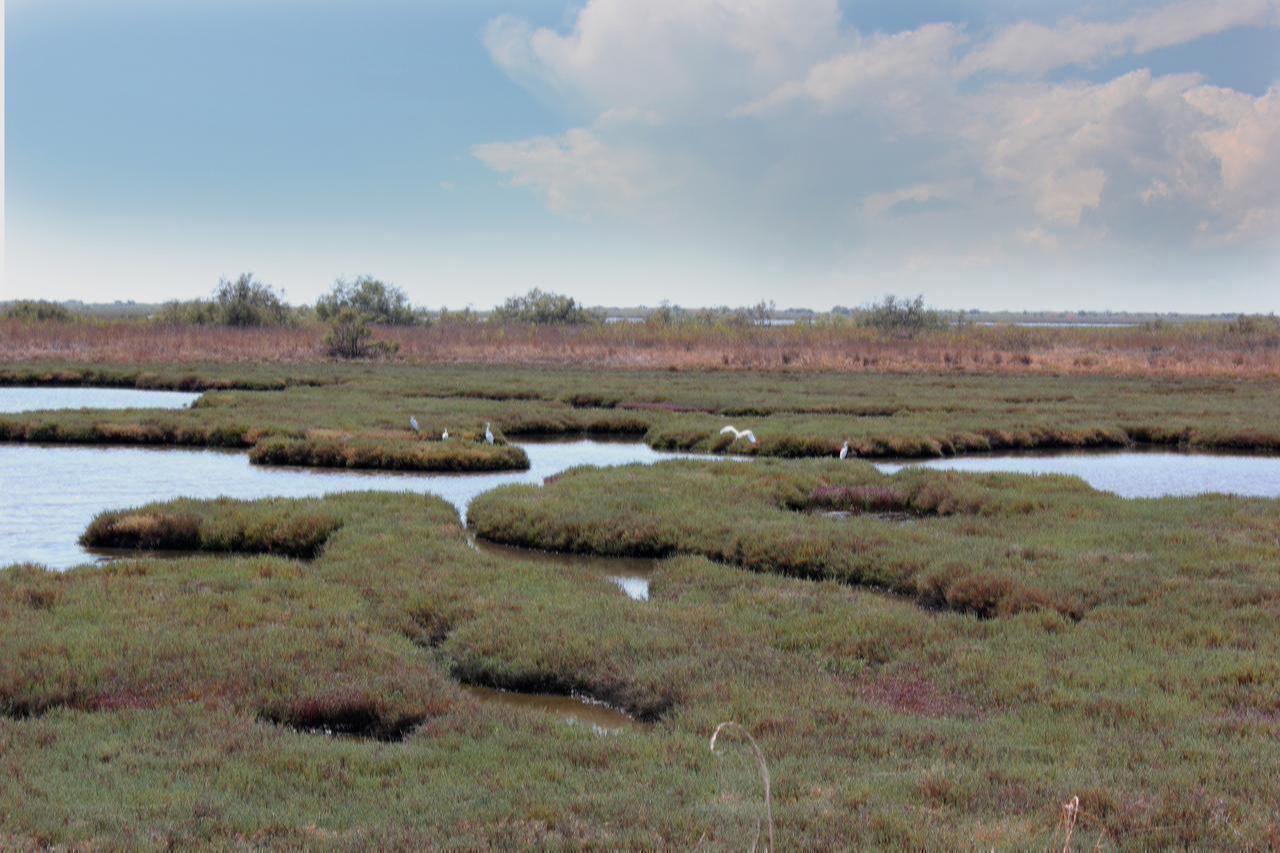
The relocation incentive forms part of a wider effort to support Evros after years of population decline and severe wildfires that hit the region in 2023.
Greek officials have linked the program to longer-term development projects, infrastructure upgrades, and job creation efforts.
The Evros Reconstruction Committee oversees a broader national development plan known as “Evros Meta,” which carries a total budget of €312 million.
Officials confirmed that €20 million has already been secured for initial projects, with funding expected to continue through national and European programs.
Plans discussed by officials include infrastructure improvements, transport projects, and proposals to expand higher education in the region. One proposal under discussion would establish a university department focused on food science and technology in Soufli, which currently has no university campus.
Local officials have acknowledged limits to the relocation scheme so far. According to regional reporting, only two applications met the criteria out of roughly 600 submissions during an earlier phase of the program, as reported by Eleftheri Thraki. Authorities say the expansion and added development projects aim to improve long-term results.
Greece says the relocation incentives are one part of a broader strategy to address demographic decline in border regions and to support communities facing economic and population pressure close to the Turkish frontier.
The areas covered by Greece’s relocation program lie directly along the Türkiye-Greece land border.
Towns such as Soufli, Orestiada, and Didymoteicho sit close to major crossings and transport routes used for trade, travel, and migration between the two countries.
Long-term population decline in these regions has reduced the number of permanent residents in small border communities. This has affected the continuity of daily life in settlements that depend on stable populations to sustain schools, healthcare access, and local services.
Although the program addresses domestic demographic decline, its geographic focus places it within a wider regional setting that includes Türkiye.
Population loss in border areas carries implications beyond local economics, given their location and role in border administration and cross-border activity.
Even though the relocation scheme is structured as an internal population policy, it can also be read as having cross-border relevance due to its location and scope.
The focus on permanent residence rather than temporary presence reflects an effort to maintain everyday administrative continuity in areas where border management, customs and local services operate on a daily basis.
In regions where Greece and Türkiye interact through land crossings and routine movement, stable local populations form part of the background conditions that allow these systems to function without disruption.


 Set as preferred source
 Set as preferred source


 3 min read