Newsletters





By late summer, unease over Turkish property buyers had begun to circulate in northern Greece.
In February, the concern moved from the streets to the state.
Greek national security agencies have launched an investigation into a surge in property acquisitions in Northern Greece by Bulgarian and Turkish nationals, according to reporting by Greek City Times, citing Bulgarian National Radio.
The focus is on the Evros region and Alexandroupoli, where lawmakers have raised concerns about foreign ownership of land, hotels and commercial properties.
Alexandroupoli is the largest city in the Evros regional unit, which forms Greece’s northeastern border with Türkiye.
Bulgarian nationals are reportedly buying abandoned homes in depopulated villages, while Turkish investors are said to acquire assets either directly or through Bulgarian-registered companies in which they hold shares.
Although legal experts emphasize that these transactions comply with European Union regulations, Greek authorities have framed the issue as a potential national security matter, warning that an expanding economic footprint in border regions could carry longer-term strategic implications.
The framing marks a shift in tone. What had been discussed primarily as market activity now appears under formal security review.
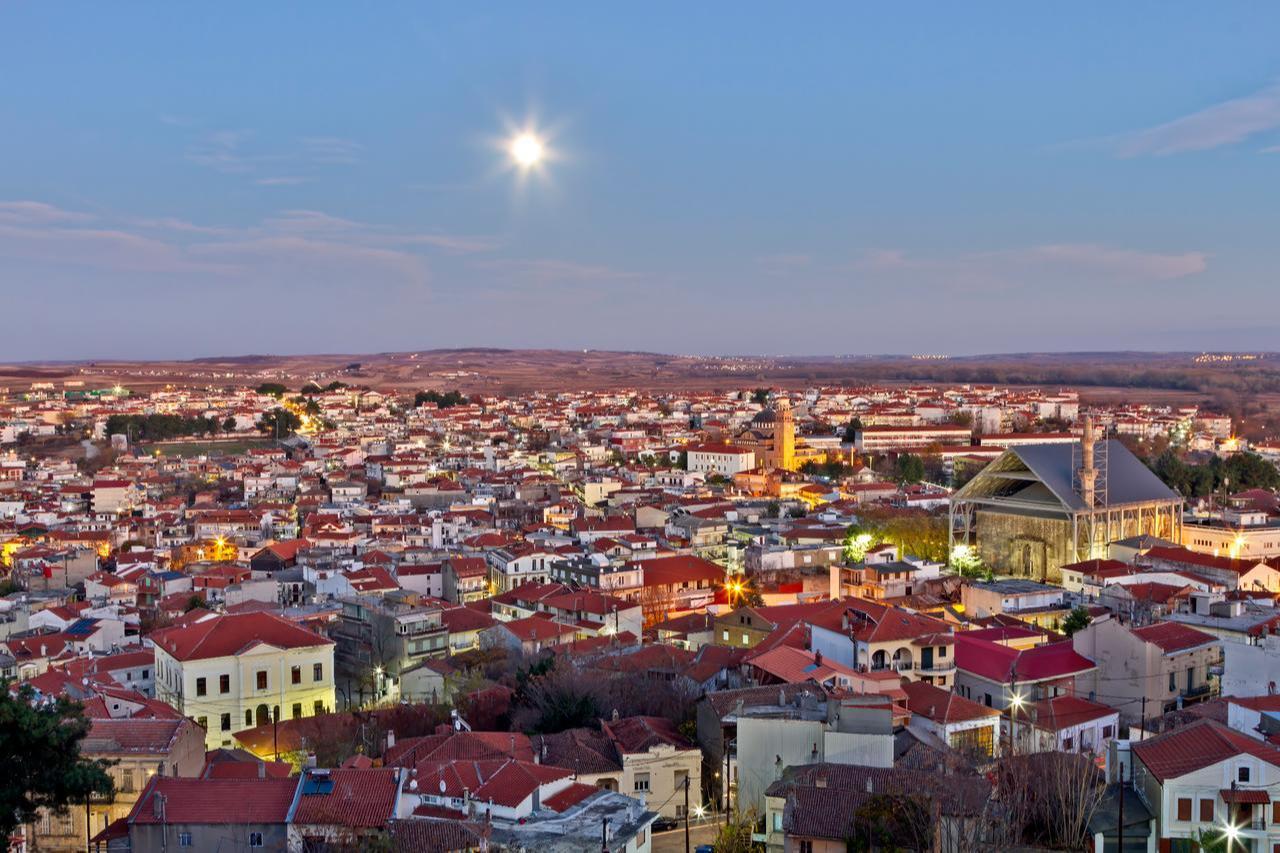

The anxieties described in the recent report had been laid, brick by brick, over the past years.
In late August 2025, Türkiye Today published a report from Alexandroupoli examining the economic and social impact of Turkish tourism and real estate investment in the region.
The report detailed persistent local rumors that Turkish investors had purchased well-known seaside restaurants and beach bars for sums reaching $1.5 million.
There were also widespread claims that a prominent investor had acquired large plots of land for around $4 million, with plans to develop dozens of luxury villas.
While many of these claims were difficult to independently verify due to limited transparency from real estate agents, their repetition revealed something important. Perception had begun to shape local sentiment.
Residents at the time described a growing discomfort with what they saw as a rapid expansion of foreign ownership. The unease was not framed as an official policy concern but rather as a social reaction to visible shifts in property control and rising prices.
The reporting also noted a paradox. Turkish tourism and investment were delivering clear economic benefits to the area. Businesses were thriving, hotels were full and cross-border demand was driving property values upward.
Yet the economic gains did not eliminate anxiety. Prosperity and suspicion appeared to develop in parallel.
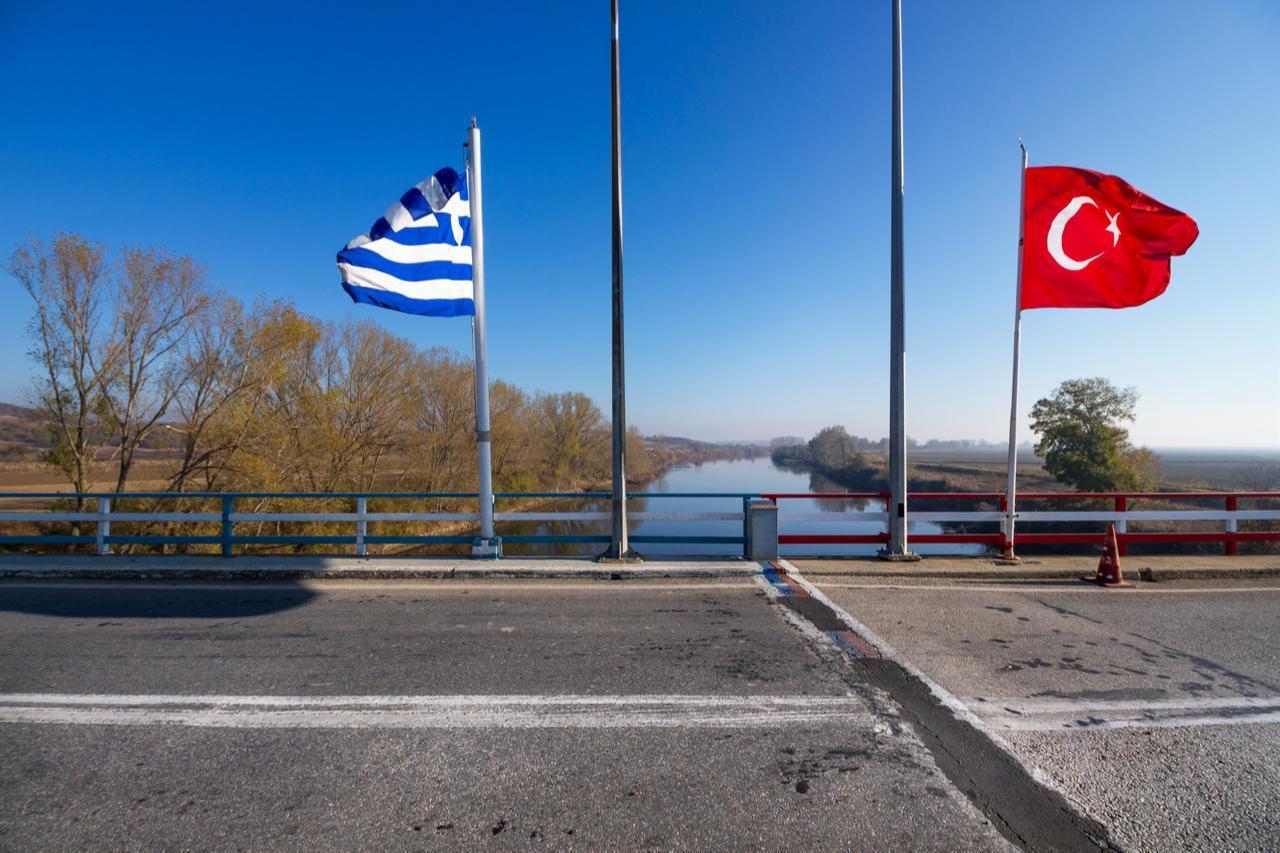
The February 2026 investigation signals an escalation in institutional response.
The Greek City Times report states that authorities remain cautious, warning that the expanding Turkish economic footprint, particularly in the Evros region, could form part of a longer-term strategy to exert influence.
If Greek security services are now examining property acquisitions as a strategic issue, the development raises a structural question: why have such transactions proceeded for years through fully legal domestic channels without earlier regulatory intervention?
Greek citizens are choosing to sell. Greek real estate agencies broker the transactions. Greek notaries register the contracts.
Under EU law, capital movement within the bloc remains protected. Even in cases where Turkish investors reportedly operate through Bulgarian-registered entities, the transactions are described as compliant with existing European frameworks.
This does not negate legitimate security considerations, as border regions often carry strategic sensitivity.
However, the responsibility for legislative safeguards and oversight mechanisms rests with domestic institutions.
If vulnerabilities exist within current frameworks, they are regulatory matters rather than the result of unilateral action by foreign buyers operating within the law.
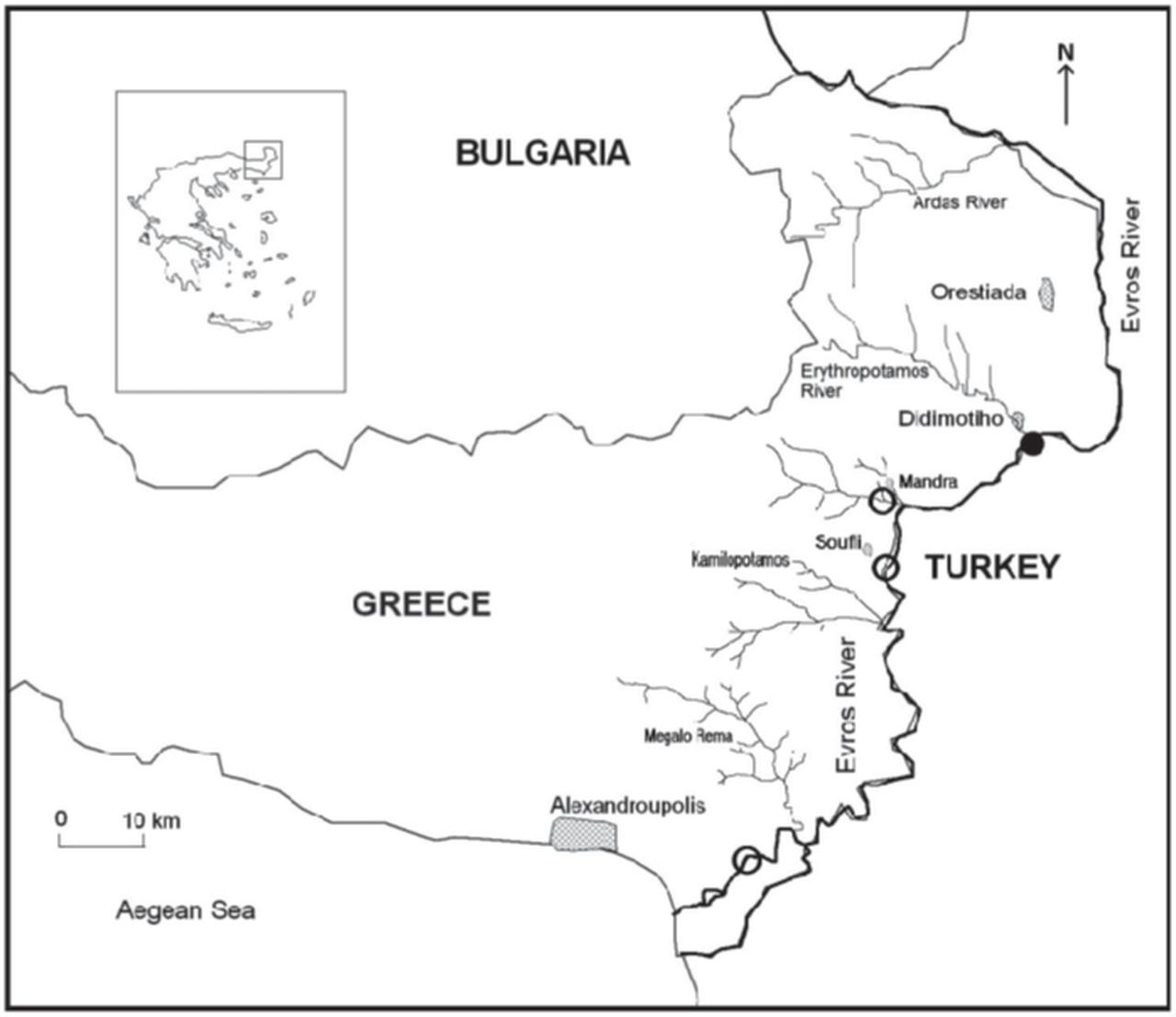
The answer depends on how one reads the map.
The Evros regional unit has a population of 134,776, according to Greece’s 2021 census. Alexandroupoli accounts for more than 64,000 residents, making it the largest urban center along Greece’s northeastern land border with Türkiye.
Yet demographic decline has been a persistent concern. In December 2025, Greece expanded a relocation incentive program offering up to €10,000 per household to encourage permanent settlement in border municipalities, including Soufli, Orestiada and Didymoteicho.
Greek officials framed the initiative as an effort to stabilize border communities, strengthen local economies and counter long-term population loss near the Türkiye frontier.
The program itself signaled what census figures had already made clear: Evros is losing residents and struggling to maintain demographic continuity. Against that backdrop, foreign property acquisitions can assume heightened symbolic weight.
In a region where the state is offering financial incentives to attract permanent residents, questions of ownership are unlikely to remain purely economic.
Evros sits at the intersection of population decline and geopolitical sensitivity, where even lawful market activity can carry political weight.


 Set as preferred source
 Set as preferred source


 3 min read