Newsletters


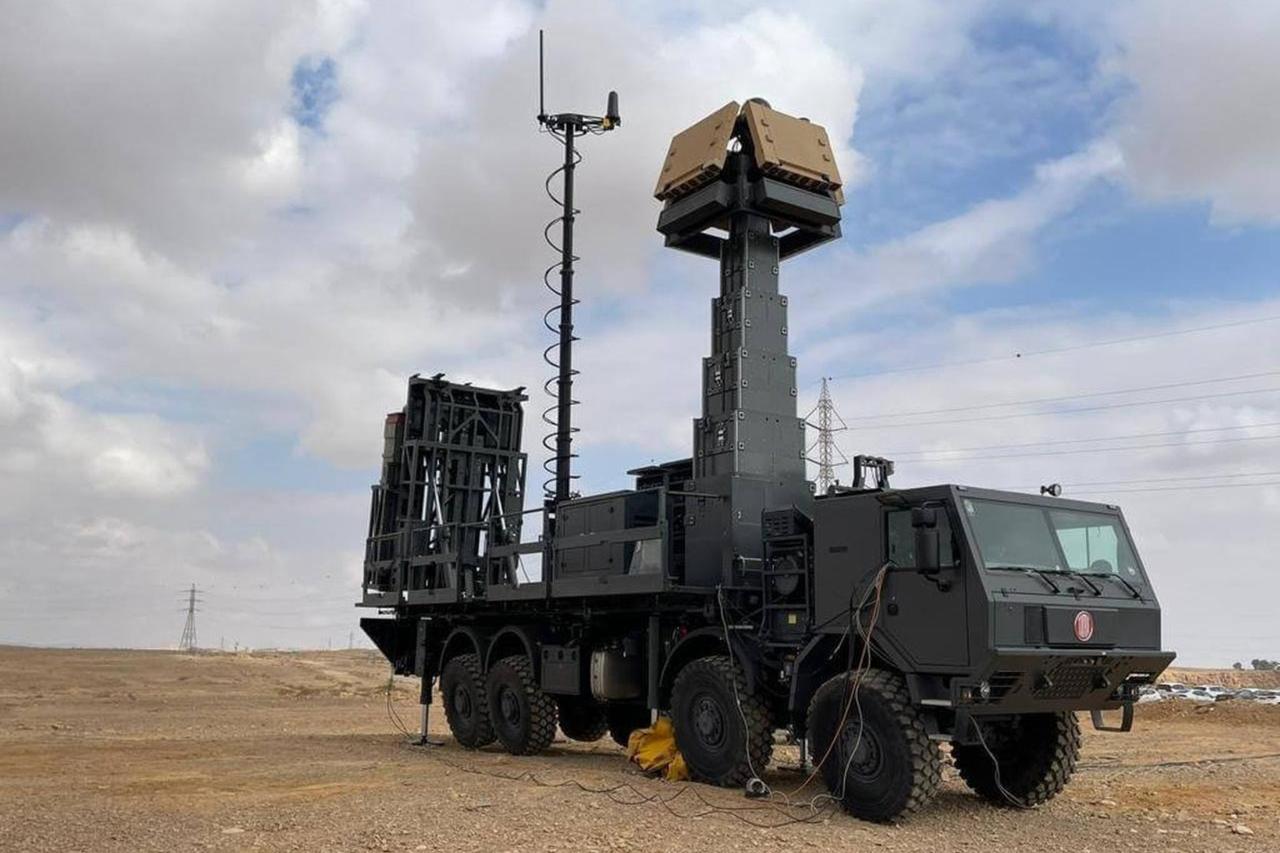


Greece is expected to sign a $3.6 billion agreement with Israel on Monday to acquire three Israeli air defense systems and build a nationwide multilayered defense network known as “Achilles Shield,” The Jerusalem Post reported.
A Greek delegation is expected to sign the agreement with Israel’s Defense Ministry in Tel Aviv after nearly three years of negotiations. Neither Greece nor Israel had officially confirmed the deal as of Sunday evening.
The agreement reportedly covers the David’s Sling, SPYDER and Barak MX systems, which would be integrated with Greece’s existing air defenses, including Patriot systems, under a unified command network.
The Jerusalem Post described the system as intended to protect Greece against potential threats from Türkiye and Iran.
Rafael Advanced Defense Systems is expected to receive the largest share of the contract.
The company would supply David’s Sling, designed to intercept heavy rockets and ballistic missiles, as well as mobile SPYDER systems intended to counter drones and other airborne threats.
Israel Aerospace Industries, or IAI, would provide the Barak MX system, designed to intercept aircraft and missiles.
The project also includes a national command-and-control center linking the systems and coordinating interceptions, similar to the network used in Israel.
The network is expected to use artificial intelligence to process information from radar and sensors, classify threats and determine the appropriate interception system.
SPYDER batteries are expected to be deployed on Greek islands, including popular vacation destinations visited by Israeli tourists.
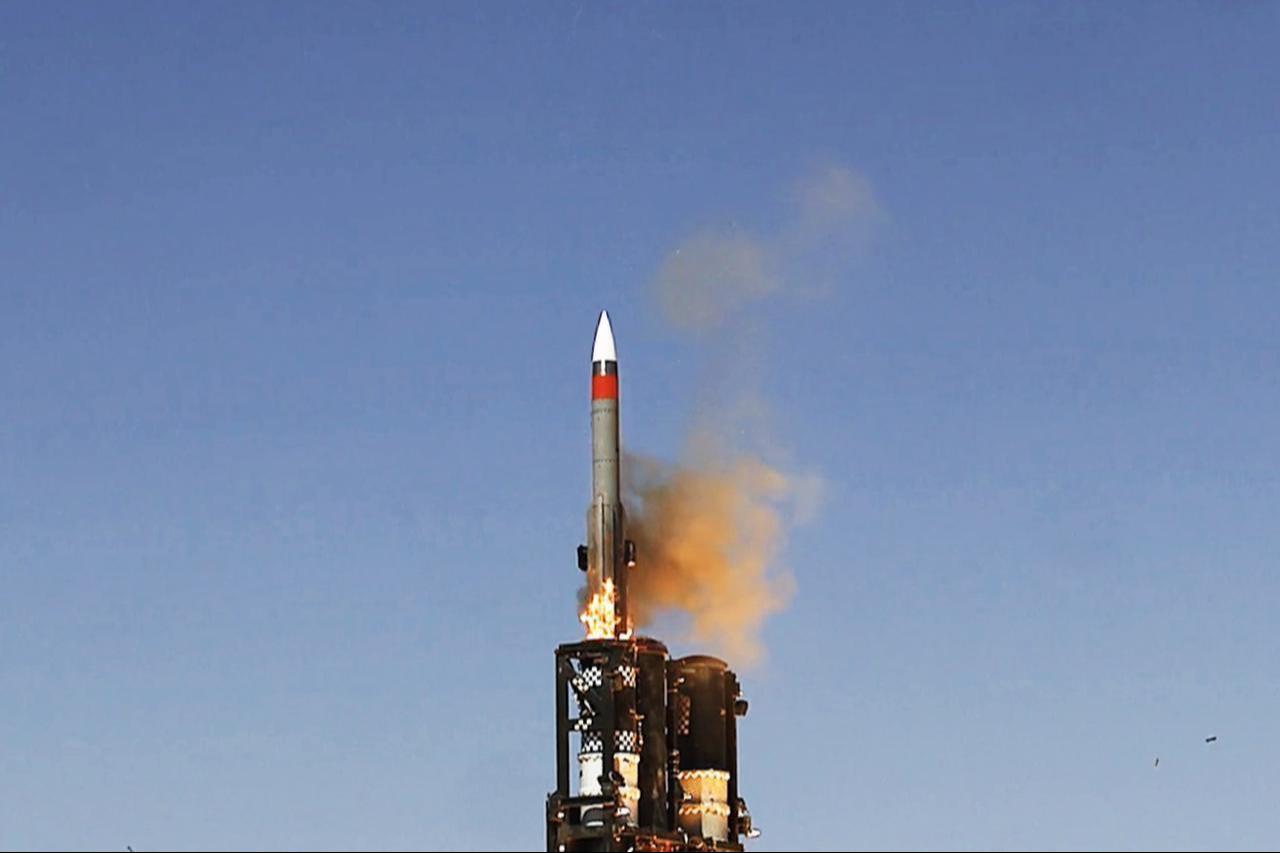

Israeli financial newspaper Calcalist and news website Yedioth Ahronoth reported that the €3.1 billion ($3.6 billion) project would be implemented in three stages over roughly 35 months.
Greek defense companies are expected to receive about €700 million in work as subcontractors for Rafael and IAI.
Calcalist said 12 Greek companies would account for at least 25% of the project after Athens sought greater domestic participation and technology transfer during negotiations.
The talks also included Greek access to the systems’ software source code, which would give Athens greater autonomy over future maintenance and upgrades, according to the report.
Greek daily Kathimerini also reported Friday that the agreement was valued at about $3.6 billion and was expected to be signed Monday.
If signed at the reported value, the agreement would surpass Israel’s $3.5 billion sale of the Arrow 3 missile defense system to Germany in 2023, which is currently Israel’s largest defense export deal.
The Jerusalem Post said the agreement would provide Greece with an integrated, multilayered air defense network for the first time.
Greece is already a major customer of Israel’s defense industry, having purchased Spike missiles and SPICE precision-guided bombs from Rafael, Rampage missiles from Elbit Systems and IAI, and Heron 2 drones from IAI.
Elbit Systems also announced a $2.3 billion deal with an unidentified foreign customer this year, while Rafael signed a framework agreement with Romania for SPYDER systems worth $2 billion.
The Jerusalem Post said the air defense agreement is expected to further strengthen the strategic partnership between Greece and Israel, with Israel playing a key role in protecting Greek airspace.
Greece, Greek Cyprus and Israel have strengthened security coordination in recent years amid growing tensions with Türkiye.
Greek Cyprus has also reportedly purchased Israel’s Barak MX system to defend its airspace, according to foreign reports.


 Set as preferred source
 Set as preferred source


 1 min read


 1 min read