Newsletters


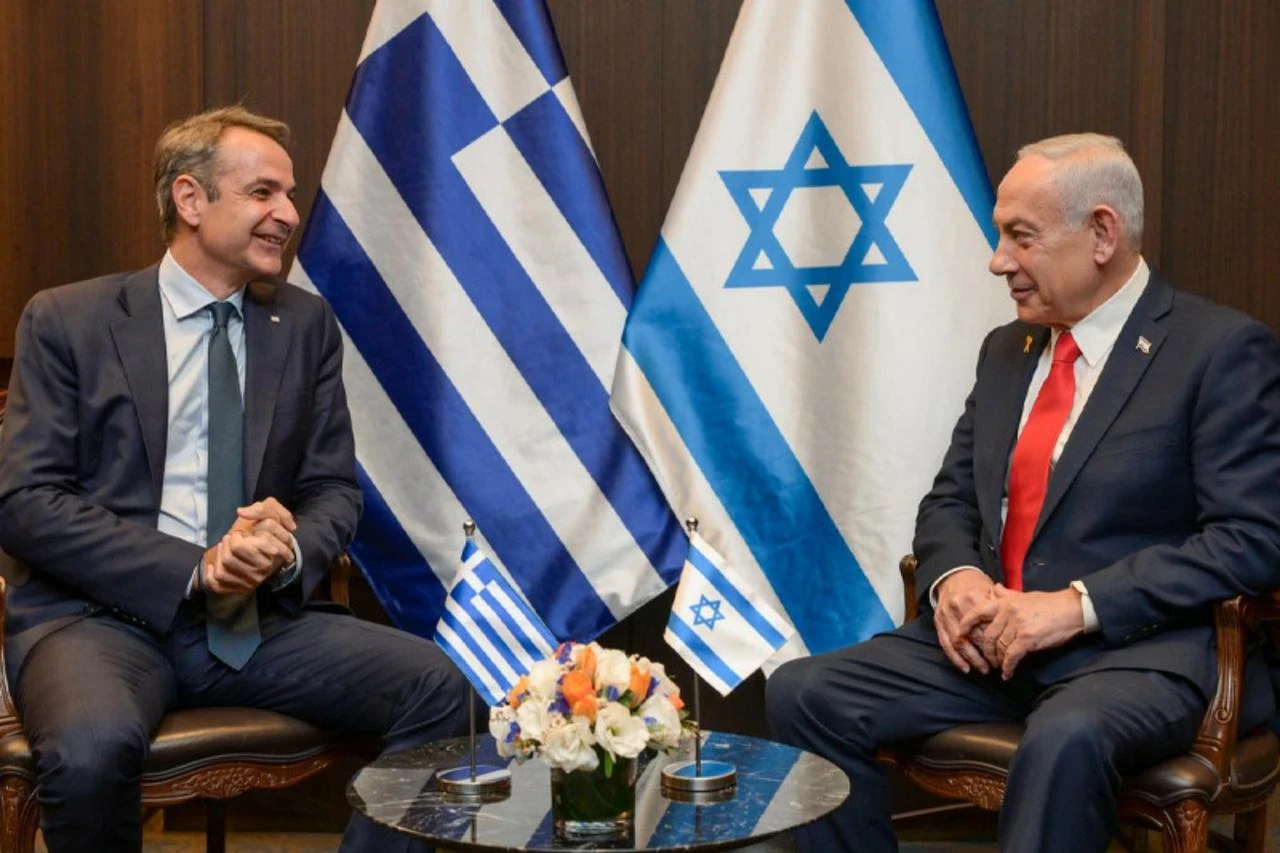


Greece joined the European Commission and six other countries on Friday in urging Israel to immediately retract plans for the E1 settlement project in the occupied West Bank, adding pressure from a country that maintains a strategic partnership with Israel.
Austria, Spain, Australia, New Zealand, Sweden and Belgium also joined the statement, which was originally issued Thursday by the leaders of the UK, France, Germany, Italy, the Netherlands, Canada and Norway.
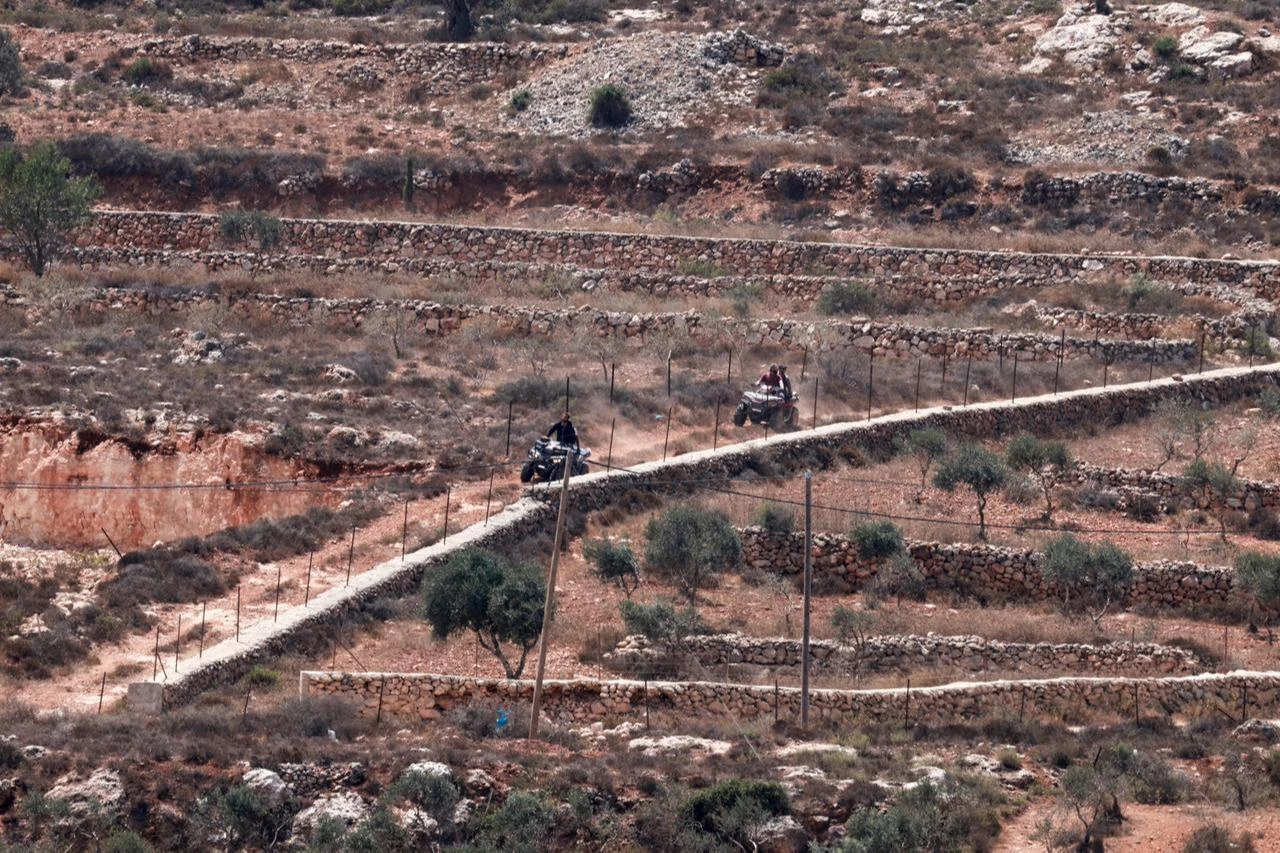
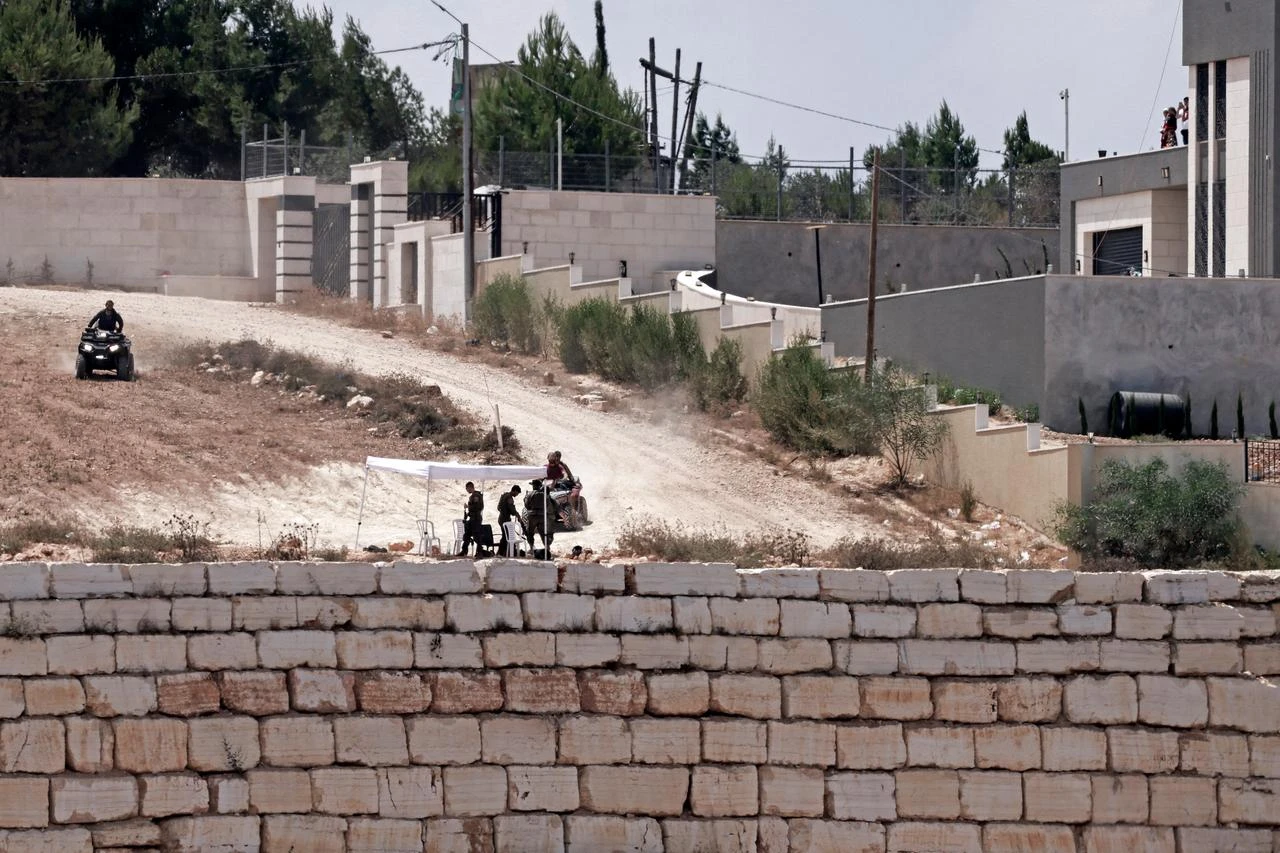
The E1 plan covers roughly 12 square kilometers of land between East Jerusalem and the Israeli settlement of Ma’ale Adumim. The project includes thousands of housing units as well as roads and other infrastructure and is intended to expand the settlement area east of Jerusalem.
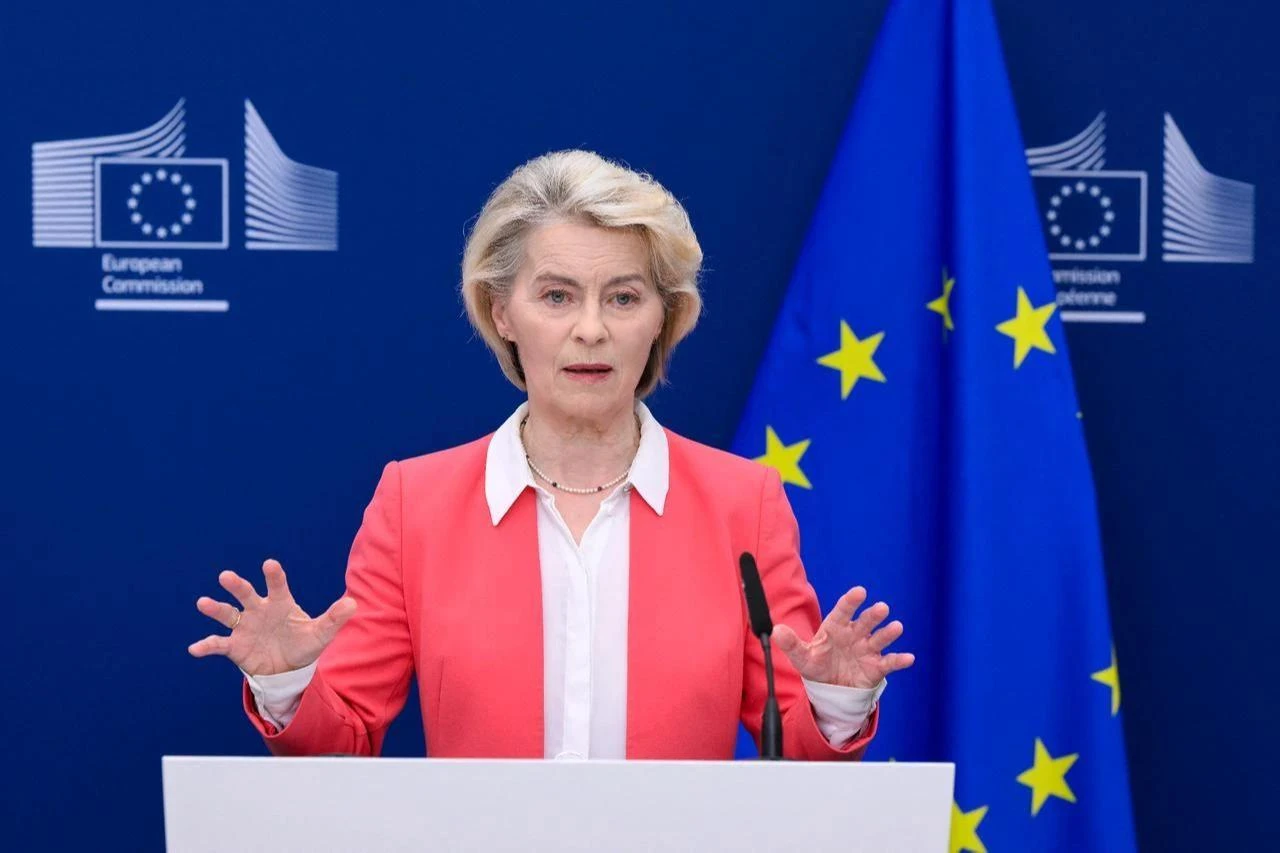
European Commission President Ursula von der Leyen separately described Israel’s decision to publish construction tenders for the E1 project as “unacceptable” and warned that the move could undermine prospects for a two-state solution.
"The Israeli Government’s decision to publish construction tenders for the E1 settlement project is unacceptable," von der Leyen wrote in a post on X.
She added that the European Commission had long opposed the move, arguing that the project would divide the West Bank and break the territorial continuity of the Palestinian territories.
Von der Leyen reiterated the European Commission’s commitment to "a just and lasting peace based on the two-state solution."

The joint statement described Israeli settlements in the occupied West Bank as illegal under international law and called on the Israeli government to reverse its decision.
"International law is clear that Israeli settlements in the West Bank are illegal," the statement said, referring to the position of the international community reaffirmed by the United Nations Security Council.
The countries raised concerns over grave instability in the West Bank, including unprecedented levels of settler violence against civilians and serious restrictions on the Palestinian economy.
"We urge the Government of Israel to retract these plans immediately and end its expansion of settlements in the West Bank," the statement said, warning that the plans would take the parties further from peace and further undermine Israel’s international standing.
They also warned businesses against bidding for construction tenders linked to the project, citing potential legal and reputational consequences and the risk of involvement in serious breaches of international law.
The statement reaffirmed the countries’ commitment to a comprehensive, just and lasting peace based on a two-state solution.
Greece’s decision to join the statement comes despite its close relationship with Israel, which Athens describes as having developed into a strategic partnership covering defense, energy, trade, tourism, technology and other areas.
Greek Prime Minister Kyriakos Mitsotakis and Israeli Prime Minister Benjamin Netanyahu reaffirmed the strategic nature of their relationship during a meeting in Jerusalem in March 2025, with Mitsotakis highlighting economic and defense cooperation between the two countries.
The two countries have also deepened military cooperation. In April 2026, Israel and Greece signed a defense agreement worth approximately $750 million for the supply of PULS rocket artillery systems to the Hellenic Armed Forces. Israel’s Defense Ministry described the deal as reflecting growing defense cooperation between the two countries.
Greece, Israel and the Greek Cypriot Administration of Southern Cyprus have separately maintained a trilateral partnership focused on security, stability and cooperation in the Eastern Mediterranean.
At their 10th trilateral summit in Jerusalem in December 2025, the three leaders agreed to strengthen cooperation and expand joint initiatives.


 Set as preferred source
 Set as preferred source


 1 min read
 1 min read