Newsletters


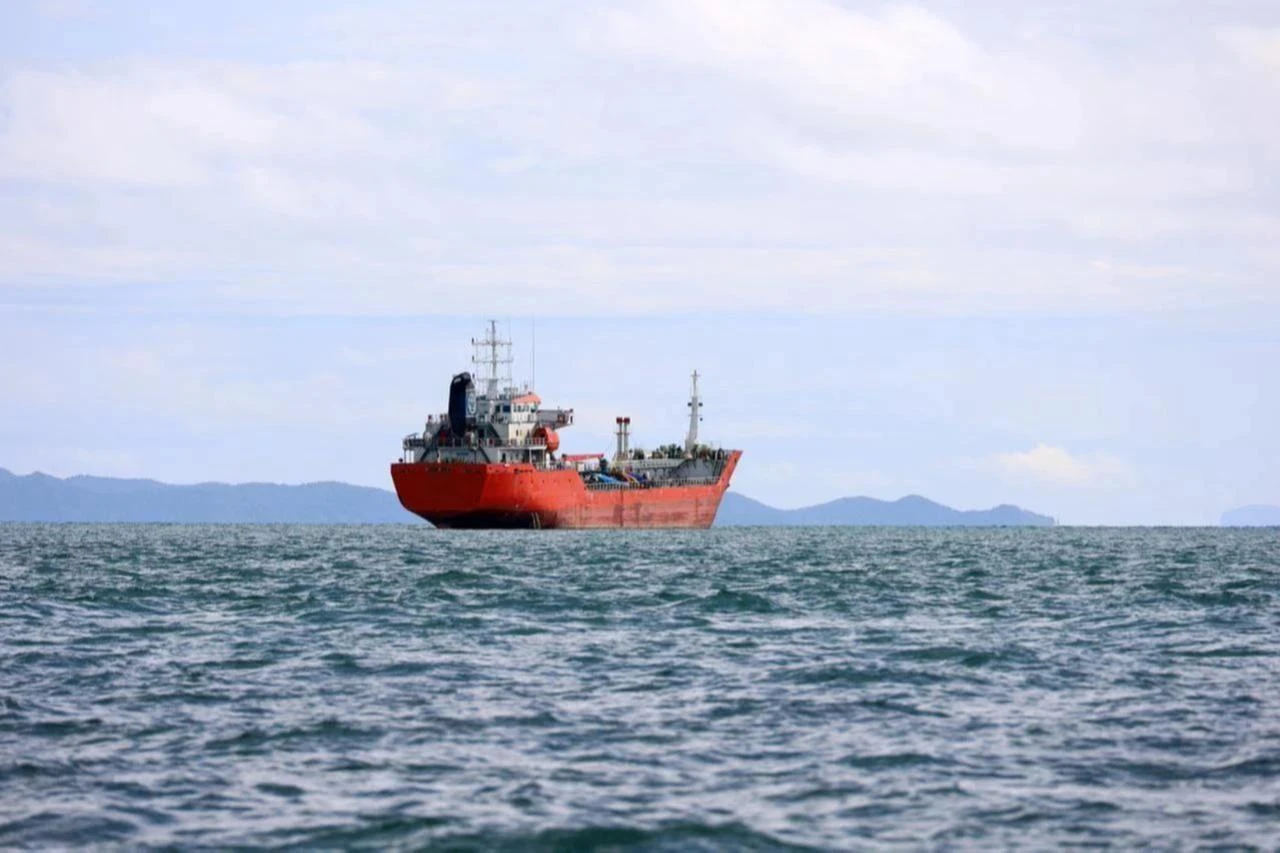


A Greek-run oil tanker was attacked in the Black Sea on Sunday after loading Russian-origin crude at the Caspian Pipeline Consortium terminal near Russia’s Novorossiysk port, Bloomberg reported Monday, citing people familiar with the matter.
The Suezmax-class Skiros, which can carry about 1 million barrels of oil, was attacked close to the CPC terminal after completing its loading, the people said, asking not to be identified because the information was not public.
Although the CPC terminal primarily handles crude from Kazakhstan, the cargo aboard the Skiros originated in Russia, according to Bloomberg.
The Athens-based company listed by Equasis as the vessel’s manager said there were no injuries or pollution from the incident and that the ship’s owners were aware of what had happened. The company declined to comment further.
CPC also declined to comment on its operations or matters involving producers’ oil shipments.
A spokesperson for Ukraine’s General Staff told Bloomberg that he “has no data to comment on the issue.”
The incident was the first attack on a vessel calling at the CPC terminal after nearly three weeks without such strikes.
The terminal near Novorossiysk is a critical export route for Kazakh crude. CPC cargoes recently accounted for almost 2% of global oil supplies, according to Bloomberg.
Repeated drone attacks last month disrupted the loading of CPC cargoes and forced oil fields in Kazakhstan to reduce production.
Russia and Kazakhstan condemned what they described as Ukrainian drone attacks last month on vessels loading oil at the CPC marine terminal.
Kyiv has acknowledged responsibility for some attacks on Russian energy infrastructure, saying the strikes are intended to deprive Moscow of resources used to finance its war in Ukraine.
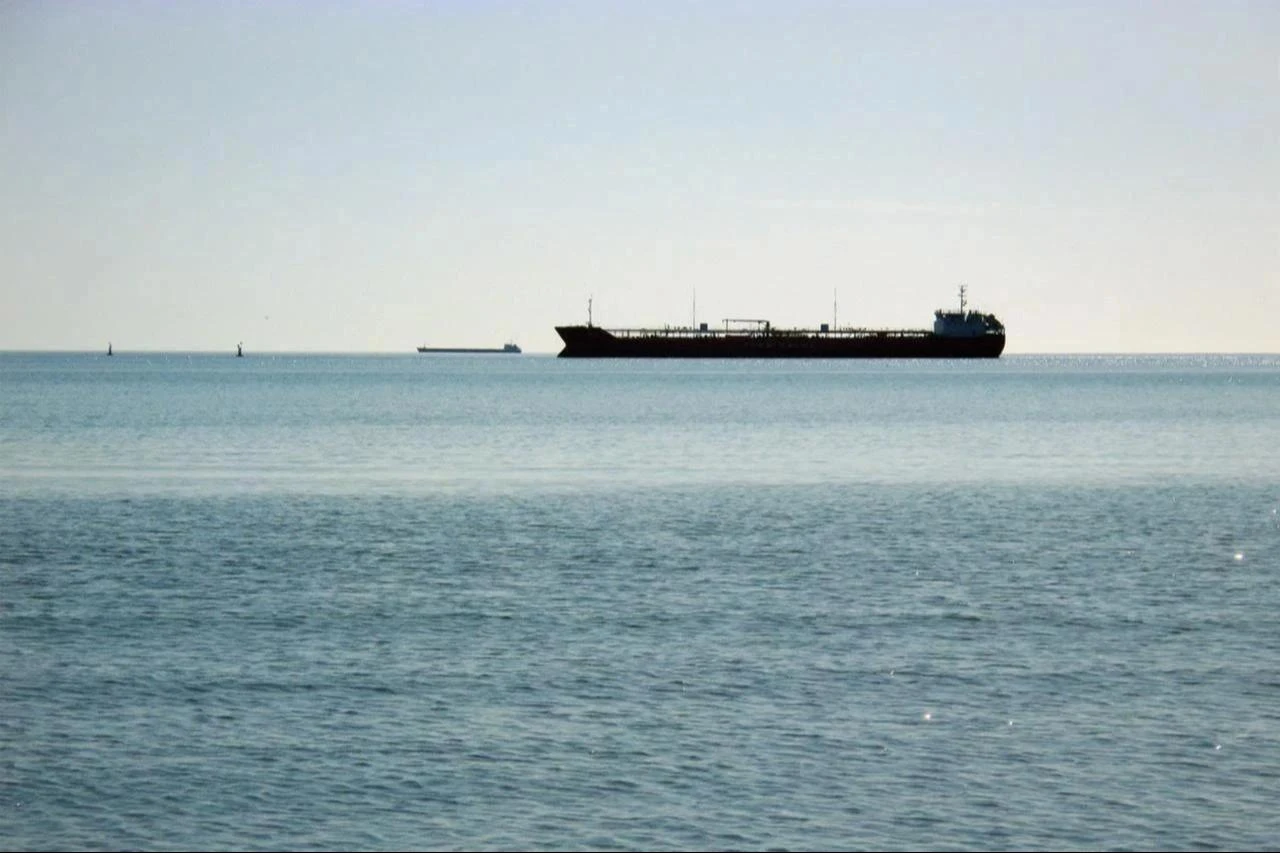

Earlier this month, Bloomberg reported, citing a U.S. official, that Ukraine had agreed not to target CPC infrastructure or non-Russian vessels traveling to the terminal as long as those ships were not under Ukrainian sanctions and were not carrying Russian cargo.
Russian crude typically makes up between 5% and 10% of CPC exports.
The Financial Times separately reported, citing Ukrainian officials and people familiar with the matter, that Kyiv stopped attacks on tankers using the CPC terminal after U.S. Vice President JD Vance asked Ukrainian President Volodymyr Zelenskyy during a July 31 call to halt the strikes.
Bloomberg also reported that the agreement followed July 31 discussions between senior U.S. government officials and Ukraine’s leadership.
The latest incident adds pressure to operations at the CPC, whose ownership includes U.S. oil majors Chevron and Exxon Mobil, Russia’s state pipeline company and Kazakhstan’s state oil and gas company.
At the end of last month, after several attacks on tankers, CPC considered indefinitely suspending oil operations because of environmental and safety risks, according to Bloomberg.
The consortium ultimately decided to continue operations.
The CPC system remains especially important for Kazakhstan’s oil exports, while the latest vessel involved in Sunday’s incident was carrying Russian-origin crude.


 Set as preferred source
 Set as preferred source


 2 min read
 1 min read