Newsletters


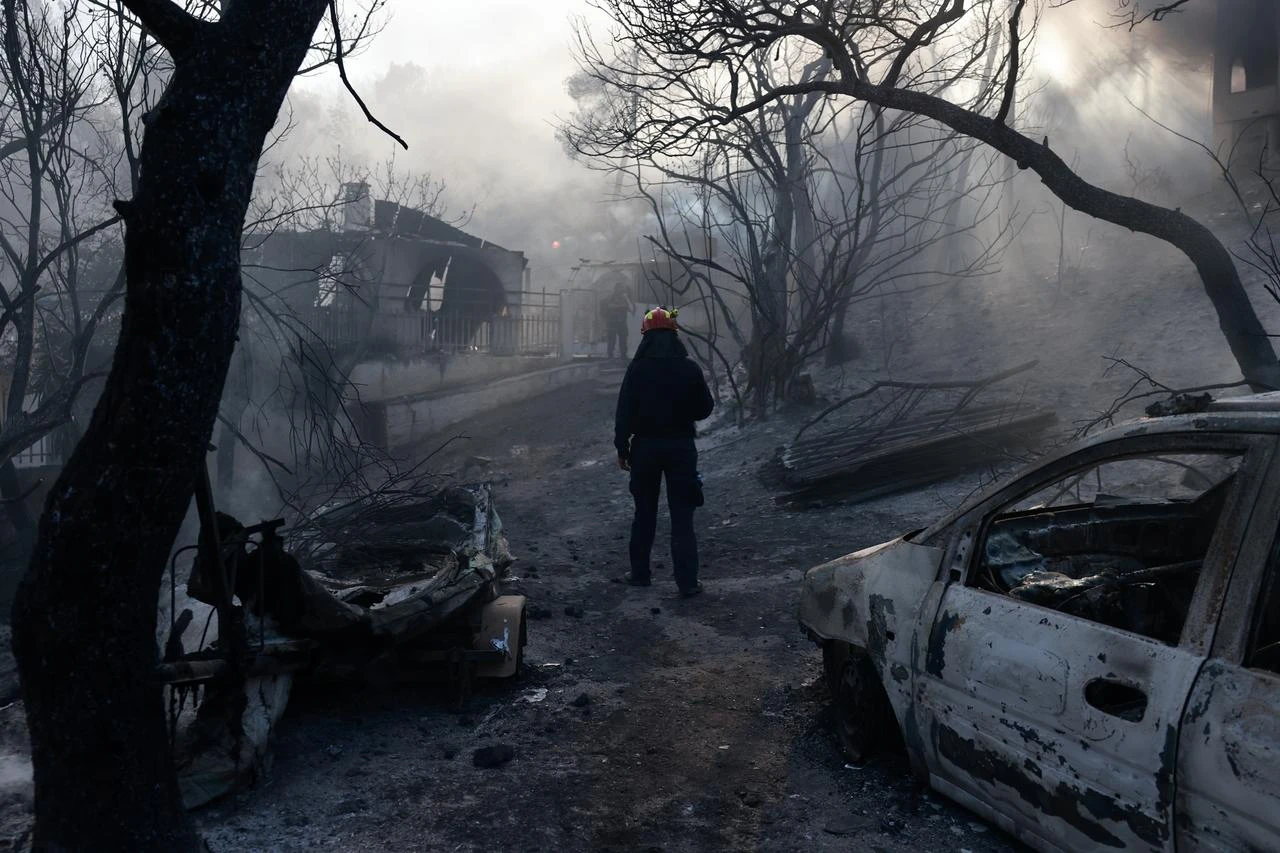


In 2026, wildfires destroyed over 30,000 hectares of forest across Greece. Extreme heat, drought, low humidity, strong winds, and human activity all contributed to these fires.
A correspondent from Anadolu Agency gathered recent wildfire data and included exclusive comments from Greek forestry engineer Nikolaos Pilis.
The European Forest Fire Information System (EFFIS) reports that Greece lost over 30,000 hectares of forest in 2026. Since 2018, the Attica region, which includes Athens and nearby areas, has lost more than 480,000 hectares, or 42% of its forests.
A fire started on July 31 in Viotia, near Athens, and burned for about a week, reaching the Megara district in Attica. Experts called it a "mega fire." It destroyed around 30,000 hectares and affected coastal towns and villages like Porto Germeno, Psatha, and Alepohori.
Pilis, who worked in the affected Megara area, said the fire's consequences extend beyond burned trees, warning that losing vegetation over such a wide area would have lasting effects on the ecosystem, wildlife, local microclimate and human health.
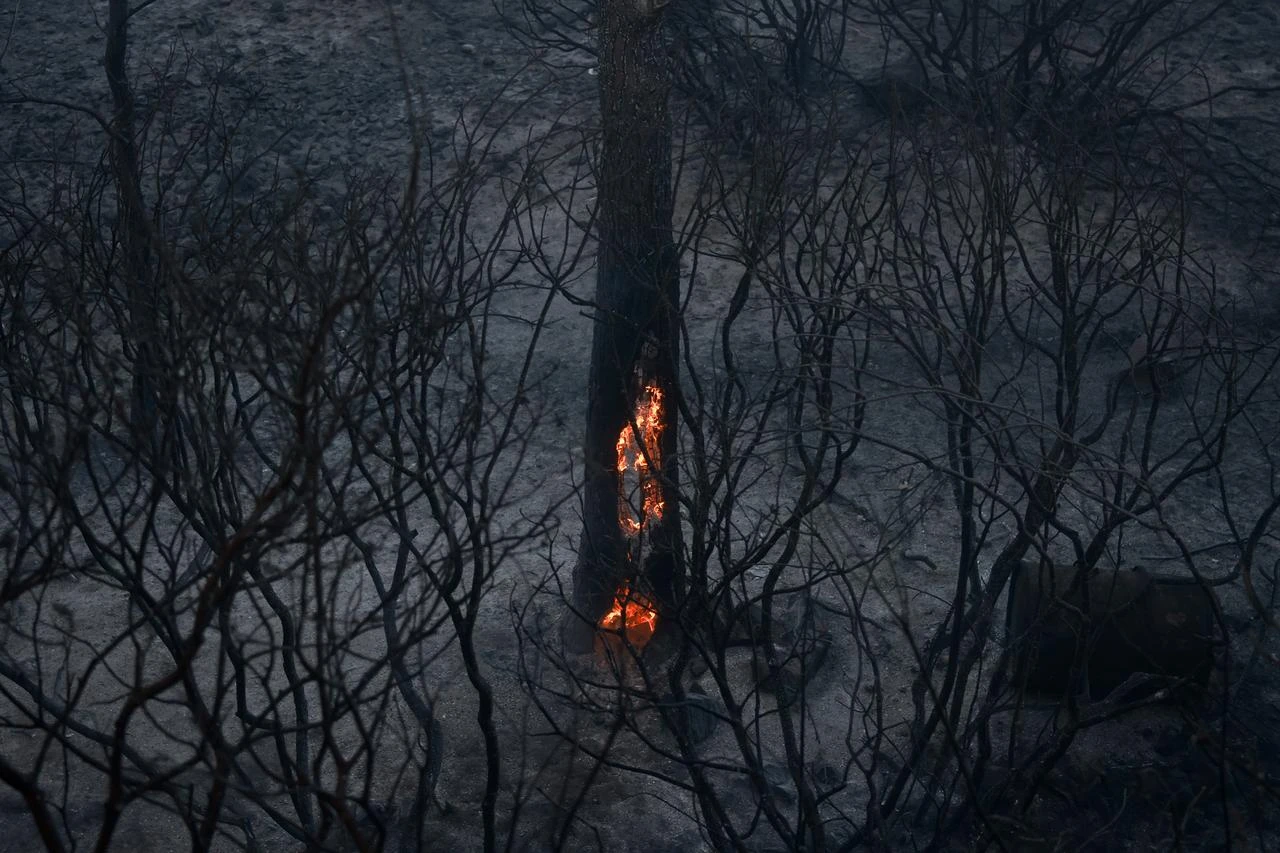

Pilis noted that much of the Aleppo pine forest was destroyed and said it may not fully grow back naturally. If there are no new fires soon, a mix of young Aleppo pines, broadleaf trees, kermes oak, shrubs, and other plants could return.
"In my view, the biggest environmental issue is not how many hectares burned, but whether the burned area has time to regenerate before the next fire," Pilis said. "If new fires can be prevented for 10 to 15 years, most areas can regrow forest cover."
He added that losing vegetation also destroys food. Losing vegetation also means wildlife lose food, shelter, nesting spots, and water sources. Larger animals can escape to nearby unburned areas, but smaller mammals, reptiles, and tortoises often cannot and are killed by respiratory and cardiovascular problems caused by smoke during the fire itself. Over the long term, he said, bare soil can increase airborne dust, particularly during drought and strong winds.
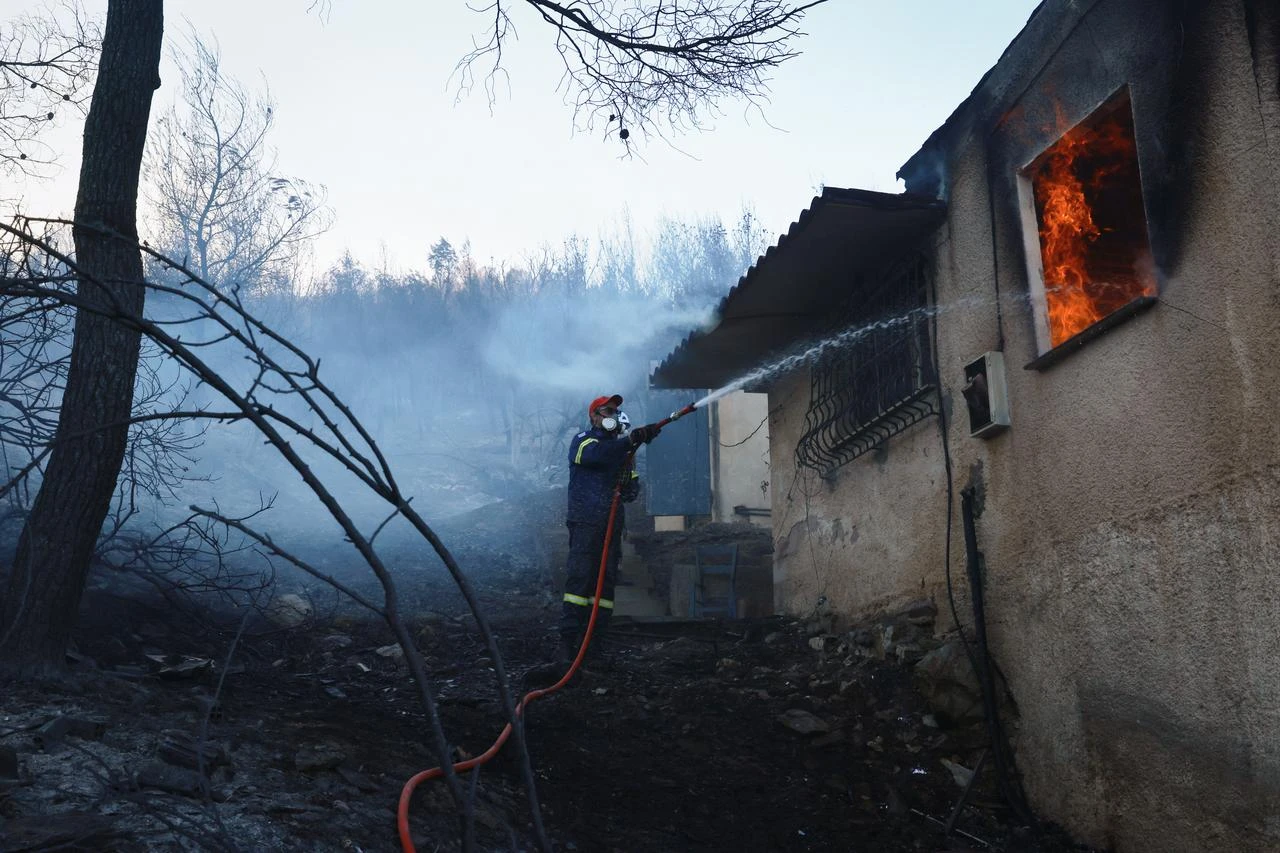
Pilis explained that large wildfires change local climates, leading to fewer trees, less shade, less evaporation, warmer ground, and higher surface temperatures. He warned that higher heat and lower humidity make new fires more likely, creating a self-feeding cycle.
Pilis said wildfires are among the biggest losses to water resources. Normally, trees, shrubs, and leaf litter help keep water in the ground, but after a fire, bare soil leads to runoff, erosion, and movement of ash and sediment.
He said the first rainfall after a fire can trigger slope erosion, flooding and degraded water quality, and called for preventive measures in advance.
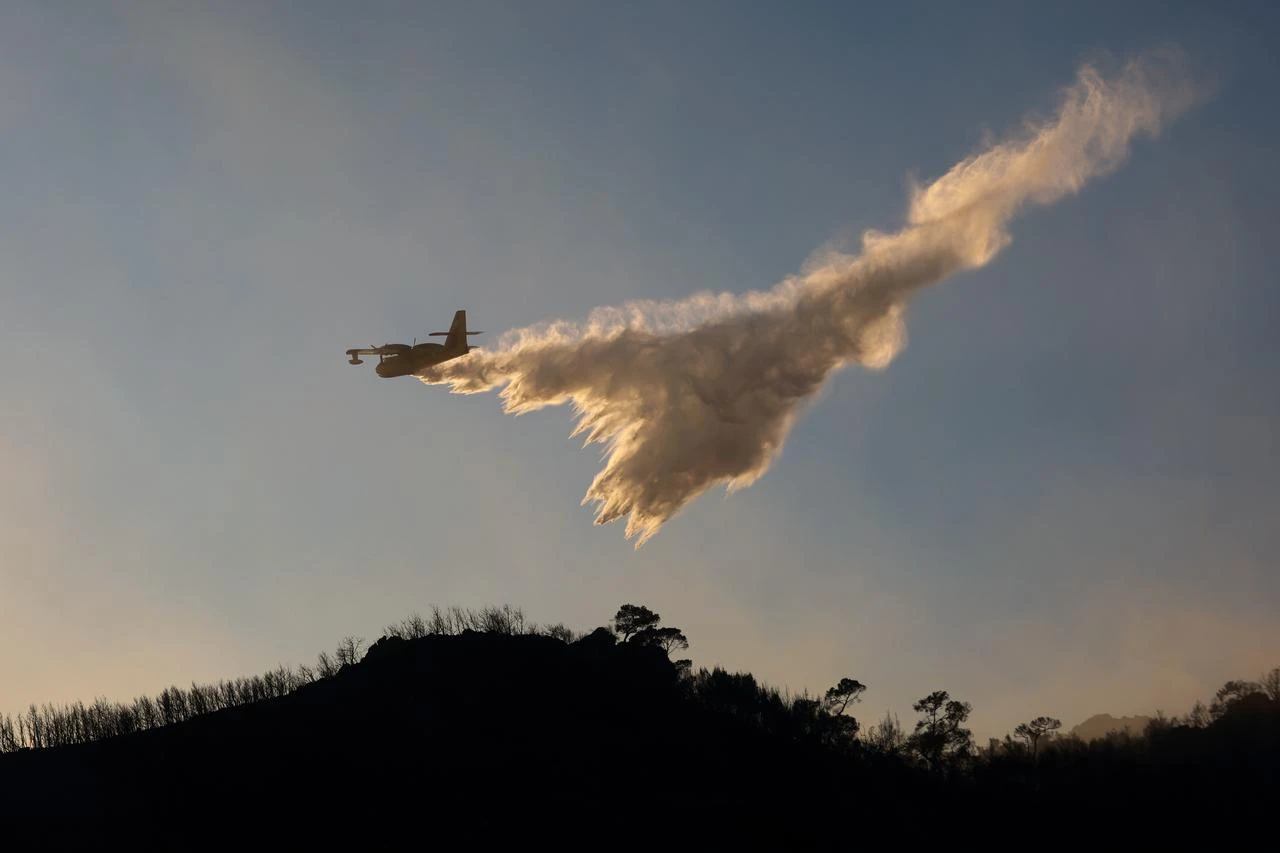
Pilis emphasized the need to prevent fires before they start. This includes clearing dry grass, dense shrubs, pine needles, and dry branches from certain areas, making access roads for firefighters, and creating zones with less vegetation. He also suggested using cameras, sensors, satellite monitoring, drones, and artificial intelligence to enable faster fire response.
Pre-fire prevention matters far more than fighting fires after they start, Pilis said. "We should not only invest in fire trucks. We need to transform the forests of the Attica region from abandoned woodland into actively managed, resilient ecosystems," he said.
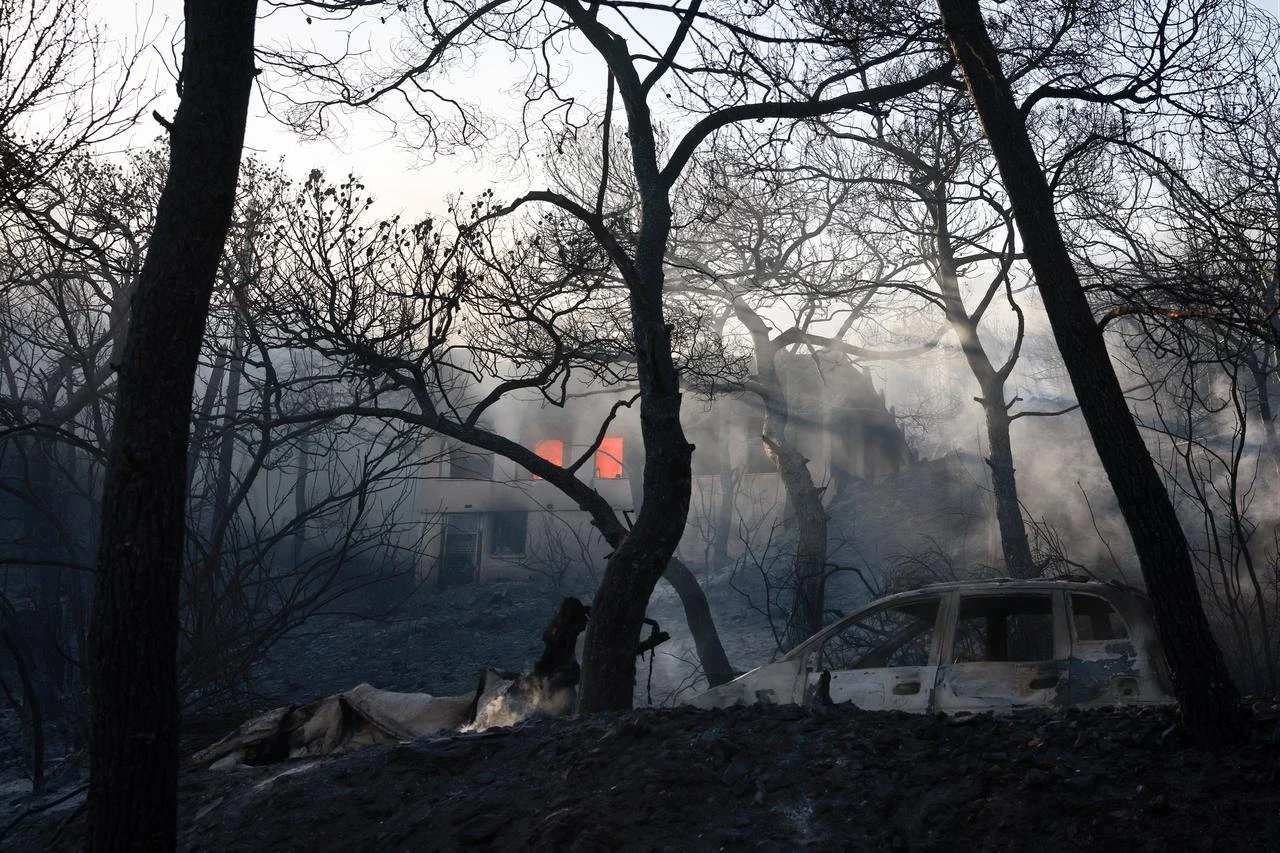
All summer, Greek experts warned that rising temperatures, less rainfall, and low humidity from the climate crisis, along with strong winds, made wildfires worse across the country.
Human activity was also a major factor. Since early summer, authorities have detained and investigated several people suspected of starting fires on purpose or by accident.
Sparks from wind turbines and electrical connections were mentioned as possible causes for some fires. Authorities are now checking if wind energy installations across the country have the right permits and meet technical standards for installation, maintenance, and operation.
Experts and officials are also looking closely at power lines and other electrical connections in forested areas.
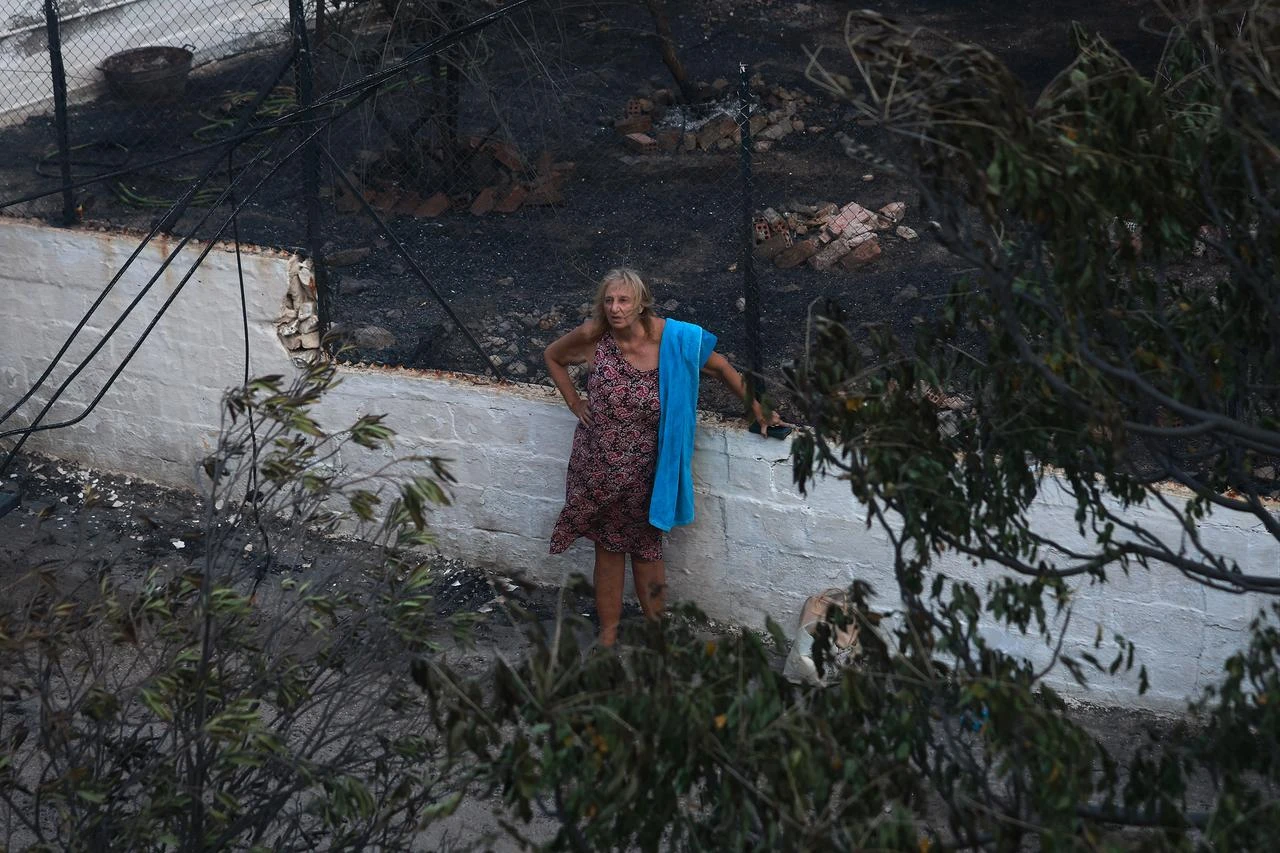
Wildfires in several regions, including Crete, the Peloponnese, Viotia, and the Attica region (which includes Athens), also led to deaths.
In July, two firefighters died while working during a wildfire on Crete, and another firefighter died during a fire on the Peloponnese peninsula. That same month, three people died in a fire near Oraiokastro, close to Thessaloniki.
During the fire that started in Viotia on July 31 and spread for about a week to the Megara district of Attica, two crew members died when two firefighting helicopters collided in midair.
On Aug. 16, two people died in a wildfire on the island of Salamina.


 Set as preferred source
 Set as preferred source


 2 min read