Newsletters


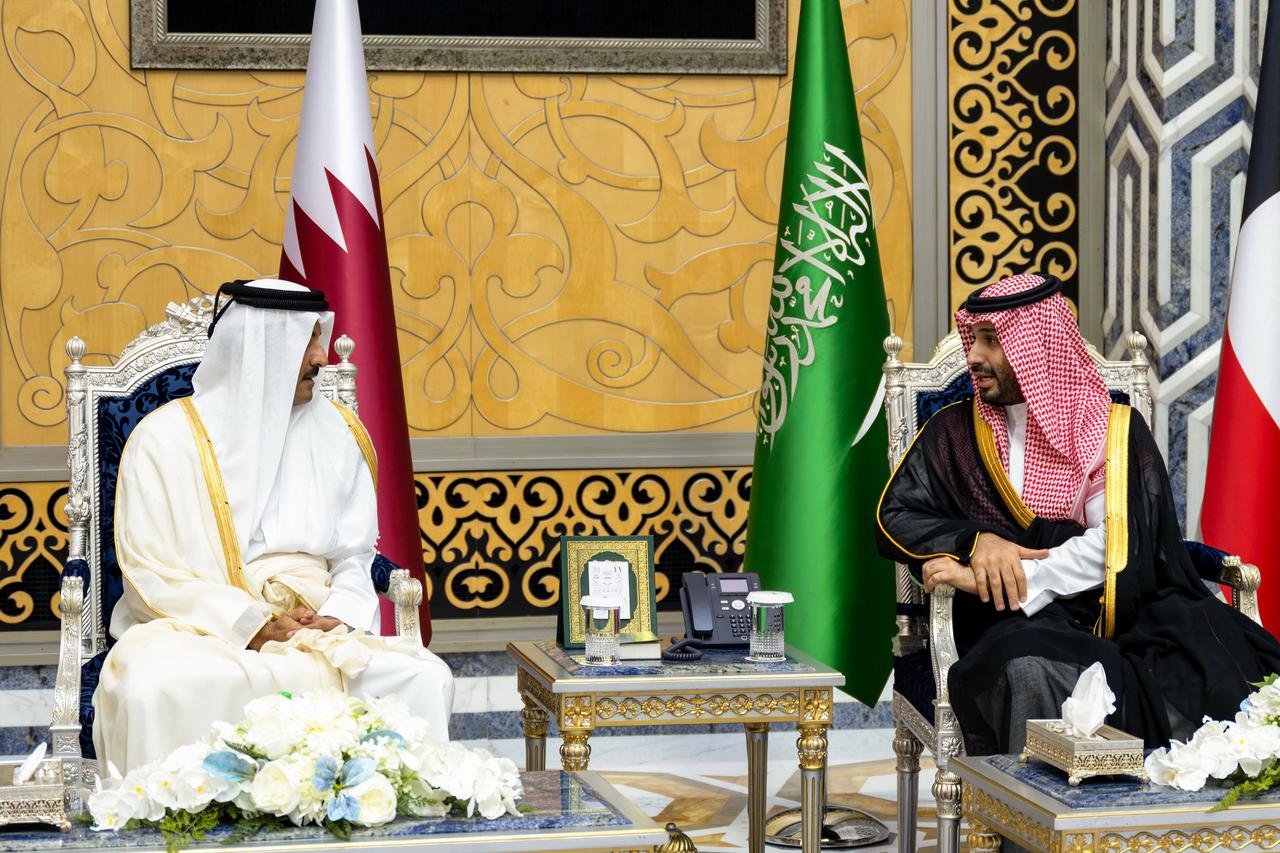


Gulf Arab leaders have unanimously rejected Iran's imposition of transit fees on ships passing through the Strait of Hormuz, declaring the practice illegal and calling for unrestricted navigation through the waterway as diplomatic efforts continue to stabilize the crisis-hit corridor.
Meeting in the Saudi city of Jeddah on Tuesday, leaders of the Gulf Cooperation Council condemned both the closure of the strait and any fee structure attached to passage through it, according to the bloc's secretary-general, Jasem Mohamed Albudaiwi.
The meeting produced concrete security commitments as well, with leaders ordering accelerated construction of a joint oil and gas pipeline and the development of an early warning system against ballistic missiles.
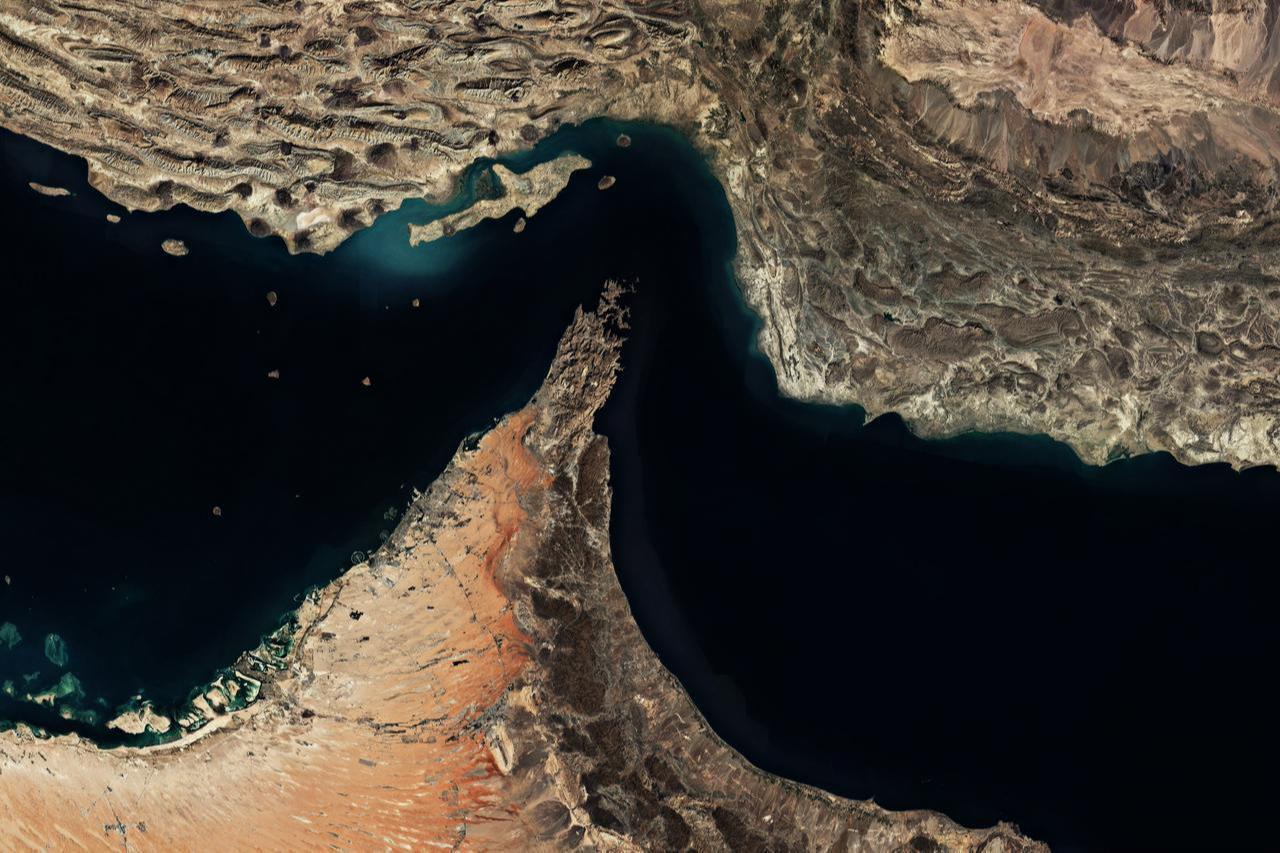

The Strait of Hormuz, a narrow waterway between Iran and Oman connecting the Gulf to the Indian Ocean, is the world's most consequential energy corridor. Until the outbreak of hostilities in late February, roughly one-fifth of global oil supply transited it daily.
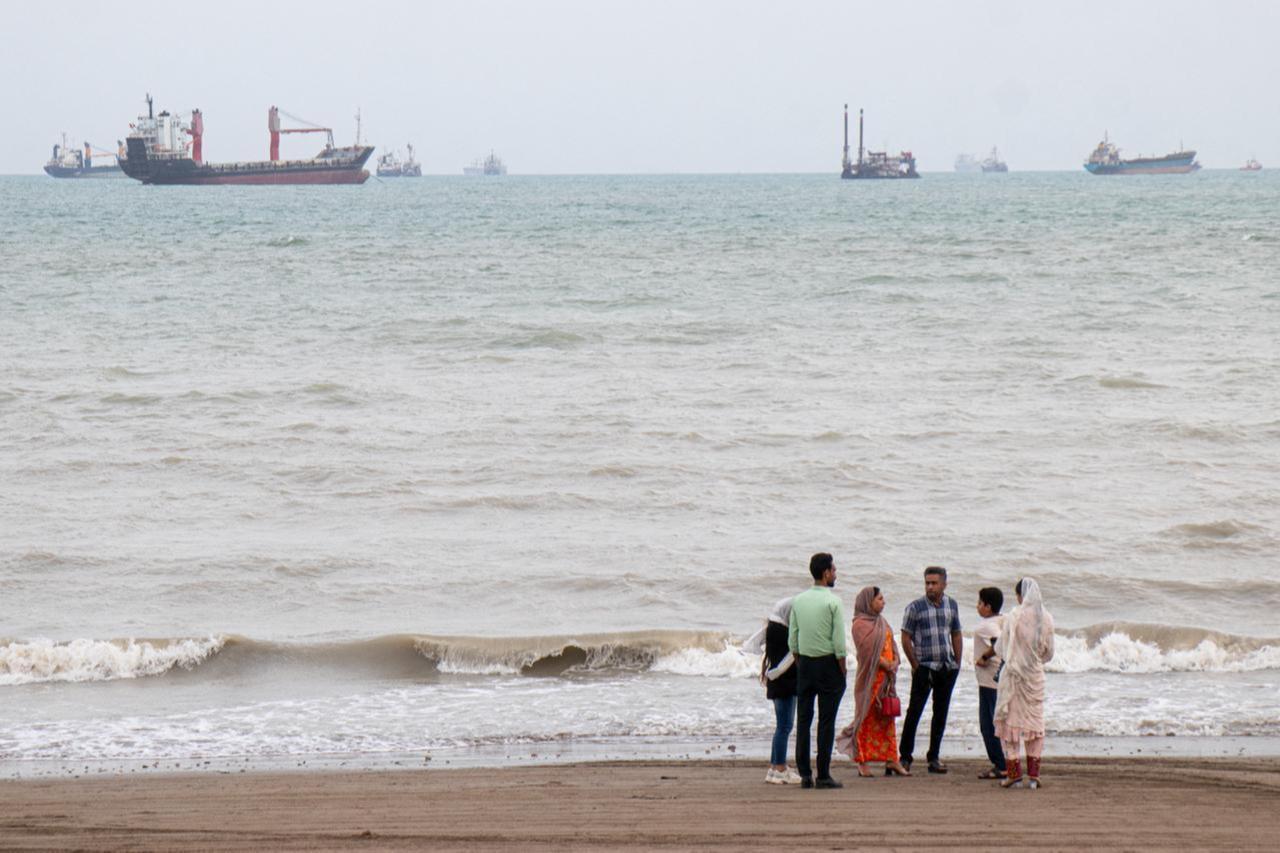
The waterway has been severely disrupted since early March, when conflict between Iran, the United States and Israel brought commercial shipping largely to a halt. A ceasefire is currently in place, with negotiations ongoing toward a lasting settlement.
Iran has since moved to assert control over the strait by imposing transit tolls, with some vessels reportedly paying as much as $2 million for safe passage. Iranian lawmakers confirmed last week that the first toll revenues had been transferred to the country's central bank, with payments reportedly accepted in Chinese yuan.
The Revolutionary Guard Corps has effectively administered the corridor, requiring ships to navigate a specific IRGC-escorted route near Iranian islands.
The GCC's rejection aligns with a growing international consensus that Iran's toll regime has no standing under international maritime law.
The United Nations Convention on the Law of the Sea prohibits coastal states from levying charges on vessels simply for transiting international straits, though limited fees for specific services such as piloting or tugging are permissible.
The International Maritime Organization's secretary-general reiterated this week that there is "no legal basis" for any tax, customs duty or charge on straits used for international navigation, adding that a fee structure of any kind would complicate ongoing efforts to evacuate thousands of sailors stranded on vessels in the Gulf.
Washington has taken a similarly firm stance. U.S. Secretary of State Marco Rubio stated last month that the United States would not accept any post-conflict arrangement that allowed Iran to profit from the strait.
President Donald Trump, who ordered a naval blockade of Iranian ports in mid-April, has warned that vessels paying tolls to Tehran could face seizure by the U.S. Navy.
Beyond the immediate dispute over navigation rights, Tuesday's GCC meeting signaled a longer-term strategic pivot among the bloc's members.
The directive to expedite a joint oil and gas pipeline would, if completed, provide Gulf producers with an export route bypassing the strait entirely, reducing their vulnerability to any future disruption.
The push for a joint ballistic missile early warning system reflects the region's exposure during a conflict that has involved missile and drone strikes on Gulf states since the war began.
The GCC, comprising Saudi Arabia, the United Arab Emirates, Qatar, Kuwait, Bahrain and Oman, has historically sought to maintain stable energy flows from the Gulf as a shared economic and geopolitical priority. The Jeddah meeting underscored the bloc's concern that the ongoing uncertainty around the strait, even under a ceasefire, poses a structural threat to that stability.


 Set as preferred source
 Set as preferred source


 1 min read

 1 min read