Newsletters


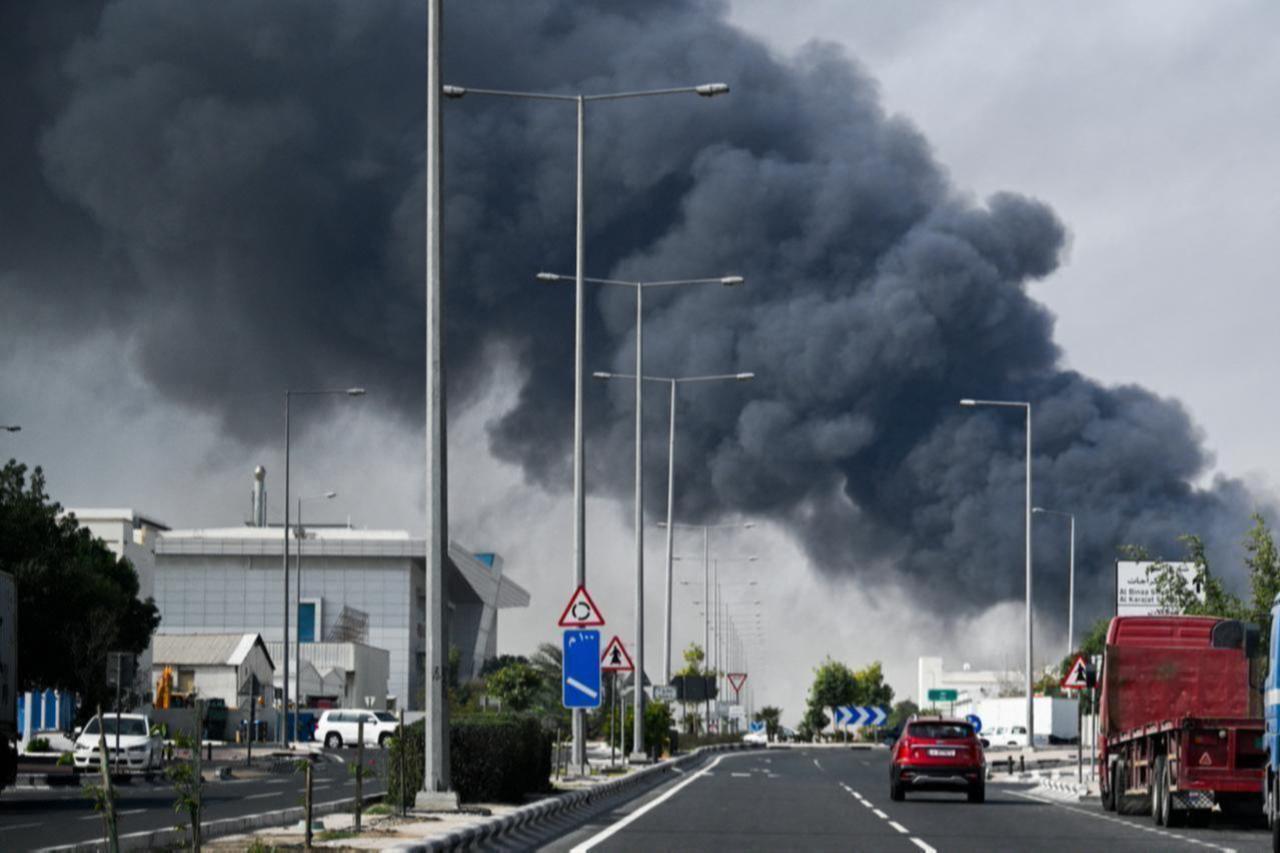


The security of Gulf states is “indivisible,” Gulf Cooperation Council Secretary-General Jassim Al-Budaiwi said Wednesday, calling for a return to dialogue and diplomacy after Iran launched retaliatory attacks against U.S. military targets across the region.
Speaking at a GCC ministerial meeting in Manama, Bahrain, Budaiwi accused Iran of violating international and humanitarian law through its attacks on Gulf countries, according to Kuwait’s Al Anba newspaper.
“Iran is violating international and humanitarian law with its attacks on the Gulf states,” Budaiwi said.
He stressed that the security of the six GCC member states could not be separated and warned that the latest escalation threatened both regional stability and the wider global economy.
“We must return to the path of dialogue and diplomacy to resolve the conflict,” he said.

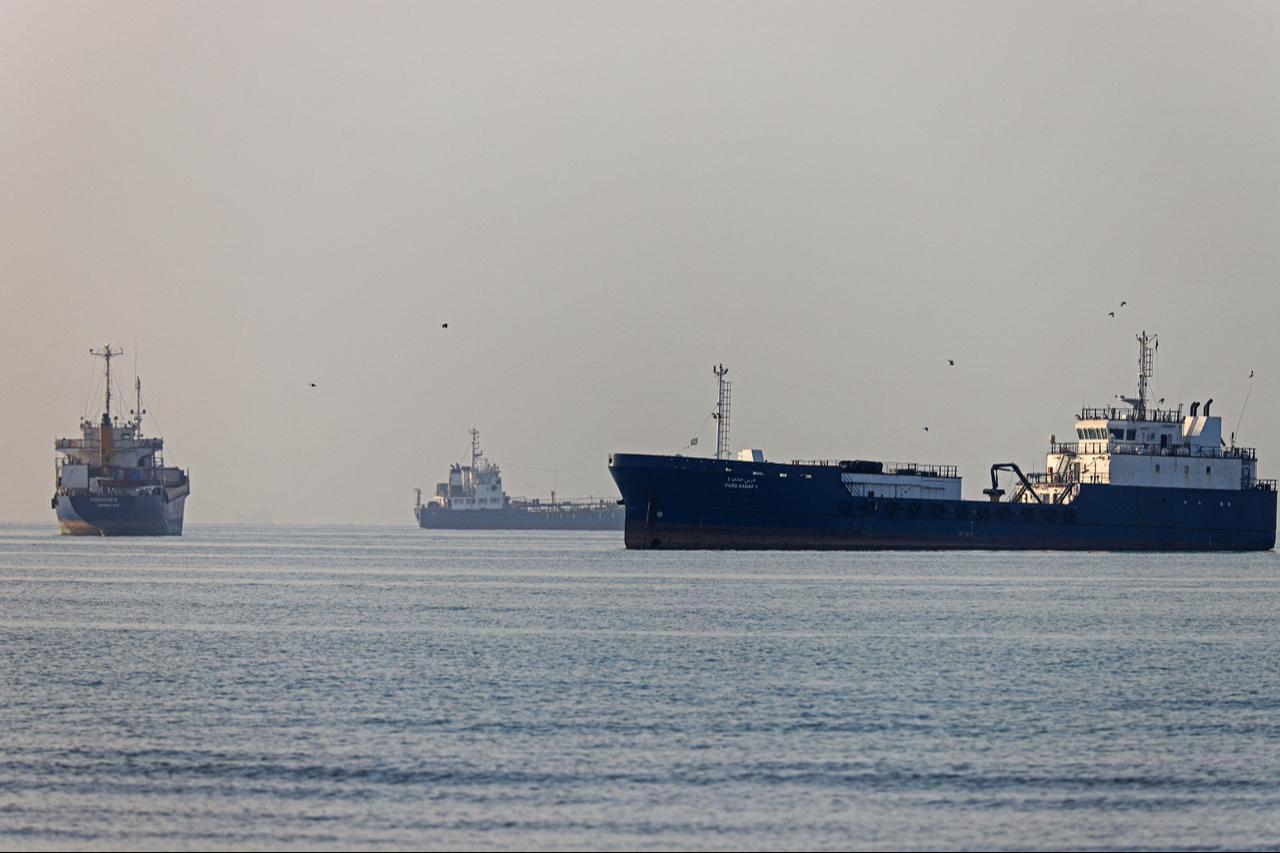
Budaiwi said restrictions on maritime traffic through the Strait of Hormuz would have consequences extending far beyond the Gulf.
He warned that disruptions in the strategic waterway would harm not only the region’s countries but also international markets.
“Restrictions on shipping in the Strait of Hormuz do not harm the Gulf states only, but also the global economy,” he said.
Bahraini Foreign Minister Abdullatif Al-Zayani also condemned the Iranian attacks, describing them as a “clear violation of international law.”
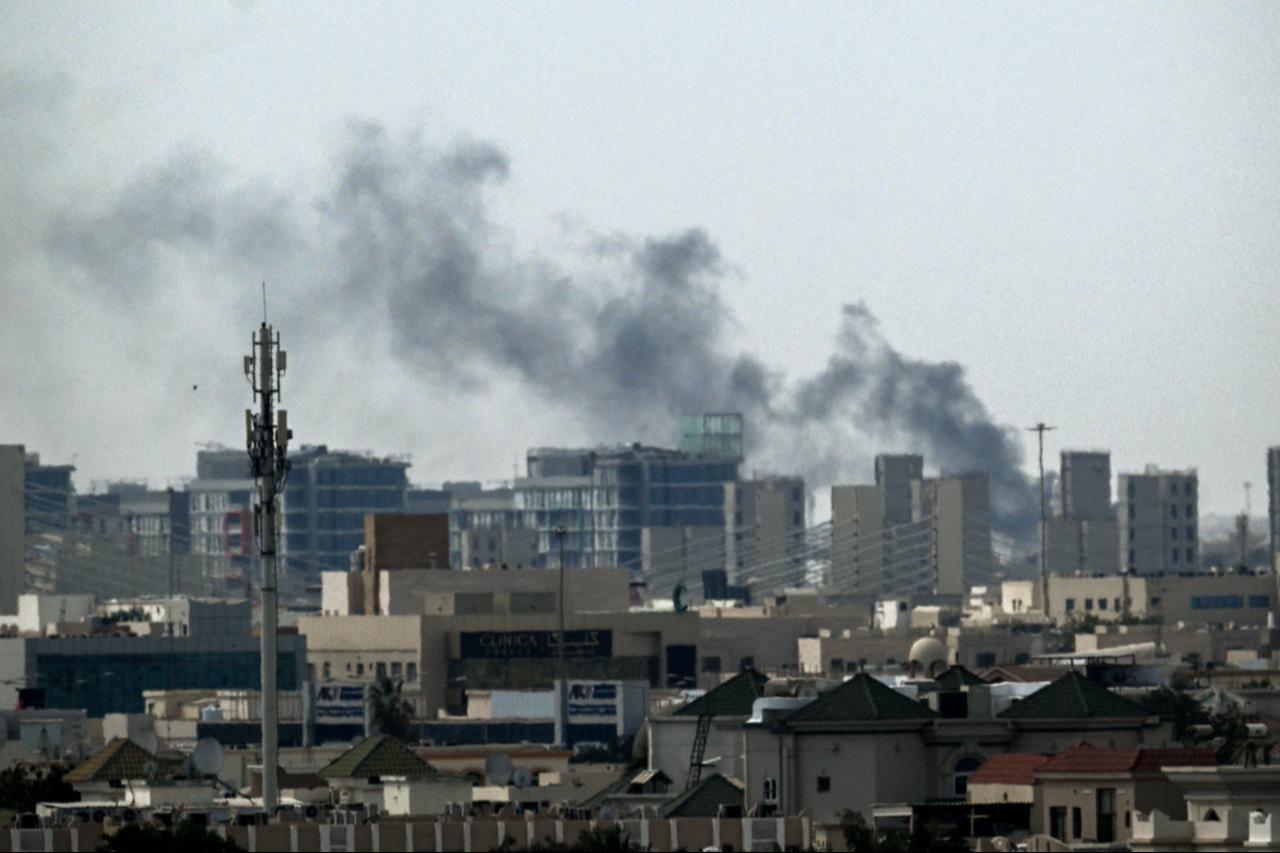
The officials made the remarks as Gulf states assessed the impact of the latest exchange between Iran and the U.S.
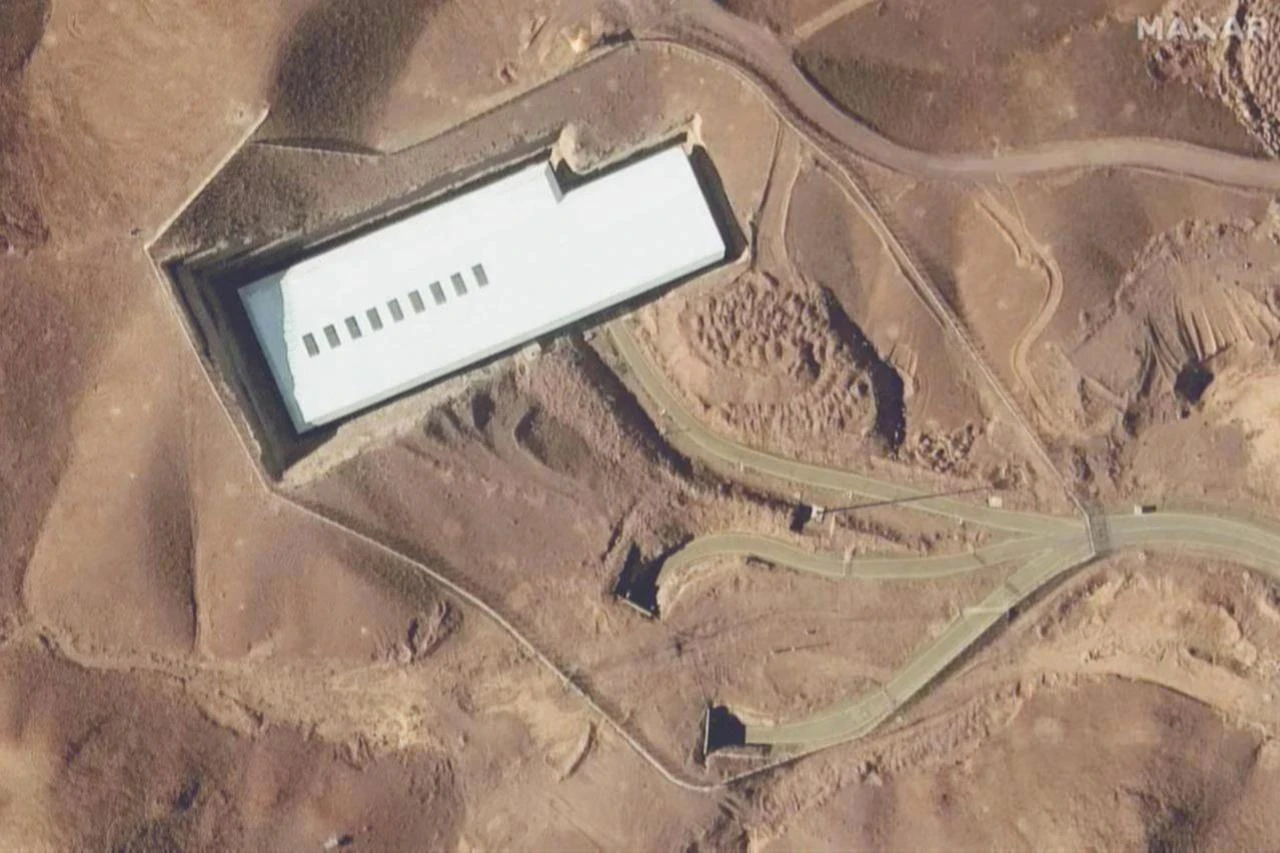
Iran’s Islamic Revolutionary Guard Corps said early Wednesday that it had launched retaliatory attacks against 21 U.S. military targets at air and naval bases across the region.
The targets included U.S. facilities in Kuwait and Bahrain, according to the Iranian statement.
The attacks came hours after the U.S. carried out strikes in southern Iran following the downing of a U.S. Apache helicopter.
The exchange marked another escalation in the conflict between Tehran and Washington.
The latest confrontation followed months of regional tensions that began Feb. 28, when Israeli and U.S. strikes on Iran triggered a cycle of military operations, retaliatory attacks and diplomatic disputes.
Iran and Israel also exchanged strikes over the weekend before halting the latest round of hostilities.
The confrontation highlighted the fragility of the ceasefire and the continuing difficulties facing regional and international mediators seeking to revive diplomacy.
The GCC renewed its call for de-escalation, dialogue and a diplomatic settlement to prevent the conflict from expanding further across the region.


 Set as preferred source
 Set as preferred source


 1 min read
 1 min read