Newsletters


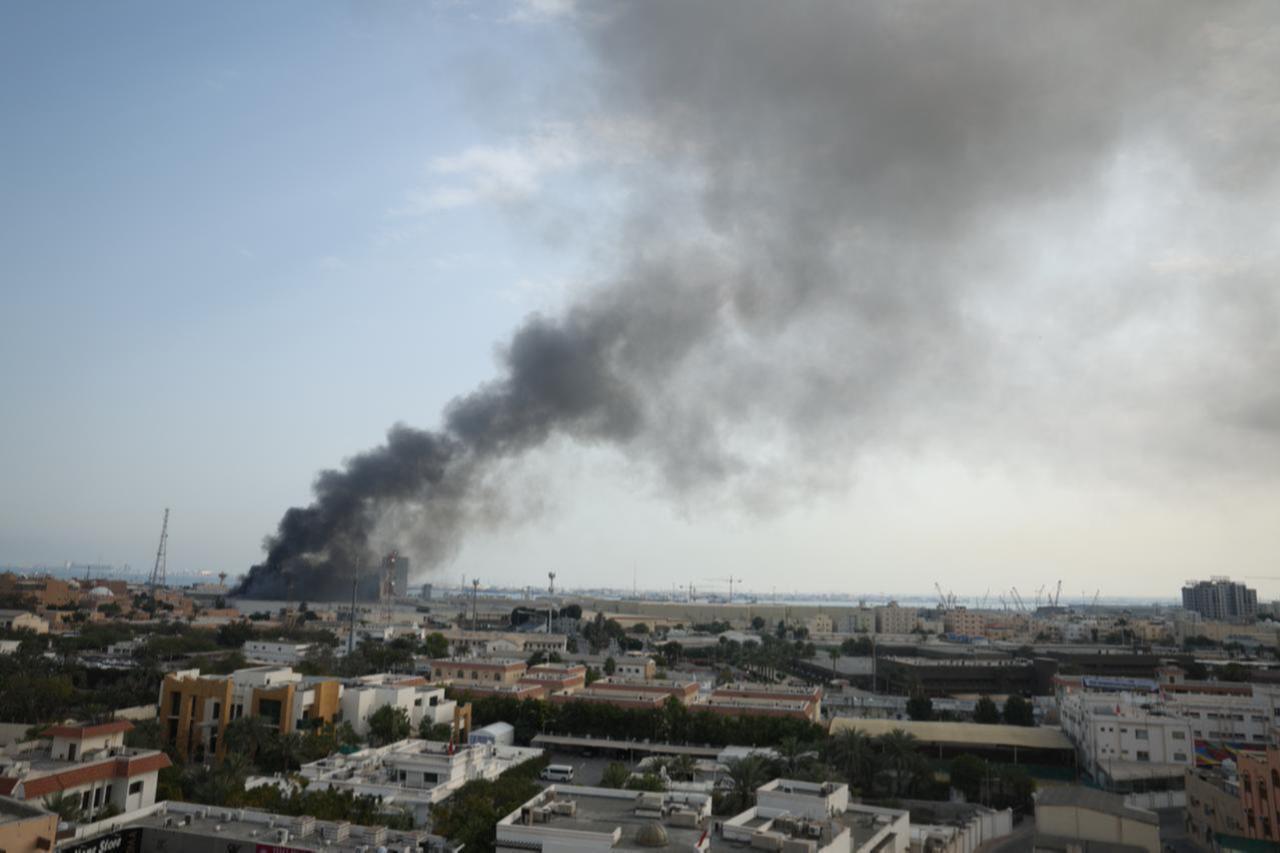


Five Arab nations, the United Arab Emirates, Saudi Arabia, Jordan, Kuwait and Qatar, issued coordinated condemnations Saturday after Iran launched a drone assault targeting Bahrain, calling the strikes a flagrant violation of the island kingdom's sovereignty and a breach of international law.
Bahrain's Foreign Ministry said Iran had targeted its territory with a number of drones that morning, describing the attack as "a flagrant threat to the security of citizens and residents."
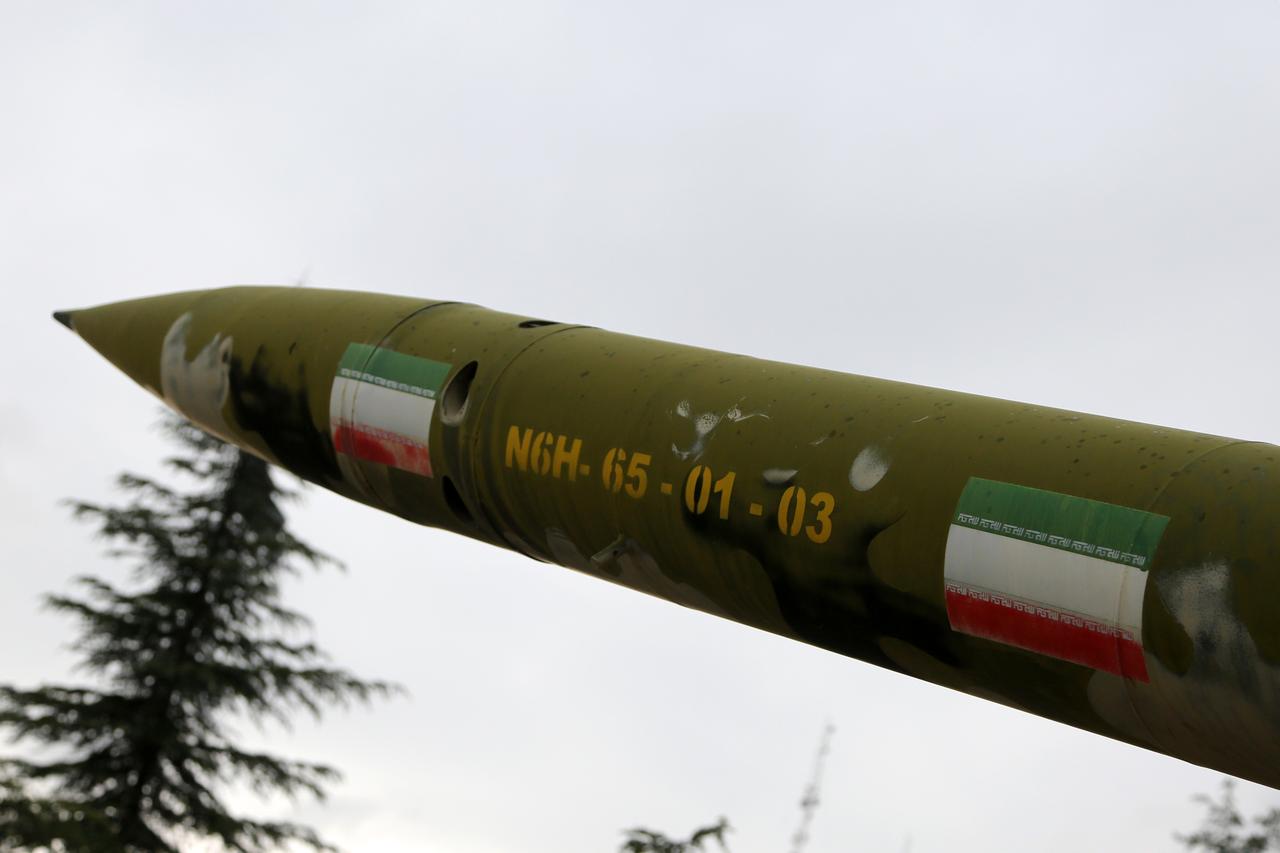
The assault came hours after the United States military's Central Command announced it had struck Iranian missile and drone positions, as well as coastal radar sites, in response to a separate Iranian attack on a container vessel in the Strait of Hormuz the previous day.
Iran's Revolutionary Guard Corps (IRGC) said it had responded to those U.S. strikes by targeting locations it described as American military positions in the region.
The UAE Foreign Ministry said Abu Dhabi "condemns Iran's attacks on Bahrain," characterizing them as "a flagrant violation of its sovereignty" and a direct threat to the country's security and stability. The ministry added that the UAE stands "in full solidarity" with Bahrain and supports all measures taken to protect its security.
Saudi Arabia's Foreign Ministry went further, stating that the attacks "violate international law and the United Nations Charter" and undermine international efforts to restore security and stability in the region.
Kuwait issued among the strongest language, calling the strikes "a blatant violation of Bahrain's sovereignty" and a direct threat to its people, and warning that Iran's continued attacks at a time of active regional and international de-escalation efforts "seriously undermine peace and stability."
Jordan's Foreign Ministry condemned the strikes as "brutal," framing them as a dangerous escalation, a threat to Bahrain's territorial integrity, and a clear violation of international law and the UN Charter.
Qatar also condemned the attacks as a serious violation of Bahrain's sovereignty and of international legal norms, reaffirming its full solidarity with Manama.

The Bahraini drone attack is the latest episode in an ongoing pattern of strikes and counter-strikes between Iran and the United States that has unsettled the Persian Gulf since late February 2026. U.S. Central Command said its overnight operation hit Iranian missile and drone positions, as well as coastal radar infrastructure, in retaliation for the Strait of Hormuz vessel attack.
The IRGC, in turn, claimed it struck positions belonging to the U.S. military deployed in the region in response to those American strikes.
Bahrain's strategic significance in the conflict is considerable. The island kingdom hosts the U.S. Navy's Fifth Fleet and has been among the most outspoken critics of Iranian conduct throughout the hostilities.
It recently hosted U.S. Secretary of State Marco Rubio for a Gulf Cooperation Council foreign ministers' meeting that concluded with a joint call for an end to Iran's attacks and for full freedom of navigation in the strait.
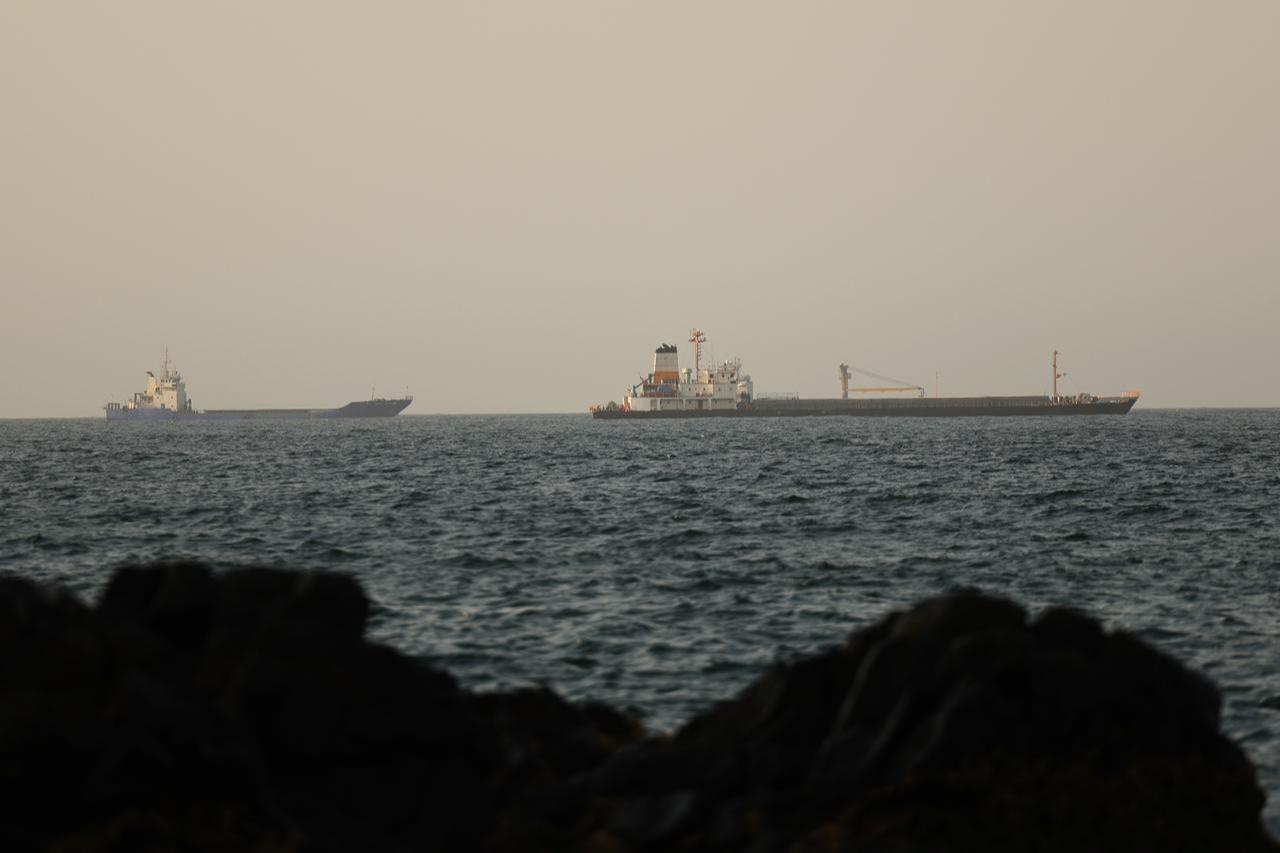
The Strait of Hormuz, a narrow chokepoint between the Persian Gulf and the Gulf of Oman through which a significant share of the world's oil and gas trade passes, has become a recurring site of confrontation.
The British military's United Kingdom Maritime Trade Operations center confirmed Saturday that a tanker had been struck in the strait, with the crew reported safe and no environmental damage noted. No party immediately claimed responsibility for that attack.
A multinational maritime body under U.S. Navy oversight announced Saturday it would expand a shipping corridor near Oman to accommodate both inbound and outbound traffic, a move likely to draw a sharp response from Tehran, which has insisted that vessels transiting the waterway comply with Iranian directives and has warned it intends to impose transit fees.


 Set as preferred source
 Set as preferred source


 2 min read
 1 min read