Newsletters


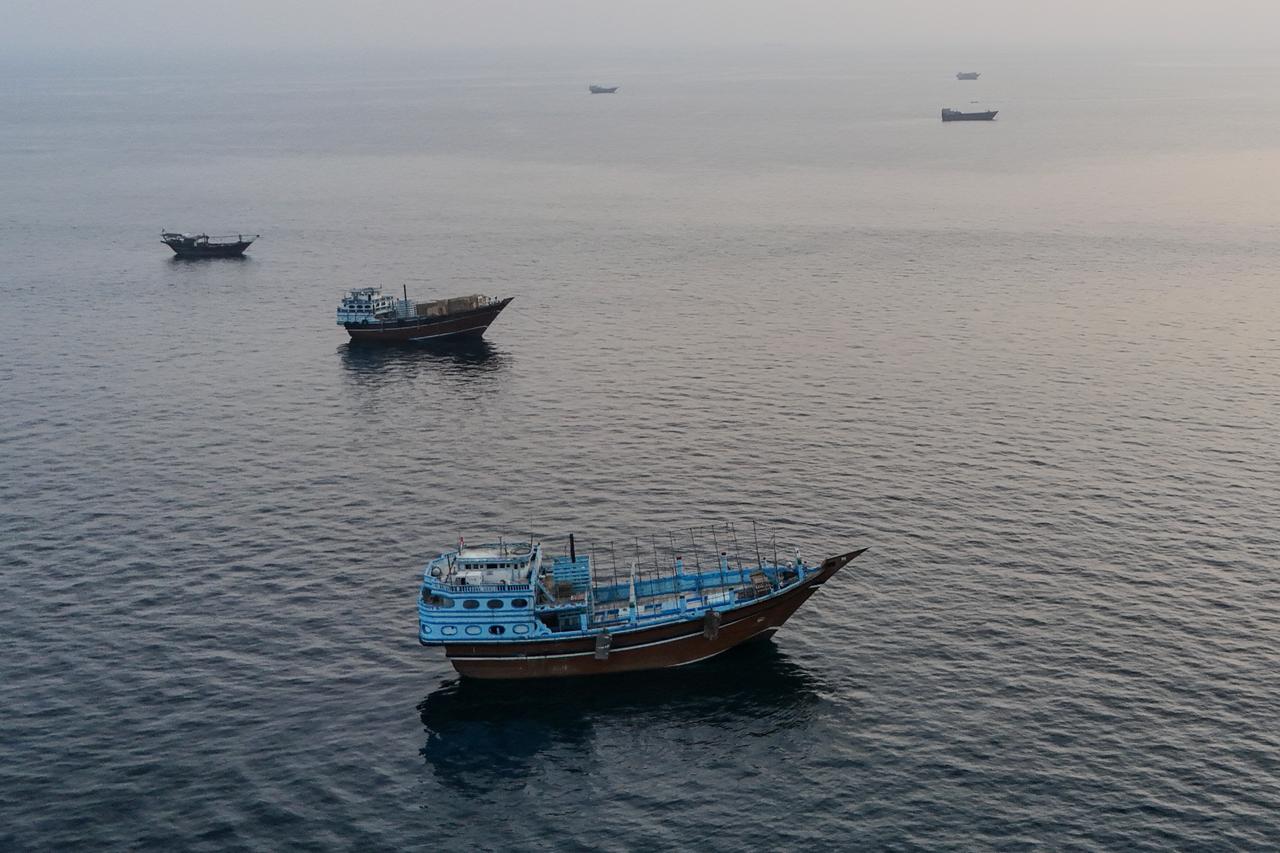


The Gulf region has attracted the world's attention in recent months, not because of high-engine trucks or pigeon shows, but due to flying missiles and a crippling energy crisis.
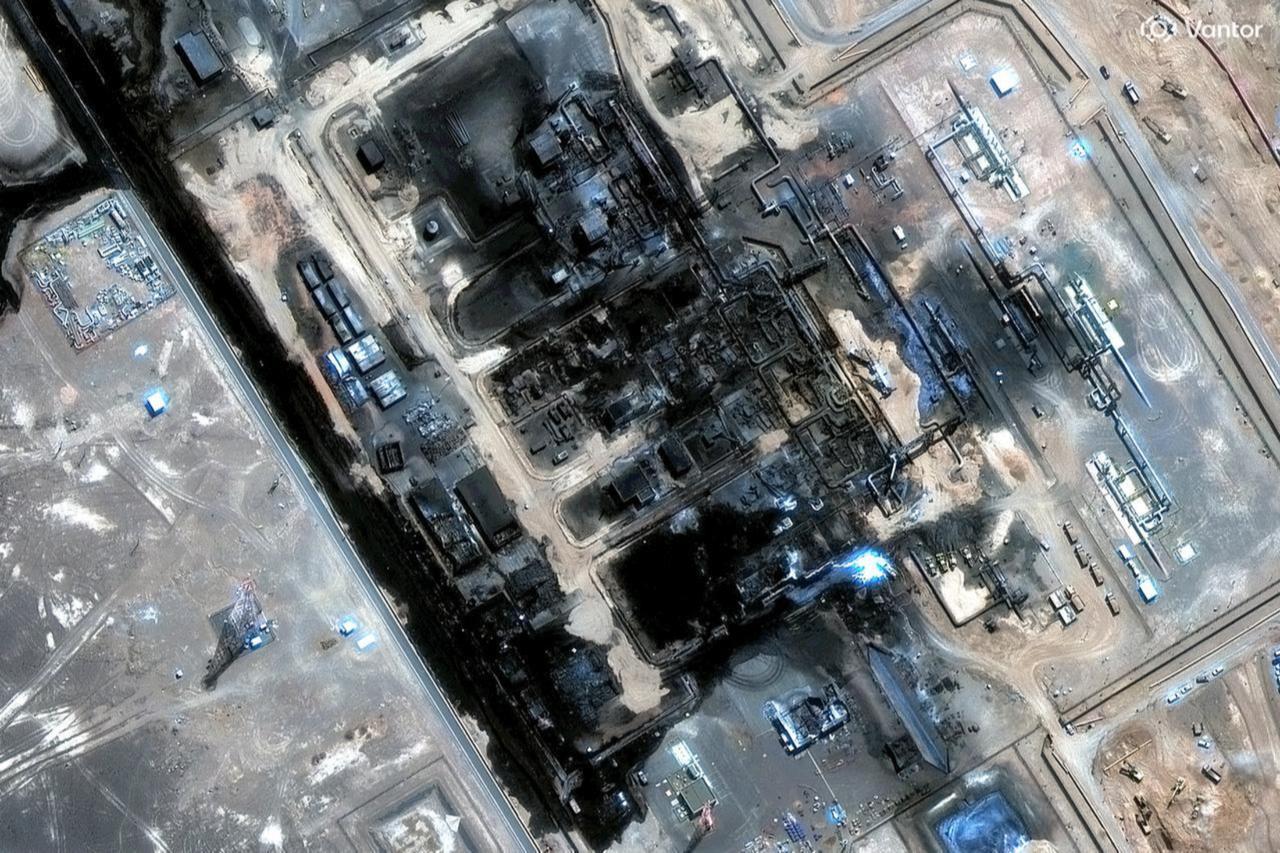
Since Feb. 28, following massive U.S.-Israeli joint strikes on Iran, the geopolitical landscape of the Gulf has been violently upended.
This high-stakes Iran war has also managed to test NATO's defense capacities, highlighted by single missile incidents violating Turkish airspace. However, one of the biggest takeaways for the Gulf countries has been a growing doubt regarding the reliability of the current U.S.-led security umbrella protecting Gulf skies.
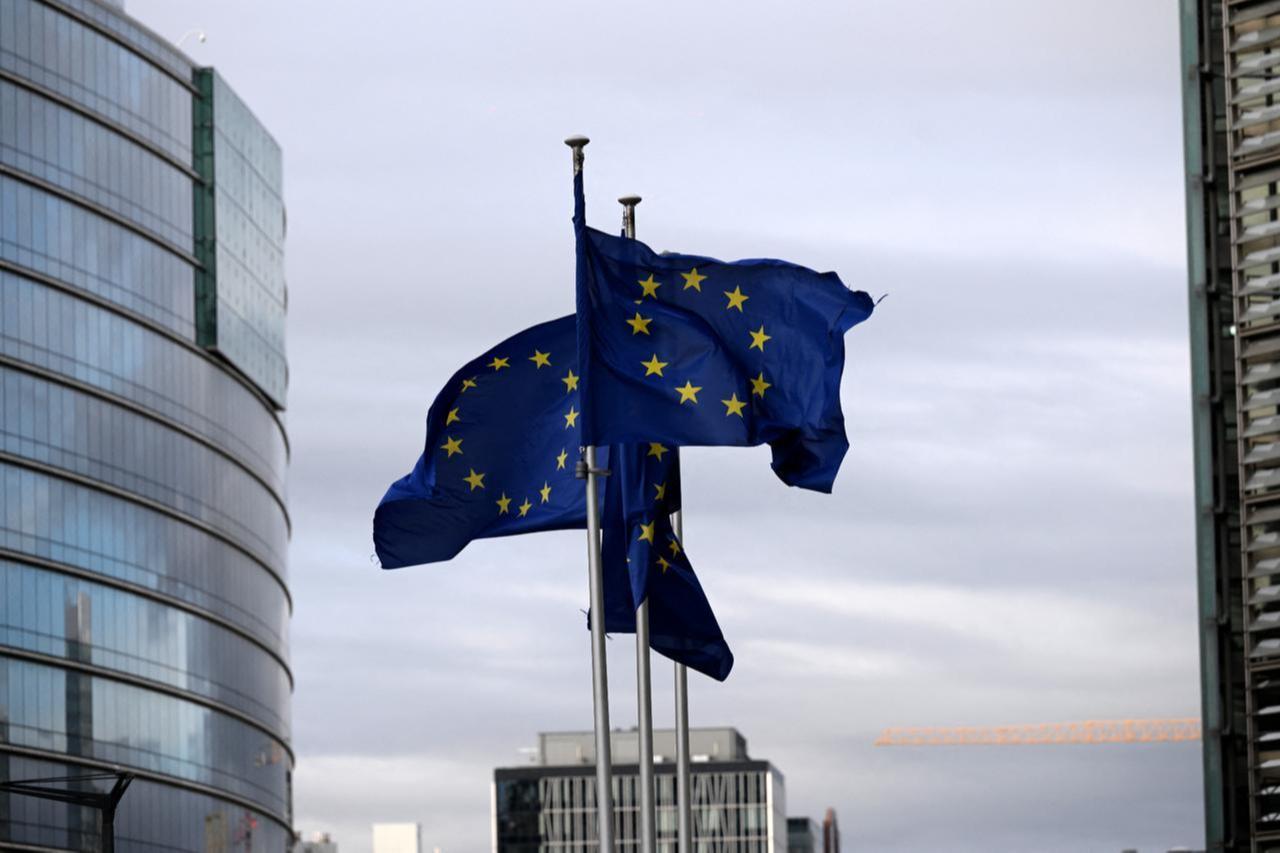
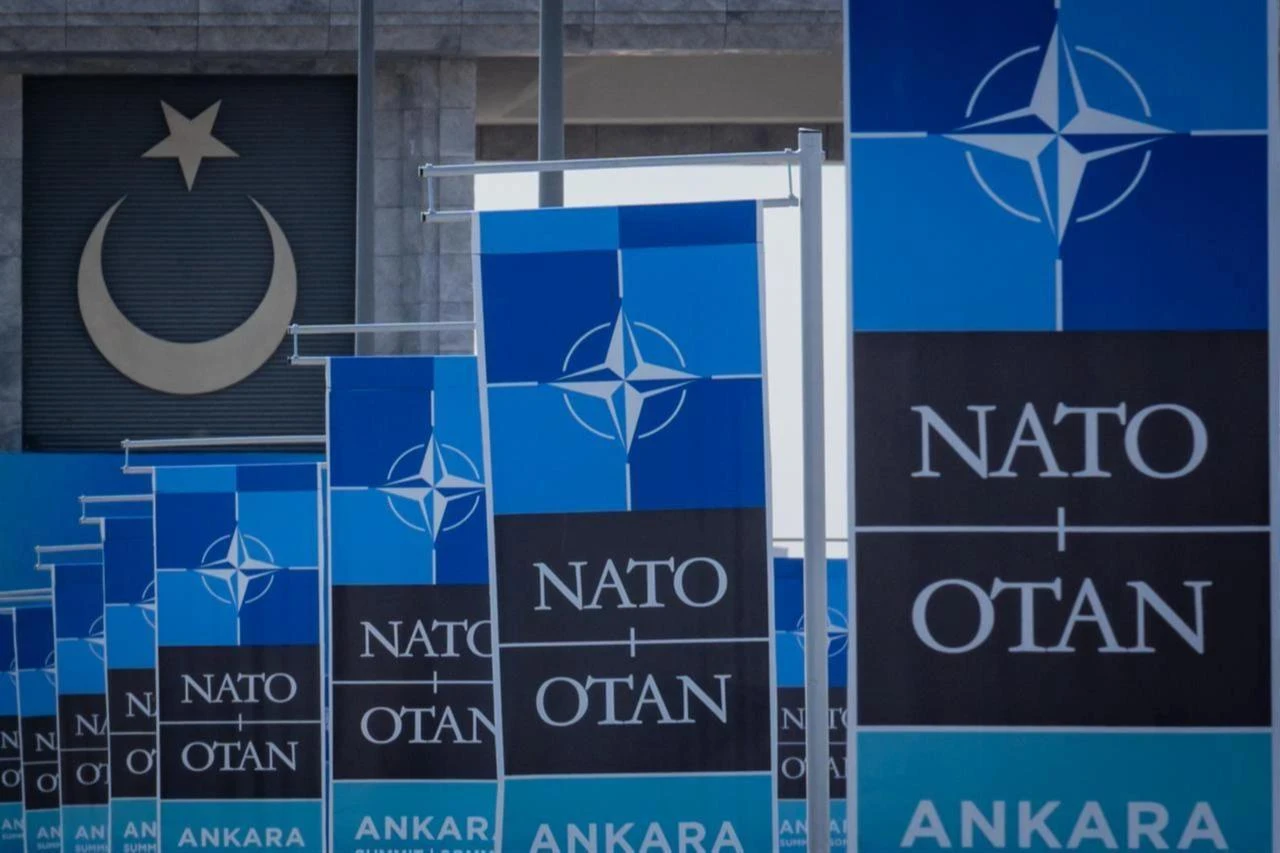
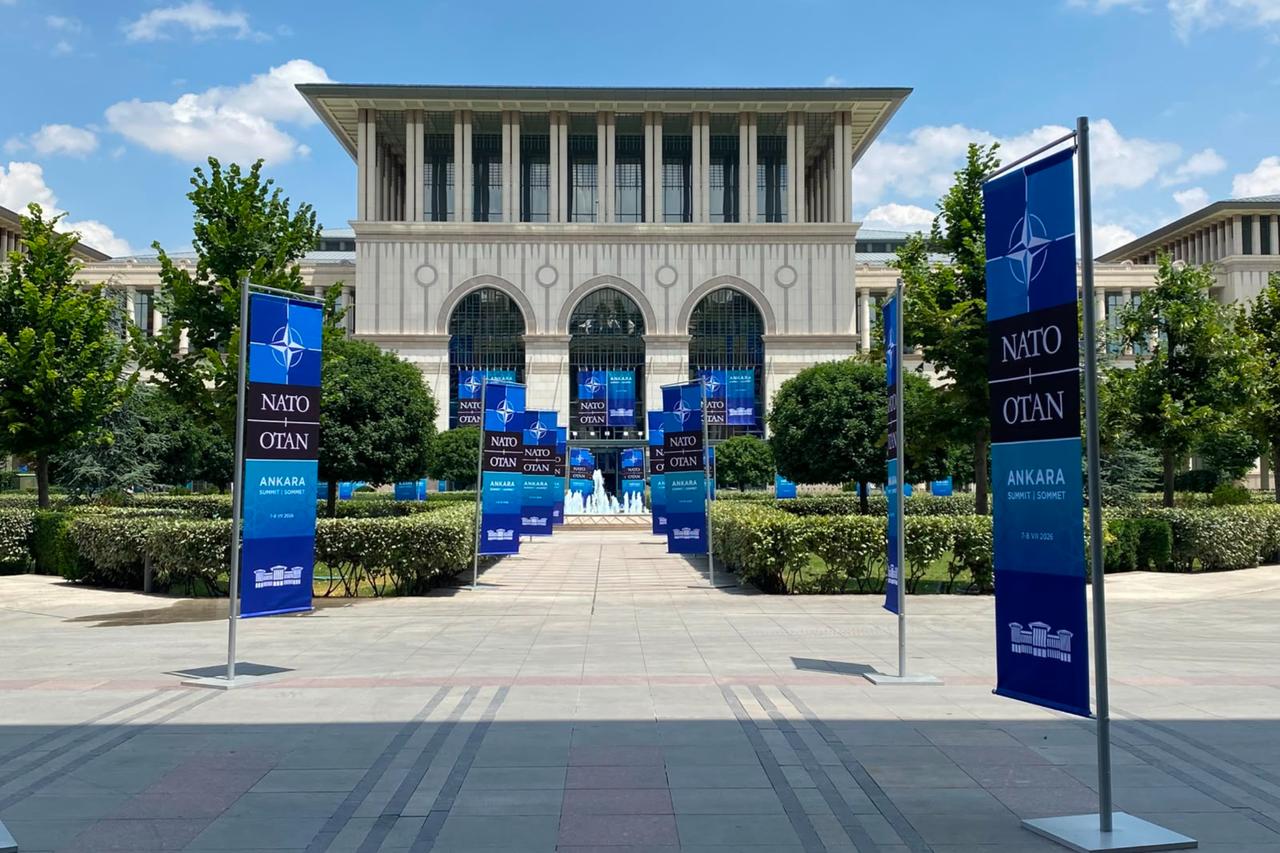
Ankara has managed to include Istanbul Cooperation Initiative (ICI) partner nations—Qatar, Kuwait, the UAE, and Bahrain—in the NATO summit.
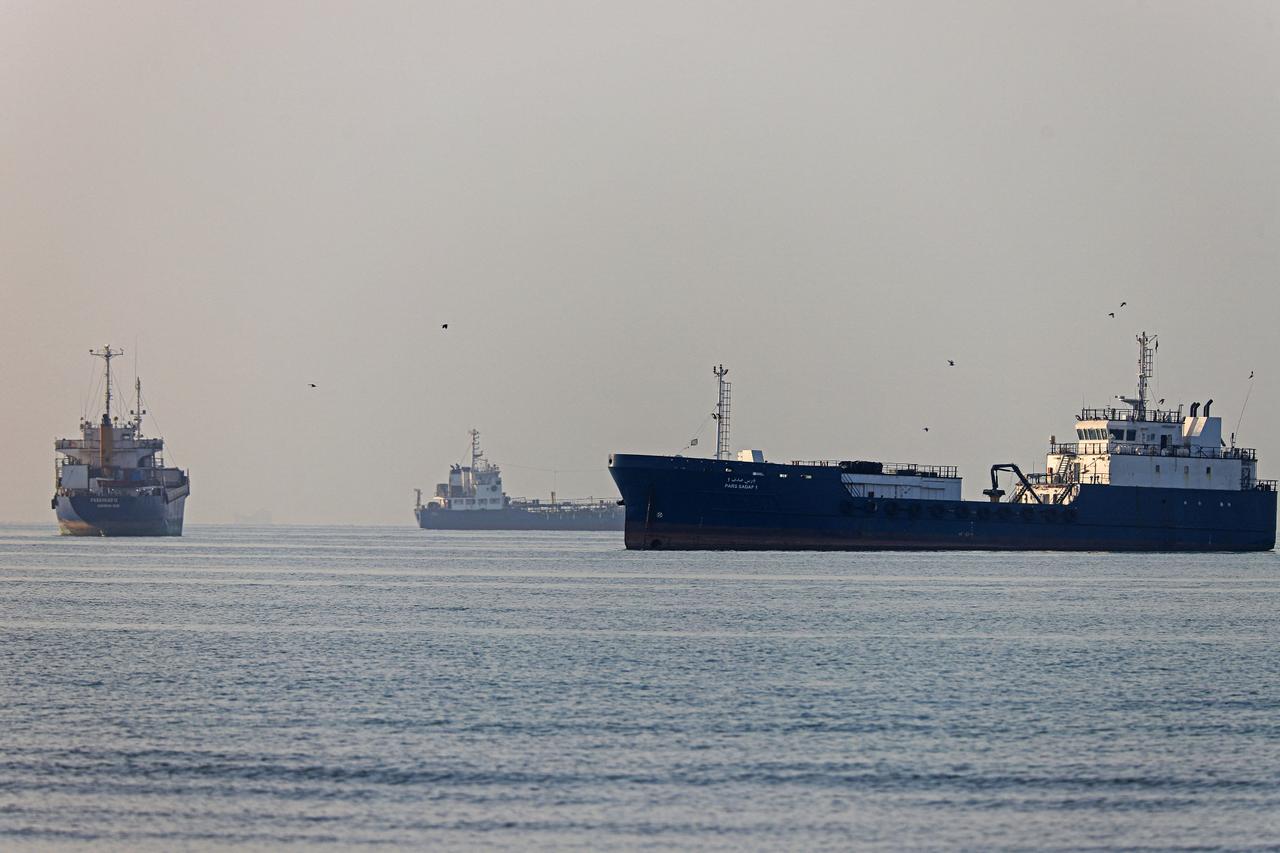
A NATO source told Türkiye Today, on the sidelines of NATO's Defense Industry Forum in Ankara, that the alliance has yet to reach consensus on launching a maritime mission to secure the Strait of Hormuz—despite what the source described as widespread support for the idea.
The source noted that no broad talks involving all NATO stakeholders have taken place on the issue so far. However, initial discussions have already begun with Gulf nations through the ICI mechanism.

The broad consensus among Gulf experts is that the NATO summit in Ankara is not expected to result in any new concrete initiatives regarding Gulf security.
One Gulf expert notes that this low expectation is ironically one of the factors that makes the summit interesting for U.S. President Donald Trump, who is attending the Ankara talks and has consistently pushed for burden-shifting and new defense arrangements.
Notably, Gulf heavyweight Saudi Arabia is not joining the summit in Ankara.
The four participating Gulf countries have so far not been vocal about joining the NATO summit, primarily because they do not necessarily value the alliance as a major alternative to the current security mechanisms protecting the region.
Senior Gulf expert Betul Dogan Akkas told Türkiye Today that Gulf countries are exploring alternative security mechanisms, one of which involves NATO providing security for the Strait of Hormuz. However, she noted two objections shape opinion on the idea: concerns that NATO is no different from the U.S., and doubts over NATO's effectiveness—making it one of the less favored options among Gulf states.
Rather than a sweeping new defense pact, Akkas expects cyber and maritime security to top the agenda at the ICI meetings during the Ankara summit.
As the conflict continues to disrupt regional stability, Gulf states are carefully weighing their options, balancing their immediate defense needs against a deep skepticism of Western-led military frameworks.


 Set as preferred source
 Set as preferred source


 2 min read
 1 min read