Newsletters


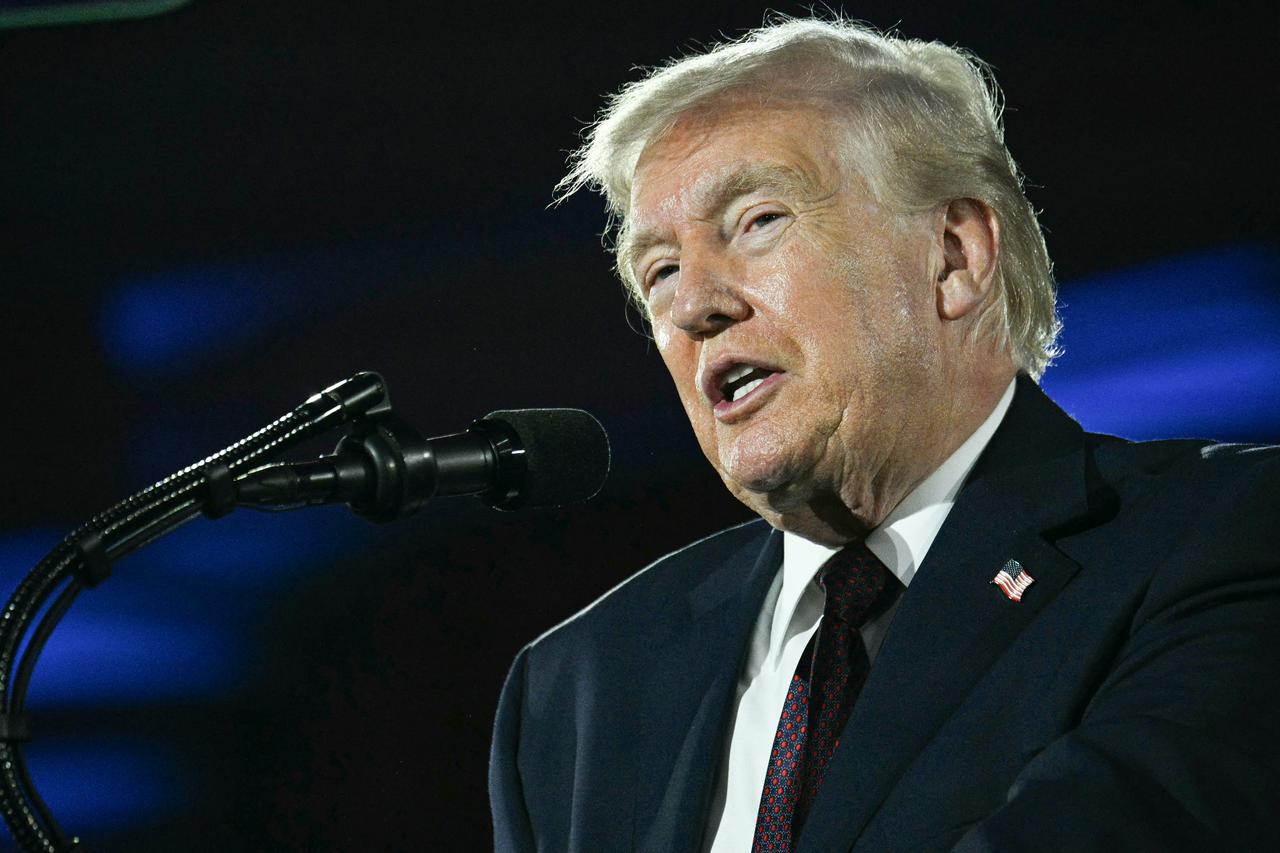


U.S. President Donald Trump said Wednesday that Iran is still taking part in negotiations, even as Tehran publicly denies any such engagement, with the conflict entering its fourth week.
"They are negotiating, by the way, and they want to make a deal so badly," Trump said during a dinner with Republican lawmakers, adding that Iranian officials are unwilling to admit it publicly because "they figure they'll be killed by their own people."
His remarks came after Iran’s Foreign Minister Abbas Araghchi rejected U.S. claims of direct negotiations, asserting exchanges through mediators "do not mean negotiations with the U.S."
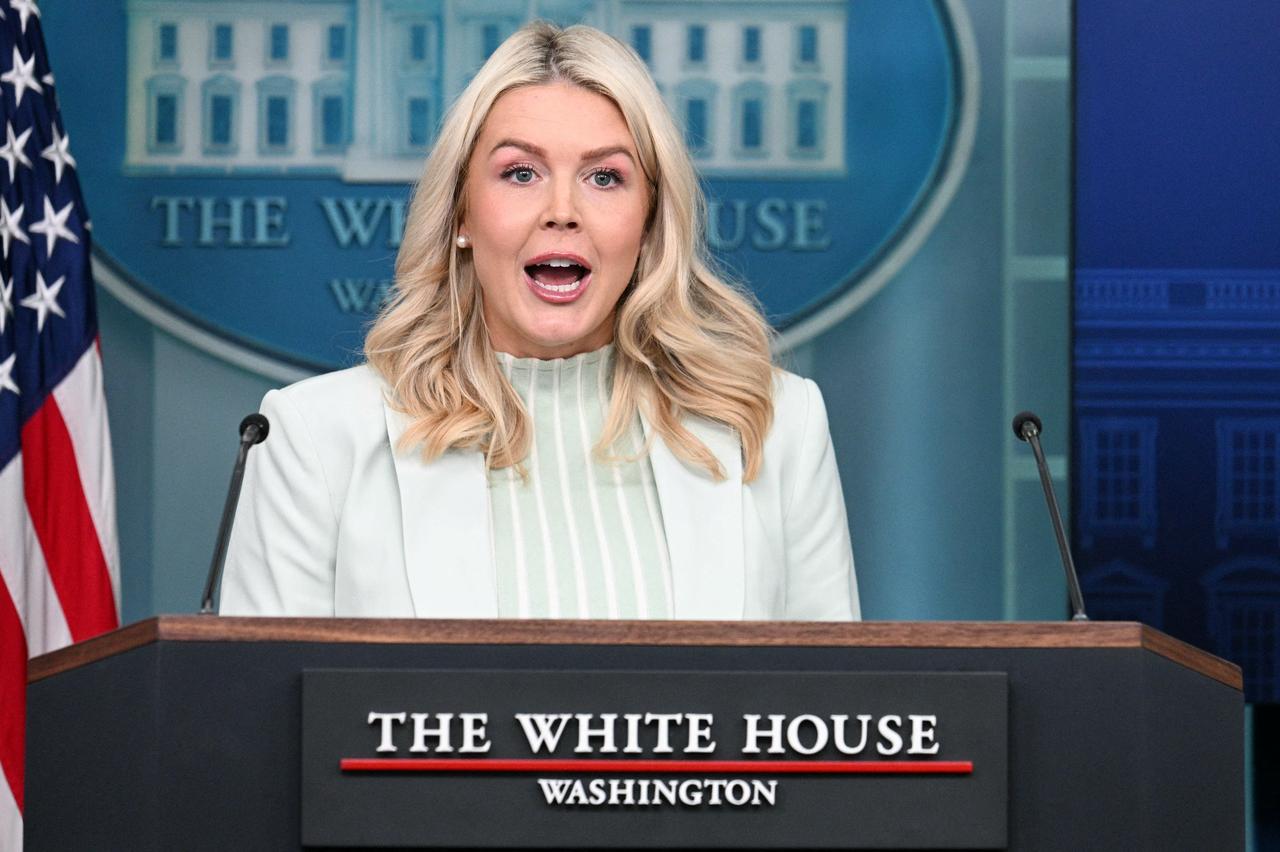
The White House said contacts with Iran are continuing and described them as yielding results, while warning that military pressure could increase.
Press Secretary Karoline Leavitt told reporters, "Talks continue. They are productive," but added that Washington is prepared to escalate if Iran does not shift its position. "President Trump does not bluff and he is prepared to unleash hell. Iran should not miscalculate again," she said.
Leavitt did not identify who is representing Iran in the discussions, while unconfirmed reports point to parliamentary speaker Mohammad Bagher Ghalibaf as a possible interlocutor. She also declined to confirm whether senior U.S. officials, including Vice President JD Vance, are planning talks with Iranian representatives in Pakistan, which has been mentioned as a potential mediator.

Diplomatic contacts are said to be intensified between the U.S. and Iran after President Donald Trump paused a planned strike on Iran’s power infrastructure, citing "productive" behind-the-scenes exchanges as the reason for the delay. Iran publicly denied any negotiations at the same time, creating a gap between official statements and ongoing backchannel activity.
Since that date, talks have not taken place directly between U.S. and Iranian officials but have instead moved through intermediaries. Regional actors, including Türkiye, Egypt and Pakistan, have been relaying messages between the two sides, with separate meetings held with U.S. envoys and Iranian officials.
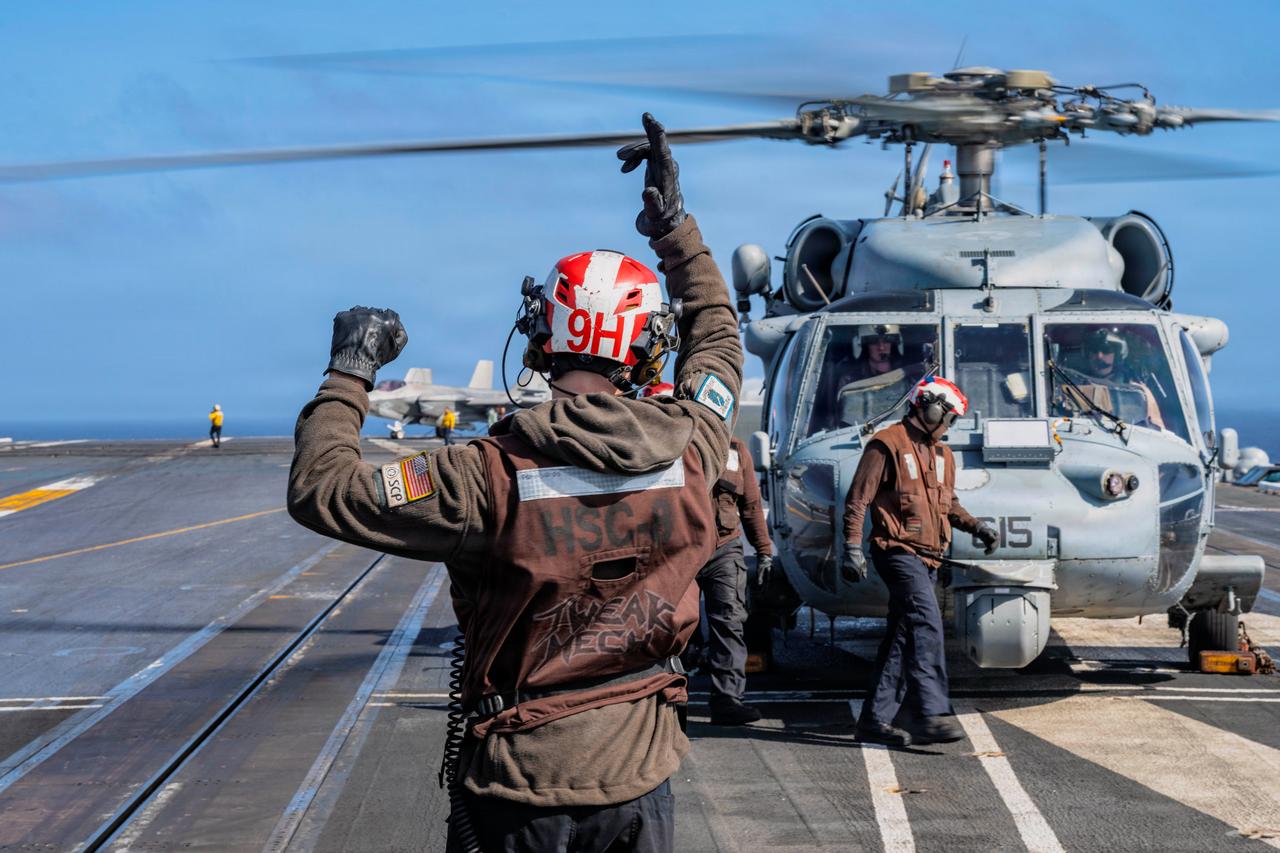
Despite efforts, reports say the United States has expanded its military presence in the Gulf in recent weeks, deploying additional airborne troops and marines as speculation grows over a possible ground operation aimed at Iranian assets or the Strait of Hormuz.
Addressing the claims, Iran’s Foreign Minister Abbas Araghchi warned that any foreign military presence in the Strait of Hormuz would heighten tensions, stressing that the waterway falls within Iran’s sovereignty and control.


 Set as preferred source
 Set as preferred source


 1 min read
 1 min read