Newsletters


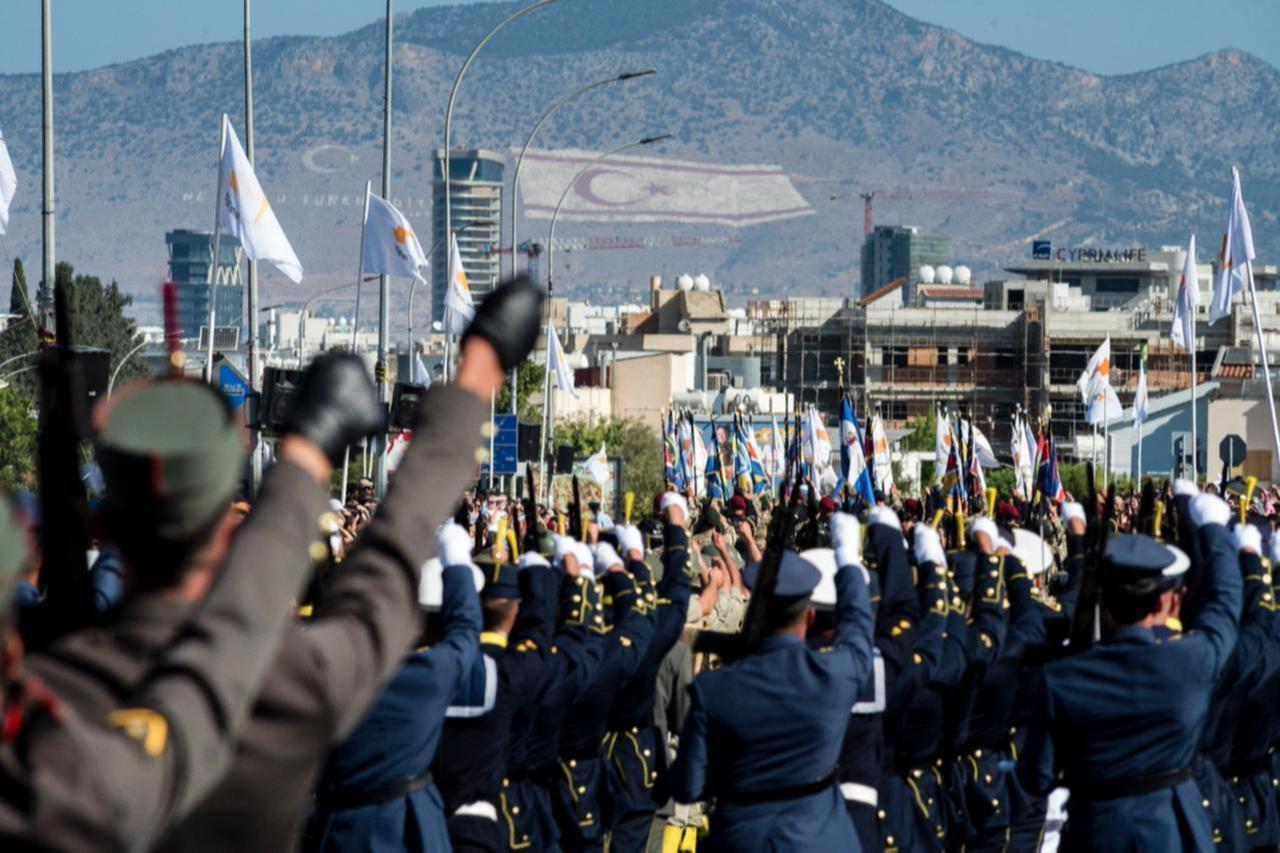


Long viewed as a frozen conflict zone, Cyprus appears to be now increasingly shaped by overlapping crises stretching from the Middle East to Europe.
The intensification of military activity follows broader instability linked to the ongoing confrontation involving the United States, Israel, and Iran. As these tensions spill outward, the Eastern Mediterranean is evolving into a secondary theater with its own dynamics and risks.
Cyprus, divided between the Greek Cypriot south and the Turkish Cypriot north, sits at a critical location as its proximity to the Levant, North Africa, and key maritime routes has made it a focal point for military deployments by multiple actors.
In recent months, several European countries have significantly increased their military footprint in southern Cyprus. Fighter jets, naval units, and advanced air defense systems have been deployed amid growing concerns about regional spillover from Middle Eastern conflicts.
The United Kingdom has reinforced its presence, deploying naval assets and anti-drone capabilities to protect its sovereign base areas on the island. This move follows a drone strike targeting one of its installations earlier in the month, an incident that underscored Cyprus’ vulnerability to external conflict dynamics.
France has also elevated its military readiness, positioning naval forces and counter-UAV systems in the region. Meanwhile, Greece has deployed F-16 fighter jets and additional naval units, signaling a coordinated effort to bolster deterrence and expand operational reach.
These developments are taking place alongside deeper trilateral cooperation between Greece, Israel, and the Greek Cypriot administration. Agreements covering defense and security cooperation point to a more institutionalized military alignment in the Eastern Mediterranean.
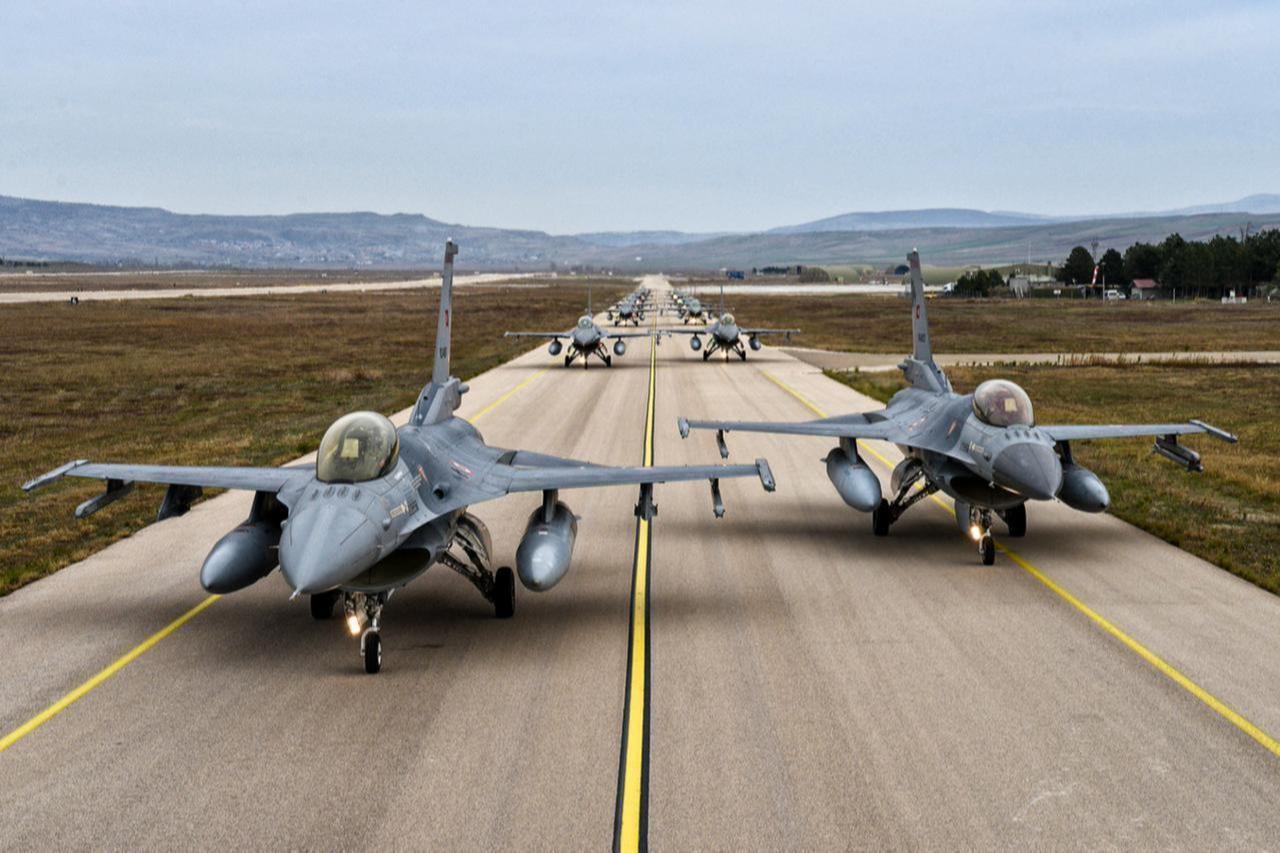

Türkiye has responded to the evolving security environment by reinforcing its presence in the Turkish Republic of Northern Cyprus. The deployment of F-16 fighter jets and additional defensive assets reflects Ankara’s effort to maintain strategic balance on the island.
These measures are rooted in Ankara’s role as a guarantor power under the island’s founding agreements. The buildup in the south is viewed as a response to external threats and also as a development that could alter the internal balance of power on the island.
Tufan Erhurman, newly elected leader of Northern Cyprus, has expressed concern that increased militarization in the south risks turning the entire island into a potential target. The presence of foreign military assets, they argue, could draw Cyprus into conflicts that are not directly related to its internal dispute.
At the same time, Turkish authorities emphasize that their actions are defensive in nature. The goal, they maintain, is to deter escalation while ensuring the security of Turkish Cypriots in an increasingly volatile environment of the region.
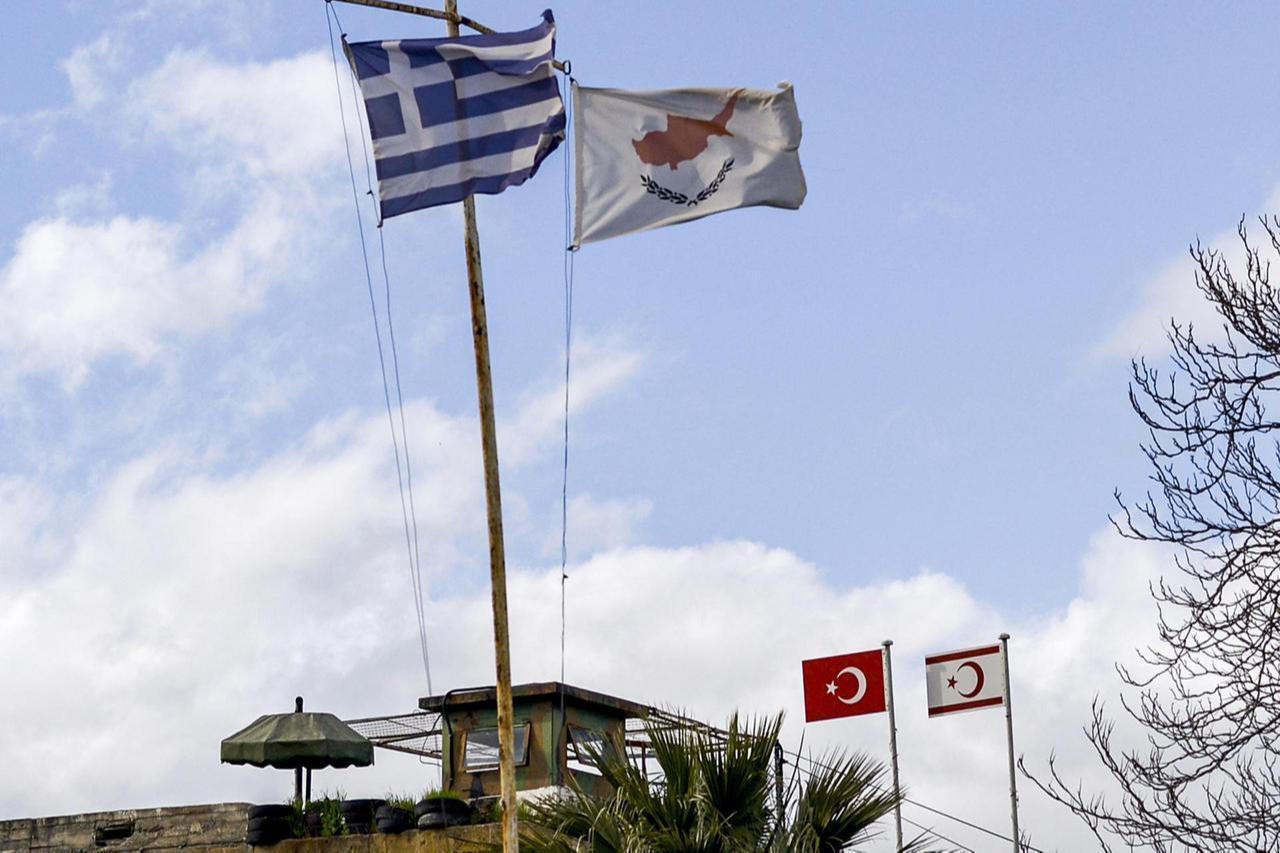
While two member states within NATO, Türkiye and Greece are pursuing competing strategies in the same theater, other countries in the alliance like France are taking sides rather than playing a mediating role as the interests of the parties in the Eastern Mediterranean diverge sharply.
Disputes between Ankara and Athens, however, extend beyond Cyprus. They include disagreements over maritime boundaries, airspace, and the militarization of islands in the Aegean Sea. These longstanding tensions are now intersecting with a broader regional crisis.
The military buildup in southern Cyprus is in scale and composition of deployments—particularly naval assets and advanced aircraft—suggest to some observers a form of coercive signaling rather than purely precautionary measures.
This perception raises concerns about an action-reaction cycle. As each side responds to the other’s moves, the risk of miscalculation increases, especially in a confined and heavily militarized environment.
The Eastern Mediterranean is increasingly exposed to the ripple effects of conflicts originating in the Middle East. The drone strike targeting a British base on Cyprus has reinforced fears that the island could become entangled in a broader confrontation.
Although the immediate threat may stem from non-state actors or indirect engagements, the presence of multiple military forces increases the complexity of the operational environment. Any misstep could have disproportionate consequences.
There is also concern that some actors may use the current regional instability as a pretext to expand their military footprint. These risks are pushing Cyprus simply to the verge of an active frontline.
With the accumulation of military assets from multiple countries with overlapping but not identical objectives, the situation creates conditions where escalation could occur unintentionally.
Amid the growing militarization, the United Nations continues to play a stabilizing role on the island. Peacekeeping forces remain engaged with both sides, working to prevent incidents and maintain communication channels.
However, the UN’s capacity to influence remains limited. While it can help manage tensions locally, it cannot fully offset the impact of external military deployments and strategic rivalries.
The challenge moving forward will be to manage competing interests without triggering escalation as this requires restraint, coordination, and a clear distinction between defensive necessity and strategic overreach.


 Set as preferred source
 Set as preferred source


 3 min read