Newsletters


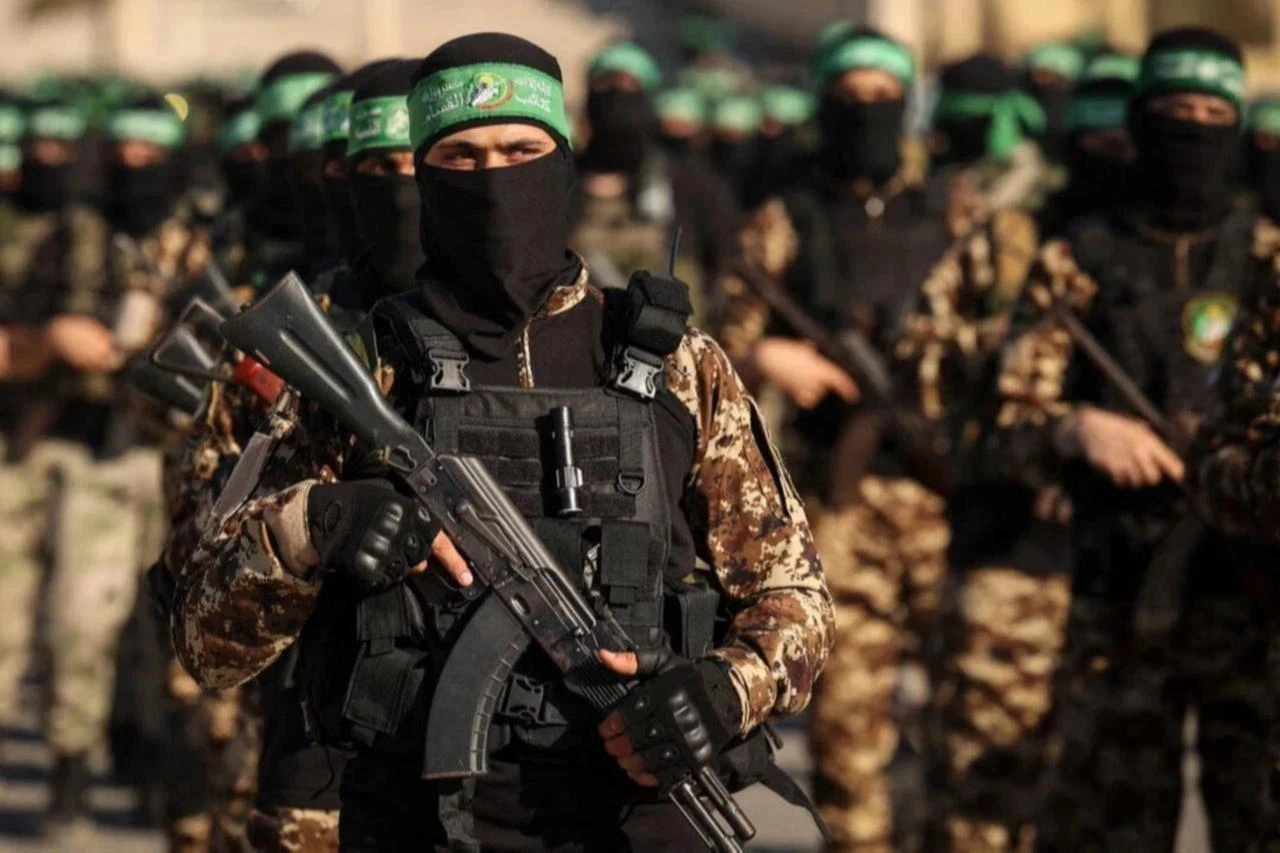


Hamas announced Friday it had agreed to surrender its arsenal to a Palestinian governing committee and accept a phased withdrawal of Israeli forces from Gaza, a dramatic concession that the group said came after months of grueling negotiations but that drew immediate skepticism from Israeli officials and far-right members of the government.
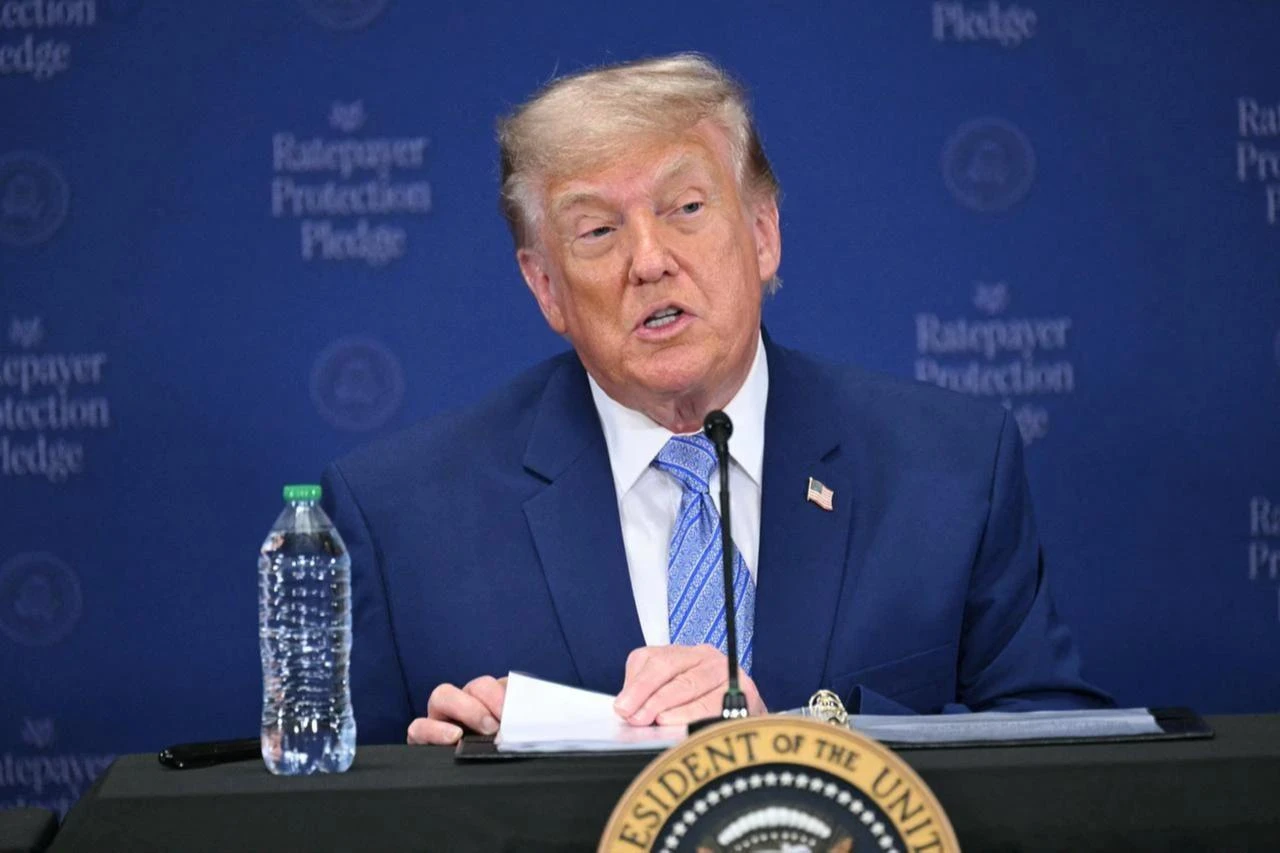
The agreement, brokered through Trump's Board of Peace, is designed to implement the long-stalled second phase of a ceasefire plan that has been in place since October. U.S. President Donald Trump, who hailed it on Thursday as representing Hamas's "complete disarmament," called it "a major milestone."
Speaking to reporters at Camp David on Friday, he added that Israel was fully on board: "We do have an understanding with Israel. Israel's very happy about it."
Israeli officials offered a starkly different account. A political source told AFP that "there will be no withdrawal whatsoever" from Israeli forces' current positions unless Hamas undergoes what it described as "a genuine disarmament."
The same source said that the issue of Gaza had not come up at all during this week's meetings between Trump and Israeli Prime Minister Benjamin Netanyahu in Washington.
Far-right National Security Minister Itamar Ben Gvir went further, denouncing the deal as "unacceptable" and warning it amounted to allowing Hamas to organize "for the next massacre."
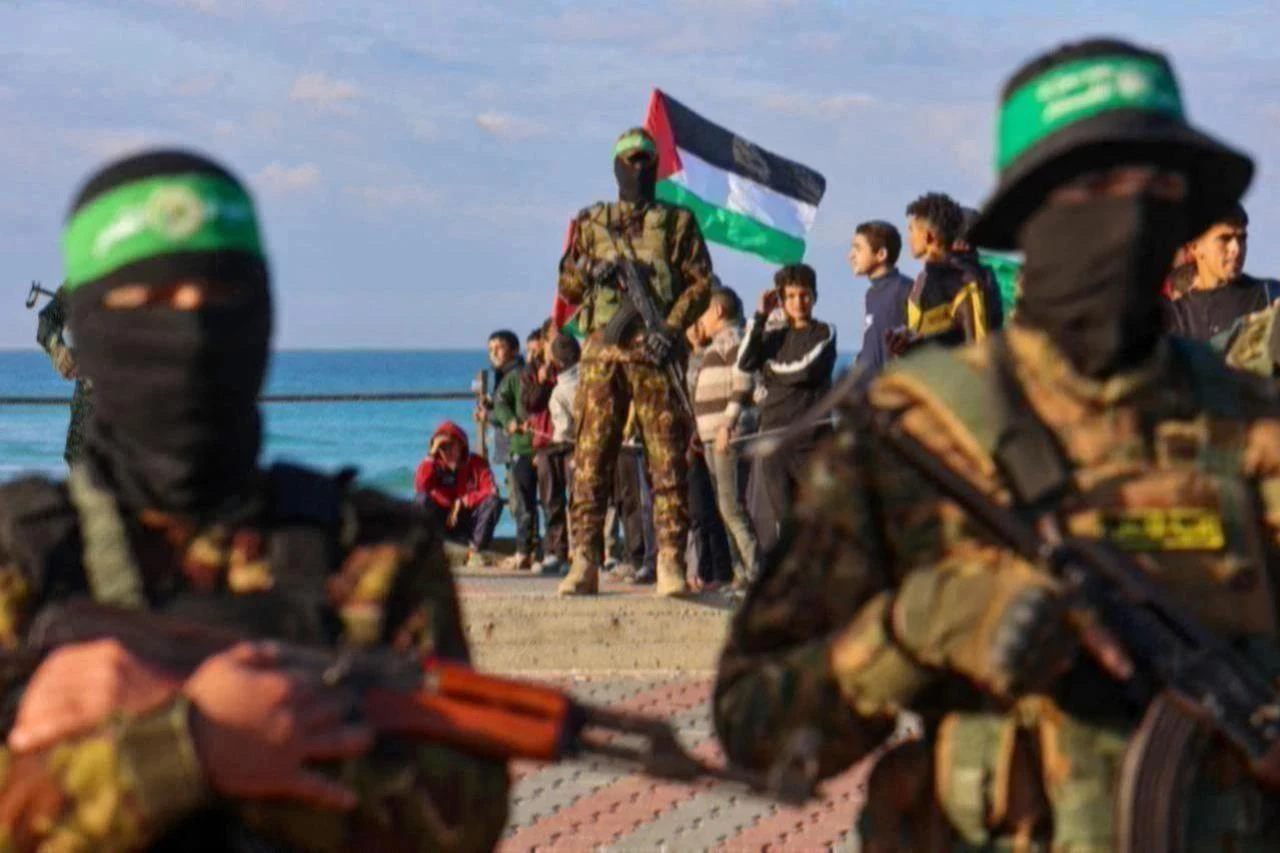

Under the roadmap's terms, Hamas's heavy weapons, military production sites, weapons depots and tunnel networks would be decommissioned and placed in storage, with a new verification mechanism created to ensure compliance.
Internal security in Gaza would pass to the National Committee for the Administration of Gaza, the technocratic body established under Trump's 20-point peace plan to oversee day-to-day governance and reconstruction in the territory.
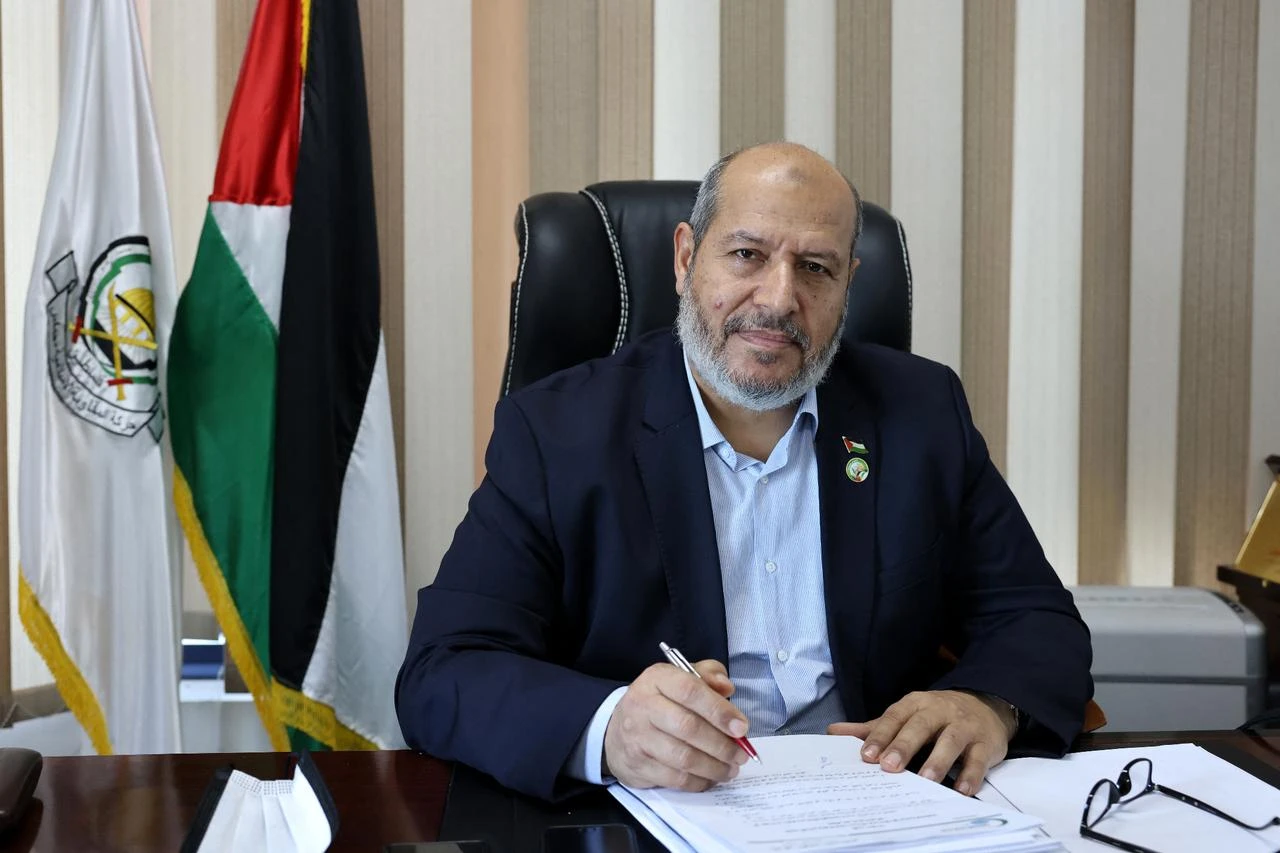
Hamas negotiator Ghazi Hamad made clear the group viewed the arrangement as a way to sideline Israeli involvement in the disarmament process entirely.
"Israel will not intervene in the issue of disarmament," he said. "The National Committee is the body that will undertake this task." Hamad acknowledged the move represented sacrifices, saying the movement was making "concessions for the sake of our people in the Gaza Strip."
The Board of Peace confirmed in a post on X that Hamas had agreed to a detailed roadmap, adding that its "focus now turns to implementation" and that the NCAG would "soon begin a phased transition toward full authority."
Nickolay Mladenov, the Board's high representative for Gaza, struck a cautious note, writing that the agreement "took months of very difficult negotiations" but stressing that verification had to be genuine. "Withdrawal must move in lockstep with decommissioning," he wrote.
A diplomatic source, speaking anonymously because they were not authorized to comment publicly, said the roadmap offered "a balanced and pragmatic path forward" and specified there would be "no exceptions for certain weapons or certain people."
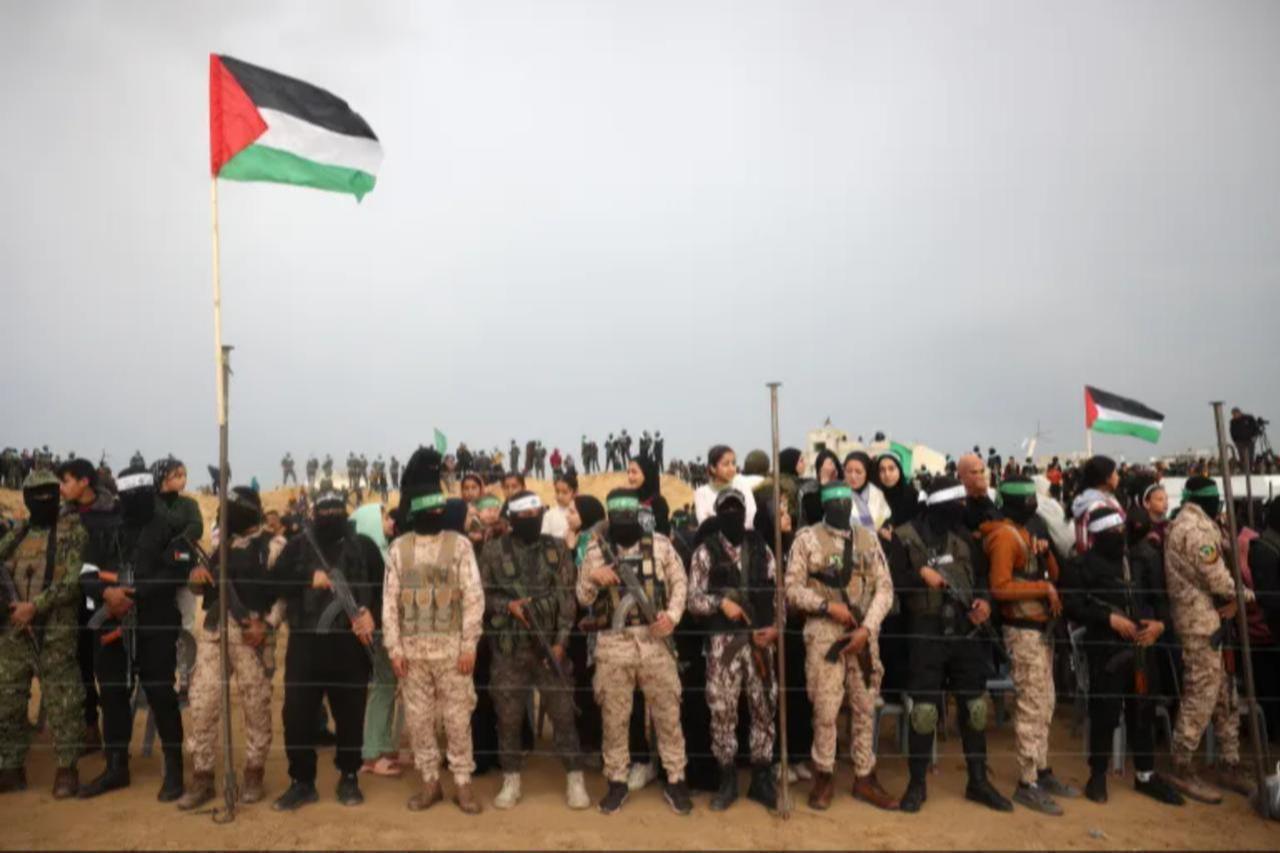
The agreement drew broad international support, albeit with reservations. European Union foreign policy chief Kaja Kallas welcomed the deal but cautioned that "a lot needs to fall in place for this to work."
UN Secretary-General Antonio Guterres, alluding to ongoing regional spillover from the conflict, called it a rare piece of good news, saying the announcement of Hamas relinquishing weapons and Israeli withdrawal was "the only good news in recent days."
Egypt's state-linked Al-Qahera News reported that Cairo would soon host a meeting of the truce's mediating parties, which include the United States, Qatar, Türkiye and Egypt.
Hamas said it expected those mediators and the Board of Peace to ensure Israel complied with the deal's terms, including the withdrawal of its forces. The new agreement also calls for an immediate halt to all military operations and the deployment of an International Stabilization Force to create a buffer between Israeli troops and areas under NCAG control.
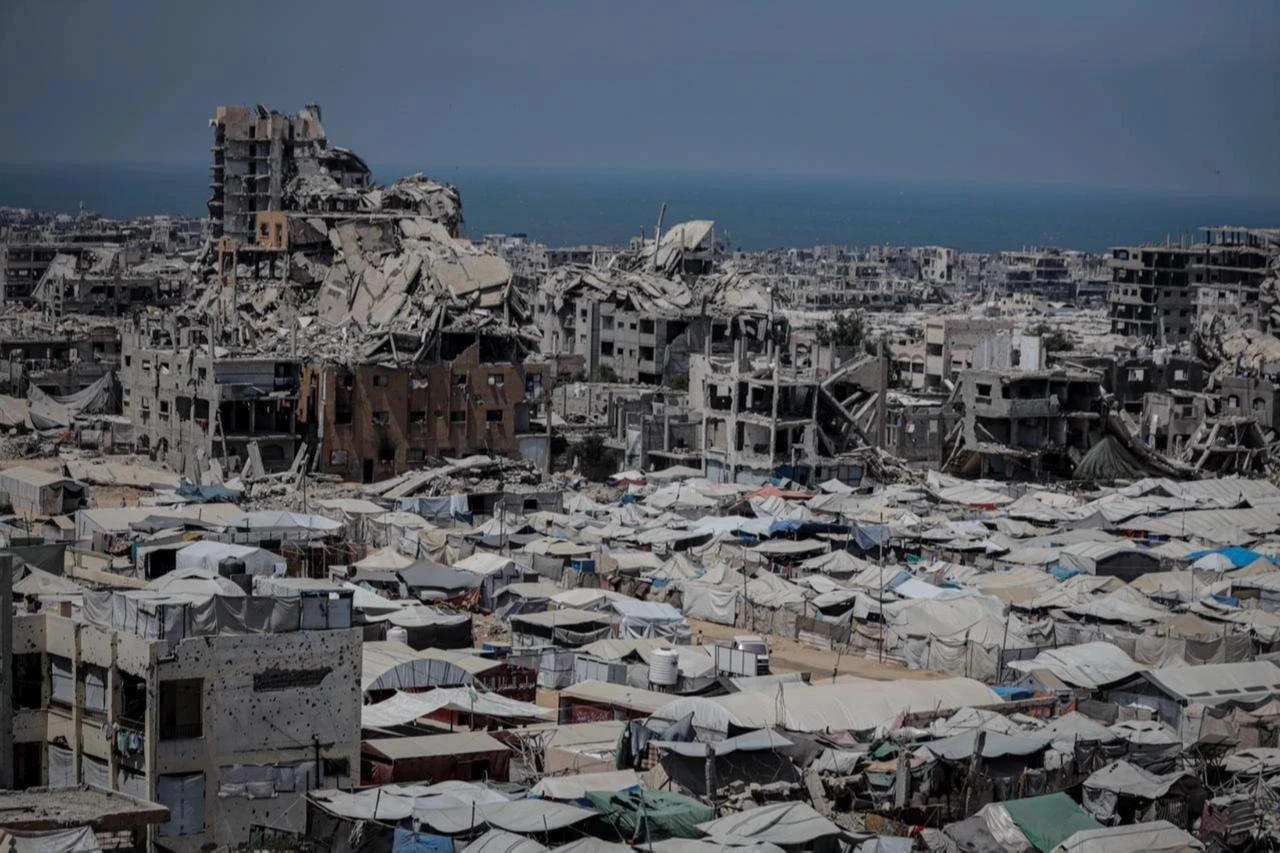
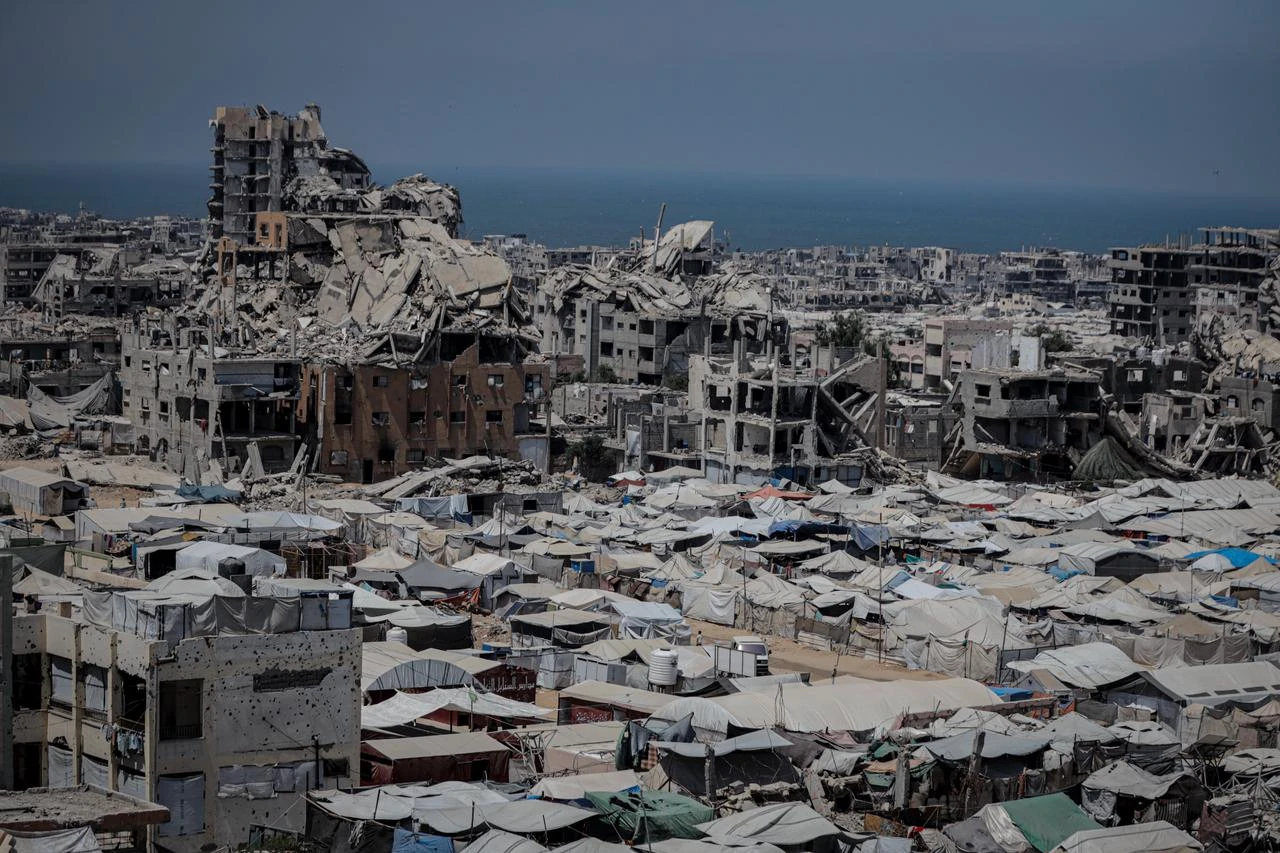
Despite the diplomatic movement, conditions on the ground in Gaza remain dire. Israeli strikes killed at least four people, including two children, on Thursday, according to local health officials, underscoring the fragility of a ceasefire that has failed to halt violence since it took effect.
More than 1,000 Palestinians have been killed in Gaza since the ceasefire began, according to health ministry figures.
Israel has long maintained that full Hamas disarmament is a precondition for any troop withdrawal, and its silence on the formal announcement, combined with the political source's flat denial of any agreed withdrawal, suggests significant gaps remain between the parties.
Hamas, for its part, placed the onus firmly on the other side, with senior official Basem Naim writing on X that the group had agreed to the roadmap and pressing mediators to compel Israel to do the same, saying "the ball is now in the enemy's court."


 Set as preferred source
 Set as preferred source


 1 min read
 1 min read