Newsletters




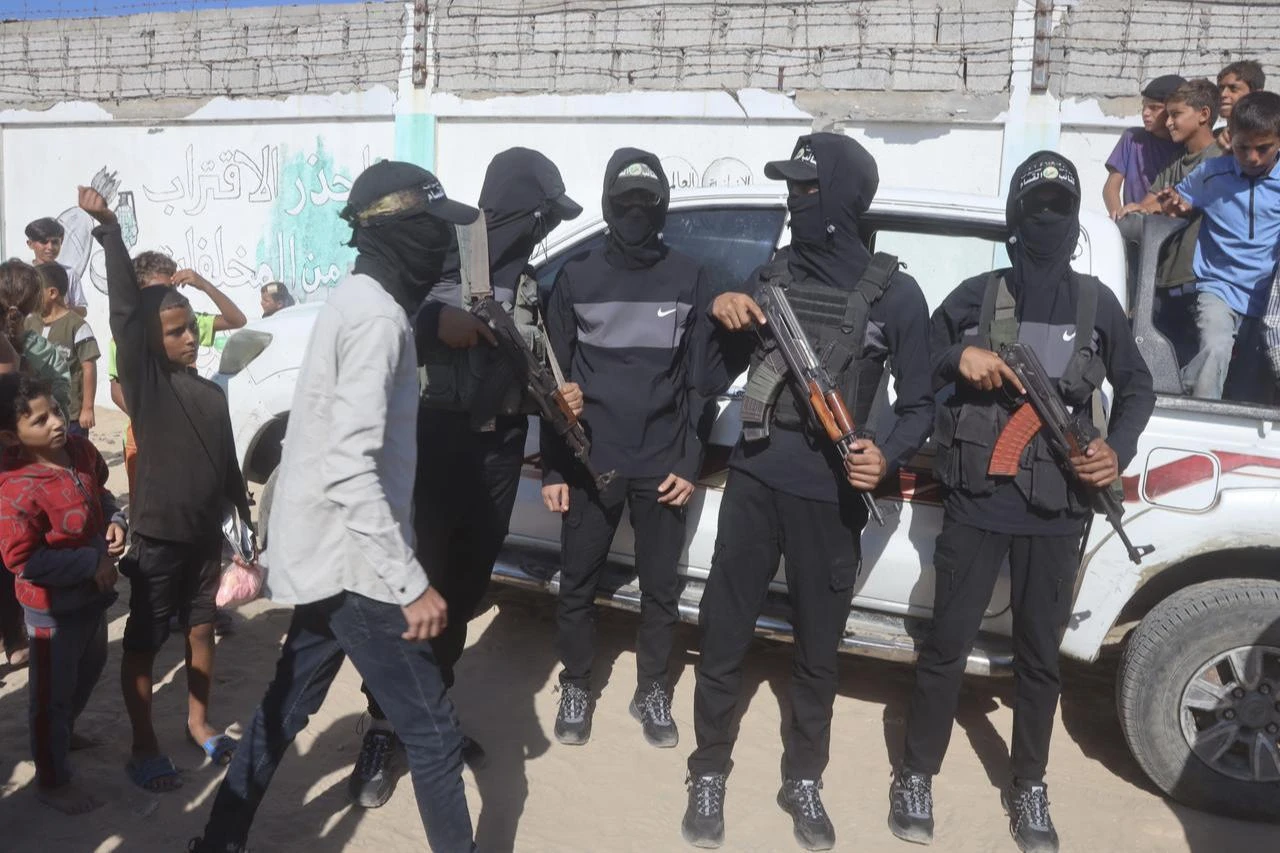
Hamas will implement the disarmament agreement announced by U.S. President Donald Trump only after Israel meets its own commitments, including withdrawing its forces and ending attacks, a senior Hamas official said.
Palestinian sources revealed to Türkiye's state-run Anadolu Agency (AA) the roadmap governing the second phase of the Gaza ceasefire, from a 14-day implementation trigger to a weapons-storage mechanism that keeps arms inside Gaza under Palestinian control.
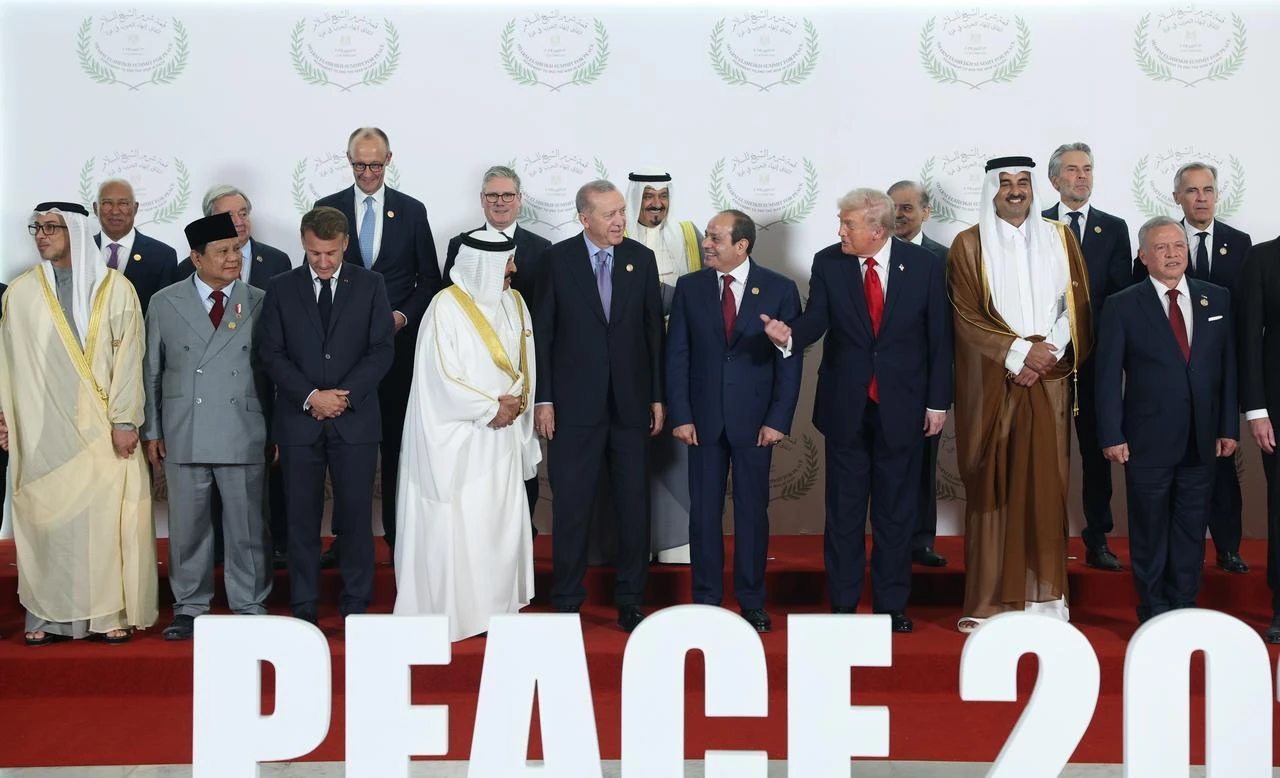
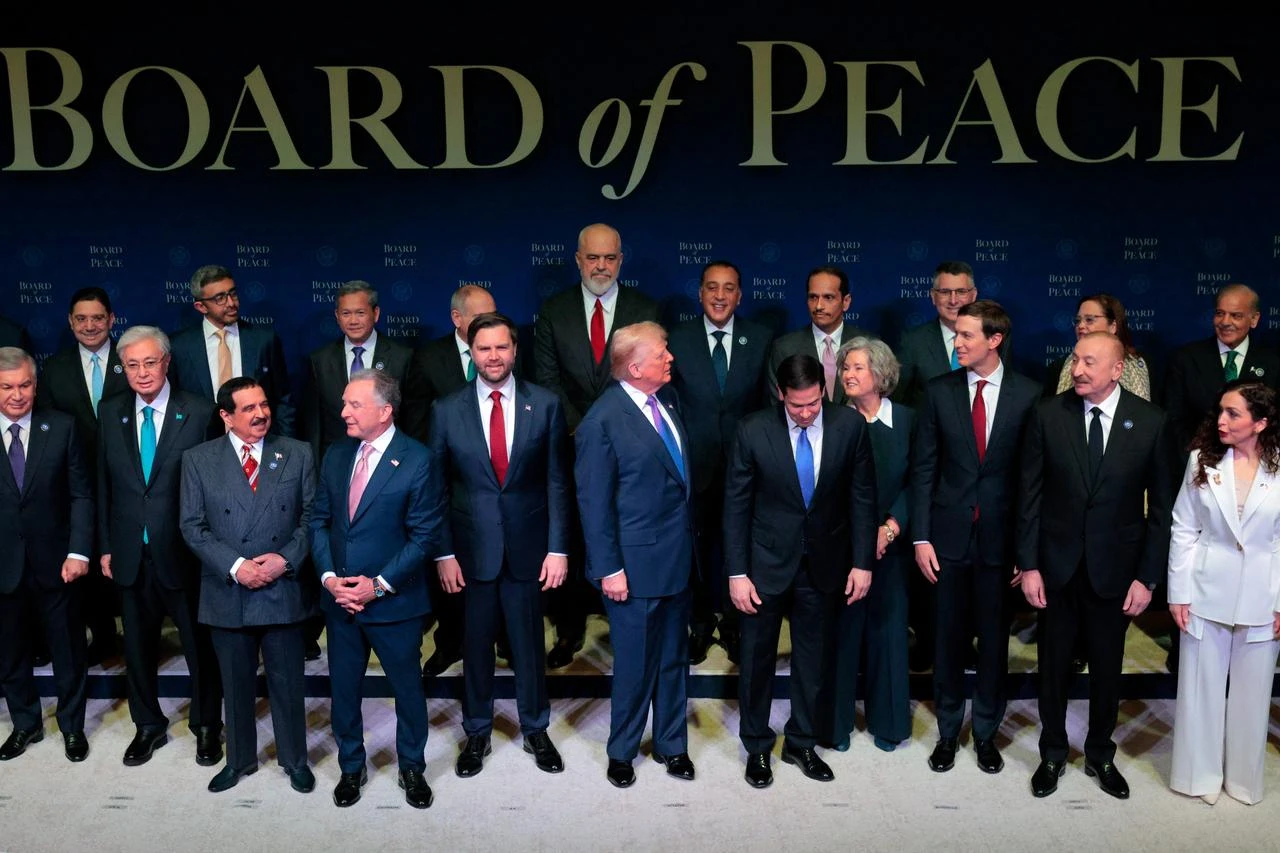
The twin disclosures flesh out the "historic breakthrough" Trump announced Thursday, a Board of Peace agreement for the complete disarmament of Hamas and other armed groups, brokered with help he credited to Egypt, Qatar and Türkiye, while exposing the sequencing dispute that will decide whether it holds.
Israel says it will not withdraw before Hamas disarms. Meanwhile, Hamas says it will not disarm before Israel withdraws.
Ghazi Hamad, a Hamas official involved in the negotiations, told Reuters the agreement is a "comprehensive framework" going beyond disarmament. Its implementation depends on Israel first carrying out the initial phase of last year's Sharm el-Sheikh agreement, ending its attacks in Gaza, withdrawing its forces to their October positions and increasing the flow of goods and aid into the enclave.
Only then would Hamas hand over its weapons to the National Committee for the Administration of Gaza (NCAG), the technocratic body set up to run the enclave, he said. "We insisted to the mediators that Israel must abide by the agreement," Hamad said.
A Hamas official also told Reuters the deal must be "implemented in stages," with Israel beginning the first phase, withdrawal from Gaza and the dismantling of "Israeli-backed armed militias", once both sides approve the agreement text, after which Hamas would hand weapons to the committee for storage.
An Israeli official said Thursday that Israel would not agree to withdraw behind the so-called Yellow Line before Hamas is disarmed and the Gaza Strip is demilitarized, according to Reuters, laying bare the sequencing standoff.
The Palestinian Islamic Jihad movement, meanwhile, called the announced agreement "inaccurate" and said it has reservations "in its currently circulated form."

Palestinian sources familiar with the draft told AA that implementation of the second phase would begin within 14 days of approval by "all relevant parties," and requires a complete cessation of military operations and full implementation of the ceasefire's humanitarian protocol before advancing.
During a transitional period, all civilian and security responsibilities would transfer to the NCAG, which would oversee public institutions and services, conduct a financial and administrative review, and hold responsibility for internal security, weapons licensing and law enforcement on the principle of "one authority, one law and one weapon," the sources said.
Qualified members of Gaza's security services would be integrated into official institutions, with those ineligible offered civilian alternatives or retirement, and the draft includes a civil peace accord ending internal violence and banning military parades.
The roadmap calls for dismantling and storing heavy weapons, dismantling tunnels and military production sites, and an international monitoring mechanism overseen by the National Committee, the sources said.
Crucially, weapons would not be transferred to Israel or any other party but would remain inside Gaza under the committee's responsibility, with Palestinian factions participating in cataloging and storage and an international committee supervising.
Israel would not supervise the disarmament process, the sources said, adding that Hamas maintains no step will be implemented unless Israel fulfills its obligations.
Disarmament would be linked to a gradual and complete Israeli military withdrawal on an agreed timetable, reconstruction, and what the sources described as "a credible path toward the establishment of a Palestinian state."
Armed groups cooperating with Israel would be dismantled on a set timeline without integration into official security institutions.
The draft concludes with a comprehensive reconstruction plan under international supervision, alongside an International Stabilization Force monitoring the ceasefire, securing aid deliveries and supporting the NCAG.
The NCAG welcomed the progress on the roadmap, affirming "full readiness to assume its responsibilities" after months of institutional preparations to restore public services, strengthen the rule of law, facilitate aid and lead reconstruction, in line with Trump's plan and U.N. Security Council Resolution 2803, and "guided by the principle of one authority, one law, and one security apparatus."
"The task ahead is immense, and rebuilding Gaza requires sustained international commitment, substantial financial resources, and close cooperation among all partners," the committee said, saying its goal extends to "a Gaza that is safe, stable, and prosperous ... in a way that upholds the Palestinian people's right to self-determination and statehood."
Senior White House adviser Jared Kushner, instrumental in the post-war reconstruction plan, hailed the deal: "Another historic step. And more work remains."
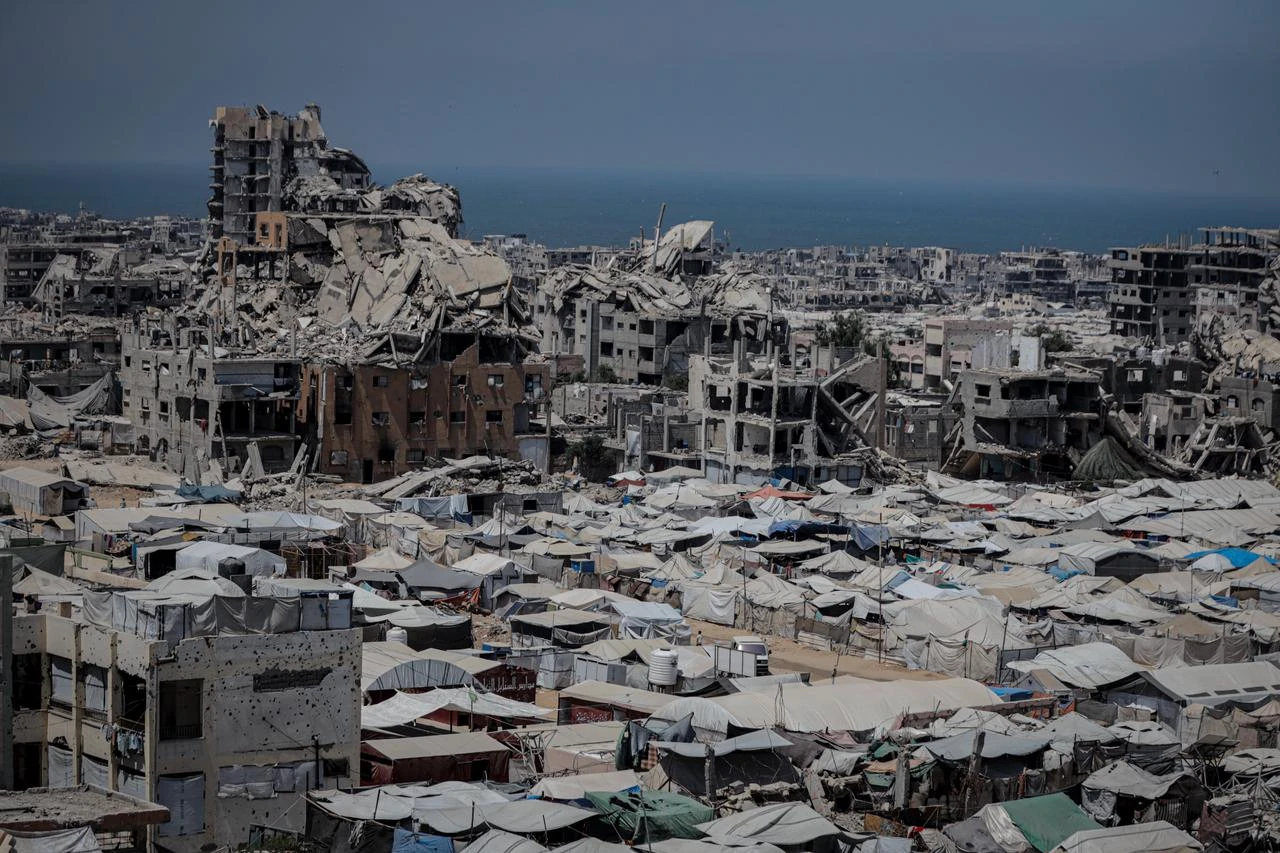
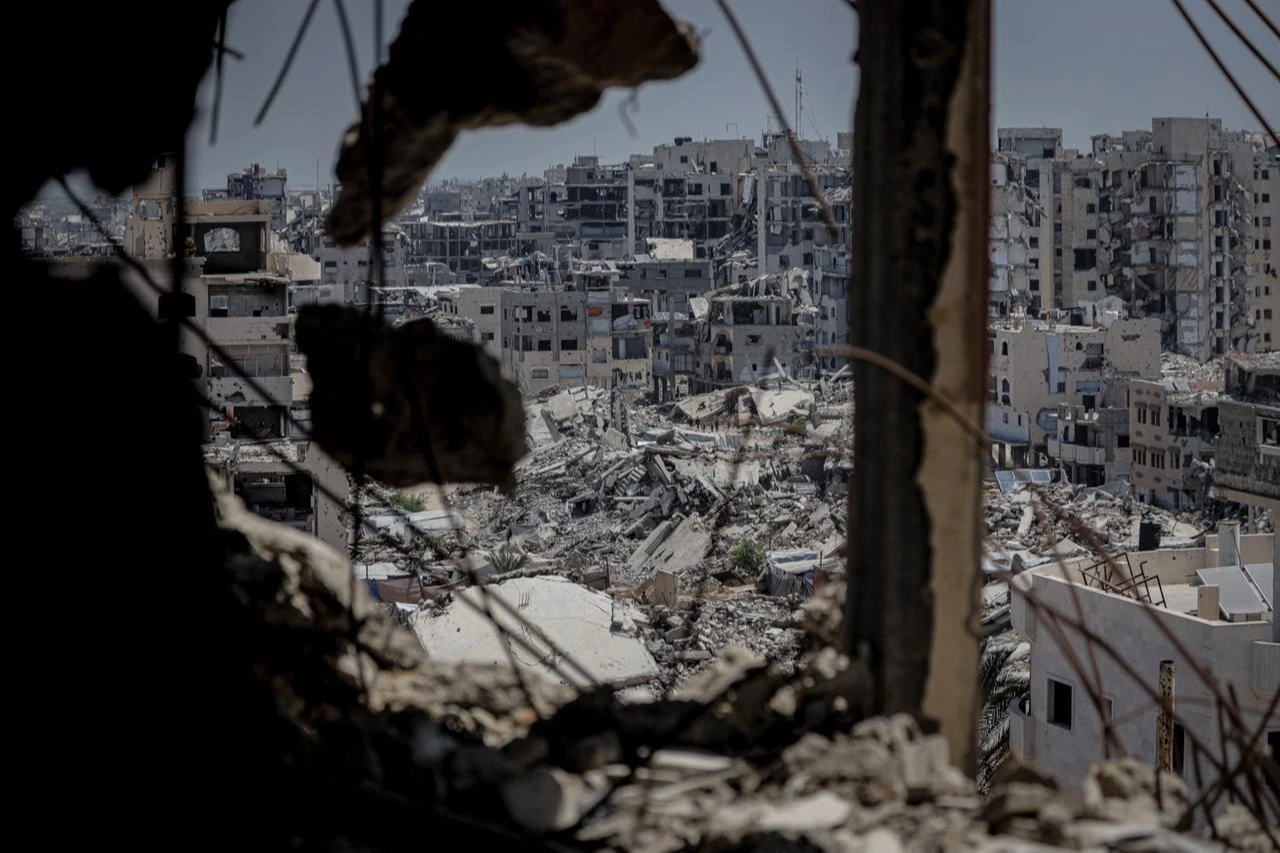
Israel's war on Gaza has killed more than 73,000 Palestinians and injured over 174,000, while destroying about 90% of the enclave's infrastructure.
Despite the ceasefire in effect since Oct. 10, 2025, under Trump's 20-point plan, Israel has continued daily attacks that have killed 1,214 Palestinians and injured 3,977.


 Set as preferred source
 Set as preferred source


 2 min read
 1 min read