Newsletters


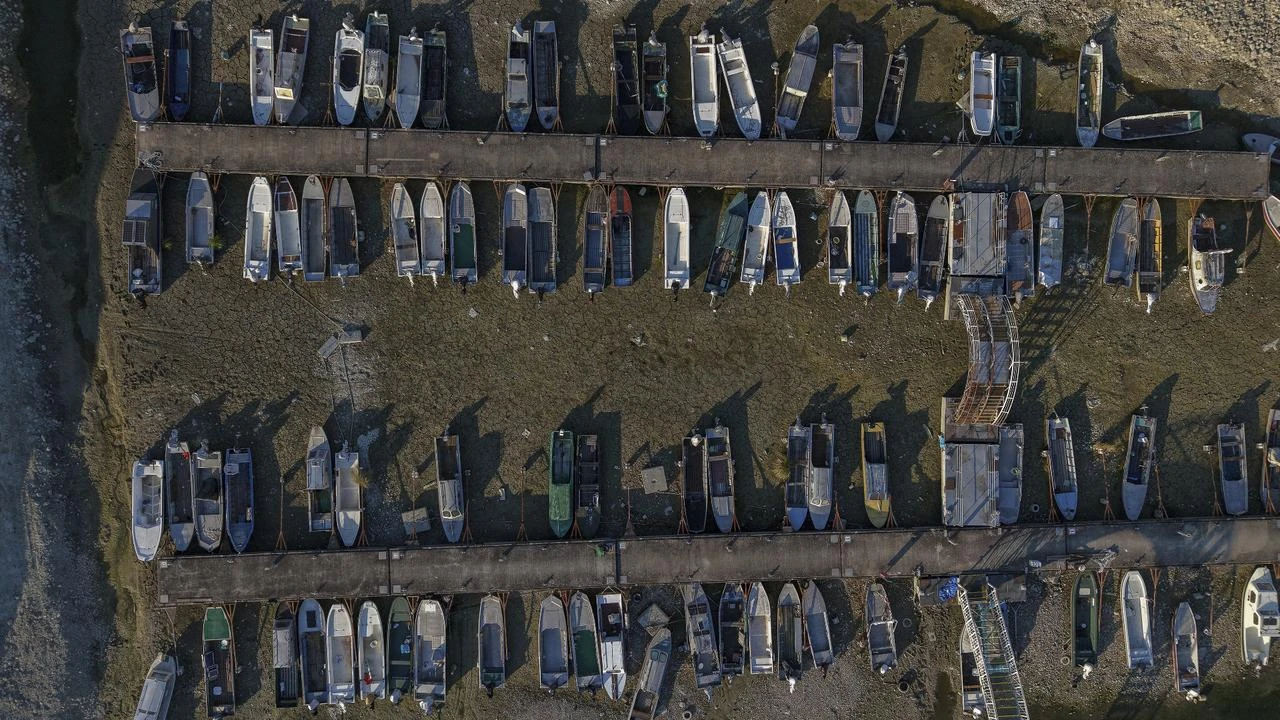
Europe has been gripped by successive heatwaves and a major drought this year, which scientists have linked to human-caused climate change.
The waters of the Danube, Europe's second-longest river, have dropped in parts to a record low amid successive heatwaves that have parched the continent since May.
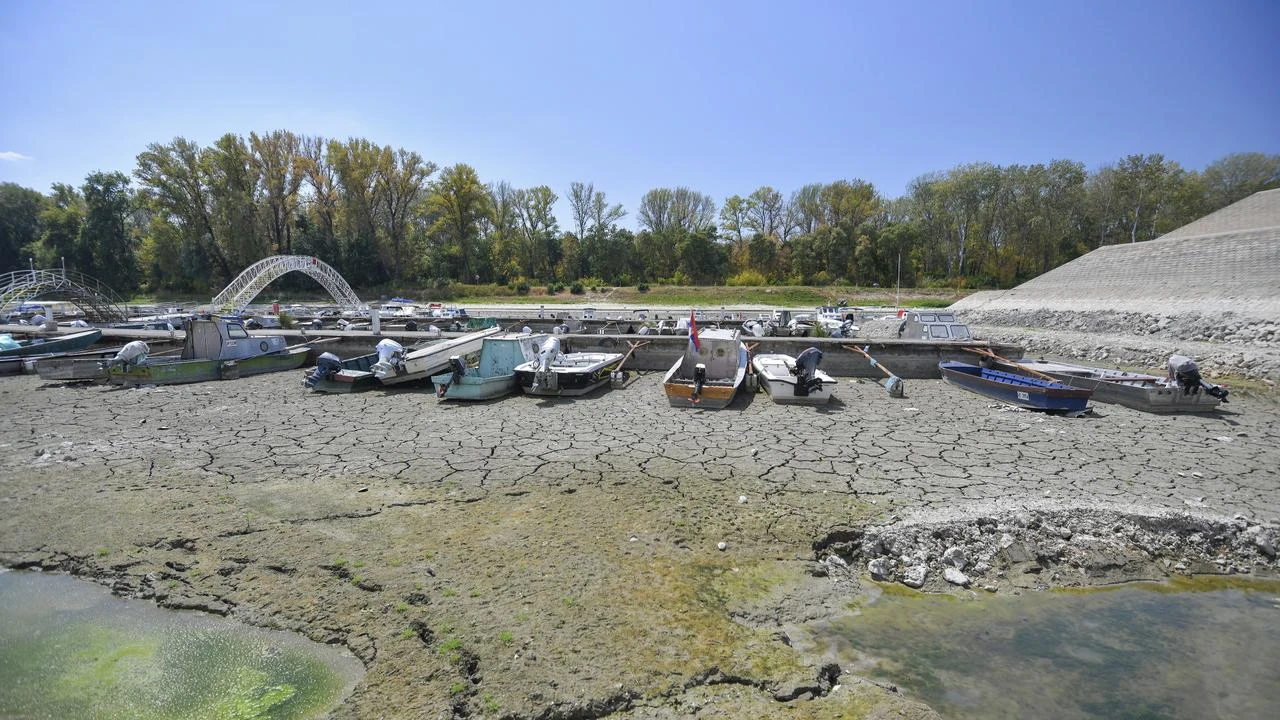
From Slovakia and Hungary in central Europe to Romania and Bulgaria further east, ships are unable to sail fully loaded along the waterway and face lengthy waits.
Serbia has also been forced to cut back power generation on its two biggest hydroelectric plants.
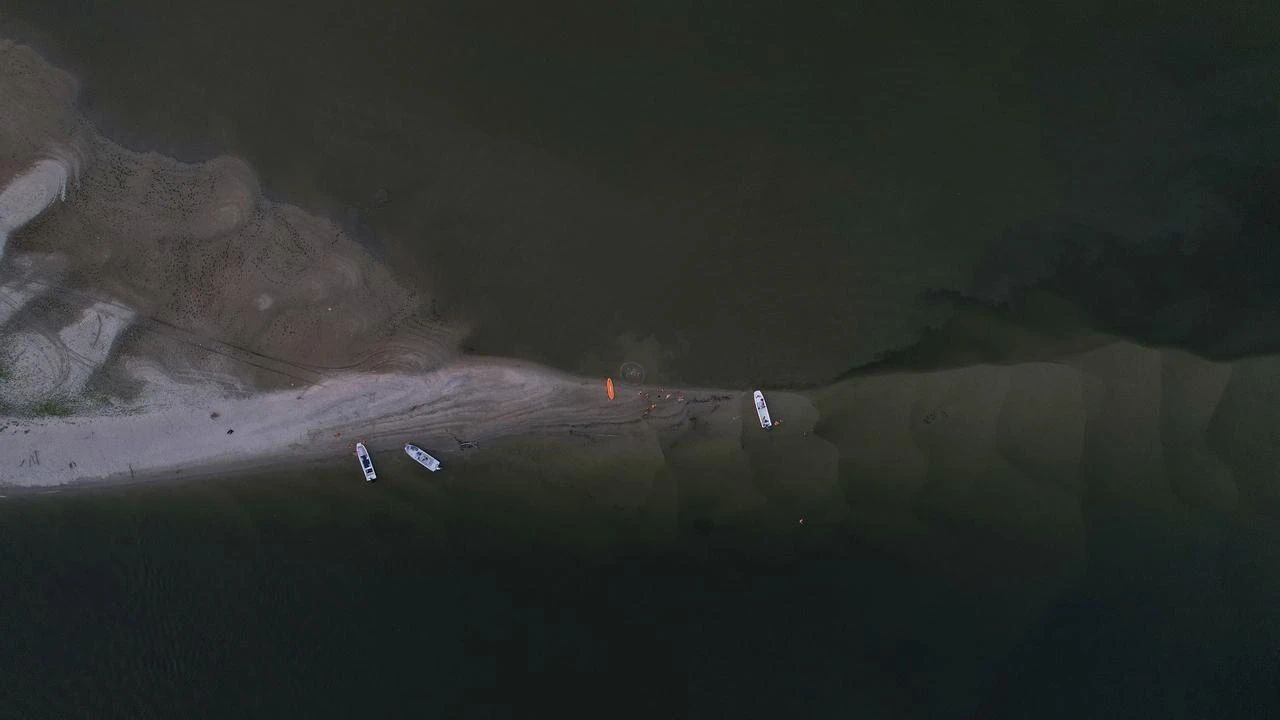
Scientists say global warming is fueling droughts and driving weather emergencies to become more extreme and more frequent.
Prolonged drought and heat gripping across Europe have pushed water levels along the Danube River to record seasonal lows, the lowest flow rate in the last 30 years.
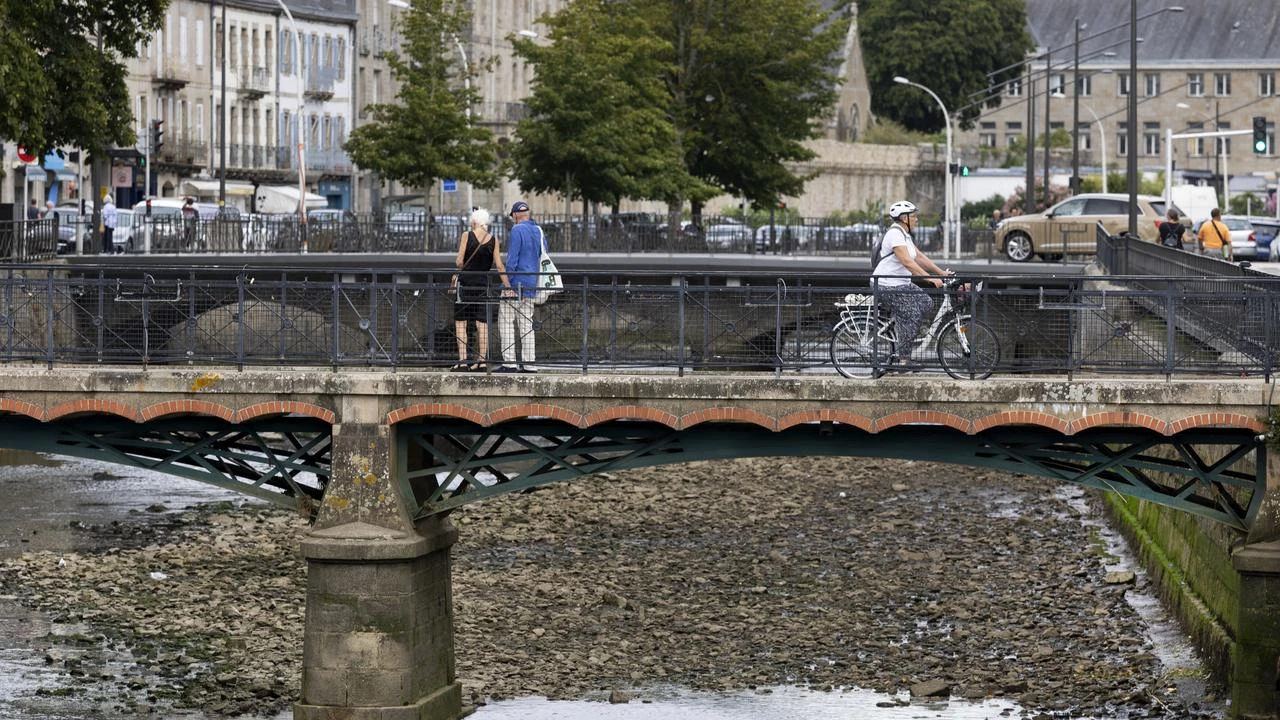
Rainfall in France was nearly 70 percent below average, making it the country's third driest July on record and leaving soil parched with heightened wildfire risks, Meteo-France added.
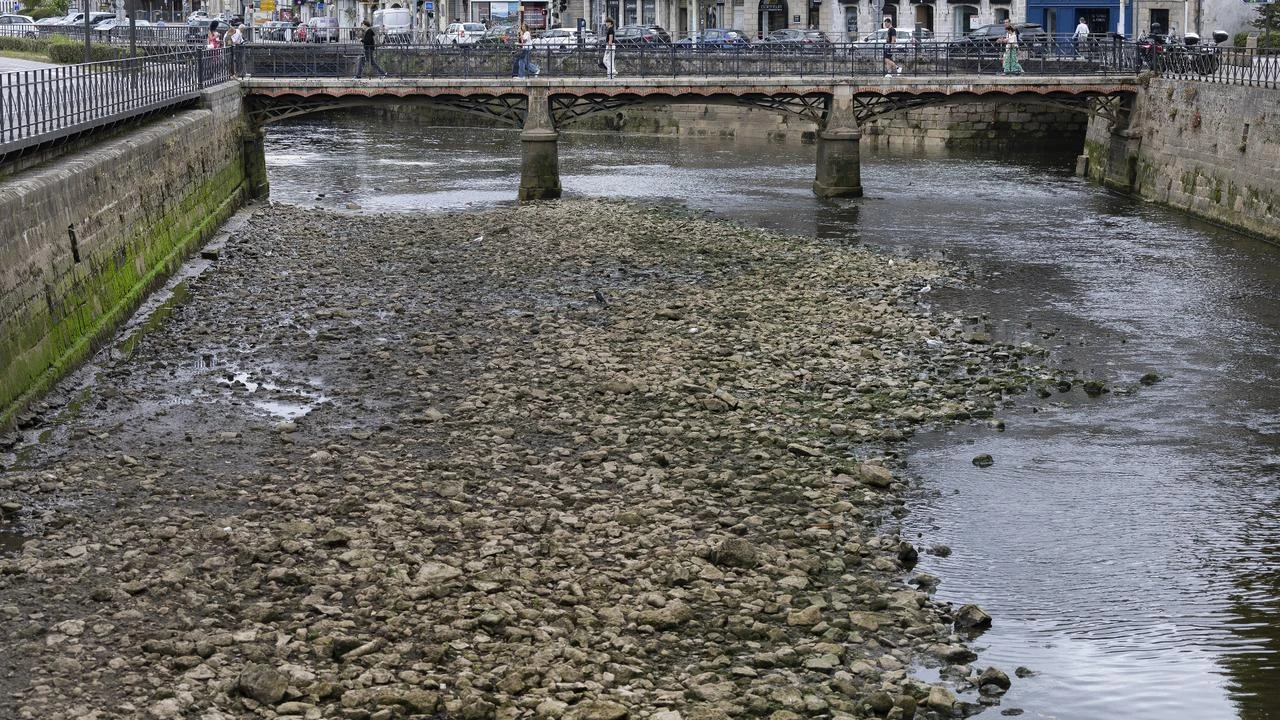
July was the hottest month ever recorded in France since records began in 1900, surpassing previous records set during the heatwaves of August 2003 and July 2006, the country's weather service said Tuesday.
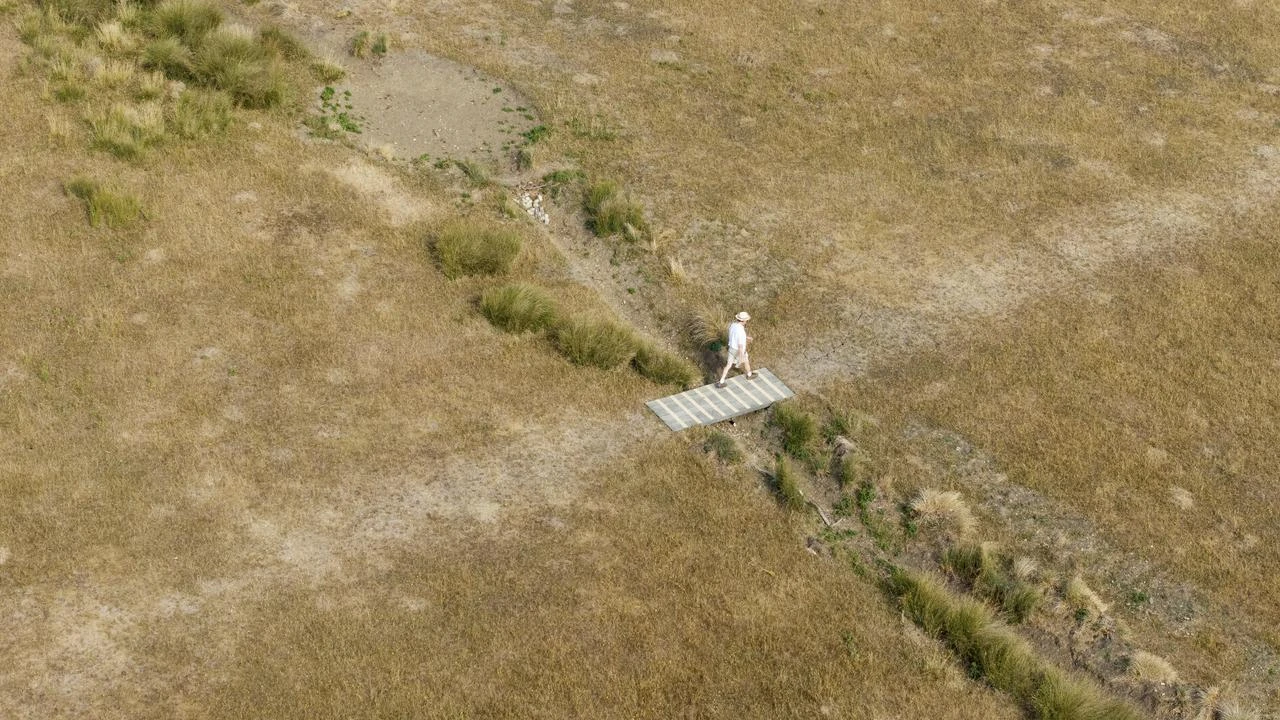
England and Wales both experienced their "driest July on record," the U.K. Met Office weather agency said Monday, citing provisional figures. July was also the "sunniest month ever observed" in Britain, the Met Office said.
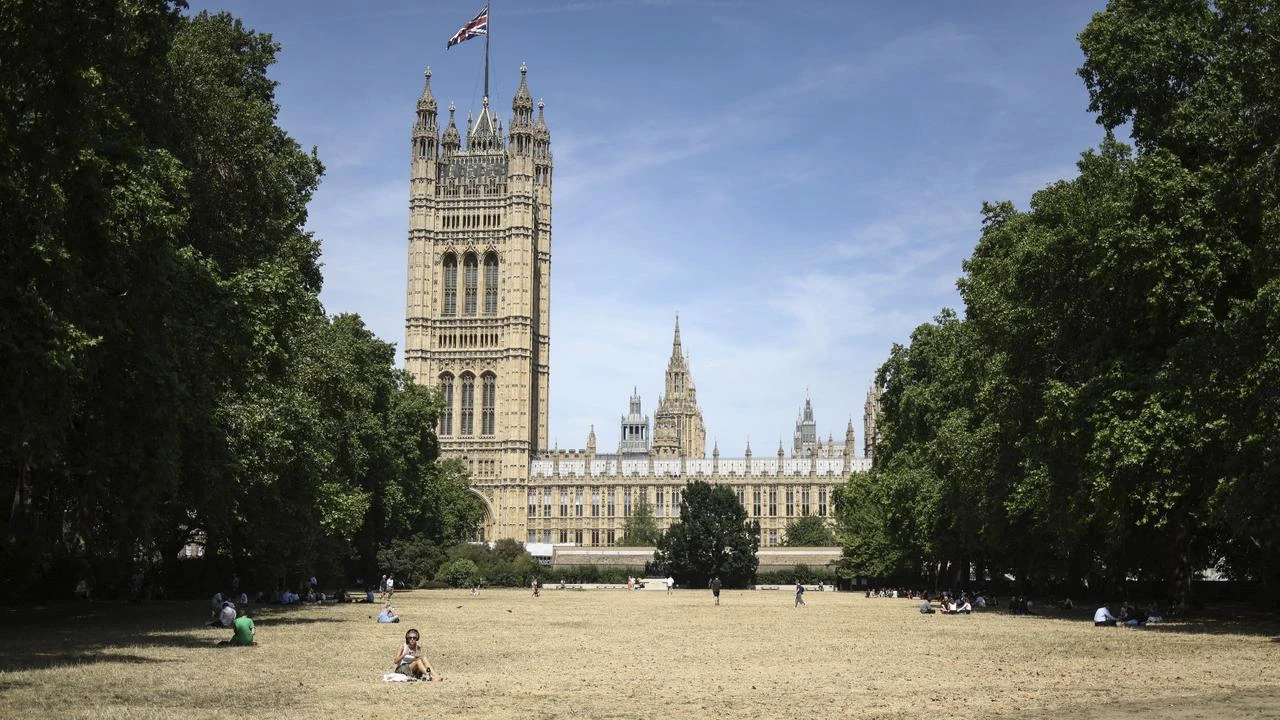
Of the two nations, England recorded just 6.5 millimetres (0.25 inches) of rain -just 10 percent of its usual average- while Wales saw 9.3 mm, according to the Met Office.
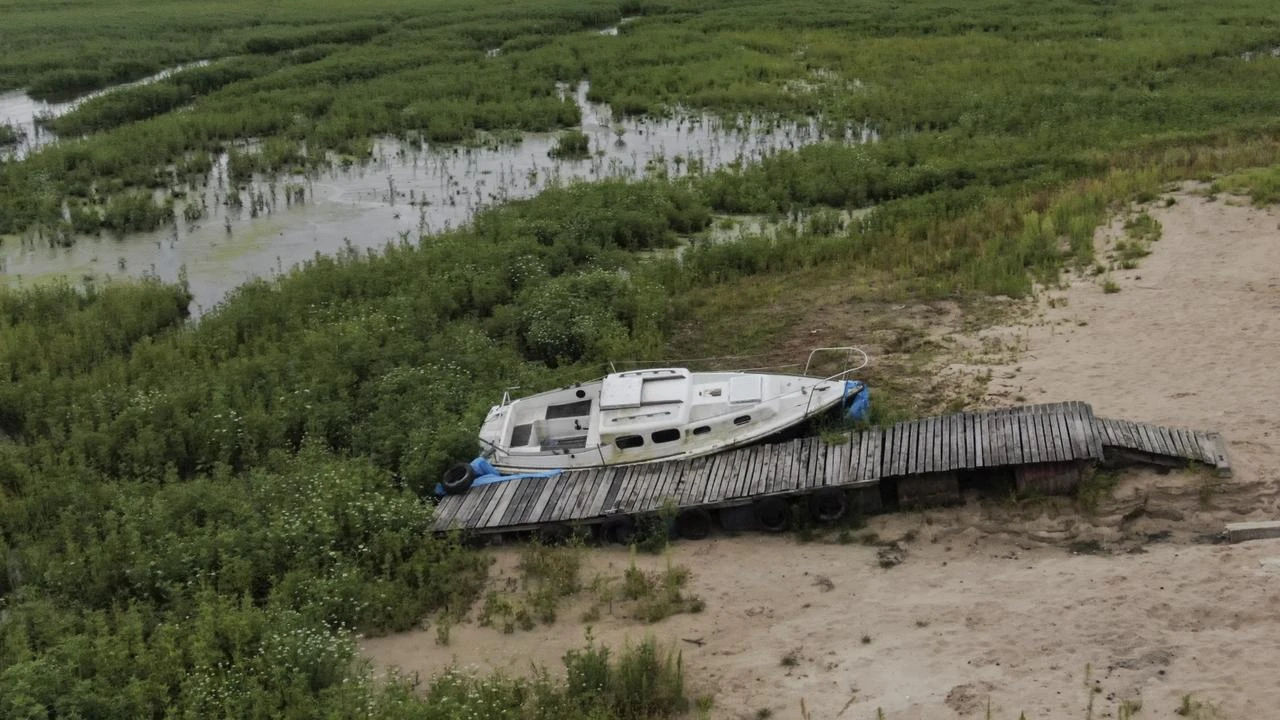
In Rakow, Poland, an aerial view shows the Chancza Reservoir on July 24, where water levels have dropped due to the ongoing drought. Low water levels have currently been recorded at 66 percent of Poland's hydrological monitoring stations.
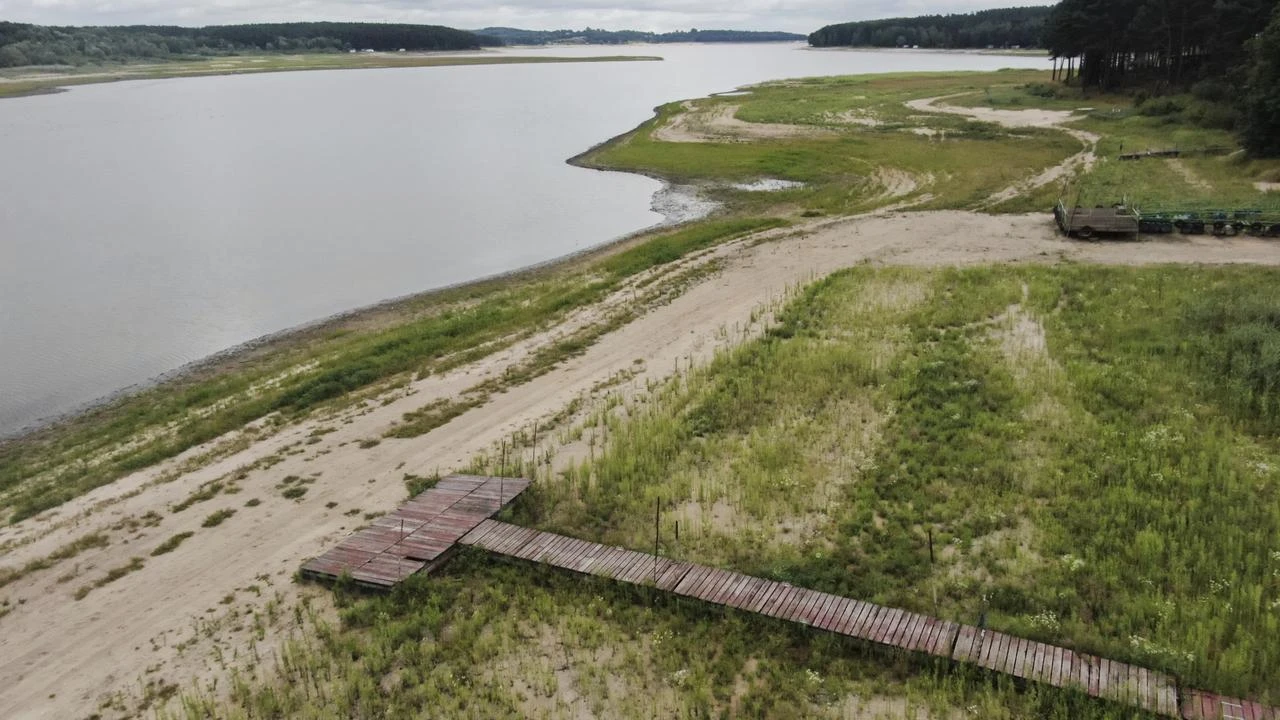
Earlier in July, Poland's national weather agency issued warnings as hydrological drought spread across much of the country.
Officials reported falling river levels, declining groundwater supplies, and an increasing number of monitoring stations recording flows below long-term minimum thresholds.


 Set as preferred source

 2 min read