Newsletters


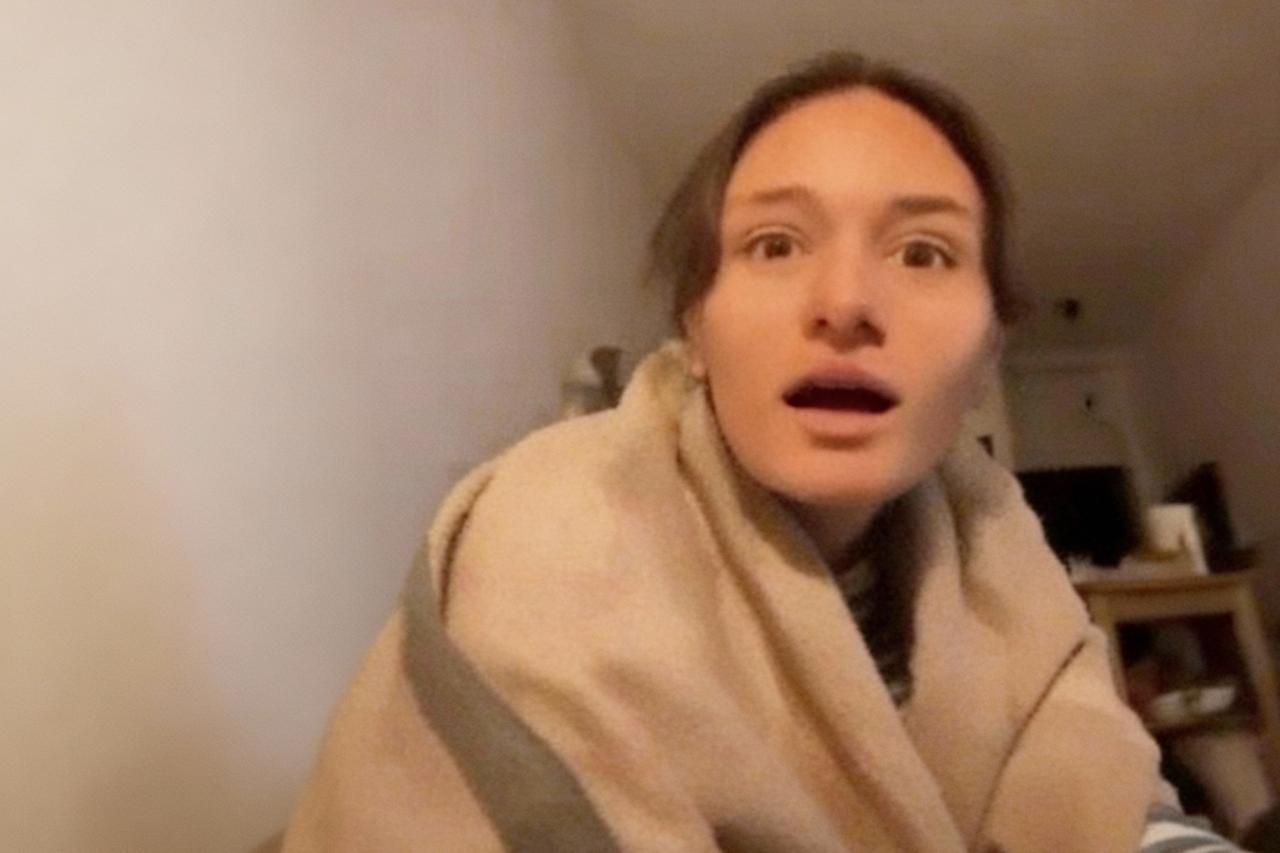


Israeli media outlets falsely reported that an activist, Noya Zion, was killed during protests in Iran after Israel's Channel 12 aired her photo and identified her as one of the victims.
The incident prompted her to respond publicly on TikTok, sparking online calls for legal action.
Israel's private Hebrew-language Channel 12 broadcast a photo of the activist, Noya Zion, during a news bulletin, presenting her as one of the victims of protests in Iran.
In its report, the channel said, "Four Iranians of Jewish origin were killed during the protests in Iran," adding that "the number may be higher, but due to internet shutdowns in Iran, it is difficult to verify the accuracy of the information coming from the area."
Shortly after the broadcast, Hebrew-language media outlets and journalists circulated the claim on social media.
Some went further, alleging that the number of Jewish fatalities in Iran had risen to five.
Channel 14, a Hebrew-language station associated with right-wing audiences and Prime Minister Benjamin Netanyahu, reported, "Among the Jewish dead were a father (32), his wife (29), a relative (25) and a 15-year-old child, who were killed on the streets of Tehran."
The channel also estimated, without citing a source, that the death toll from the protests in Iran had reached 36,000 demonstrators, describing it as "an extremely high figure by all standards."
Zion, who works as a social media manager for artists, said she was left in shock after seeing her image used in the report.
She later appeared on her TikTok account, visibly stunned, confirming she was alive, at home, and preparing to exercise.
"Listen, I never imagined this could happen to me. What is going on? I'm at home, and I'm going to head out to train in half an hour," she said.
Zion also told the channel that she has no relatives or acquaintances in Iran.
Hebrew-language outlets that circulated the claim did not issue an apology. Channel 12, which first aired the report, later said that images of the alleged Jewish victims had been spreading on social media worldwide, including in Israel.
In a statement framed as an explanation, it said, "Reports came in yesterday about the killing of four Iranian Jews during protests in the country, and the photos spread on social media and reached the entire world, including Israel."
The video clip of Tzion was widely shared by Israelis online, with many demanding that legal action be taken against the media outlets that reported the story.


 Set as preferred source
 Set as preferred source


 4 min read