Newsletters


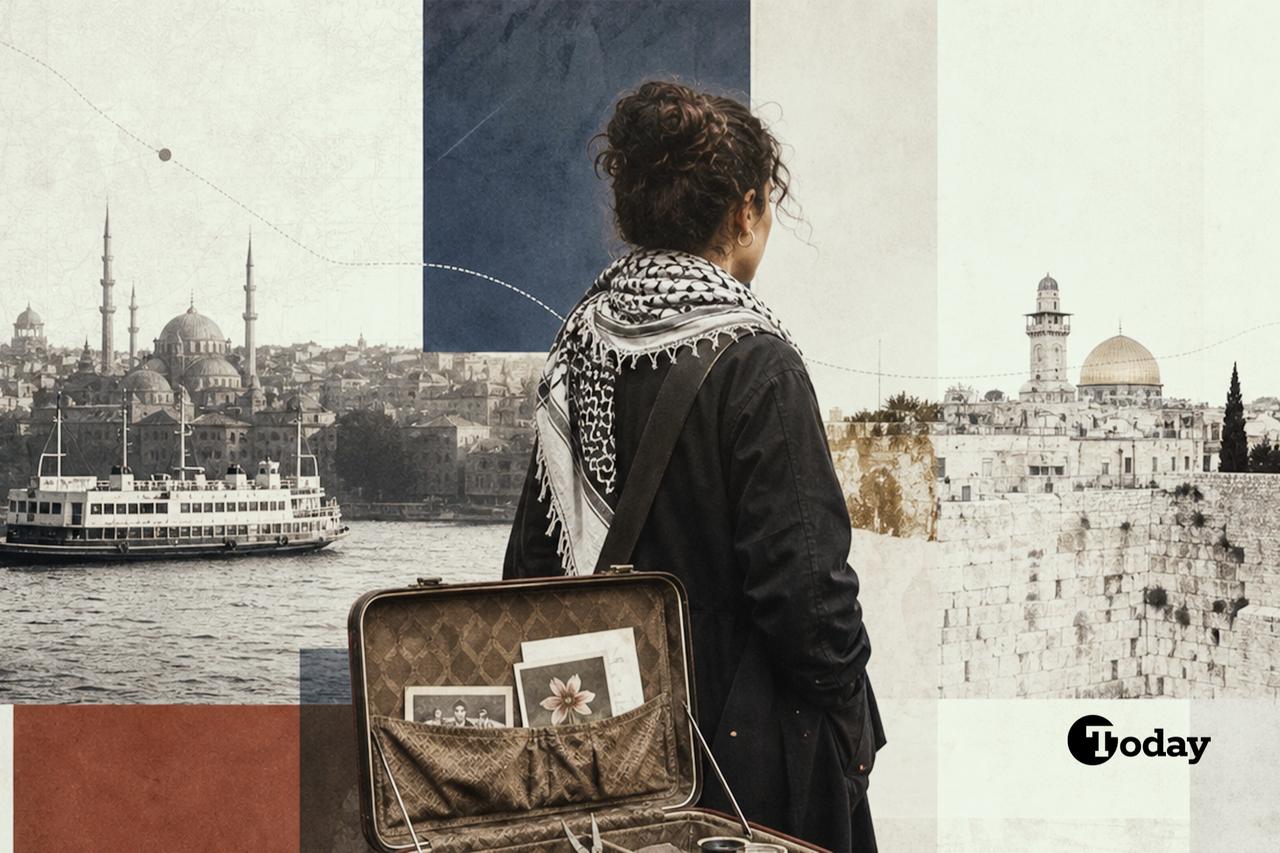


In 2023, Jinan packed her jewelry-making tools beside her clothes and boarded a flight from Istanbul back to Jerusalem. "From the moment the plane took off, I kept crying," she told me. "I knew the beautiful dream I had been living was ending."
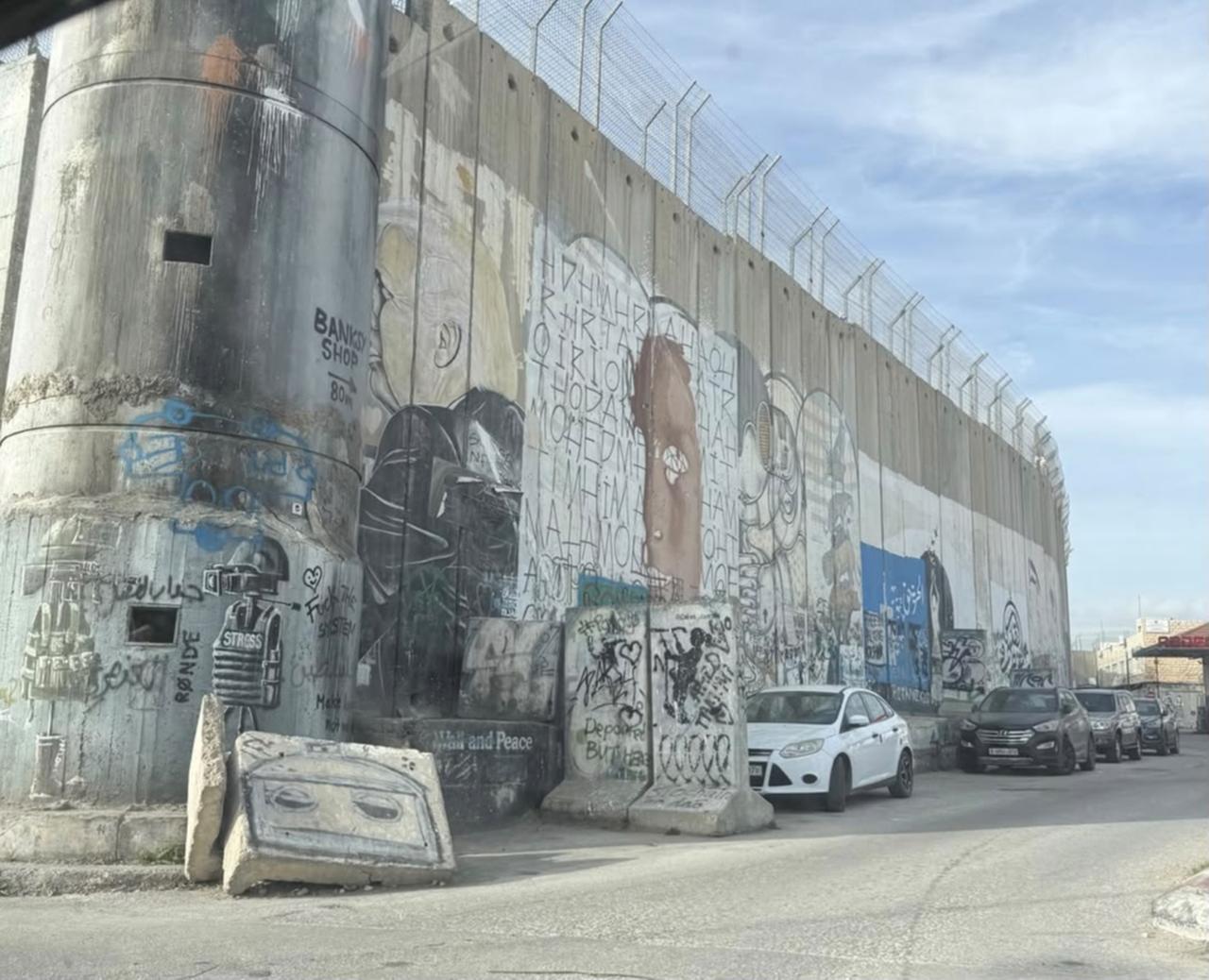
A plane could carry her home in hours; the life packed into her suitcase had taken years to build. Her return was not simply a homecoming—it was a calculated move to protect a Jerusalem residency status that time abroad can quietly erode. It was part of a wider system of restricted movement that, by December 2025, the United Nations Office for the Coordination of Humanitarian Affairs had documented as 925 separate obstacles across the West Bank, including East Jerusalem.
Jinan's dilemma is not hers alone.
I am one of four Palestinian women whose paths led to Istanbul, each carrying a version of the same calculation. Like Jinan, I come from Jerusalem; the others came from the West Bank and Gaza...Istanbul reached us first through Ottoman traces, Turkish dramas, university searches, siblings abroad and, for me, a picture in a wardrobe. Türkiye felt familiar enough for our families to say yes, and different enough to make another life imaginable.
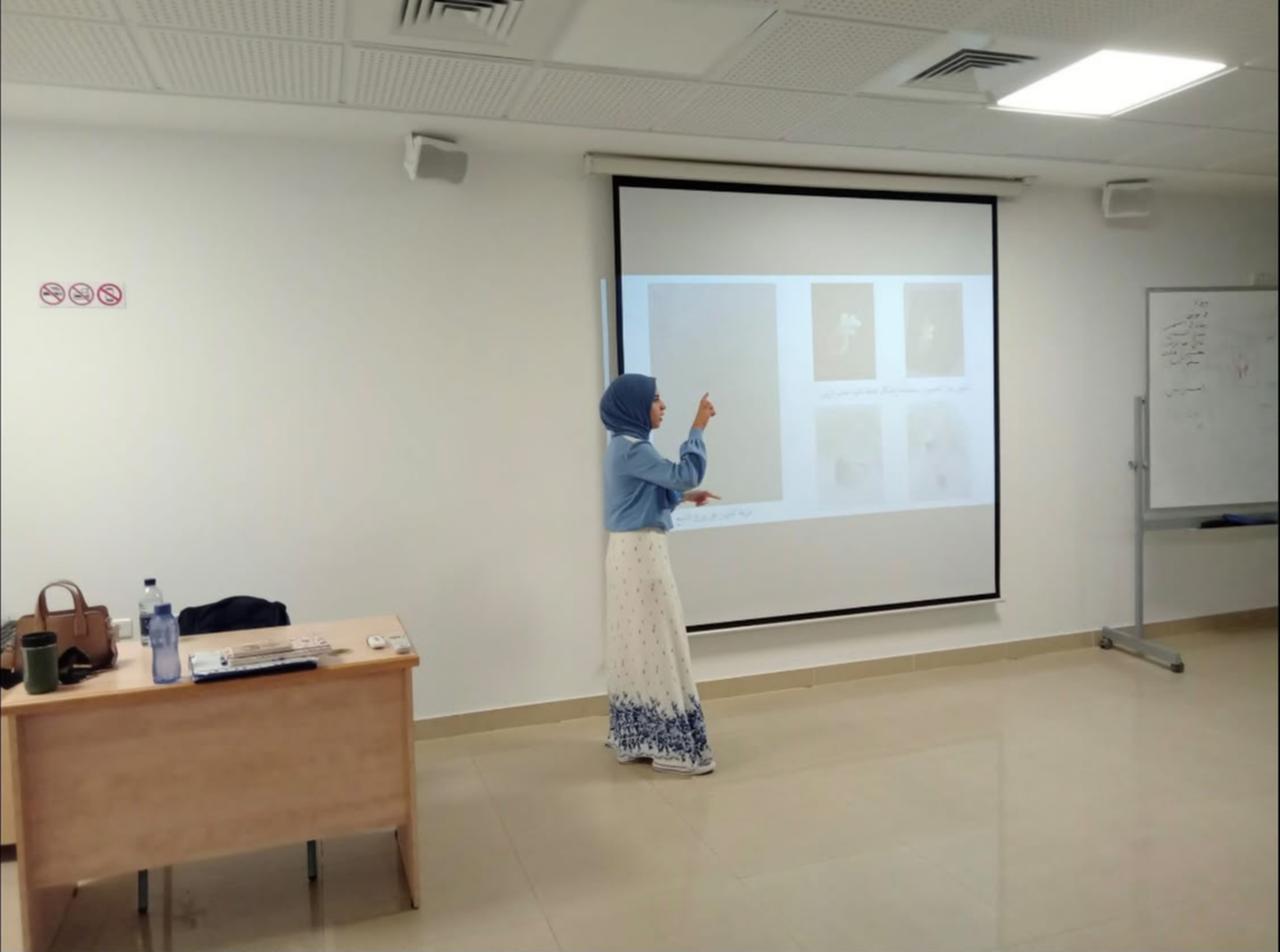

Jinan chose her future in fifth grade, after selling beaded bracelets in art class, before she even knew jewelry design could be a degree. She later found the program at Istanbul Aydin University, learned Turkish in Izmir, and arrived in 2016.
She lived with her older sister for two years. Her father encouraged her to study in Türkiye, and she recorded every expense to stretch his allowance.
Craftspeople shared techniques with her once they learned she came from abroad. Istanbul became smaller in her hands: first a language and transport map, then metal and stone shaped into work she could call her own.
After graduation, a manufacturer in Hebron offered her a salary that would nearly halve her commuting costs. An Istanbul company working in 72 countries offered a livable wage and room for her own designs. Istanbul promised a stronger future; her documents pulled her in the opposite direction.
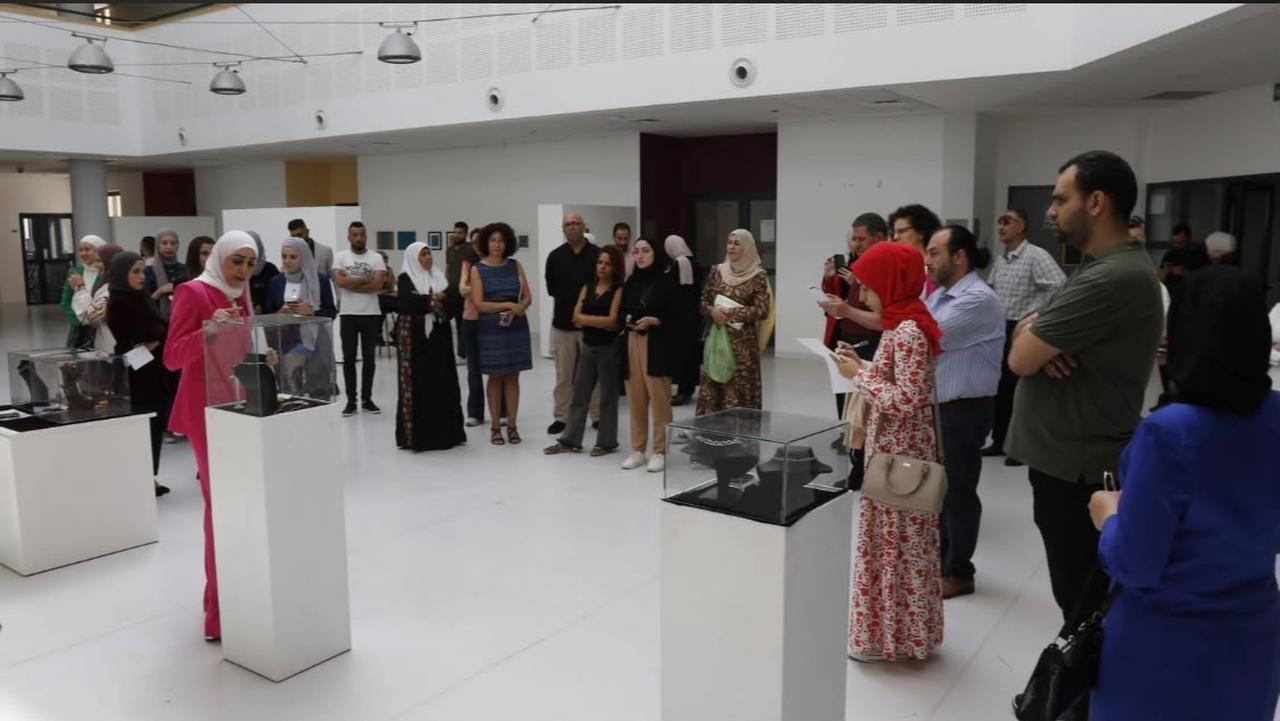
Jinan holds permanent residency in Jerusalem, a Jordanian passport and an Israeli travel document. Israel's National Insurance Institute says residency assessments weigh a person's "center of life," including their residence, family, employment and assets.
Jerusalem lawyer Ahmad Ghosheh told me that university papers, leases, tickets and travel records can show that an absence was tied to education. Once a degree ends, he said, remaining abroad becomes harder to justify.
Ghosheh described the guidance he gives clients in this position. "Anyone who has no reason to be outside the country, other than study or something important, should not remain abroad for more than six months, unless they have no problem losing their ID," he said. "They can also lose national insurance and other rights."
Recovering residency, he added, can require a long and expensive legal process with no guarantee of success. For Jinan, the border had entered the calendar.
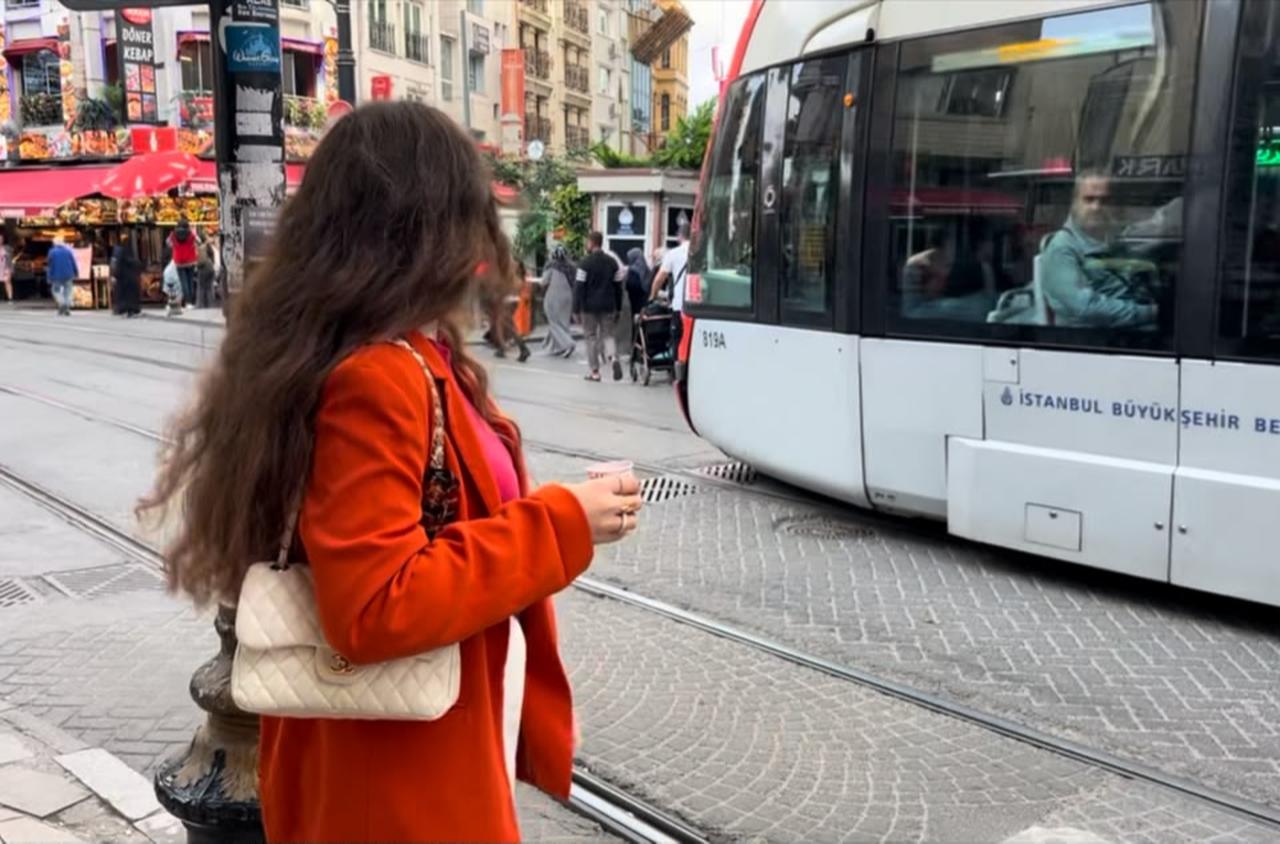
Jinan's calculation waits for me too. After finishing school in Jerusalem, I wanted to study radio, television and cinema—a program I could not find there. A West Bank university would have meant hours at checkpoints and on public transport. Hebrew University did not offer my program, and its other programs required a psychometric exam and language qualifications I did not have.
My family resisted sending a young woman abroad alone, until my brother's presence in Istanbul turned refusal into permission. I arrived in 2021 and graduated from Kadir Has University five years later.
Before flying, I bought a small picture of Istanbul in Jerusalem and kept it in my wardrobe, telling myself the city was coming closer. I carried it to Türkiye, then lost it while moving between four or five homes— it disappeared only after I had reached the place it had promised me.
The real Istanbul was more expensive than the one on television. Yet I could cross it by metro, ferry or bus without an internal checkpoint. Freedom, I learned, sometimes meant simply changing lines at a station without showing an identity card.
I am now beginning a two-year master's degree in communication studies. It buys me more time in Istanbul—but it postpones Jinan's question: what comes afterward?
When I imagine returning, I wonder whether the degree that brought me to Istanbul can build a life for me in Jerusalem. Like Jinan, I can love Jerusalem without pretending that love alone creates opportunity.
For Aya, 30, the interruption was financial. After completing a media degree at Al-Quds University, she began a film-related master's at a private university in Istanbul in 2024. Turkish dramas had drawn her toward screenwriting and toward training unavailable in the West Bank. Her father has since died, and she now lives with her mother while worrying about money.
A grant of about $4,000 helped her begin, then stopped during the war amid transfer problems. Working while studying didn't cover the shortfall; before rent and tuition, she estimated her basic monthly expenses at $350 to $400.
Aya completed two semesters and registered a thesis on Palestinian actors before returning to the West Bank. She left her belongings in Istanbul, hoping her departure was temporary. The university had already allowed installments, delayed payments, and a frozen enrollment.
When I spoke with Aya in mid-September 2026, she believed she had two weeks left to find roughly $8,000 in annual tuition and register for her thesis year, though she was still confirming the deadline. "If I cannot pay, I will not be able to register and finish my thesis," she told me. A university may call this an unpaid balance. In her life, it is a year of work balanced on a single number.
Aya last entered Jerusalem in 2023 and said she has been unable to obtain permission to return since. In Istanbul, crossing the city without presenting her identity card had become ordinary. Returning taught her how quickly that ordinary freedom can turn into a memory.
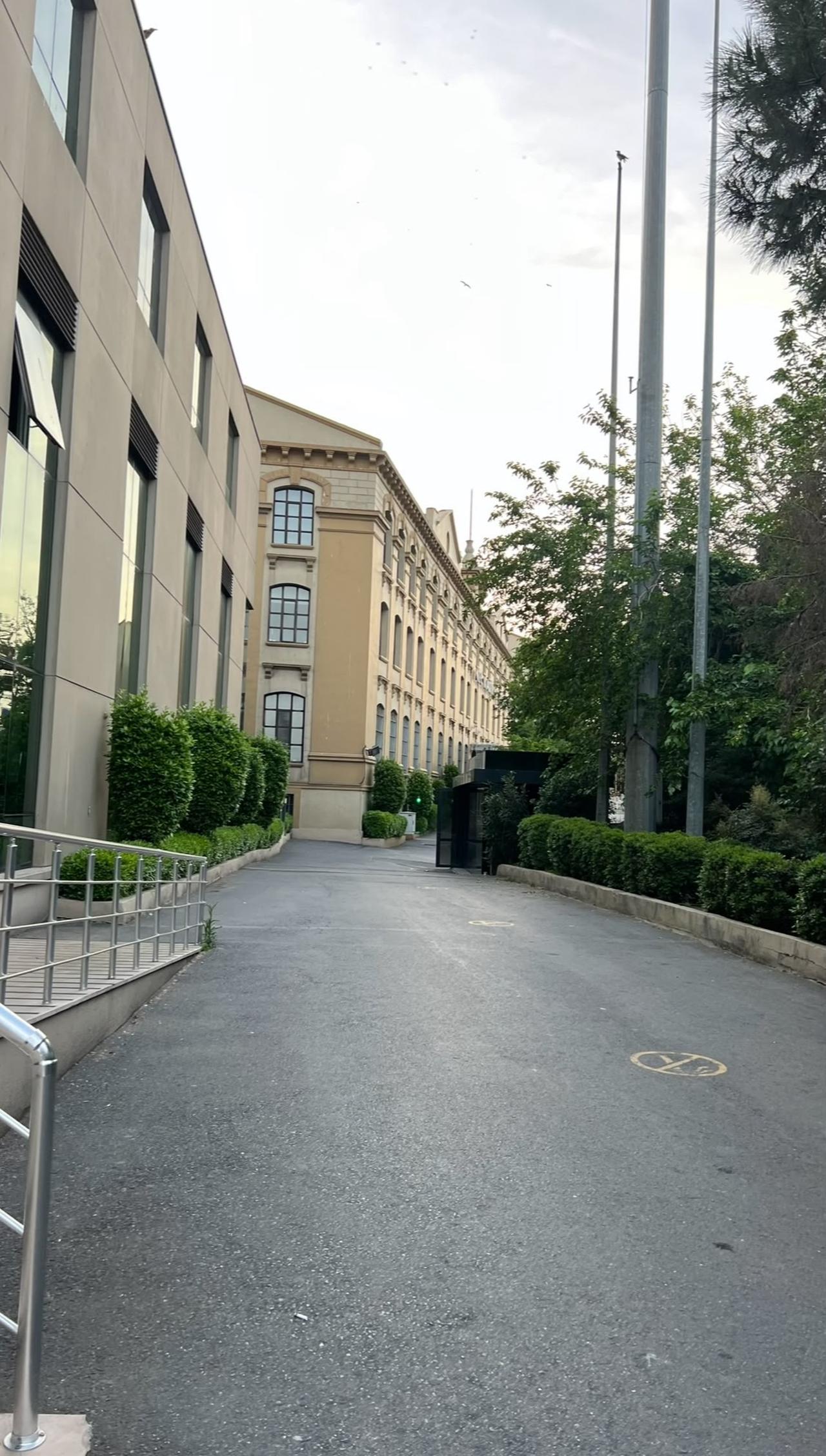
Layla reached Istanbul by another road. The young woman from Gaza had just finished school when her health deteriorated roughly 55 days into the war. She said Turkish humanitarian workers helped evacuate her along with relatives. Türkiye began receiving patients from Gaza for treatment in Ankara in November 2023, according to Reuters. Layla spent three months in a hospital there before moving on to Istanbul.
She now works in a fabric shop in Eminonu, because university remains unaffordable. Grateful to the Turkish Red Crescent, she hopes to continue her education one day. Her account here is brief by choice—her family does not want its pain opened to public view, so I leave that door closed. She would rather talk about what might come next: university, Istanbul, another beginning.
Jinan imagines returning too. If she obtained Turkish citizenship, she said, she would build her life in Istanbul and visit Jerusalem, where her family and childhood memories remain. "Istanbul occupies a space in my heart like my country," she told me.
For now, her jewelry tools remain in Jerusalem. She packed them beside her clothes while crying as the plane left Istanbul. She keeps them ready for the day the same suitcase travels in the opposite direction.


 Set as preferred source
 Set as preferred source


 1 min read