Newsletters


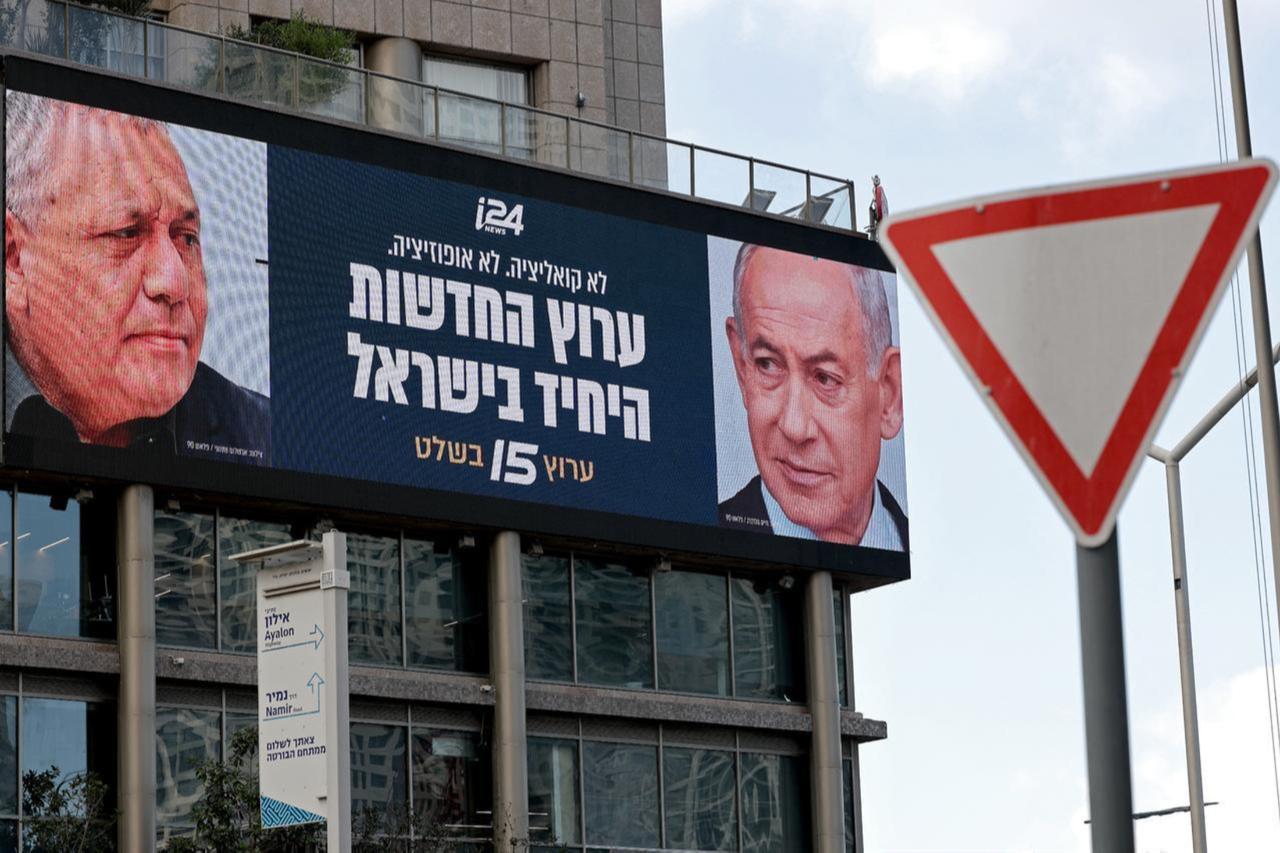


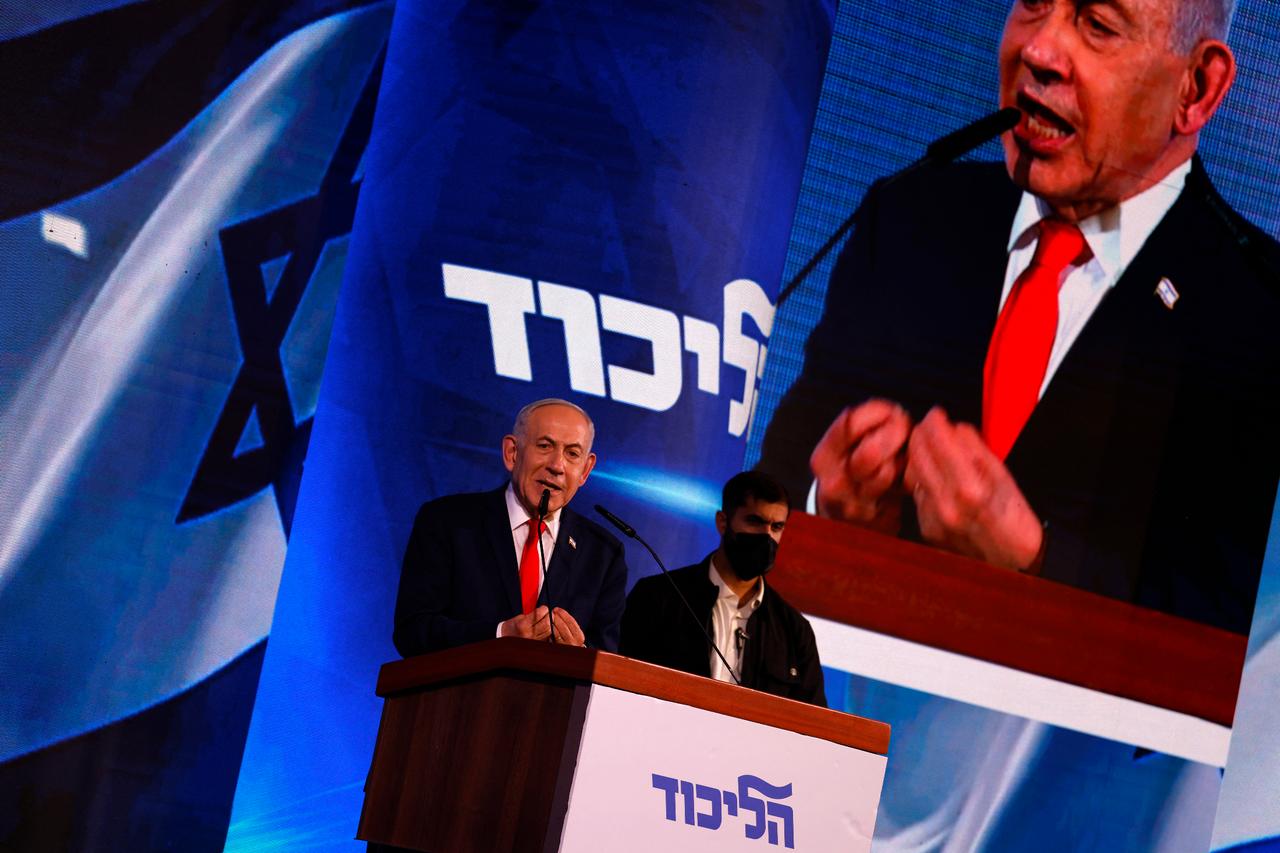
Israeli Prime Minister Benjamin Netanyahu’s Likud party accused Arab parties on Wednesday of stealing Israel’s election, after partial results indicated they could play a kingmaking role in forming the next government.
In a statement, Likud said the vote had been “stolen by Arab parties who support terrorism and the annihilation of the Jewish state” through what it described as “serious criminal acts of corruption, threats, violence, falsehoods and the use of prohibited software.” The party said it was submitting testimonies and evidence to the authorities. The statement did not detail that evidence in the material available.
Interim results show the Joint List, an alliance of Arab-led parties, holding 12 seats, while Ra’am stands at seven. Counting those parties alongside the opposition bloc led by Gadi Eisenkot would give that camp a clear majority in the 120-seat Knesset, according to analysis of the partial results.
The complication is political rather than numerical. The anti-Netanyahu camp has said it does not want the support of Arab parties. Avigdor Lieberman, for example, has said he would not agree to sit in a minority government backed by Arab-led parties.
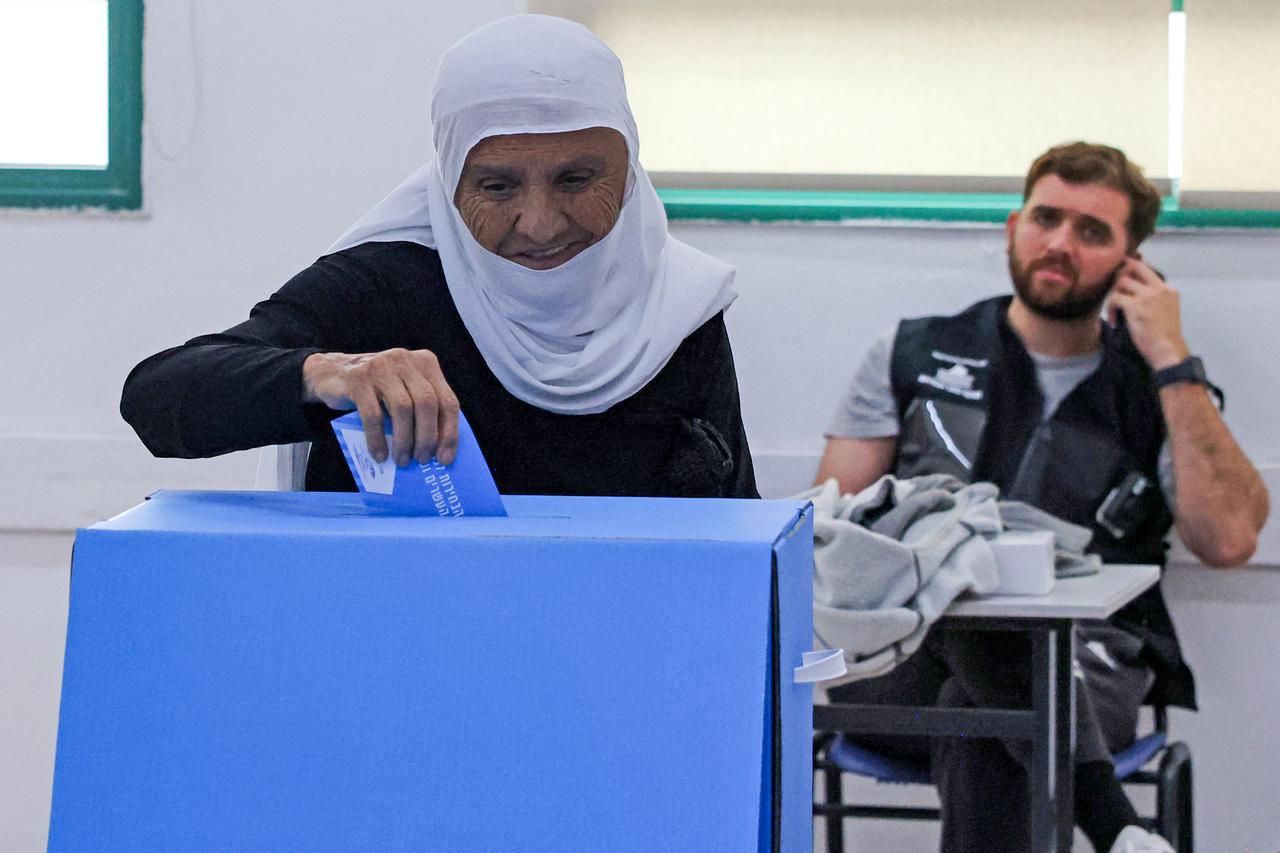
Netanyahu made the large number of Palestinian citizens of Israel voting a campaign issue, accusing the opposition of preferring to side with them. That put some opposition figures on the defensive.
Behind closed doors, consultations are under way. Ahmad Tibi, leader of the Ta’al party, which belongs to the Joint List, told Al Jazeera that the opposition bloc had reached out to his camp “to coordinate on replacing the Speaker of the Knesset” and discuss possible future cooperation.
The current speaker is Amir Ohana, a senior Likud member. Replacing him would require a minimum of 61 votes.
The post carries weight because the speaker presides over sessions on introducing legislation. The opposition has promised, for example, to start an independent investigation into the October 7 attacks, something Netanyahu and his bloc want to avoid.
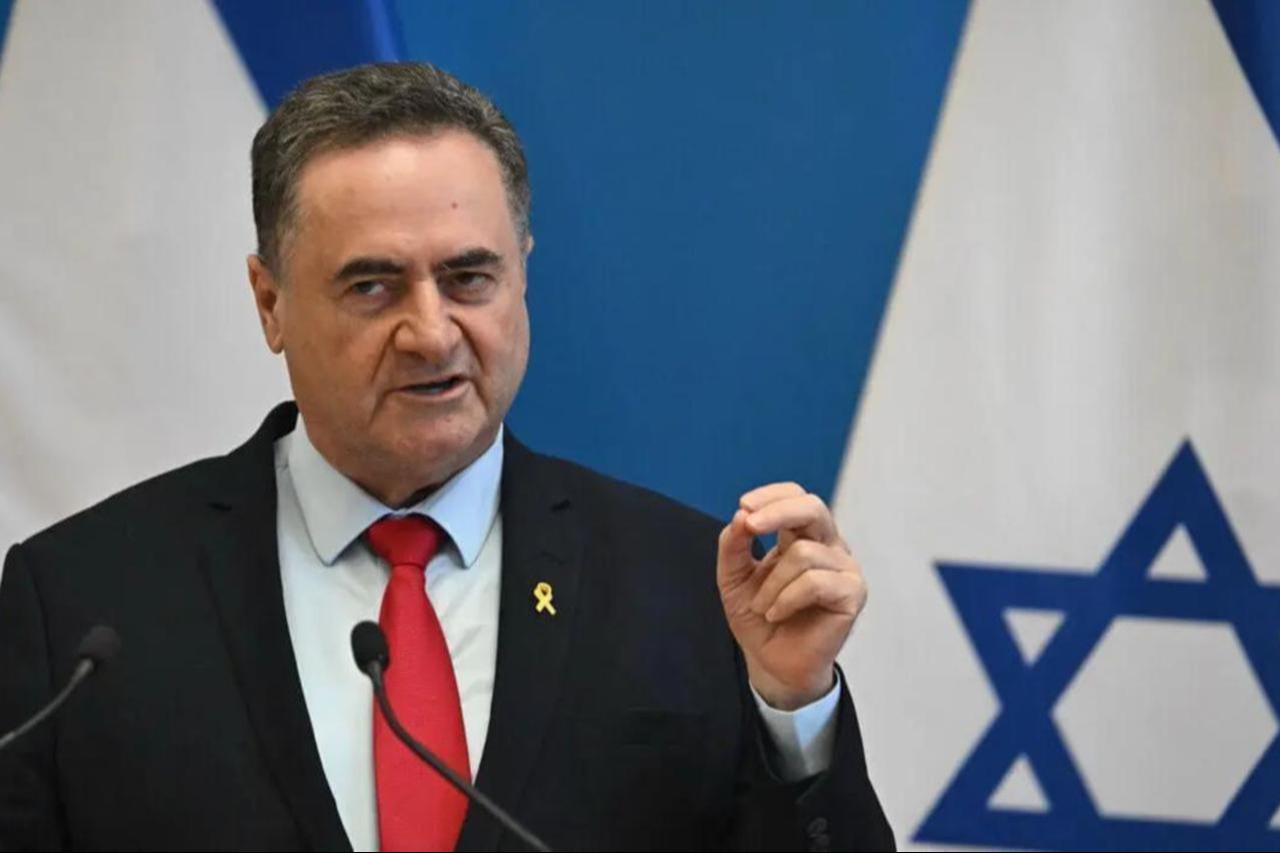

Separately, Defense Minister Israel Katz criticized Eisenkot over a post-election speech in which he called on “all the heads of the security establishment and the civil service” to resist “pressure attempts.” The remarks effectively cast Netanyahu as a caretaker prime minister.
Katz called the appeal to senior army officers to disregard directives from the prime minister, himself and the authorized security forums “an undemocratic and detached statement.” He said Eisenkot’s speech continued “the false campaign” waged during the election, which alleged conflicts between the military and political echelons over Iran. “The army will carry out any decision that is required,” Katz said.
 2 min read
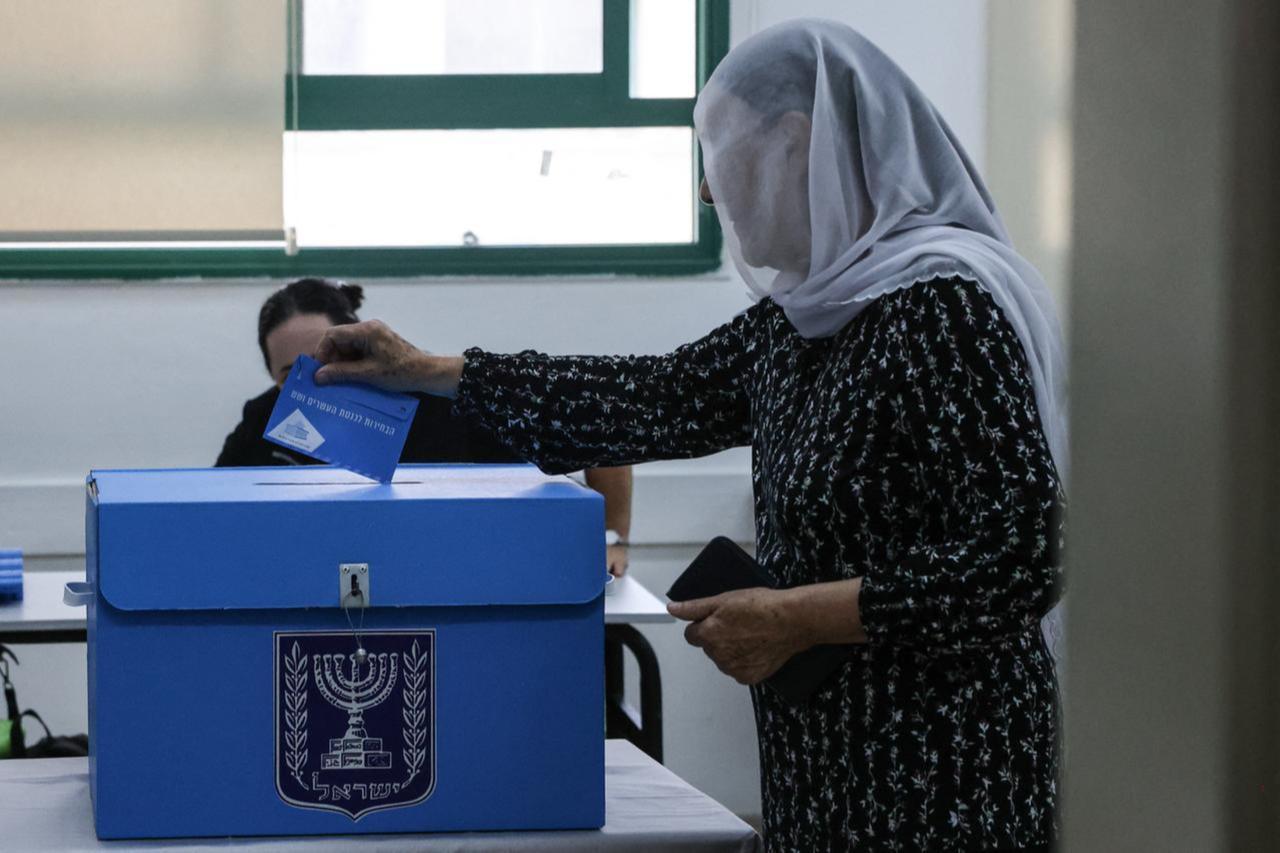
The Central Elections Committee said between 430,000 and 480,000 so-called double envelope ballots remain to be counted, down from the 600,000 previously reported. These votes are cast by citizens who cannot leave their posts, such as nurses, diplomats or soldiers. They are tallied separately to ensure each voter has not already voted elsewhere.
President Isaac Herzog said Israel must avoid returning to the polls. “We need to do everything, certainly after yesterday, so as not to hold another election,” he said, urging everyone involved to come “with an open mind.” He said he would receive official results next week and then begin a consultation process on forming the next government.
The European Union said it looks forward to a “frank and open dialogue” with the next Israeli government. Its foreign affairs spokesman, Anouar El Anouni, said engagement would rest on “long-standing relationship and commitment to democratic principles and common values.”


 Set as preferred source
 Set as preferred source


 1 min read