Newsletters


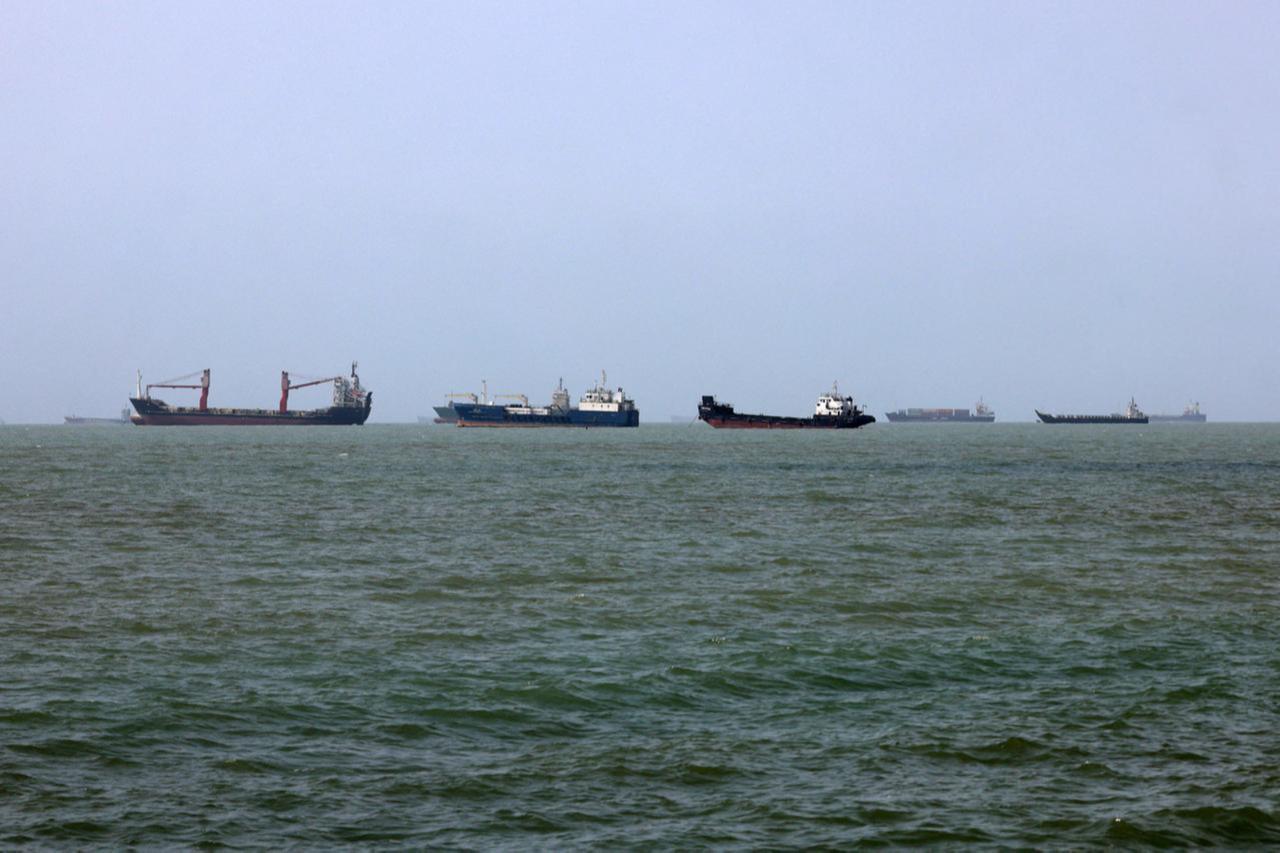


Only four commodity vessels transited the Strait of Hormuz on Thursday, down from nine a day earlier and well below the 10-day average of about 15, preliminary shipping data from Kpler showed, Reuters reported.
The four vessels included two medium-range tankers, one Kamsarmax carrier and one Handysize vessel, according to data available as of 4:55 a.m. GMT Friday.
The figures exclude ships that may have crossed the strait with their Automatic Identification System transponders switched off to avoid detection.


Kpler data showed that only two very large crude carriers had crossed the strait so far this week.
Before the Iran war began on Feb. 28, about 125 large commercial vessels passed through the waterway each day, including tankers, gas carriers, bulk carriers and container ships.
The strait previously carried about one-fifth of global daily crude oil and liquefied natural gas supplies.
A U.S. blockade targeting Iran-related shipping has halted Iranian crude oil exports since it was reimposed in mid-July.
During the war, observed daily oil and petroleum product volumes leaving the strait have mostly ranged between 4 million and 6 million barrels per day.
Flows briefly returned close to pre-war levels during the short-lived interim agreement between Iran and the U.S., Rystad Energy Chief Economist Claudio Galimberti said Thursday.
“There is little that the United States and Iran currently agree on,” Galimberti told an energy summit in Singapore.
He said flows were expected to remain very low until November as the economic costs of prolonged disruption continue to weigh.
Oil prices were on course Friday for their steepest weekly gain since mid-July as renewed U.S.-Iran hostilities and rising tensions increased concerns about Middle East supply risks.
Shipping activity was also below average at the Bab el-Mandeb Strait in the Red Sea.
Kpler data showed 22 commodity vessels crossed the waterway Thursday, down from 31 a day earlier and below the 10-day average of 24.


 Set as preferred source
 Set as preferred source


 1 min read


 1 min read