Newsletters


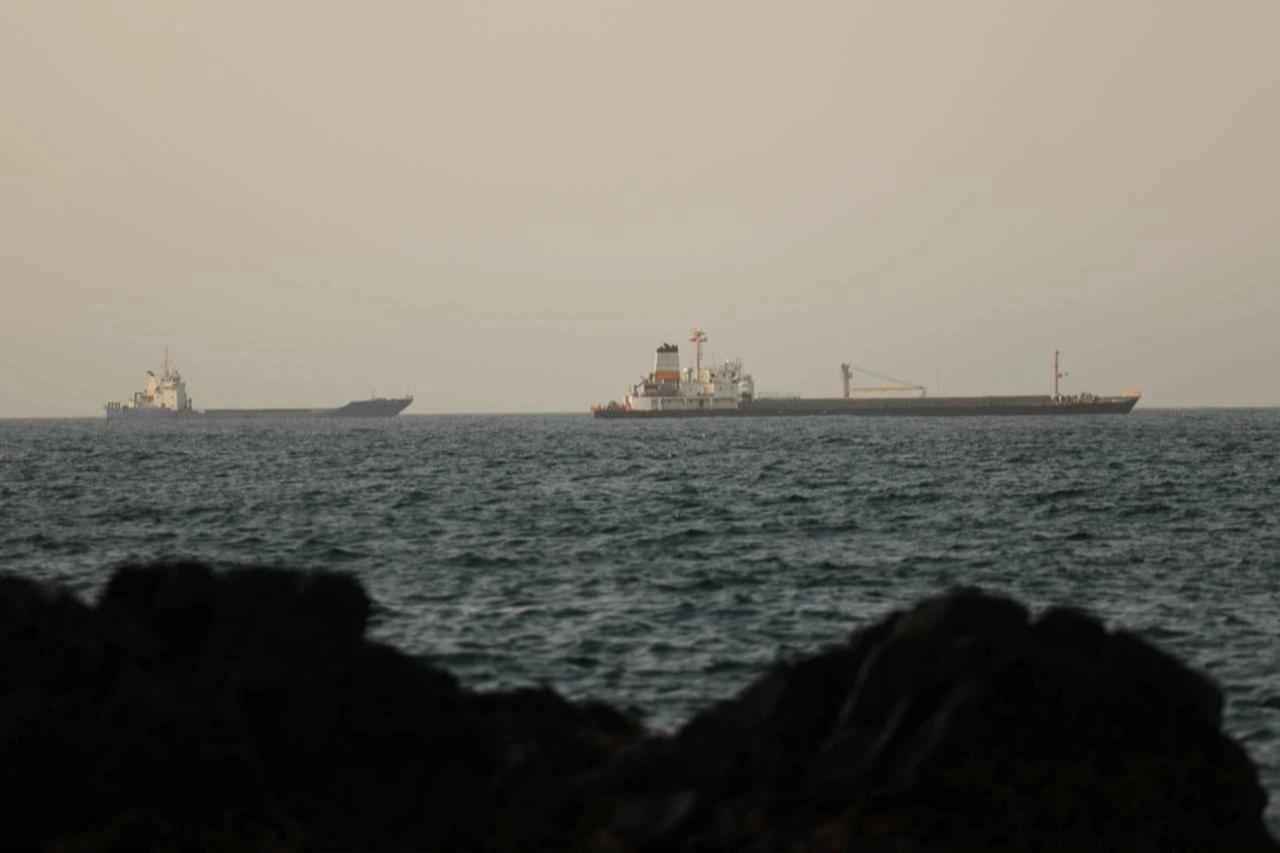


South Korea is considering possible contributions to U.S.-led security efforts in the Strait of Hormuz, provided they do not undermine its own military readiness, the presidential office said Friday, stressing that no final decision has been made.
“Contributions to the Strait of Hormuz could be managed within limits that do not compromise military readiness,” a presidential official told reporters.
The presidential office later said references to possible military contributions, including combat participation, non-combat roles and search operations, were only general descriptions of available options.
“Nothing has been decided yet concerning actual contributions,” it said.
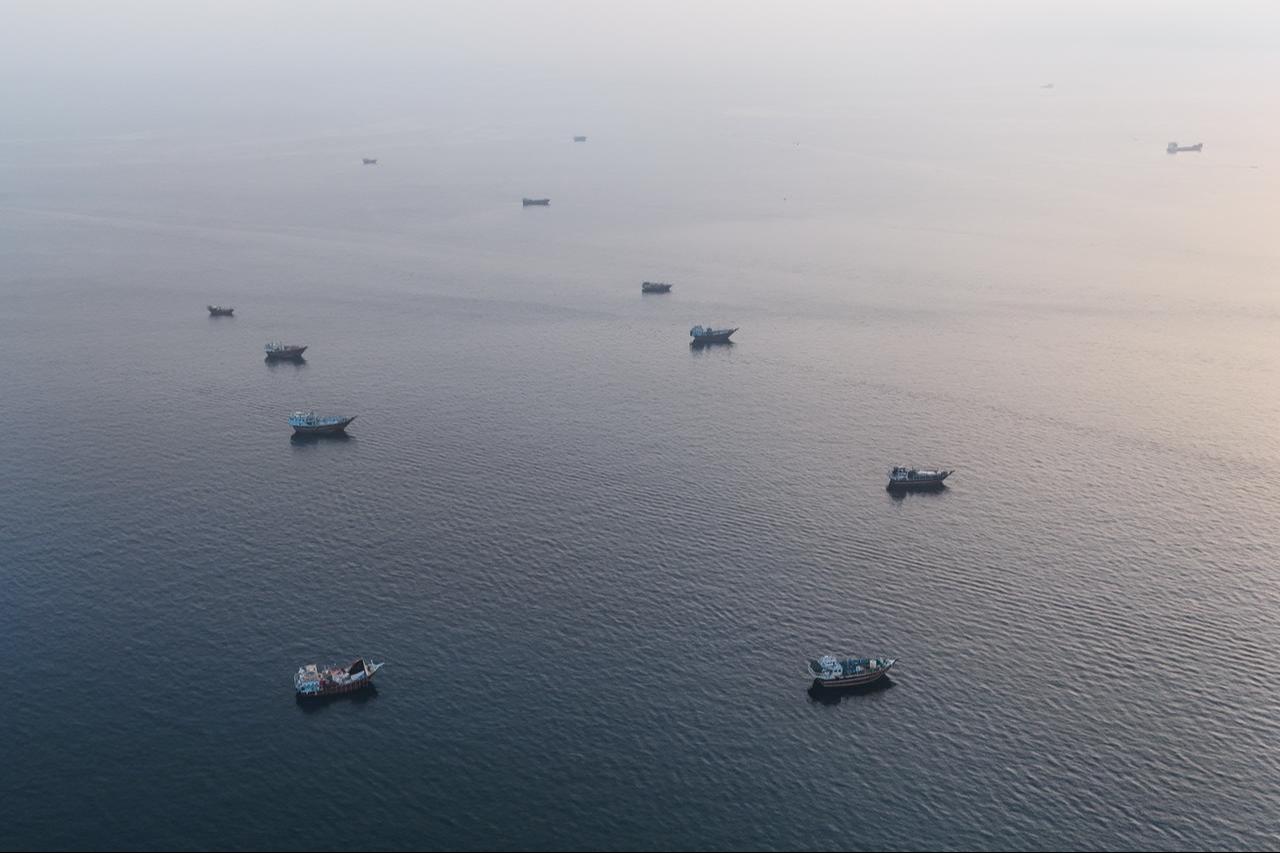

The comments came after South Korean broadcaster JTBC reported Thursday that the government was “leaning toward” dispatching troops to assist in the Strait of Hormuz and was reviewing details before seeking parliamentary approval.
Australia’s SBS separately reported that the South Korean military was making “concrete preparations” for a deployment.
“We are making concrete preparations to dispatch naval forces to the Strait of Hormuz,” a National Defense Ministry official was quoted as saying.
According to the report, possible assets include P-8 maritime patrol aircraft, an explosive ordnance disposal team and a logistics support ship.
A senior military official also said discussions were underway with relevant countries regarding possible base ports and operational bases.
Any deployment would require a National Security Council decision, Cabinet approval and consent from the National Assembly.
South Korea had previously said it would pursue a deployment to the strait only after the U.S.-Iran war ended.
U.S. President Donald Trump has repeatedly pressed Seoul to assist U.S. security efforts in the Strait of Hormuz and has publicly criticized South Korea for refusing to participate in action against Iran.
The U.S. also recently scaled back a military exercise with South Korea.
The U.S. and Israel launched the war against Iran six months ago. The conflict has since reached an impasse as Iran maintains control over the Strait of Hormuz while Washington continues a counter-blockade of Iranian ports.


 Set as preferred source
 Set as preferred source


 1 min read
 1 min read