Newsletters


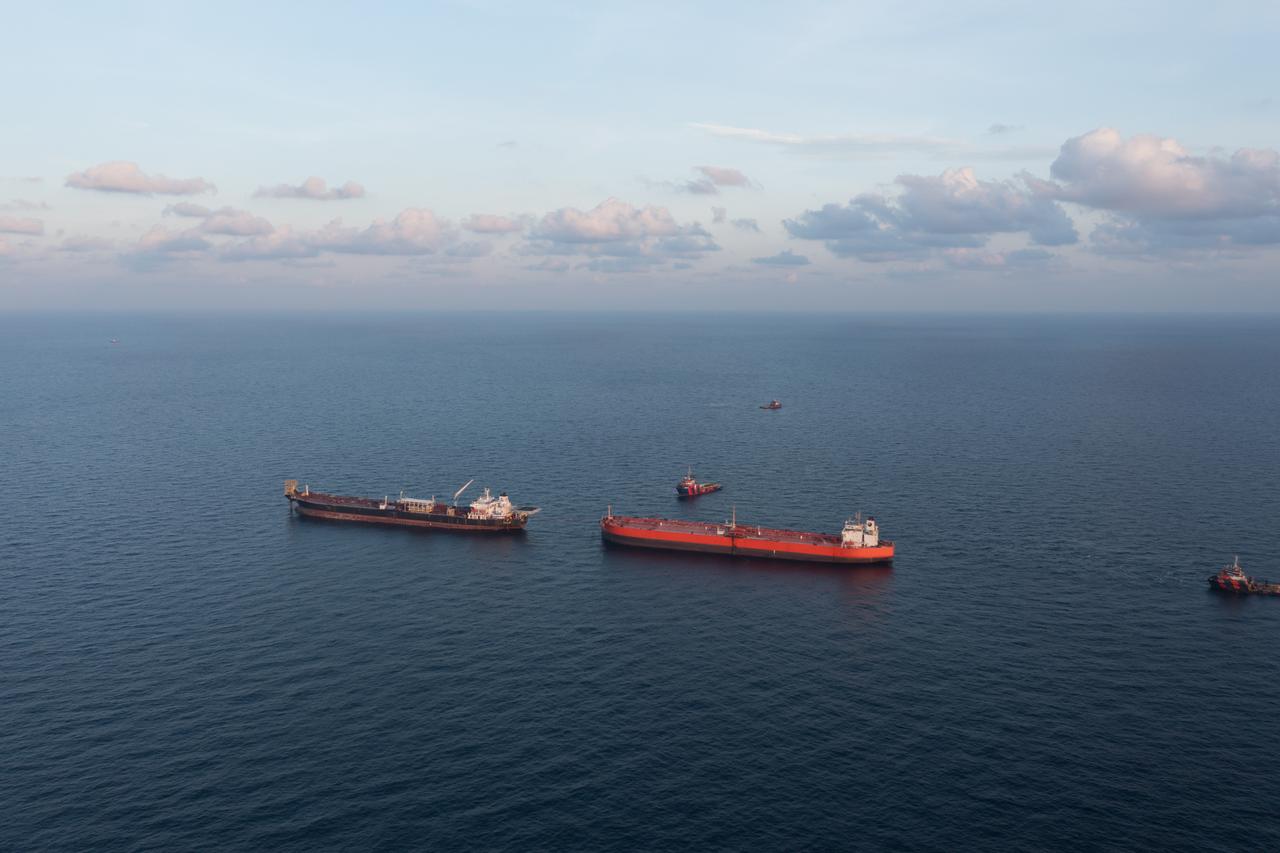


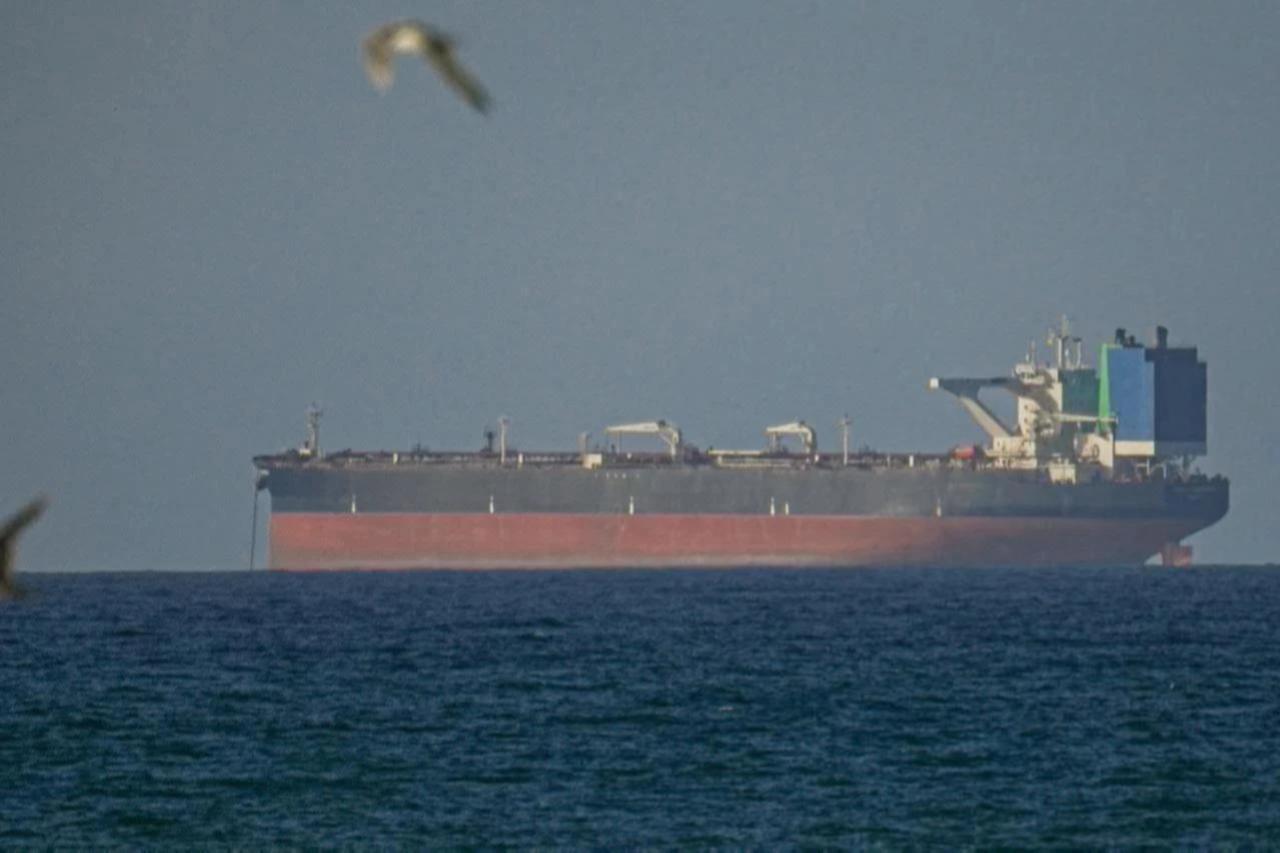
The U.S. forces escorted 40 commercial vessels carrying 18 million barrels of oil through the Strait of Hormuz on Tuesday, setting a wartime record as American forces struck nearly 60 Iranian military targets around the key waterway, according to a report.
U.S. Central Command (CENTCOM) announced strikes on Iran targeting air defense sites, radar systems, maritime assets, mine-laying capabilities and communications installations while fending off waves of drone attacks.
U.S. forces also destroyed several anti-ship cruise missiles during the escort, military officials familiar with the matter told CNN.
The operation forms part of a broader U.S. strategy focused on the Strait of Hormuz, where Washington has been carrying out strikes, escorting commercial vessels and maintaining a naval blockade on Iranian ports to increase economic pressure on Tehran.
U.S. military officials expected additional strikes near the strait in the coming days. One official pointed to Iran's ability to rebuild damaged military capabilities quickly, arguing that continued attacks were needed to keep degrading its ability to threaten commercial shipping.
U.S. Central Command was also directed to concentrate its efforts on the strait and on preventing oil exports from entering or leaving Iranian ports. Other priorities, including operations aimed at Iran's nuclear program, were pushed into the background for the time being, the report suggested.
However, officials also acknowledged that restoring confidence among commercial shippers would take time. American forces still had an unfinished list of Iranian military targets near the strait, while some Iranian capabilities had been partially rebuilt during a recent pause in fighting.
The U.S. military plans to continue escort missions through the mine-cleared passage and hopes to widen the lane by next month, allowing vessels to move more freely and gradually increasing the volume of oil flowing through the waterway.
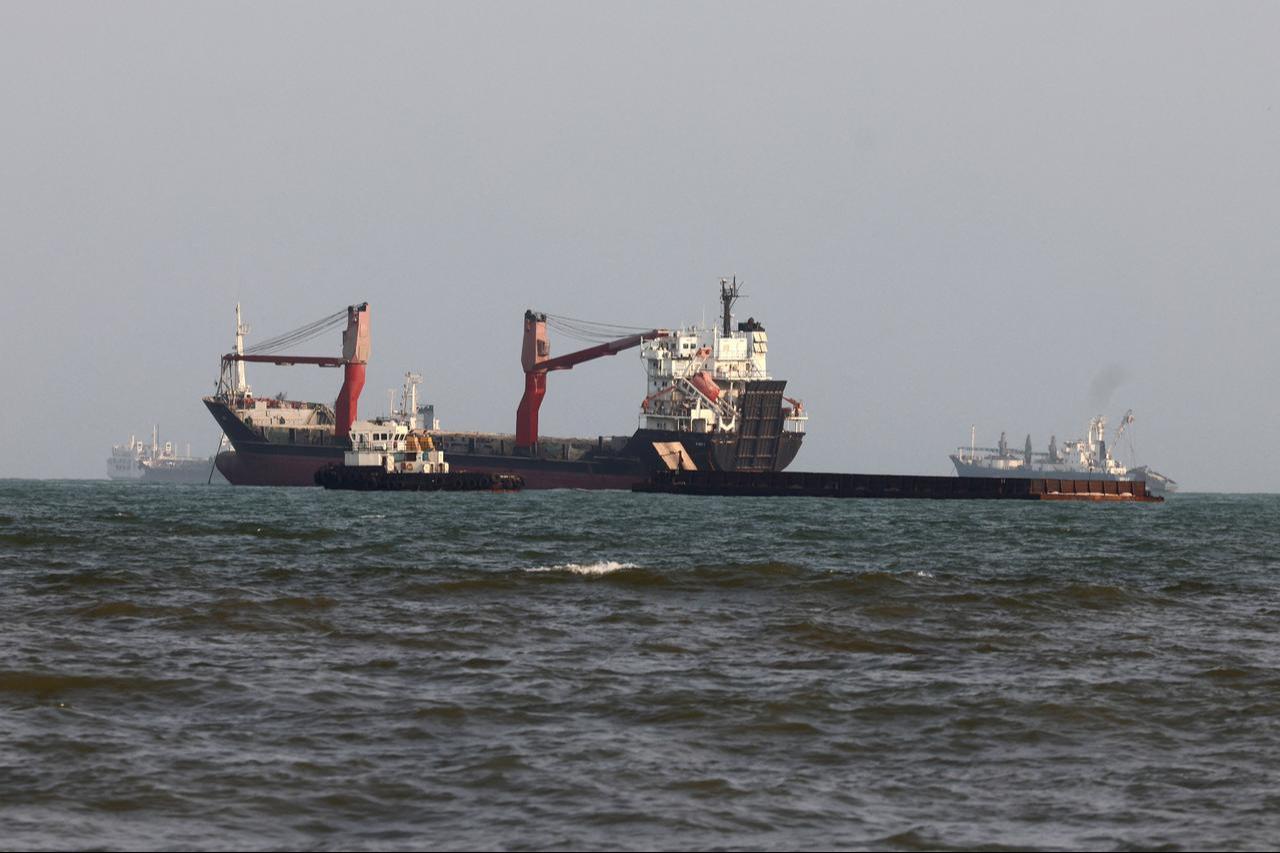

Trump declared Wednesday that the U.S. controlled the Strait of Hormuz and floated the idea of renaming it the "Trump Strait."
Tehran rejected Washington's claim, while Iranian officials maintained that the waterway would remain closed or heavily restricted until the US met conditions linked to an interim agreement reached in June.
The Islamic Revolutionary Guard Corps Navy also dismissed U.S. claims that the strait was open, accusing Washington of manipulating oil markets and concealing military failures.
Trump insisted that the U.S. maintained control over the strait and had demonstrated that American forces could strike Iranian assets along the shoreline while defending commercial vessels from incoming attacks.
Treasury Secretary Scott Bessent pointed to the increase in oil traffic through the strait earlier in the week, noting that exports reached more than 17 million barrels per day on Monday, a wartime record.
"That is not Iranian control of the strait," Bessent said.


 Set as preferred source
 Set as preferred source


 1 min read
 1 min read