

 Newsletters


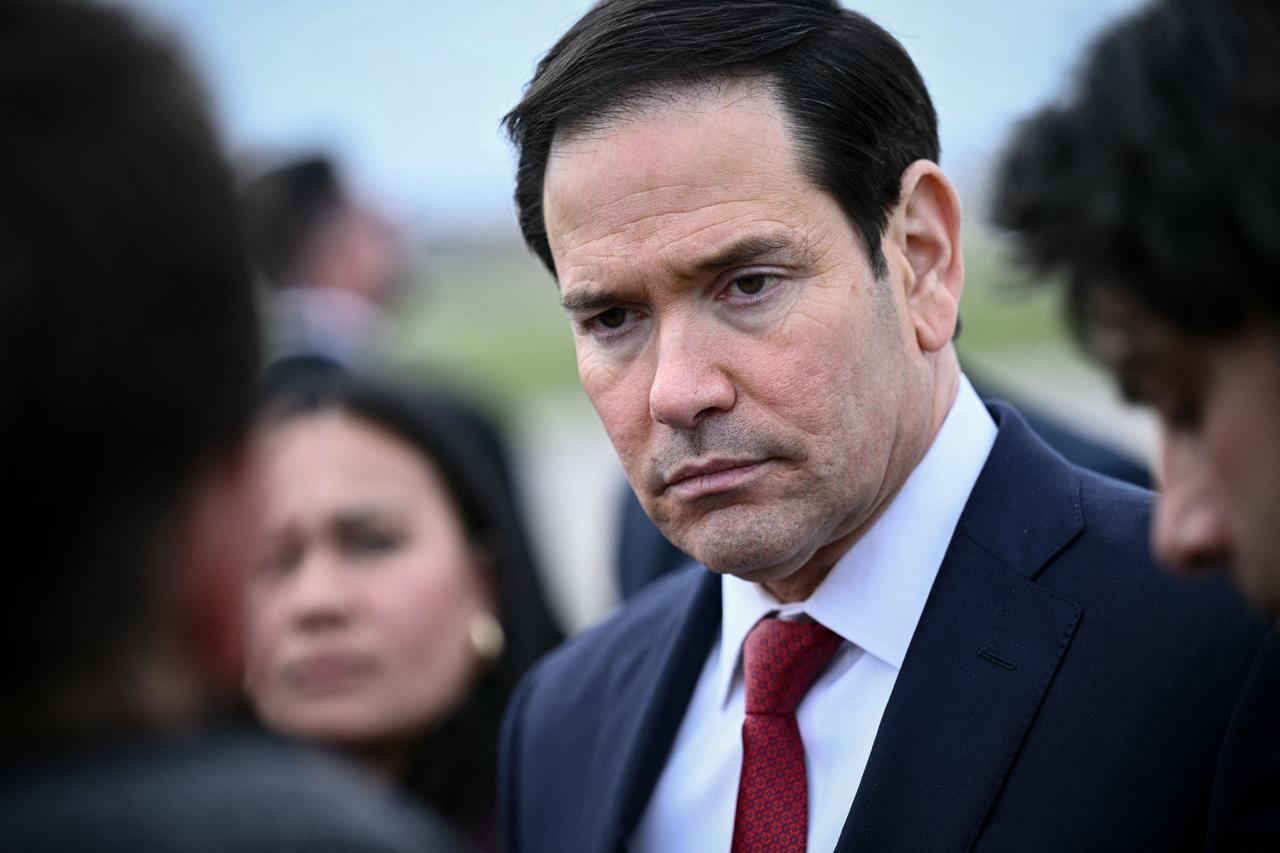


U.S. Secretary of State Marco Rubio stated in an exclusive interview with Al Jazeera that the Strait of Hormuz will be kept open "one way or another" and that U.S. war objectives against Iran will be achieved "in weeks, not months."
He also said that NATO may need to be re-examined after some allies denied the U.S. access to their airspace and bases, while acknowledging indirect talks with Iran through intermediaries and expressing openness to political change in Tehran if the opportunity arises.
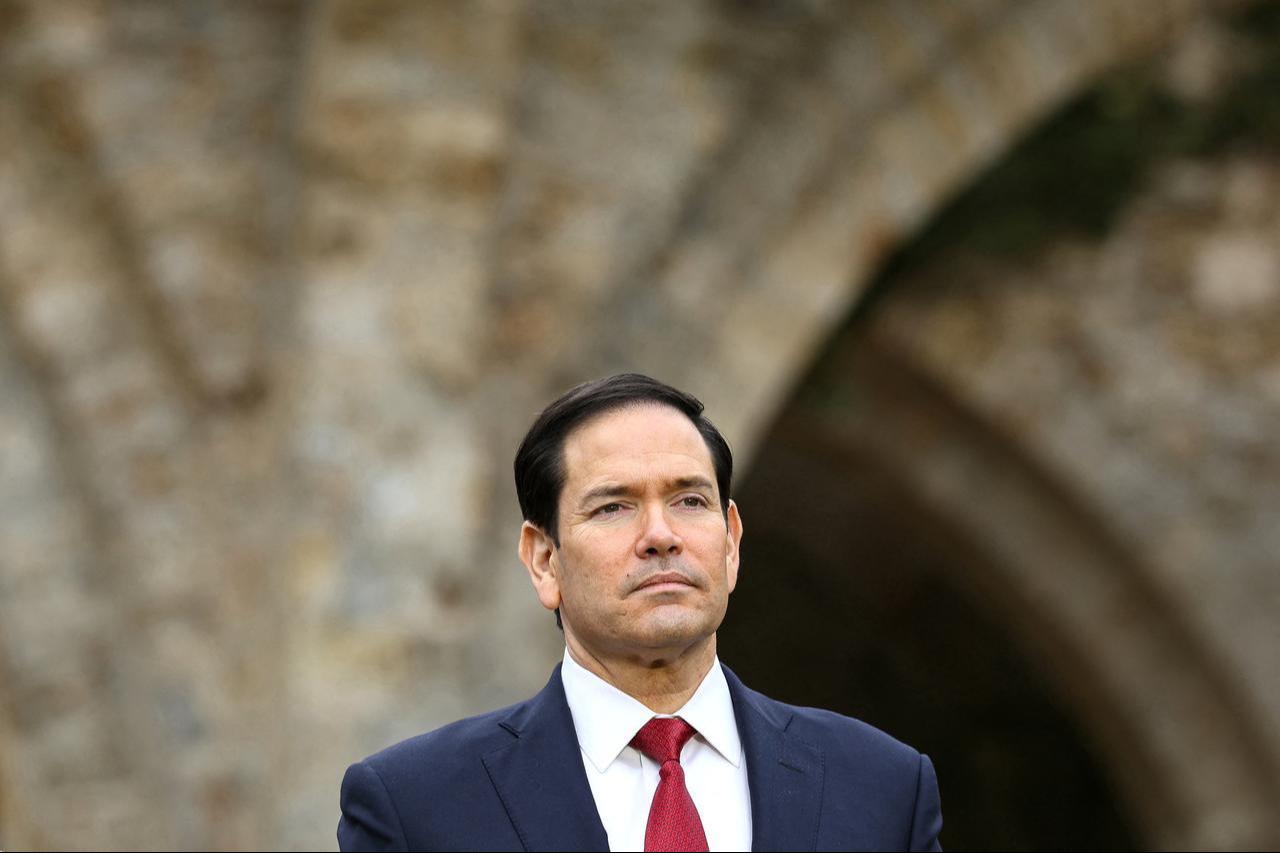

Rubio confirmed that communication between Washington and Tehran is continuing, largely indirectly, saying, "There are messages and some direct talks going on between some inside of Iran and the United States, primarily through intermediaries."
He added that Trump "always prefers diplomacy, always prefers an outcome."
 2 min read

Rubio reiterated U.S. demands that Iran permanently abandon its nuclear weapons ambitions and missile and drone programs.
"The Iranian regime can never have nuclear weapons," he said.
He noted that Tehran could pursue civilian nuclear energy, but "not in a way that would allow it to quickly weaponize it." What they cannot have is a system that allows them to quickly weaponize it. They have to abandon all these weapon programs and all their nuclear ambitions."
He described Iran's missile program as a direct threat to Gulf states by saying, "These short-range missiles that they're launching, they only have one purpose, and that is to attack Saudi Arabia and the UAE and Qatar and Kuwait and Bahrain."
University of Tehran assistant professor Hassan Ahmadian questioned the framing of Iran as an offensive actor.
"When was the last time Iran attacked its neighbors over three centuries?" he said, arguing that Iran's military strategy is shaped by deterrence in an asymmetric conflict.
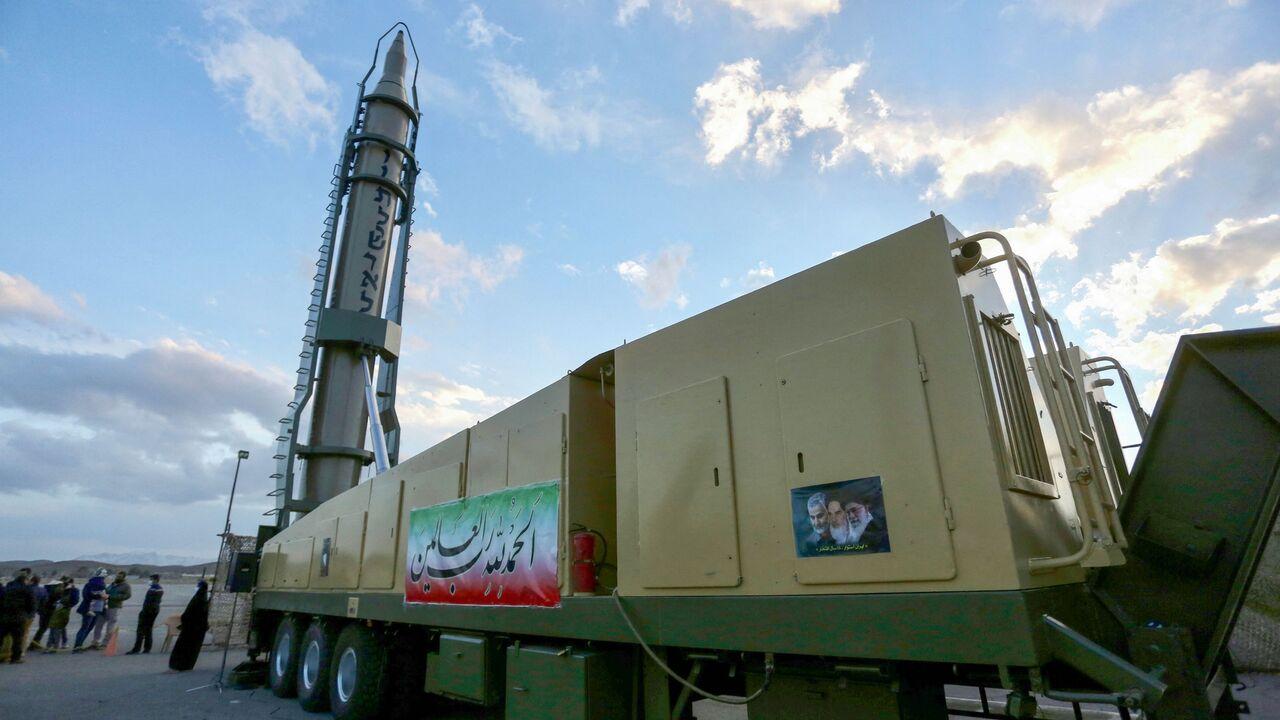
Rubio said the U.S. will not accept Iranian sovereignty over the Strait of Hormuz under any circumstances, saying, "Not only is the sovereignty over the Strait of Hormuz not acceptable to us, but it also won't be acceptable to the world. It sets an incredible precedent; nations can now take over international waterways and claim them as their own."
"The Strait of Hormuz will be open. It will be open one way or another," he added, warning that Iran would "face real consequences" if it refused.
He also told Al Jazeera: "When this operation is over, the Strait of Hormuz will open one way or another. If Iran closes it after the conflict ends, it will face serious consequences."
Rubio outlined U.S. military progress and said objectives would be completed well ahead of a months-long timeline, noting that "those objectives are the destruction of their air force, which has been achieved, and the destruction of their navy, which has largely been achieved."
"A significant reduction in the number of missile launchers, and we are going to destroy the factories that make those missiles and those drones. We are well on our way or ahead of schedule. We will achieve them in weeks, not months."
"That's a matter of weeks. I'm not going to tell you exactly how many weeks, but a matter of weeks, not months," he added.
Rubio said the U.S. is uncertain whether Mojtaba Khamenei is actually exercising power.
"We don't even know he's in power. I know they say he's in power. No one has seen him. No one has heard from him. It's very opaque right now. It's not quite clear how decisions are being made inside of Iran," he said.
Rubio said Washington would welcome political change in Iran without making it an official war objective, adding, "We would always welcome a scenario in which Iran was led by people who had a different view of the future. If that opportunity presents itself, we're going to take it."
"Do we think the people of Iran deserve better leadership than what they've gotten from the clerical regime? One hundred percent. Would we be heartbroken if there were a change in leadership? Absolutely not. If there's something we could do to facilitate that, would we be interested in participating? Of course," he noted.
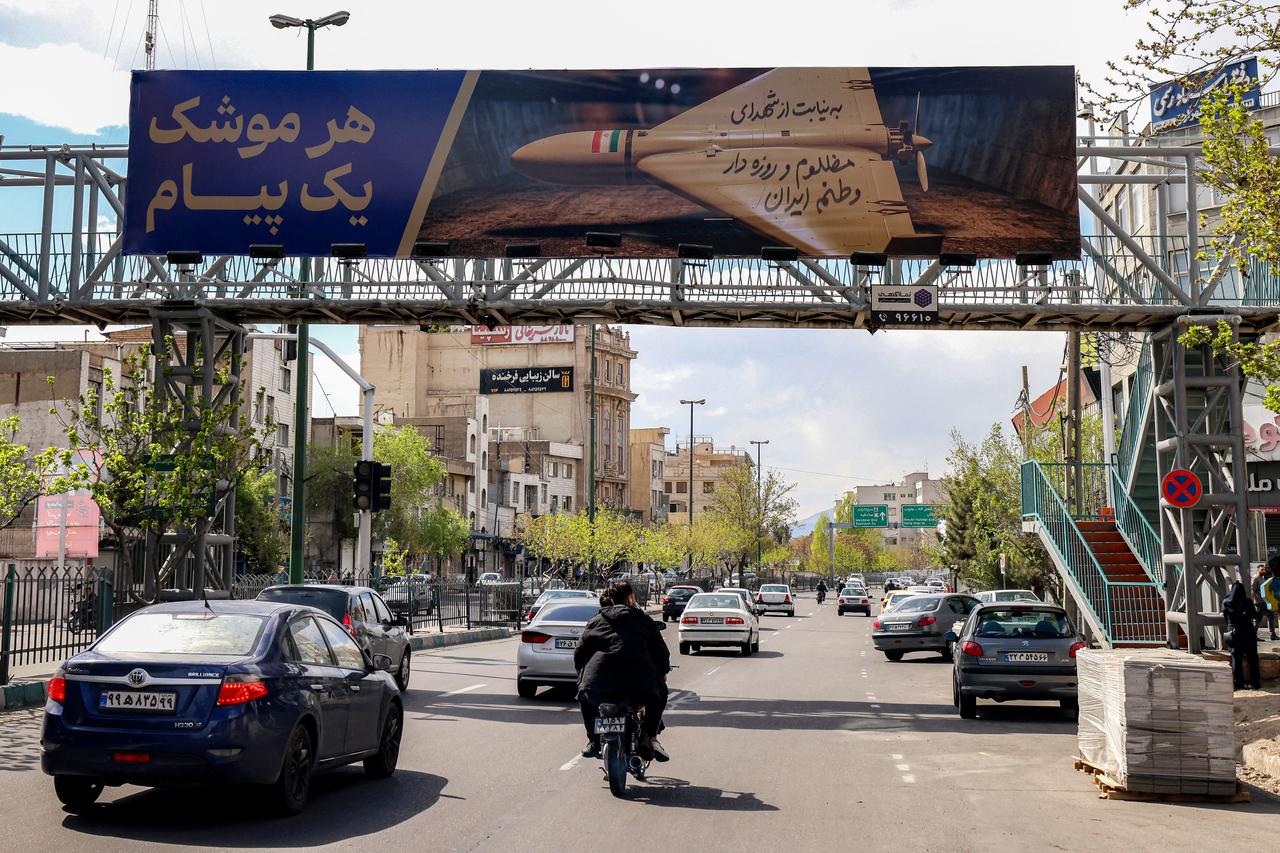
Rubio said some NATO allies, including Spain, denied the U.S. use of airspace and bases during the conflict and suggested the alliance may need to be reassessed.
"We have countries like Spain, a NATO member that we are pledged to defend, denying us the use of their airspace and bragging about it, denying us the use of their bases. And so you ask yourself, well, what is in it for the United States? If NATO is just about us defending Europe from attack, but they're denying us basing rights when we need them, that's not a very good arrangement," Rubio stated.
"All of that is going to have to be re-examined," he noted.
Regional escalation has continued since the U.S. and Israel launched a joint offensive on Iran on Feb. 28, killing over 1,340 people, including then-Supreme Leader Ali Khamenei.


 Set as preferred source
 Set as preferred source



 1 min read


