Newsletters





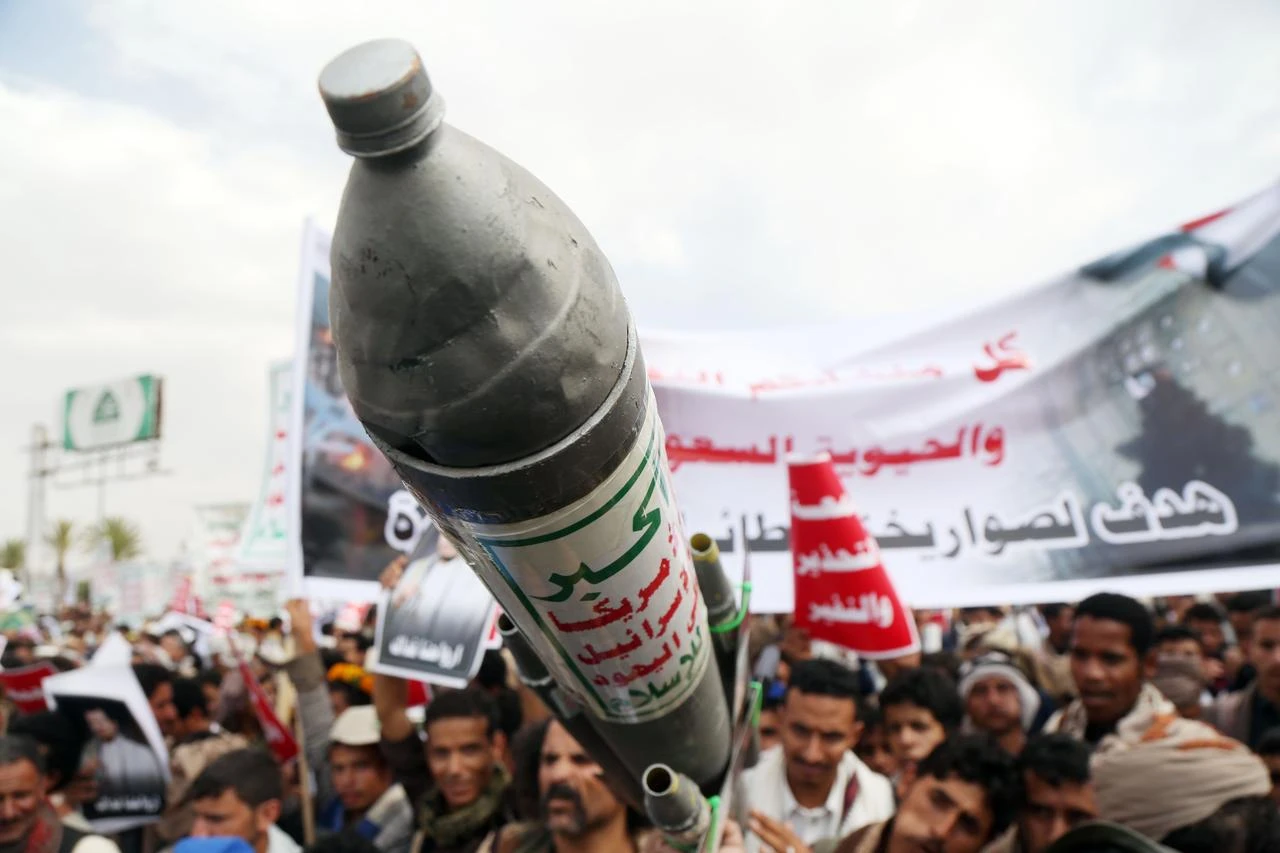
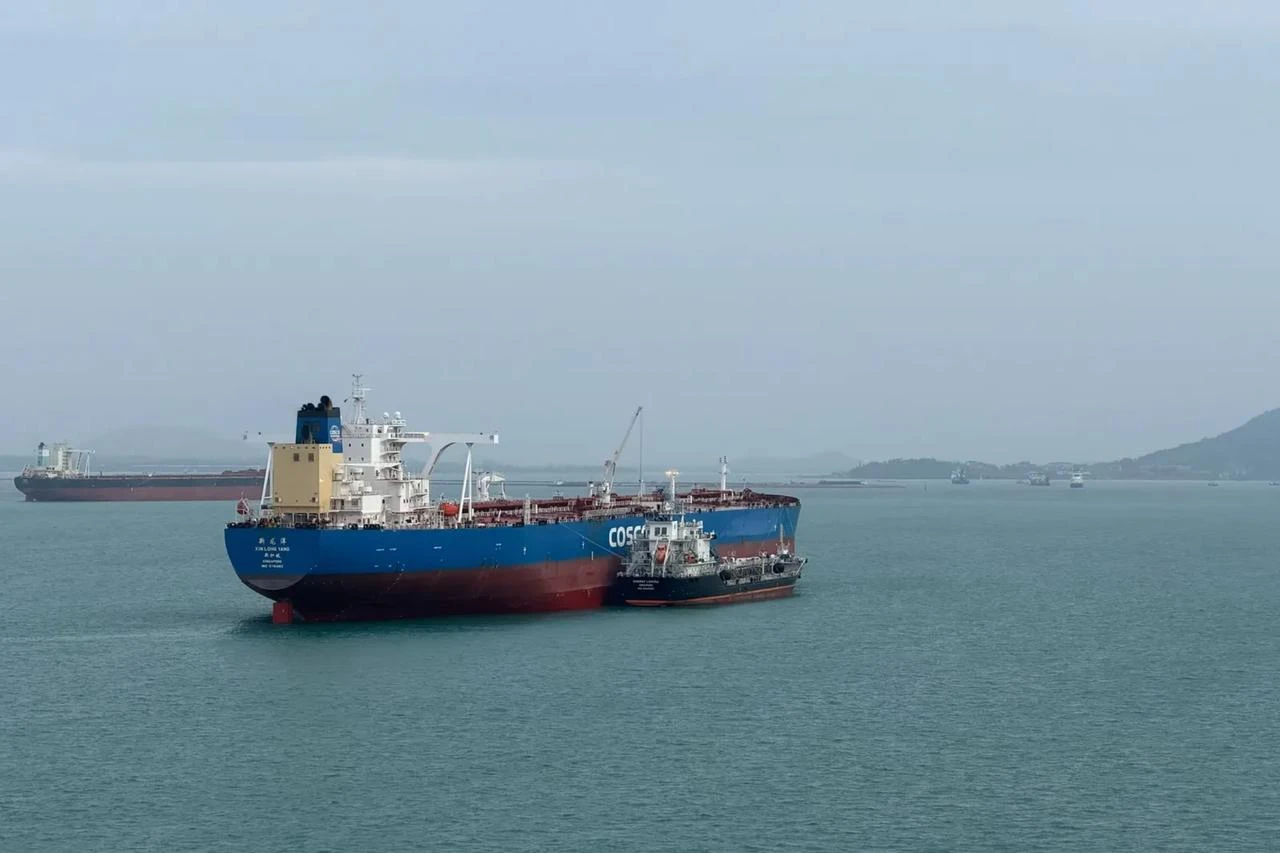
Yemen's Houthis have begun broadcasting radio warnings to commercial vessels in the Red Sea and Gulf of Aden, the International Chamber of Shipping confirmed Wednesday, days after the Iran-backed group announced a sweeping naval blockade of Saudi Arabia in a move that threatens to disrupt global oil markets.
The International Chamber of Shipping confirmed to AFP that the Houthis were recorded transmitting a warning message to ships in the region.
Christopher Long, intelligence director at maritime security firm Neptune P2P Group, said the broadcast was picked up by a vessel transiting the Bab el Mandeb Strait on Monday, the same day the group declared the embargo.
The recorded message, relayed in English over Channel 16, the international maritime distress and calling frequency, warned Saudi-linked vessels to turn back or face targeting.
The Houthis identified themselves as the "Yemeni naval force" and cited what they described as a "constant siege to the Yemeni nation" as justification, warning ships belonging to "Saudi enemy" that non-compliance would place them "in our target."
The group has not specified how it intends to enforce the blockade and, as of Wednesday, had not carried out any attacks on vessels.
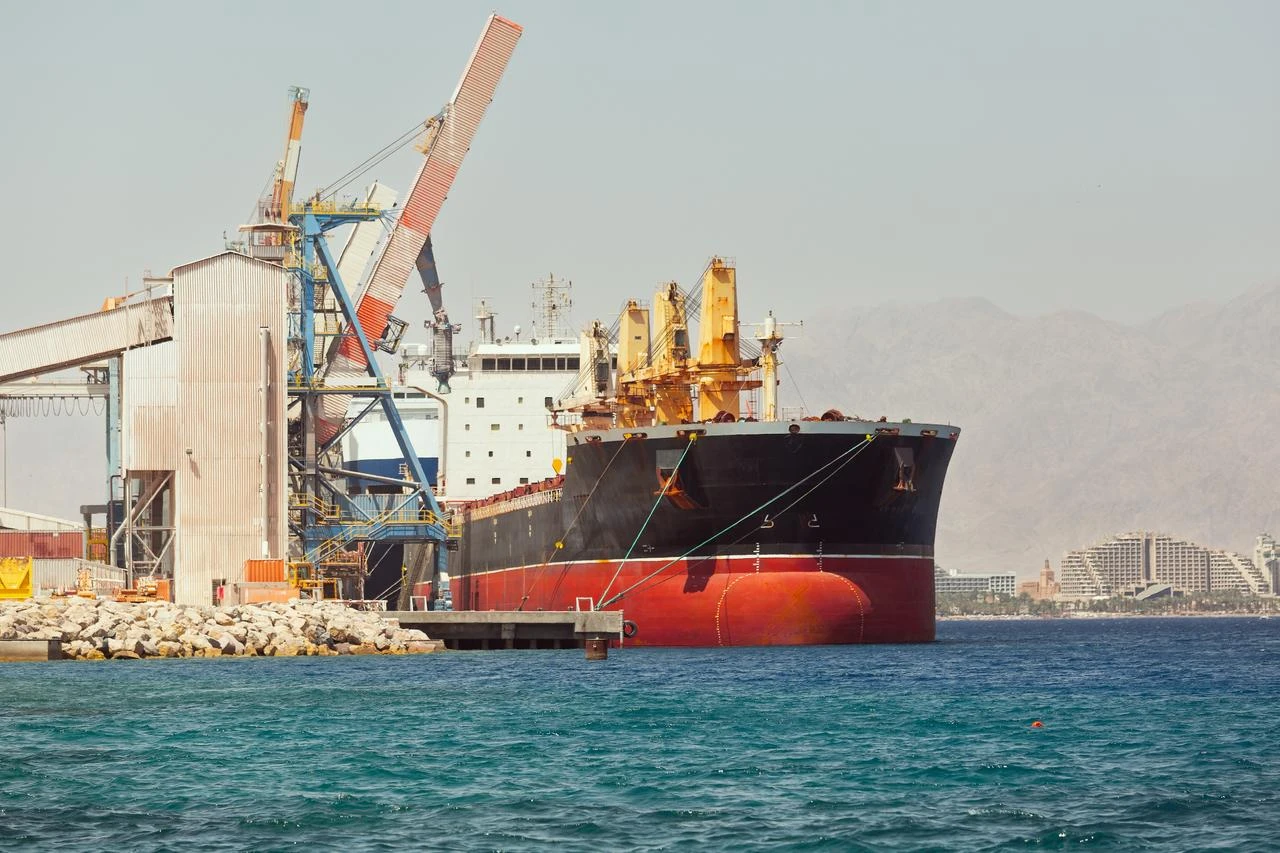
The maritime embargo, announced Monday, threatens to compound economic pressure on Riyadh by severing access to Saudi Arabia's Red Sea ports, which have taken on heightened strategic importance as renewed fighting constrains tanker passage through the Strait of Hormuz, the narrow waterway through which roughly a fifth of the world's oil supply flows.
Saudi Arabia relies on the Red Sea corridor, including the Yanbu export terminal, to route crude to European and other Western markets, offering an alternative to the Gulf routes that pass through the Strait of Hormuz.
A sustained blockade, even a partial one, could force rerouting through longer and costlier paths, with knock-on effects for international energy prices.
The announcement marks a further escalation in the widening confrontation between the United States and Iran, with the Houthis acting as a key proxy force in the region.
The group, which controls large swaths of northwestern Yemen including the capital Sanaa, has repeatedly used maritime pressure as a tool of leverage throughout years of civil war and regional conflict, previously targeting commercial shipping in the Red Sea in solidarity with Gaza beginning in late 2023.
The ICS, which represents national shipowner associations covering more than 80 percent of the world's merchant fleet, did not indicate whether it had issued updated guidance to member vessels operating in the affected area.


 Set as preferred source
 Set as preferred source


 1 min read
 1 min read