Newsletters


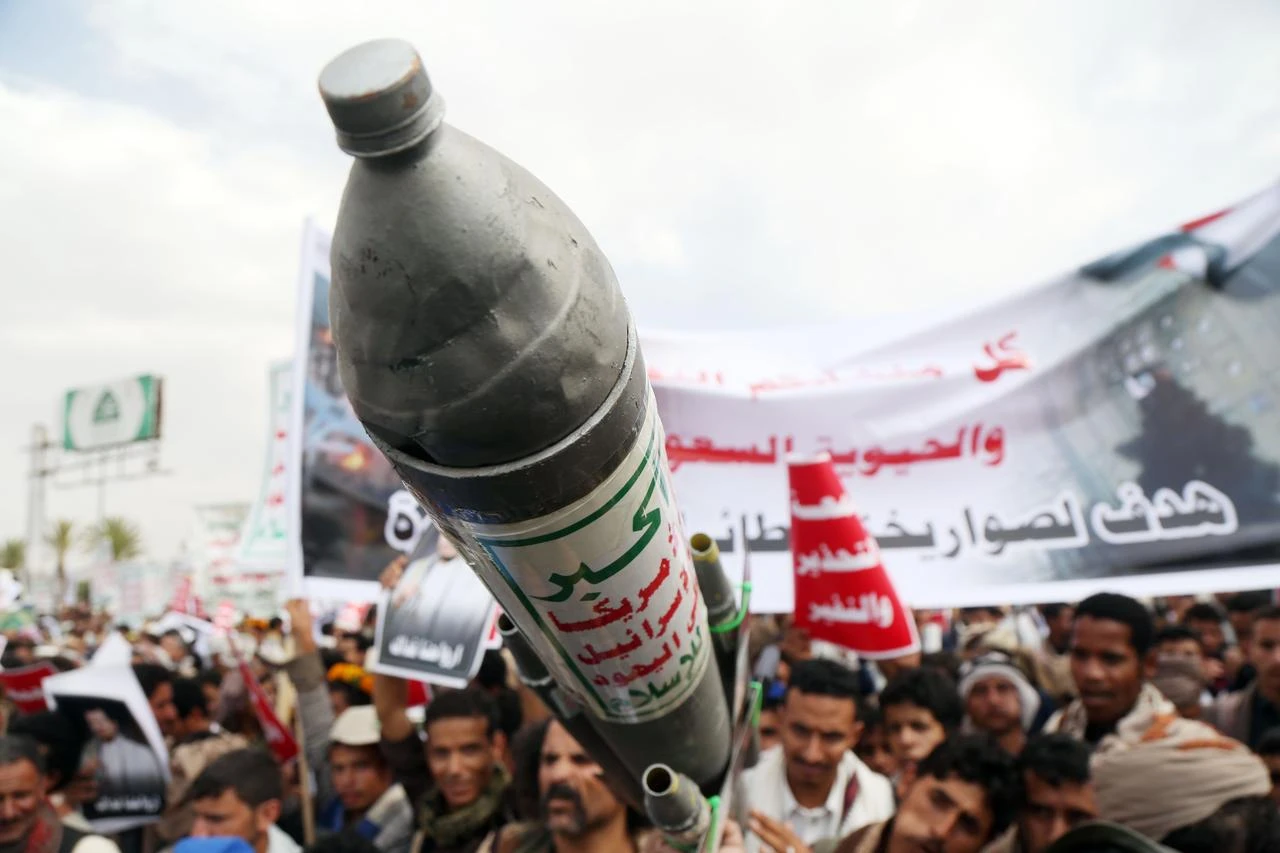


Türkiye on Wednesday condemned threats by Yemen's Houthis to impose a naval blockade on Saudi Arabia, saying it stood in solidarity with Riyadh.
"We condemn the Houthis' threats to impose a naval blockade on Saudi Arabia and once again reaffirm that we stand in solidarity with Saudi Arabia," the Turkish Foreign Ministry said in a written statement.
The ministry said actions and threats endangering maritime security and freedom of navigation in the Red Sea and the Bab el-Mandeb Strait, and targeting maritime transport and global trade, must end as soon as possible.
"We reiterate our call to refrain from any action that could further escalate the current tension in the region," it said.
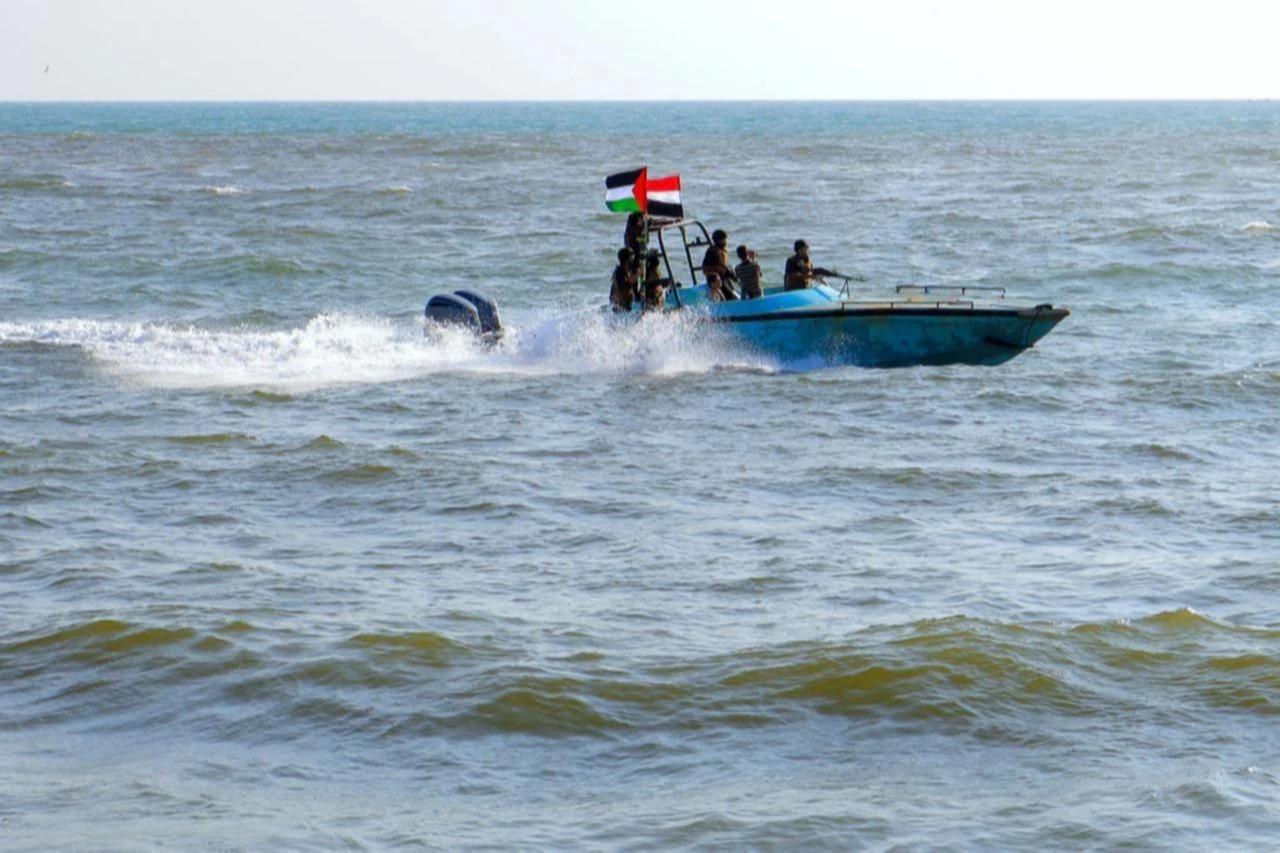

Escalating geopolitical tensions in the Middle East have spread from the Strait of Hormuz to the Bab el-Mandeb Strait, fueling concerns over further disruptions to global energy supplies and maritime shipping.
The ongoing U.S.-Iran conflict has nearly ground commercial shipping traffic through the Strait of Hormuz to a halt, driving up oil prices, with Brent crude trading near $90 a barrel.
The Iran-backed Houthis announced a blockade on Saudi Arabia amid rising tensions between the United States and Iran, heightening concerns over security in the Bab el-Mandeb Strait.
The Houthis claimed Riyadh carried out an airstrike on Yemen's Sanaa International Airport, targeting a plane carrying Houthi leaders returning from a funeral in Iran.
The group said it attacked Saudi Arabia's Abha International Airport with missiles and unmanned aerial vehicles in retaliation.
The Houthis then closed the Bab el-Mandeb Strait to Saudi-linked shipping, imposing a naval blockade in parallel with what they described as the Saudi-led coalition's blockade of Yemeni airspace and ports.
Concerns over energy costs, supply disruptions and rising global maritime shipping costs have spread from the Strait of Hormuz to the Bab el-Mandeb Strait.
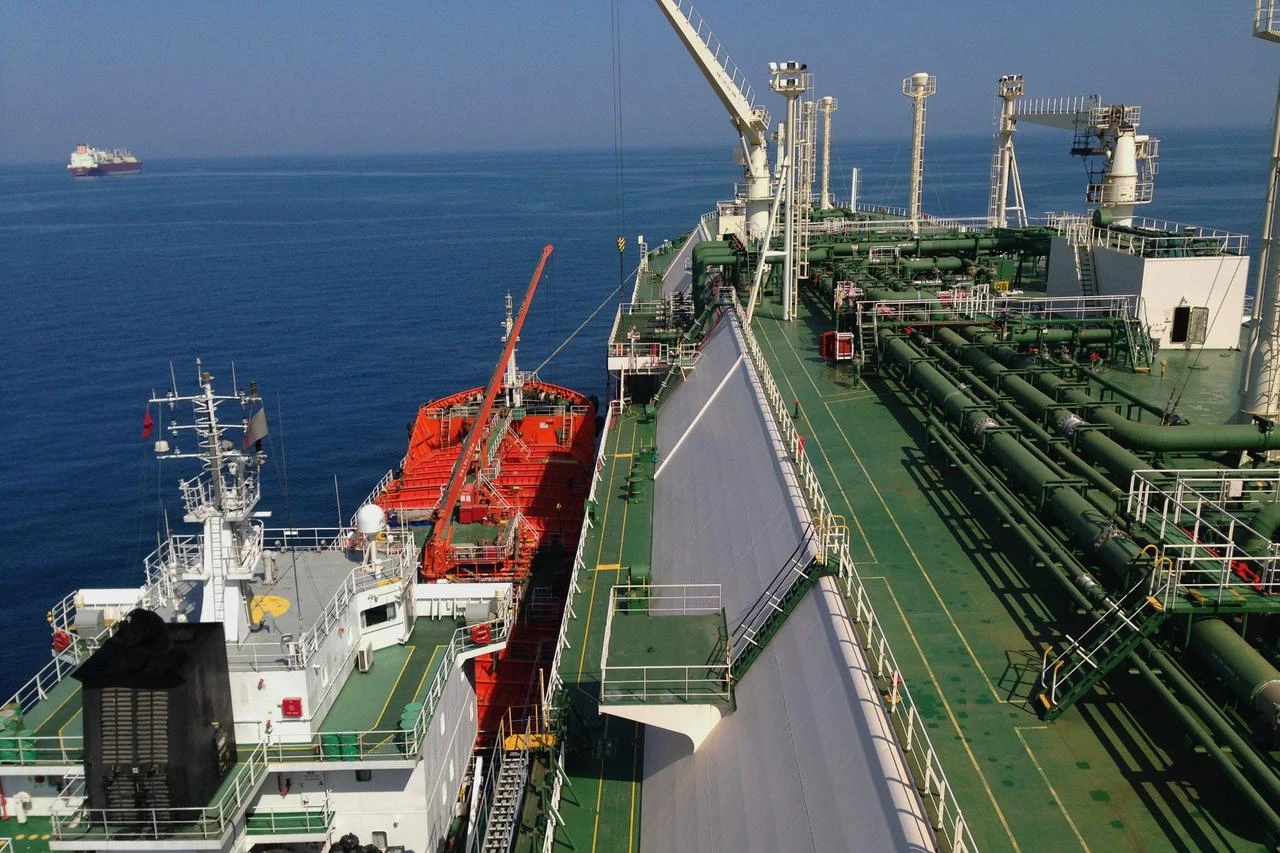
The number of crude oil tankers transiting the Bab el-Mandeb Strait fell 69% following the Houthi announcement.
Sixteen vessels transited the strait Monday, while the figure dropped to five Tuesday.
As of Wednesday, nine vessels had transited the Bab el-Mandeb Strait.
Only one crude oil tanker transited the Strait of Hormuz on Monday, while no vessel had transited the strait in the previous five days.
Rico Luman, senior transport and logistics economist at ING Group, told Anadolu that the Houthi announcement immediately increased the risks associated with crossing the Bab el-Mandeb Strait, even without new attacks.
Freight rates and insurance premiums had already surged, leading to higher costs, he said.
"This puts further pressure on oil markets, as the port of Yanbu is being used much more intensively as an alternative export hub for Saudi Arabia," Luman said.
"To circumvent the threat, sailing north around Africa through the Mediterranean would take much more time," he added.
"For container shipping, this could be a reason to postpone resumption plans, as Maersk and Hapag-Lloyd have just resumed some services through the Red Sea, which could lead to prolonged detours around Africa," he said.


 Set as preferred source
 Set as preferred source


 1 min read

 1 min read