Newsletters




In his 1796 farewell address, George Washington warned of a critical vulnerability baked into the American system: a passionate attachment to a foreign power. A devoted minority, he cautioned, bound more tightly to another nation's interests than to the republic's own, could distort U.S. foreign policy, drag the young nation into needless wars, and tarnish its standing abroad.
While Washington’s immediate concern was the Jeffersonian infatuation with French revolutionaries, his warning has found a vivid, modern echo in the halls of contemporary Washington, where the sheer political clout of the Israel lobby has long defined the outer limits of American foreign policy.
For years, the U.S. and Israel operated under the comfortable assumption that their regional goals were identical. Today, however, the White House is finding that Israel's tactical maneuvers—specifically its aggressive attempts to draw new military "red lines"—directly undermine America's broader strategic interests.
While the U.S. is focused on a delicate regional stabilization plan, seeking to "calm the situation" diplomatically, Israel’s primary objective in the post-Assad era is to ensure Syria remains weak, fragmented, and open to perpetual Israeli overflights.
This fundamental misalignment is what Washington warned against: a situation where a "favorite nation" blinds policymakers to the fact that the ally's immediate actions are actively harming the home country's strategic objectives.
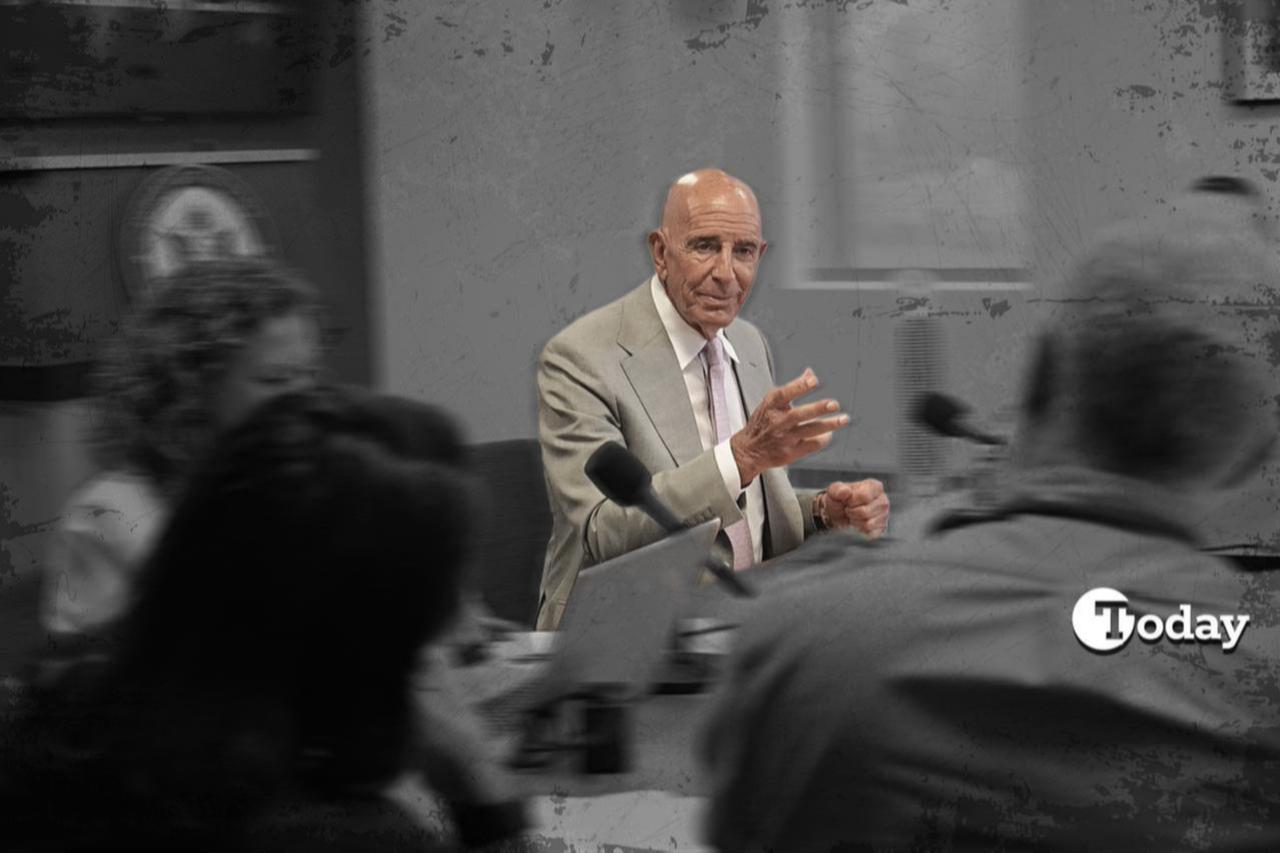
As a result, the public criticism of the Israeli strike by Tom Barrack—the U.S. administration's own prominent ambassador and one of President Trump's most trusted allies—did not receive full backing at home. It also exposed divisions within the MAGA camp and raised questions about how the White House truly views the feud.
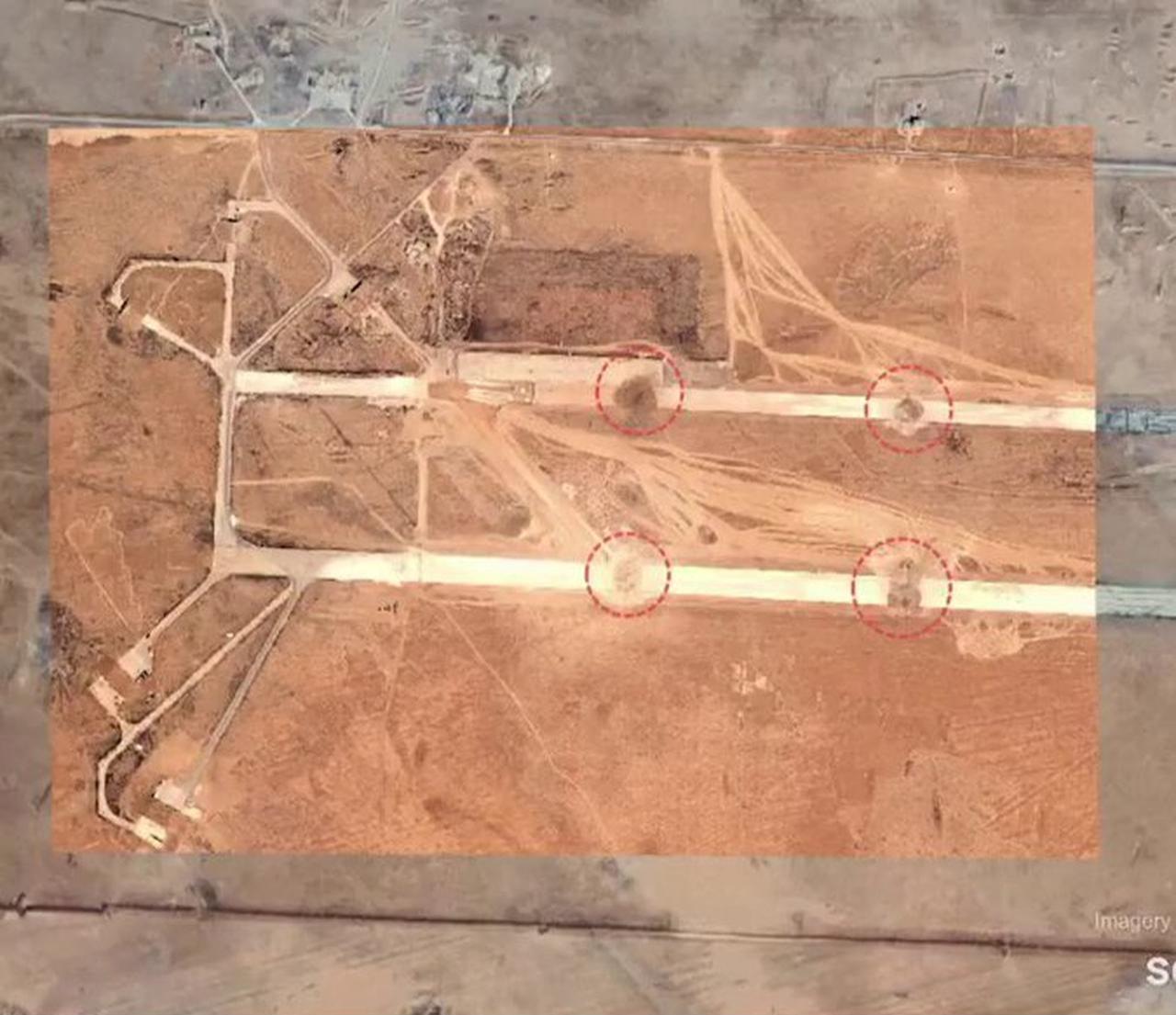

Abu al-Duhur is a Syrian military airbase, and in Israel's telling, it became a target because Turkish forces were preparing to move in. That is thesis one, and it comes from Tel Aviv: Israeli Defense Minister Israel Katz says his military recommended striking the base on more than one occasion, based on intelligence indicating Turkish activity there was serious enough to threaten Israeli security. Katz says Israel shared that intelligence with Washington beforehand, and when no response came, the strike went ahead anyway.
Thesis two comes from the American side, and it does not just interpret the same set of facts differently; it disputes the facts themselves. Barrack's account, relayed through American officials, is that U.S. intelligence checked the Israeli claim against the ground and found no Turkish movement toward the base at all.
That leaves the two allies with contradictory readings of the same terrain: either Turkish forces were mobilizing toward Abu al-Duhur airbase, or they weren't, and Israeli and American intelligence, looking at the same picture, came back with opposite answers.
Barrack did not stop at disputing the intelligence. He called the strike "an unnecessary escalation," then went further, floating, carefully, as a hypothesis rather than an accusation, the possibility that Israel wanted to draw Türkiye into a military response of its own, a scenario he suggested could serve Israeli interests with elections approaching.
Israeli officials were quick to turn the criticism back, and without denying they were pursuing a new status quo, they defended the strike as necessary, even though the base sits over 400 kilometers (248.55 miles) from Israel's northernmost point and just 70 kilometers from the Turkish border.
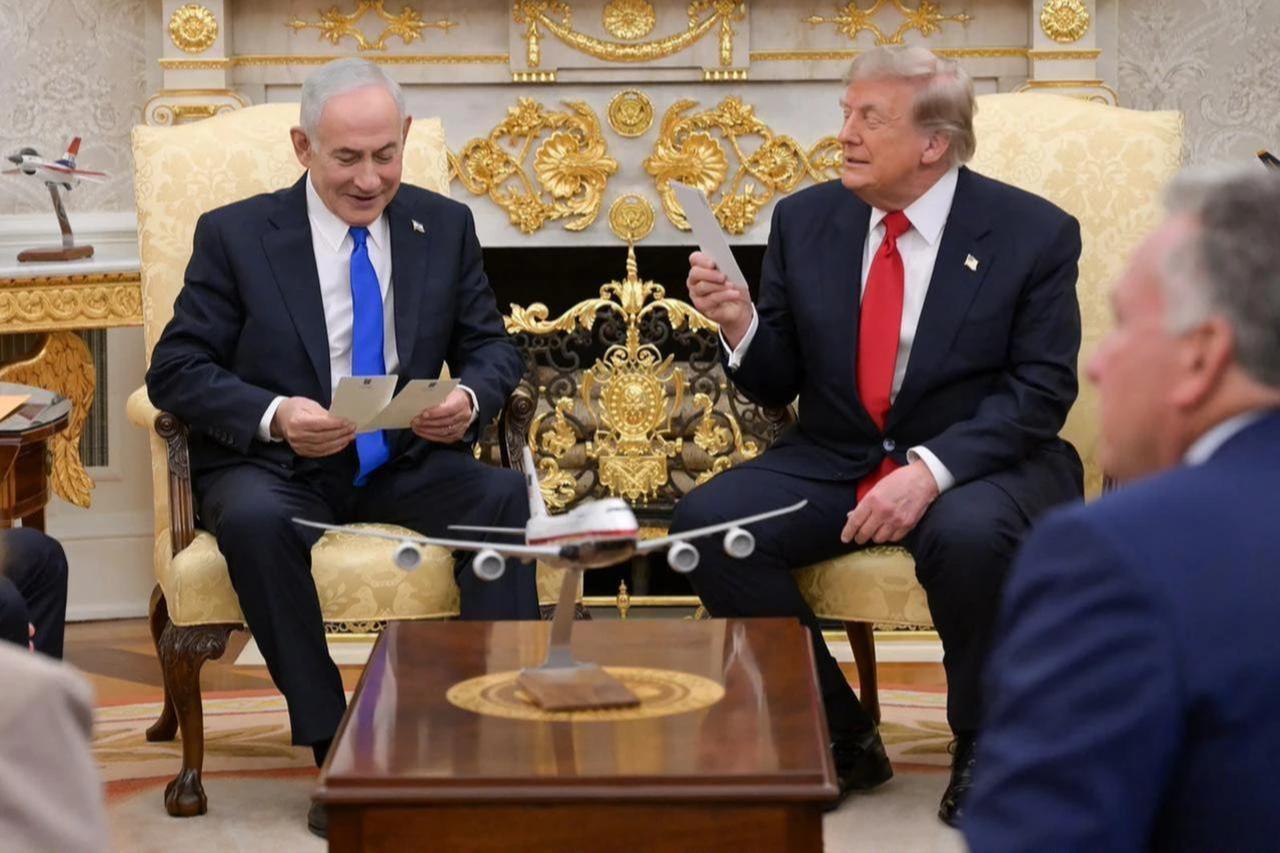
This wasn't the administration's first signal on where it stands. In an April briefing, President Trump told Netanyahu directly that he needed to be "reasonable" in his dispute with Türkiye, a warning delivered well before Abu al-Duhur turned the disagreement public.
Then, on May 30, Secretary of State Marco Rubio moved to settle any doubt about Barrack specifically on a similar occasion, calling him "an indispensable member of the President's team" who "carries my full confidence" and operates "with the full backing of the State Department."
Both moments point in the same direction: when Israeli objections have run up against Trump's and his man’s own read of Türkiye and Syria, the president has sided with his envoy, without an open clash with Israeli leadership and officials.
Taha Ouda Oglu, a consultant to Al Arabiya and Al Hadath and an analyst, argues that Trump reads the Barrack dispute as a difference over how to manage the current moment, not a break in strategic direction.
Speaking to Türkiye Today, he notes that Israeli criticism of Barrack has created real discomfort inside the administration precisely as ambassador Barrack has tied his own actions directly to the president's will, describing himself as implementing Trump's plan, which means public criticism of the ambassador lands in Washington as an indirect objection to Trump himself.
His read of Trump's instinct is that the president prefers to preserve room to maneuver, avoiding open conflict with Israel's government while also refusing to let "any actor, Israeli or American," impose a policy on Washington that doesn't fit the administration's own political and diplomatic calculations.
Israel, he adds, tends to approach these files from a purely security angle, while the Trump administration folds them into a wider frame that also has to manage diplomacy, political pressure, and relationships with regional actors that Israel doesn't have to answer to.
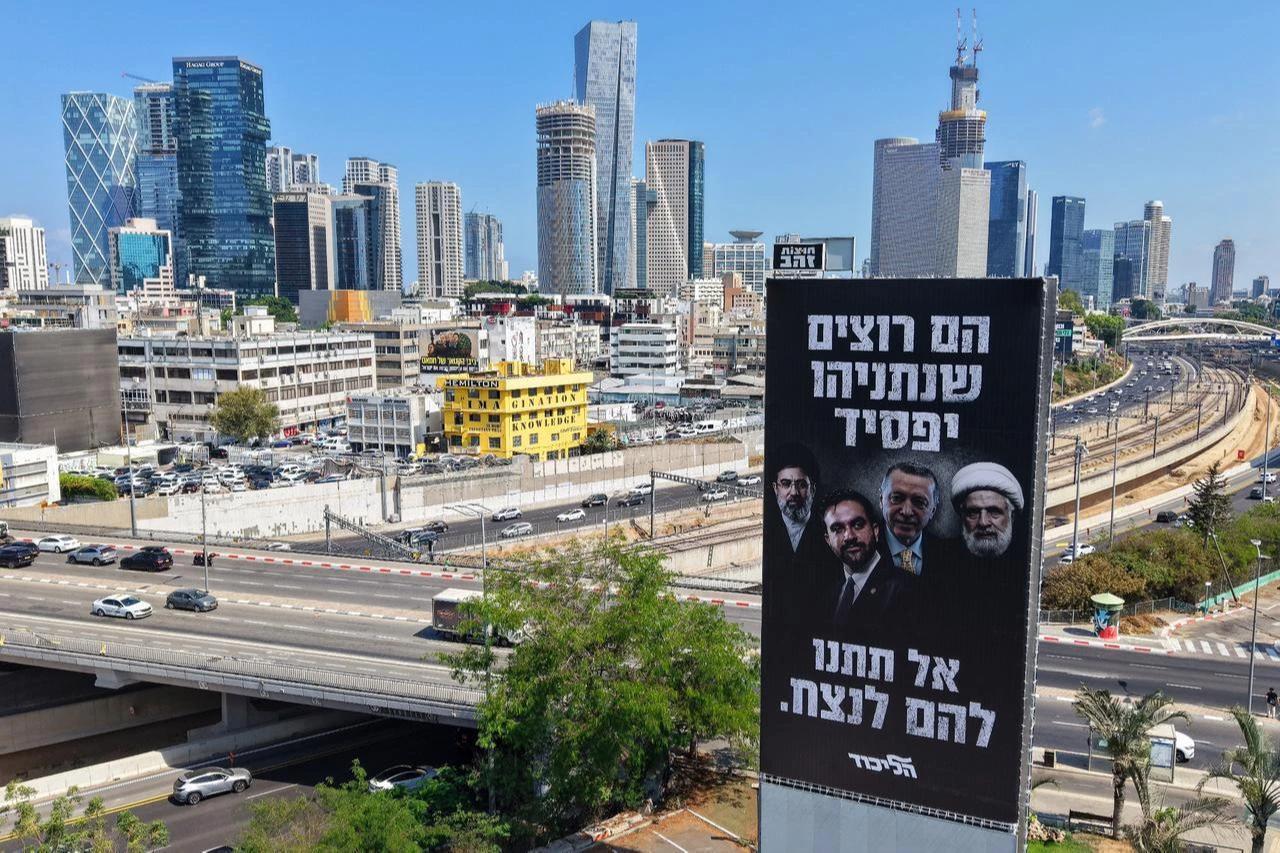
The clearest evidence of that wider frame surfaced days after the strike, not in a statement, but in a meeting. This week, Syria's Foreign Minister Asaad al-Shaibani sat down once again in Amman, Jordan, with a high-level Israeli delegation, reportedly including Mossad chief Roman Gofman, under U.S. mediation.
Syrian state agency SANA said the talks focused on practical mechanisms to halt Israeli strikes, arrests, and targeted operations, and on reviving negotiations toward a lasting security agreement. Syria had cut off contact entirely after Abu al-Duhur, Shaibani told Reuters, with the broader track frozen since the U.S. and Israel's war on Iran in February. Amman was Washington pulling both sides back to a table Damascus had walked away from.
Türkiye sat inside that agenda too, even without a seat at the table. Part of the discussion, per SANA, focused on easing tensions between Israel and Türkiye and keeping their rivalry off Syrian soil, and the Jerusalem Post reported that the sides also discussed a coordination room in Jordan through which Israel, Syria, and potentially Türkiye could communicate directly rather than escalate through strikes.
At the beginning of the year, there was an understanding that Ankara's expanding role in Syria was a bilateral Turkish-Syrian matter, so long as it stayed clear of the country's south. Israel now wants to effectively make Türkiye a permanent third party in its own negotiations with Damascus.
The gaps that stalled the talks for months haven't closed. Israeli media reported Israel went into the Amman round with a set of red lines: no Turkish military activity in Syria, a demilitarized Syrian Golan, guarantees for the Druze, limits on the weapons systems Damascus can acquire, and any Israeli withdrawal conditioned on further diplomatic gains.
Damascus reportedly wants Israel to pull back to the positions it held before Assad fell and to restore the 1974 disengagement framework, and rejects Israeli caps on the military assistance it can accept from Türkiye.
None of that reads like a White House choosing sides for sentimental reasons. It reads like a White House trying to manage an ally whose tactical instincts keep colliding with the administration's own strategy.


 Set as preferred source
 Set as preferred source


 2 min read
 1 min read