Newsletters




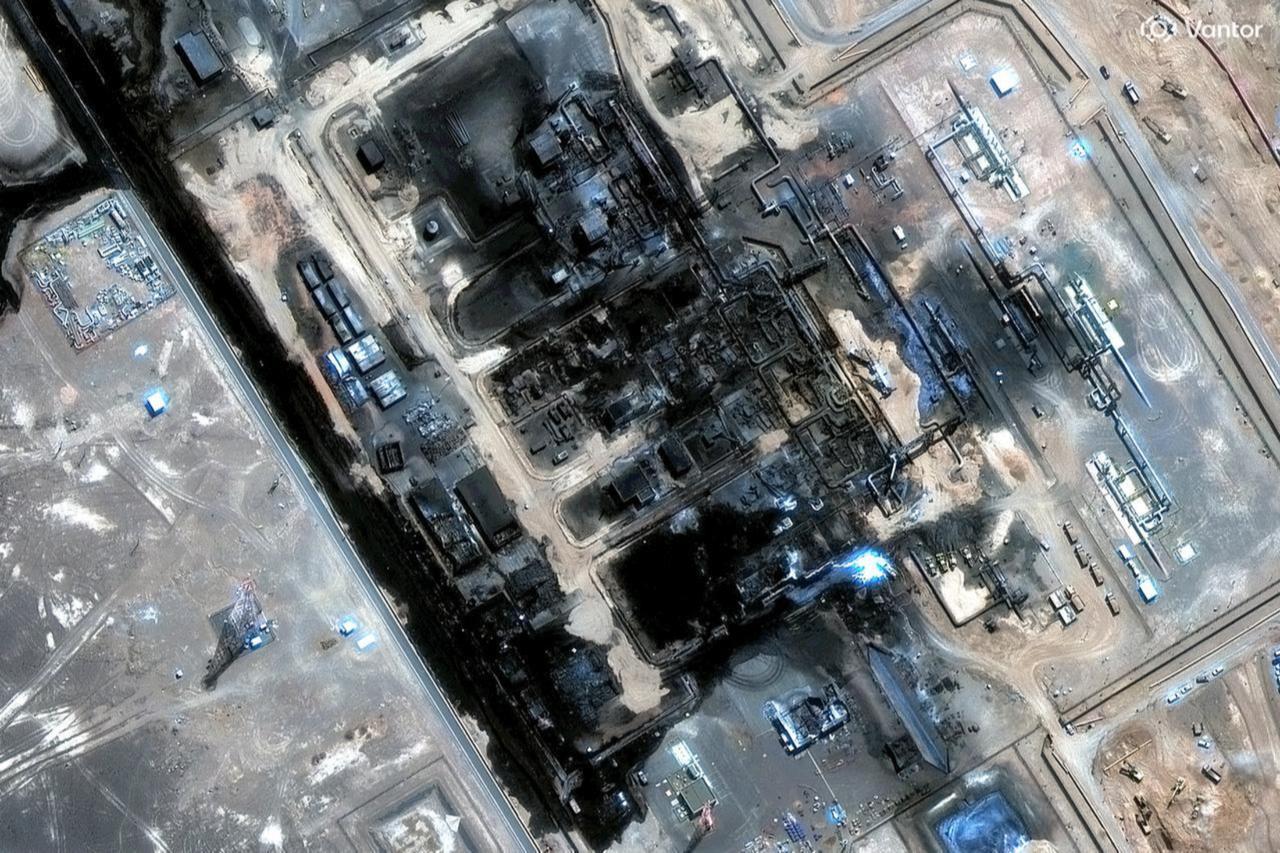
The political and military landscape in northern Syria has undergone a dramatic transformation in a remarkably short period of time over the last week. Structures that had taken shape over more than a decade unraveled within days, reshaping territorial control and disrupting long-standing balances on the ground.
The economic dimension of this collapse has been equally striking. Plans for a $1.5 billion budget projected for 2026 by the so-called autonomous administration became irrelevant almost overnight, as the loss of oil fields eliminated roughly 70% of anticipated revenue streams.
Despite these outcomes, Ankara has avoided framing the situation as a definitive victory. Instead, Turkish decision-makers have maintained comprehensive pressure on the ground while broadening their focus to longer-term regional implications and the roles of key political actors.
For Erbil and the Barzani-led administration, the Talabani family and Sulaymaniyah have long been perceived as the primary internal rival. Recent international alignments have only sharpened that rivalry.
During the Biden administration, U.S. Central Command’s Syria policy visibly tilted toward Sulaymaniyah. Mazlum Abdi’s positioning alongside Bafel Talabani reinforced perceptions in Erbil that Washington was recalibrating its Kurdish partnerships.
The perception of being sidelined fueled resentment among Barzani-aligned circles. Pro-Barzani intelligence-oriented outlets openly complained that the U.S. Defense Department was feeding corruption stories about the family to American media, down to reporting the price of clothing worn by its members.
At the same time, these platforms published unusually harsh critiques of the PKK, framing the organization as serving external interests rather than Kurdish ones, accusing it of facilitating outcomes that ultimately benefited nobody but only provoking Türkiye.
As a result, Rudaw, often described as affiliated with the Kurdistan Democratic Party, was temporarily banned by the YPG terrorist group in northeastern Syria for a while. However, the Barzani administration had revised this position in Syria, especially in the final months leading up to the dissolution of the SDF.
Ankara is skeptical of this sudden shift, especially given that only six months prior, Erbil-aligned sources were accusing Abdi’s YPG of kidnapping children and persecuting Barzani supporters.
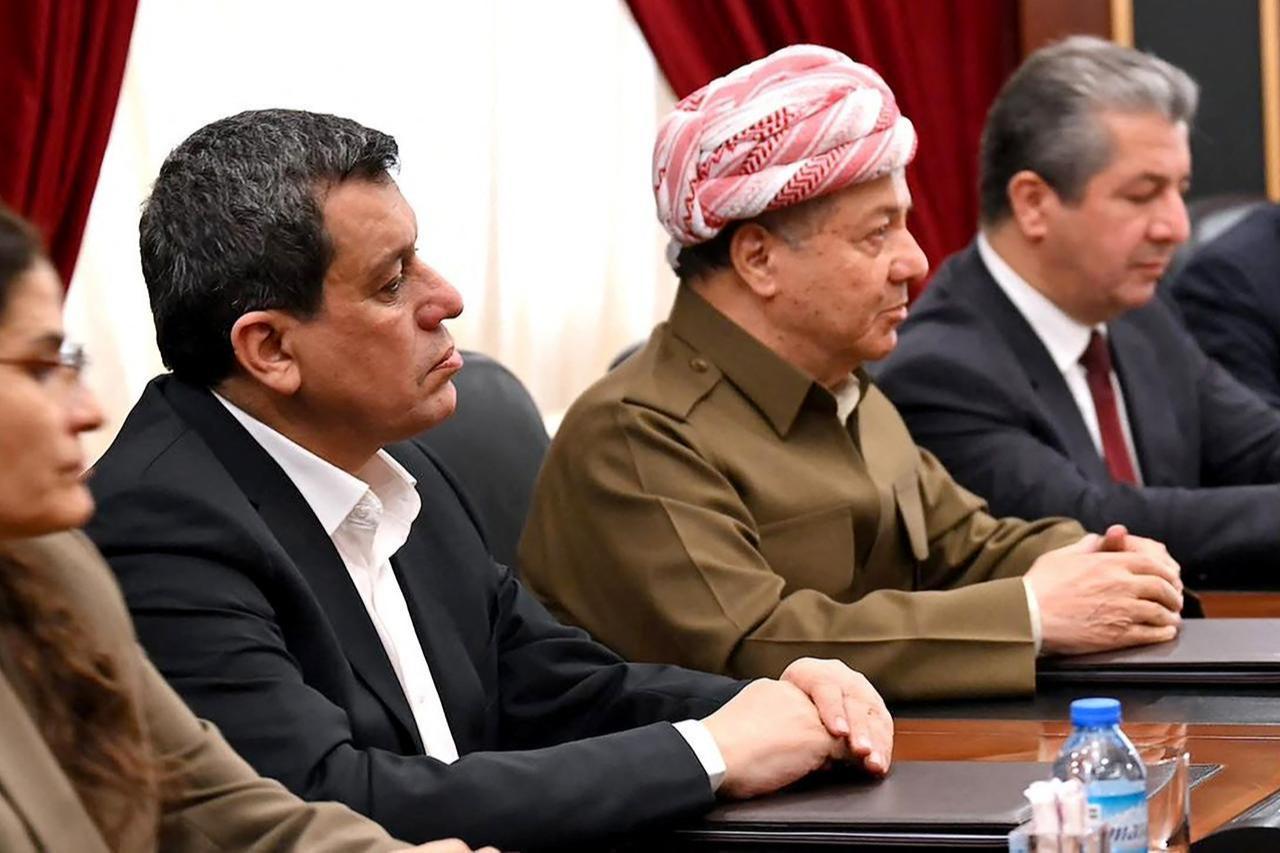

As the regional picture evolved, within Turkish strategic circles, the Barzani family has increasingly been associated with uncertainty rather than predictability, symbolized by a figurative question mark in policy deliberations.
This reassessment has been apparent in part due to media dynamics. It has taken notice of the editorial posture adopted by Rudaw, particularly through its Washington bureau, which has drawn scrutiny for persistently framing questions to U.S. officials in ways designed to elicit anti-Türkiye responses.
The issue is not media criticism per se, but the perception of coordinated political messaging as it is interpreted as reflecting a broader political intent, prompting Ankara to question the underlying motivations shaping Erbil’s external messaging.
Historically, Türkiye has avoided being the party to break ties, but the recent developments have added a layer of mistrust to an otherwise long-standing partnership.
The Barzani family has reportedly sought to recalibrate its relationship with Washington through Israeli mediation. Ankara is not unfamiliar with this channel, given the historical record of contacts between the Barzani movement and Israeli intelligence dating back to the 1960s.
Turkish policymakers emphasize that historical awareness does not translate into deterministic policy. Past relationships are acknowledged, but Ankara remains cautious about allowing historical narratives to shape present-day miscalculations.
From Ankara’s standpoint, a certain “appetite” for universal leadership and the underlying motivation for it, as well as the actors enabling it, are being questioned. Restoring ties with the U.S. does not confer a mandate to act as the political representative of all Kurds.
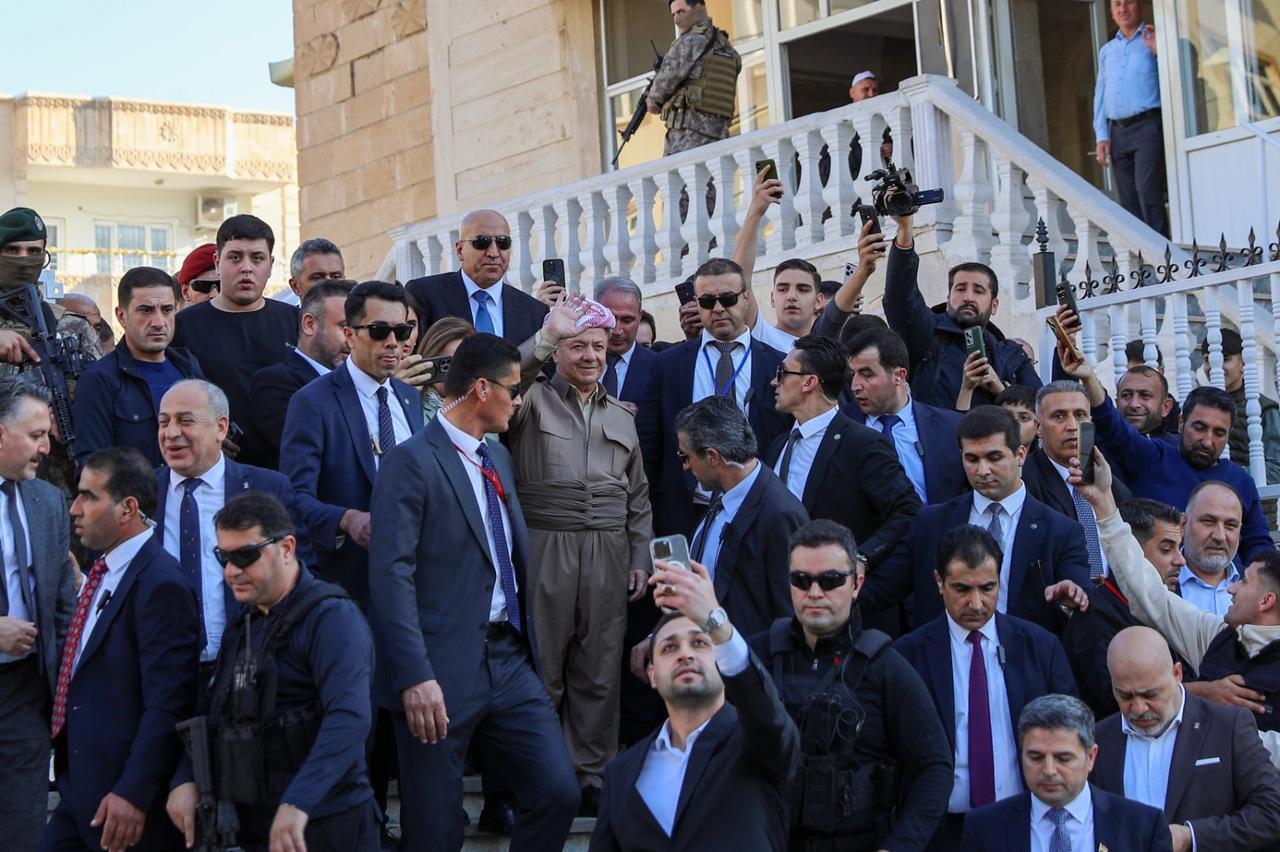
Signs of Ankara’s growing skepticism toward Erbil also surfaced through a public controversy during a high-profile visit to Türkiye. Tensions escalated on Nov. 29, when Masoud Barzani traveled to the Cizre district of Sirnak to attend a symposium.
Images from the visit showing Barzani’s security detail carrying long-barreled weapons quickly circulated in Turkish media and political circles.
Nationalist Movement Party (MHP) leader and government ally Devlet Bahceli emerged as the most vocal critic. He condemned the presence of armed foreign guards, arguing that Barzani does not hold an official state position that would justify such security arrangements.
In the aftermath of the statements, the Ministry of Interior moved to examine the circumstances surrounding the visit, assigning two inspectors to review how the security protocols had been authorized and implemented.
Relations between Ankara and Erbil have endured multiple crises over the years precisely because they have been grounded in mutual interests rather than ideological alignment. Preserving that framework remains a strategic choice.
The current posture to Erbil is therefore framed as a caution rather than a threat. Whether the existing question marks are erased or reinforced will depend on decisions taken in the coming period, and on how seriously Ankara’s stance is received.


 Set as preferred source
 Set as preferred source


 1 min read