Newsletters




Gaza residents are increasingly relying on what they describe as a “rubble economy,” a growing market built on collecting and recycling debris from destroyed homes and buildings, as the local economy collapses, unemployment reaches record levels, and essential supplies remain scarce.
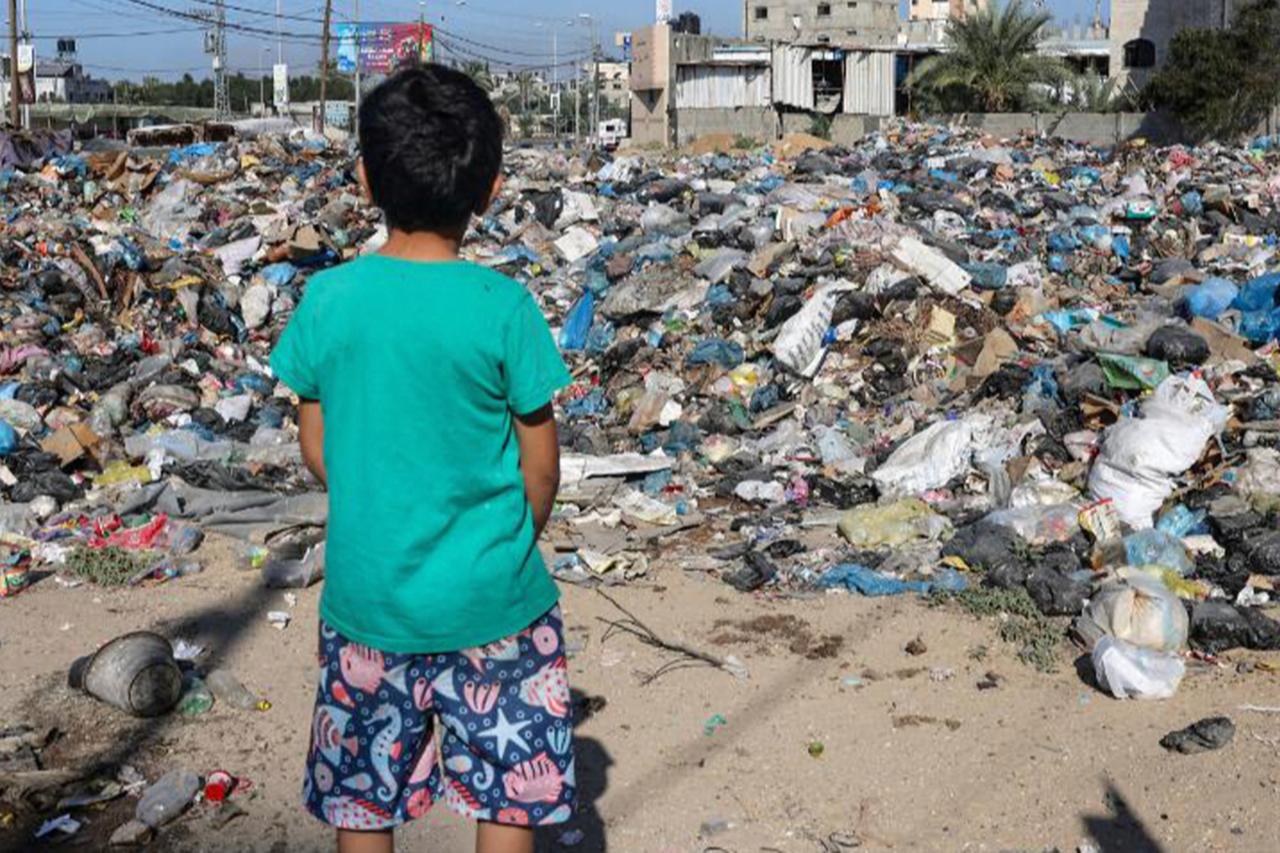
Since the war left severe destruction across Gaza’s infrastructure, producing millions of tons of rubble and waste , what has come to be known locally as the “rubble economy” has emerged: a new market built on collecting and recycling the remains of destroyed homes and buildings.
Amid the broad collapse of the local economy, with gross domestic product (GDP) plunging sharply and unemployment rising to record levels, thousands of Gazans have turned to this alternative economy in search of a livelihood.
Individuals who once worked in construction or trade have shifted to collecting debris, dismantling damaged equipment, and selling salvaged materials, from wood and iron to plumbing and electrical components, which they either resell or recycle to meet residents’ needs amid the blockade and the scarcity of basic supplies.
This individual initiative represents a practical application of the principles of the circular economy, where waste and discarded materials are transformed into resources that can be used again. Despite its fragility, it helps ease economic pressure and provides alternative supplies during a time of extreme hardship.
However, this shift does not indicate a genuine recovery; the so-called rubble economy remains part of an economy of necessity: temporary, fragile, and exposed to environmental and health risks, in the absence of comprehensive reconstruction and a stable economic environment.
Arab reports describe how many Gaza residents have found in the rubble of their homes and surroundings their only source of income after their original work collapsed.
Some explain that they were forced to collect iron, wood and anything that could be resold or reused, in the absence of alternatives and with traditional income sources halted. Others note that working in debris collection now provides the minimum needed for daily necessities, despite its hardship and risks.
Workers in this sector say the growing demand for used materials, driven by the blockade and the shortage of new supplies , has made debris a temporary resource to depend on, even though it does not compensate for losses or offer a stable future.
These accounts indicate that the rubble economy was not a voluntary choice for residents but a forced refuge imposed by the conditions of war and destruction.


 Set as preferred source
 Set as preferred source


 2 min read