Newsletters


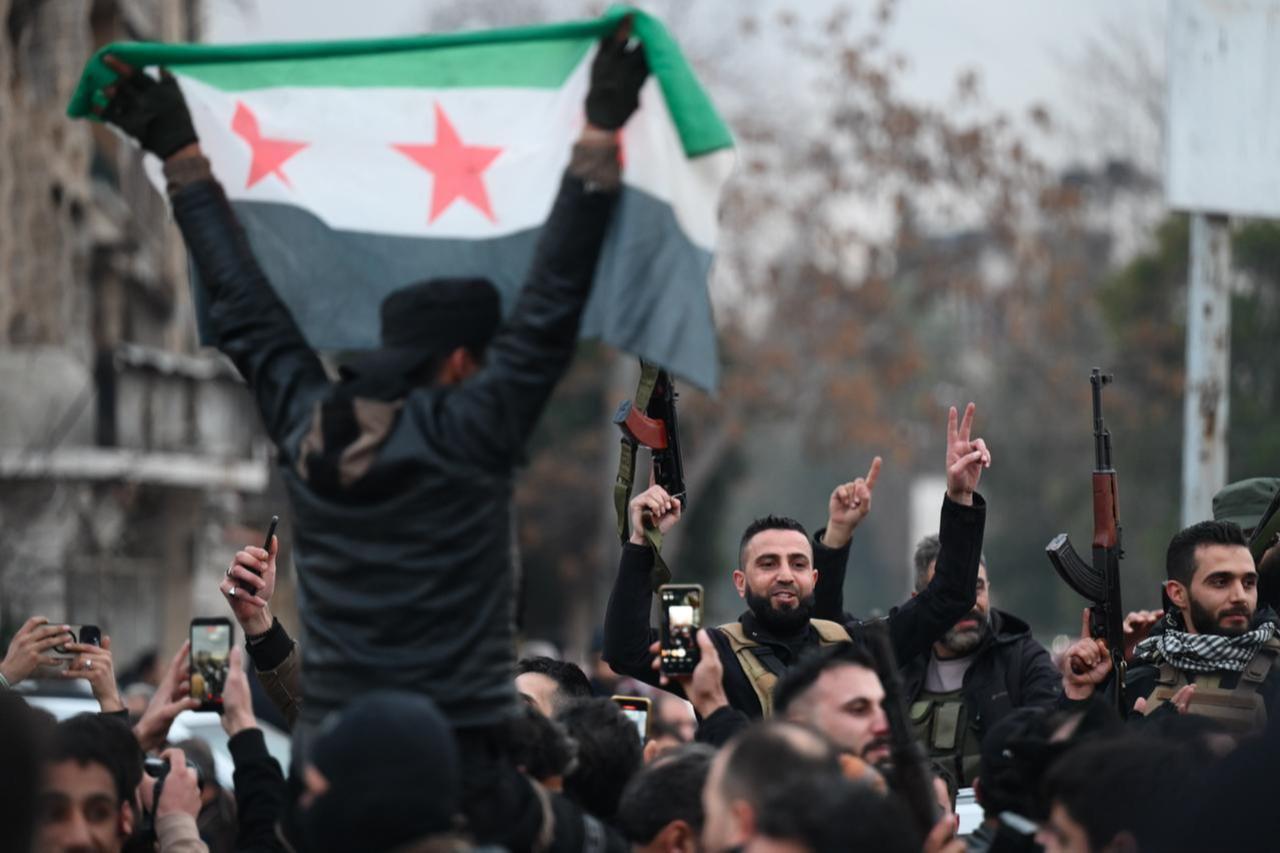


Damascus has formally moved away from a negotiation-heavy approach that dominated the past 10 months but failed to deliver concrete outcomes on the ground. Officials now frame that period as one marked by dialogue without reciprocal steps, particularly in areas outside full state control.
The new policy does not discard diplomacy altogether. Instead, it introduces a dual-track framework in which dialogue remains available, while military force is actively employed against actors deemed to threaten public security or obstruct national recovery.
Recent military operations west of the Euphrates are presented as the clearest expression of this shift. The state is signaling an end to what it describes as an “exceptional situation” in which armed groups control territory and resources beyond the reach of central authority. Syrian officials argue that prolonged ambiguity has undermined both security and reconstruction, necessitating a firmer posture.
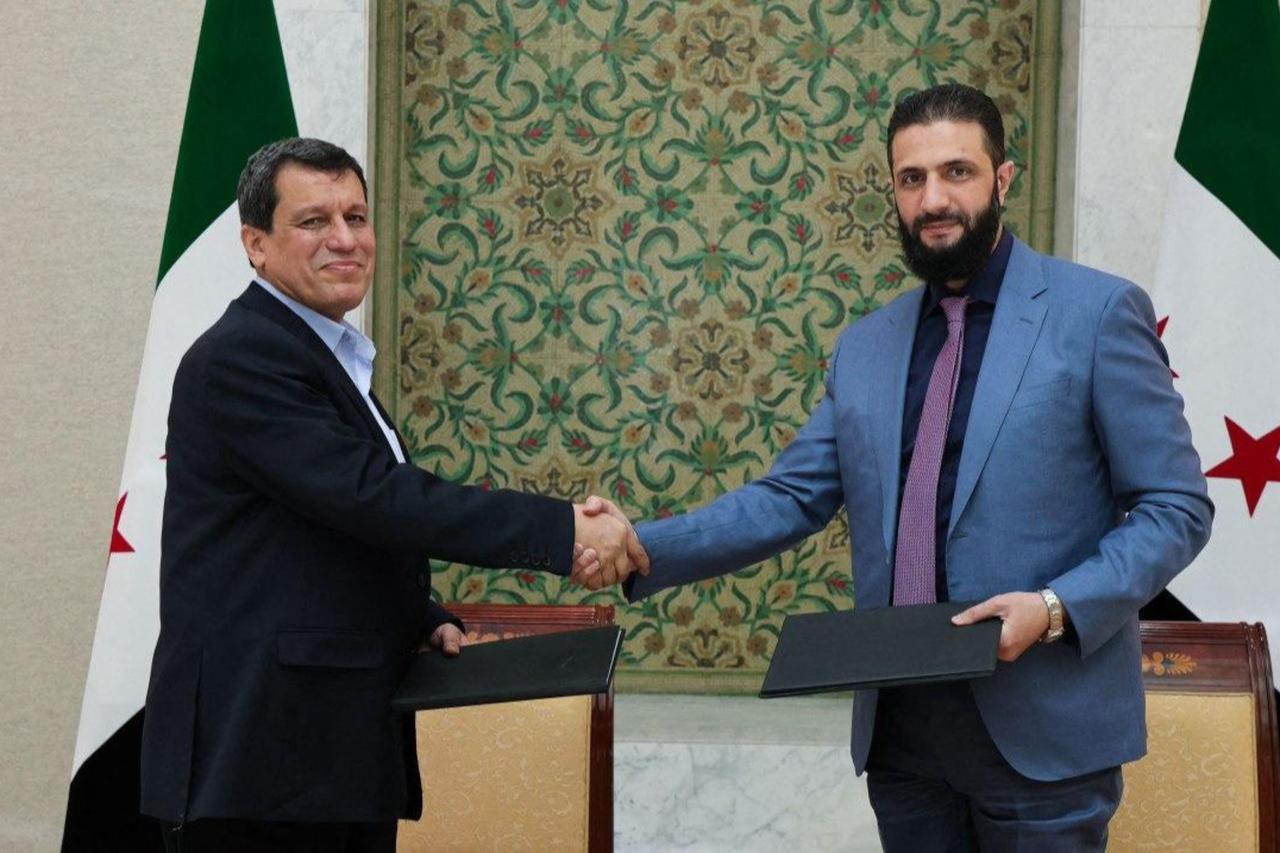

The first track of the strategy highlights what Damascus refers to as negotiation fatigue. Nearly a year of talks aimed at a “negotiated merger” produced no tangible movement, with state officials claiming the SDF failed to take meaningful steps toward implementation.
A central challenge identified by Syrian decision-makers is the absence of a unified authority on the other side. The SDF is described as a “multi-headed” structure, with internal divisions that complicate commitments and weaken accountability.
This fragmentation is cited as a key reason external mediation efforts fell short. Initiatives reportedly supported by France were undermined when local factions in Ashrafieh and Sheikh Maqsoud declined to follow decisions taken by centralized leadership.
As a result, the dialogue track has become increasingly difficult to sustain. From Damascus’ perspective, an open door to talks is ineffective when there is no single actor capable of delivering compliance.
The second track centers on the use of military force to enforce what the state defines as normal conditions. Recent Syrian Arab Army (SAA) reinforcements are framed as targeted responses to specific threats, including drone attacks on Aleppo and mobilization activity affecting the coastal region.
Officials stress that these deployments are rooted in claims of sovereign right. As the army of a recognized state, the SAA argues that it is legally entitled to operate anywhere within its national borders to restore order and protect its citizens.
The Defense Ministry has also emphasized a shift toward zero tolerance for what it calls stalling tactics. Previous ceasefire arrangements are accused of being used to buy time rather than fulfill commitments, particularly regarding withdrawal east of the Euphrates.
Under the new approach, delays are no longer met with extended negotiations. Instead, they trigger immediate military pressure intended to alter facts on the ground.
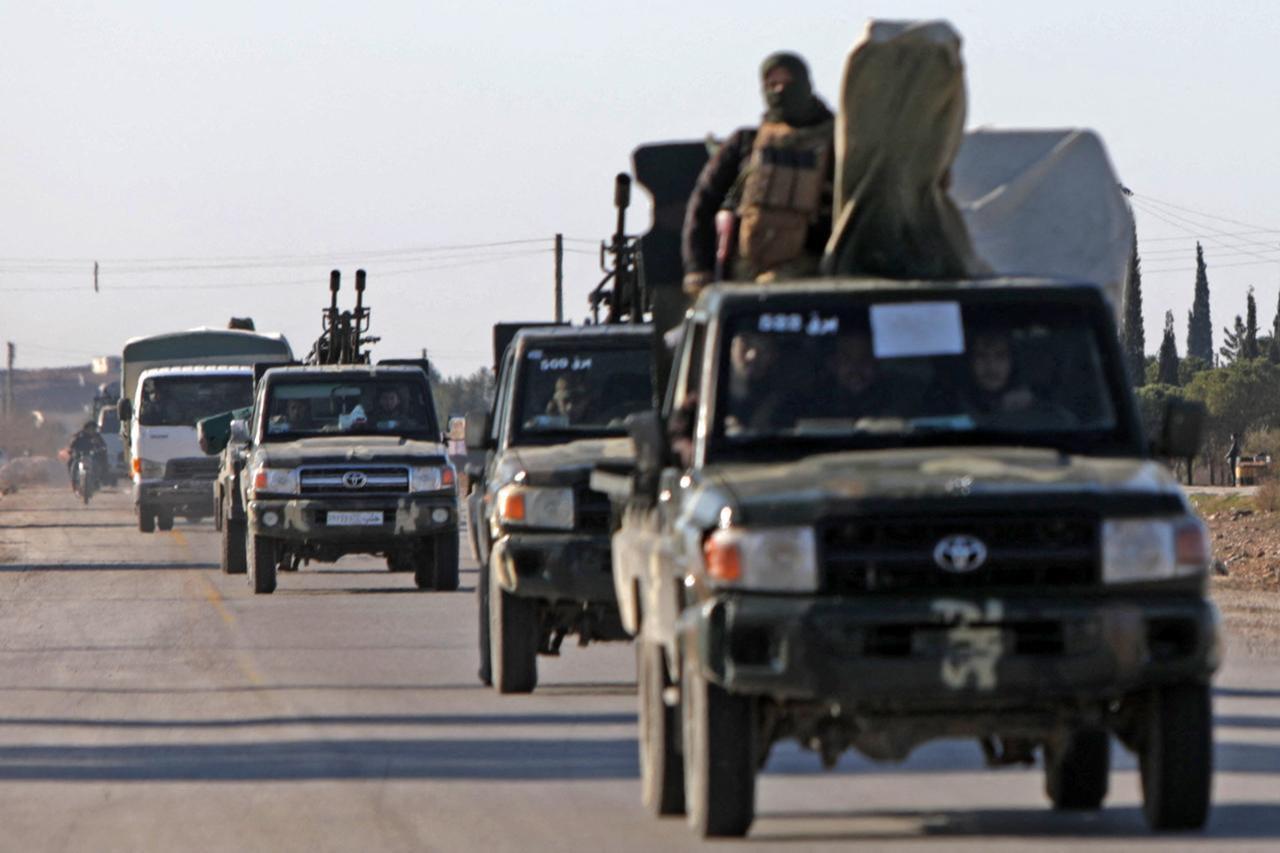
The broader message of the new approach is that security is a prerequisite for reconstruction. Syrian officials argue that development cannot proceed amid fragmented authority and recurring threats.
This position marks a departure from earlier reliance on localized, negotiated arrangements. The state has indicated it will no longer relinquish control over neighborhoods or infrastructure through open-ended dialogue if military action proves more effective.
For Damascus, the dual-track strategy is intended to reset expectations. Dialogue remains possible, but only alongside clear enforcement of sovereignty.
As operations continue, the approach signals a narrower margin for compromise. The emphasis has shifted from managing disputes to decisively reasserting state control over territory and security.


 Set as preferred source
 Set as preferred source


 2 min read