

 Newsletters




When the signatories of the Mecca Joint Defense Agreement envisioned a new collective security architecture, they likely did not expect to debate its activation so soon amid such grave security threats.
On Oct. 7, reports emerged that Türkiye had begun providing Saudi Arabia with technical and defensive military support amid the renewed escalation of the conflict in Yemen. According to Reuters, this assistance includes military equipment, intelligence, air-defense capabilities, drone operators and logistical support. The Turkish ruling party announced that the Mecca alliance will soon head to the Turkish parliament for discussions. For the time being, Turkish assistance is being coordinated bilaterally, while the broader institutional mechanisms of the Mecca pact are still taking shape.
The development is significant because it provides an early glimpse into what the Mecca pact might actually mean in practice.
Signed by Türkiye, Saudi Arabia and Pakistan on Aug. 7, the agreement contains a collective defense provision under which an armed attack against one of the three countries is considered an attack against all. Yet, as argued in this very column shortly after its signing, describing the Mecca pact simply as a “Muslim NATO” misses the more interesting point. The agreement is better understood as an attempt to construct a regional security architecture combining political coordination, military cooperation and defense-industrial integration.
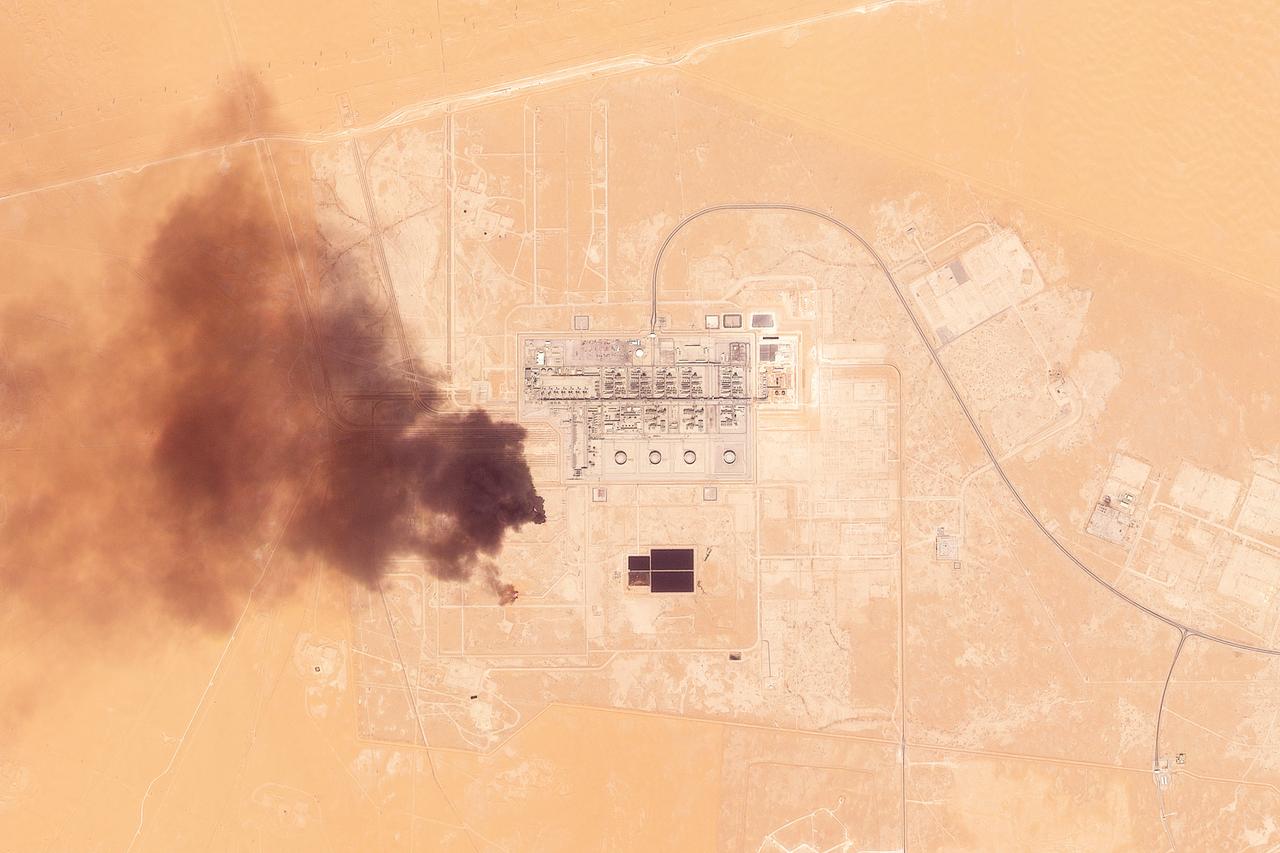
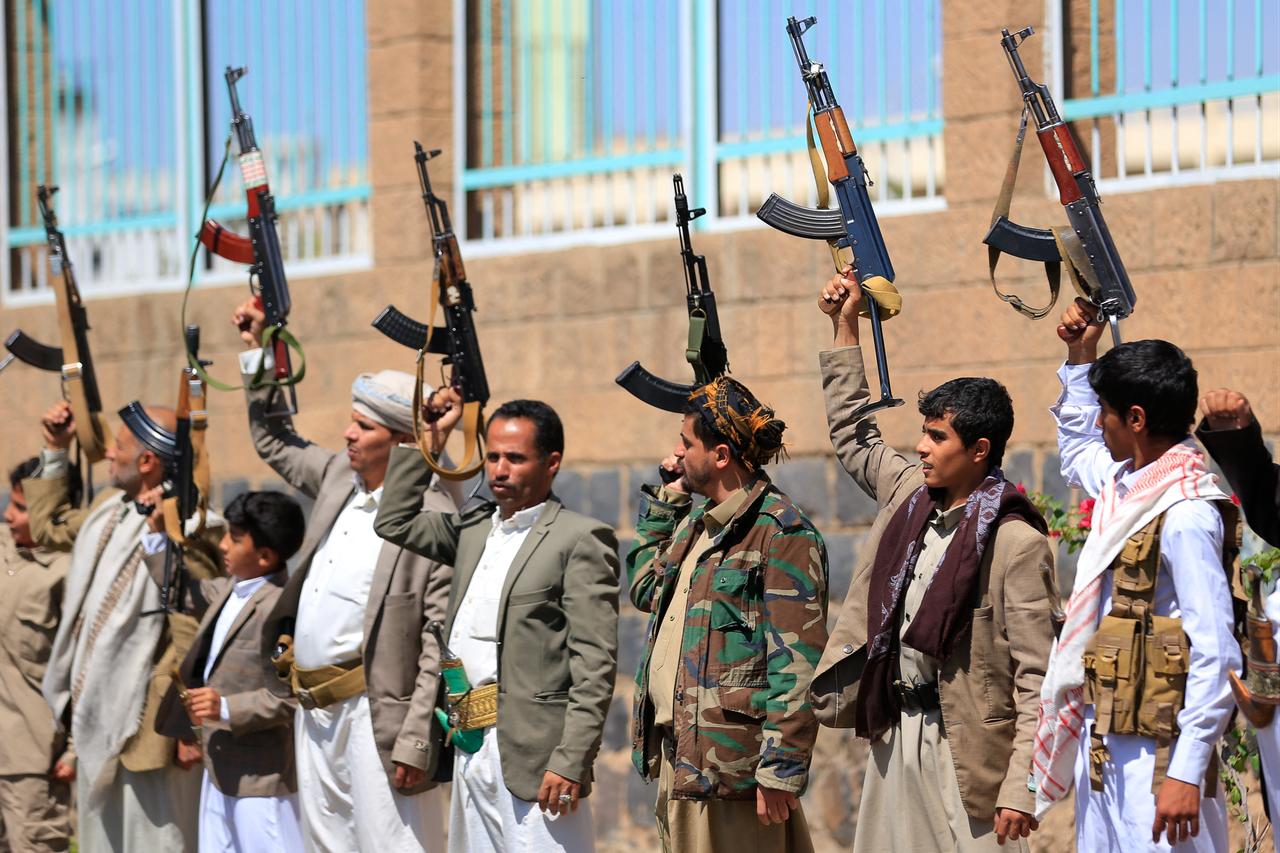
The renewed war in Yemen may now become its first serious stress test. The immediate challenge is Houthis’ increased missile and drone attacks. These have again placed Saudi territory, infrastructure and maritime routes under pressure, while Saudi-backed Yemeni forces have launched operations around the strategically critical Bab el-Mandeb area. Türkiye and Pakistan appear, at least so far, to be supporting Saudi Arabia without becoming direct combatants themselves.
The latest arrangement points toward a broader cooperation model that could be described as Defense-as-a-Service.
The term already has a narrower meaning in defense procurement. Instead of purchasing and permanently owning a system, an armed force can purchase a capability as a service. A private company may provide surveillance, training, communications, drone defense or another function together with the equipment, operators, maintenance, and upgrades required to sustain that capability. But the concept can be extended further. At the interstate level, Defense-as-a-Service could describe a model in which governments, armed forces and defense companies operate together under a political and security umbrella to provide another state not merely with weapons, but with an integrated military capability.
Traditional arms exports essentially transfer equipment through commercial contracts or government-to-government agreements. A country buys an aircraft, missile, radar, or unmanned aerial vehicle (UAV) and subsequently builds the organization necessary to operate and sustain it.
Defense-as-a-Service reverses part of this logic. The provider can supply the equipment together with intelligence, training, operators, maintenance, logistics, software, command-and-control support and operational know-how. The product is no longer a platform. The product is the effect or the outcome.
Türkiye is unusually well positioned for such a proposition. Over the past two decades, the Turkish defense industry has expanded from producing relatively basic systems into a broad ecosystem encompassing UAVs, precision-guided weapons, electronic warfare, radars, air defense, naval platforms, communications, aerospace systems and increasingly complex missiles. At the same time, the Turkish Armed Forces have accumulated extensive operational experience across Syria, Iraq, Libya and other theaters. These two components are mutually reinforcing. The defense industry provides the hardware while military experience provides the doctrine, tactics and operational knowledge required to employ it.
Absolute autarky or total self-sufficiency is neither realistic nor necessary. Even the largest defense-industrial powers depend on international supply chains. What matters is reaching a sufficiently high level of sovereign capability in critical areas so that a country can assemble, sustain and adapt a meaningful military capability without requiring permission from an external patron at every stage.
A country dependent almost entirely on imported weapons can export products only to a limited extent, and it certainly has difficulty becoming somebody else's security provider. A country possessing sovereign sensors, communications, weapons, UAVs, electronic-warfare systems and command-and-control infrastructure has much more freedom. It can combine these capabilities according to the customer's threat environment and then support their employment. The defense industry thus ceases to be an economic sector. It becomes an instrument of foreign and security policy.
 2 min read
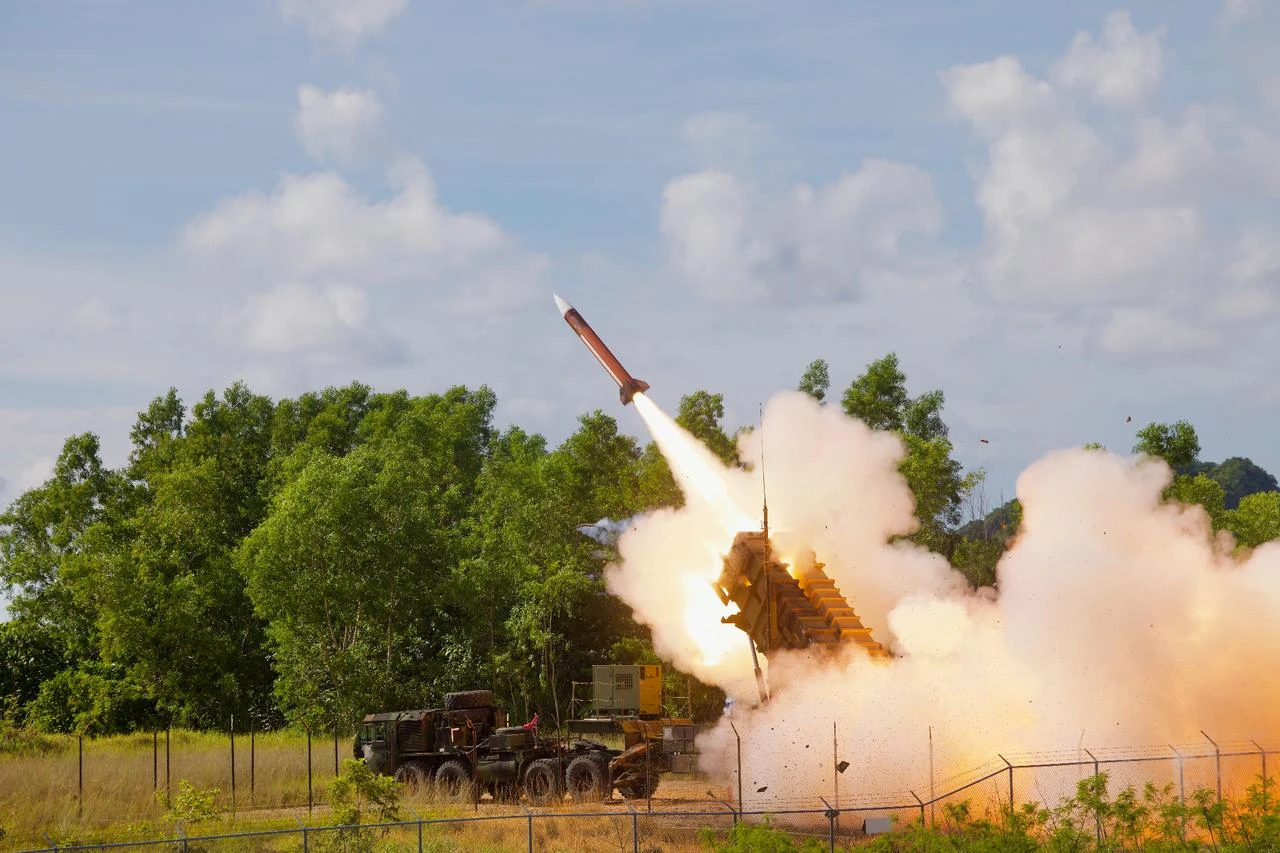

The Mecca framework makes this particularly interesting because the three members possess complementary strengths. Türkiye brings a diversified defense industry and a large, operationally experienced military. Pakistan brings substantial military manpower, longstanding experience in Saudi defense and its own growing industrial base. Saudi Arabia contributes financial resources, strategic geography, and increasingly ambitious plans for defense-industrial localization.
Combined correctly, these assets can produce something considerably more sophisticated than arms trade. Saudi Arabia does not necessarily need Türkiye simply to sell it another drone or air-defense system. What Ankara can increasingly offer is a “total package,” consisting of sensors connected to command networks, weapons integrated with them, intelligence supporting their use, personnel training Saudi counterparts, industry sustaining the systems, and governments providing the political framework allowing all these elements to function together. This model can be described as Defense-as-a-Service at the strategic level.
Yet Yemen also demonstrates the risks. Providing equipment is relatively straightforward. Providing an operational capability inevitably moves the supplier closer to the conflict. The boundary between technical support, intelligence assistance, defensive operations and participation in combat can become remarkably thin. This is why Yemen may prove to be an important test not only for the Mecca agreement but also for the Defense-as-a-Service model itself.
If Türkiye and Pakistan can materially strengthen Saudi deterrence and defensive capability while avoiding uncontrolled escalation and direct entanglement in Yemen, Mecca will have demonstrated that it is more than a diplomatic declaration. It will also indicate that Türkiye's emergence as a defense power has entered another stage.
For years, Turkish defense-industrial success was measured by increases in revenues and how many platforms the country could manufacture and export. The next stage may be measured differently: By whether Türkiye can assemble those technologies, its military expertise, and its political relationships into complete security solutions.
And eventually, perhaps, from being an arms exporter to becoming a security provider.


 Set as preferred source
 Set as preferred source


 1 min read


