Newsletters


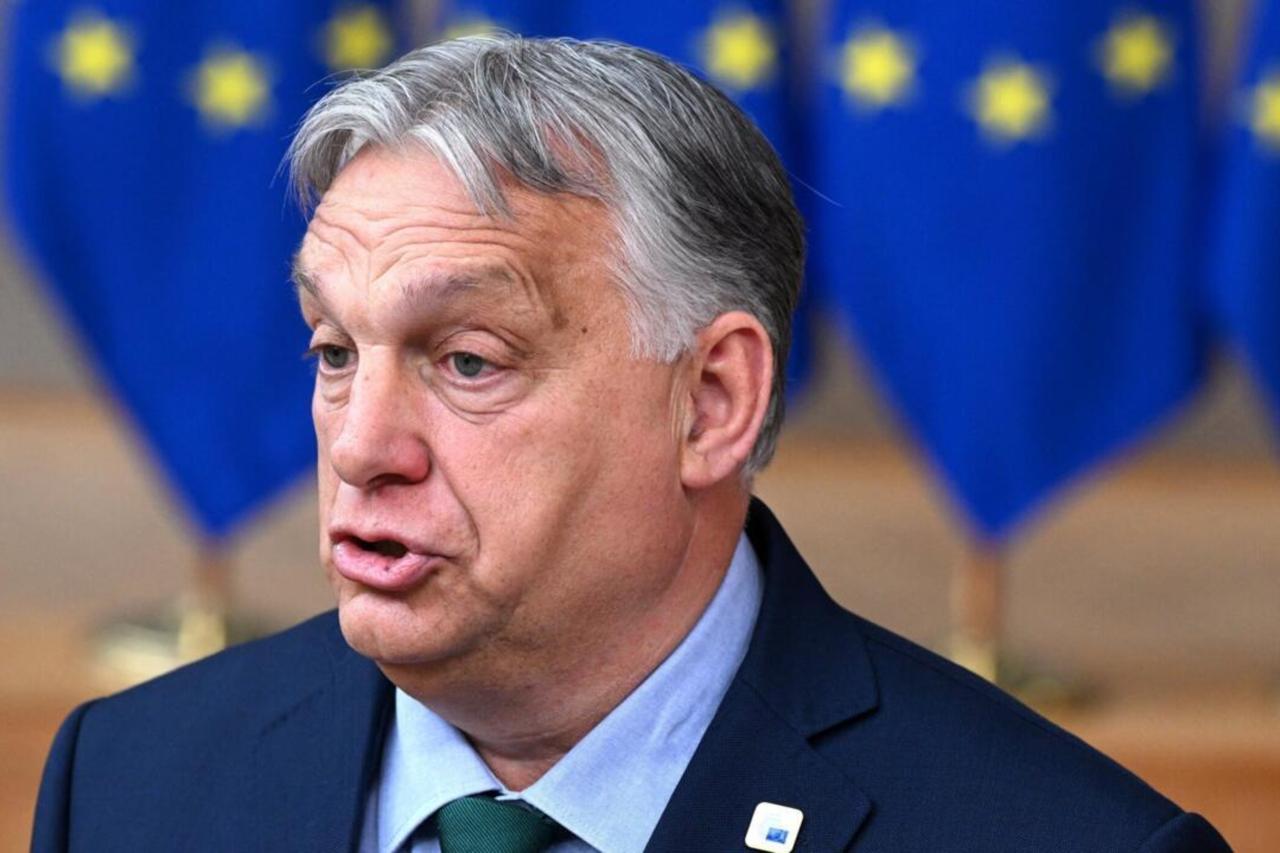
Hungarians voted Sunday in closely watched parliamentary elections that could end Prime Minister Viktor Orban’s 16-year rule and reshape the political direction of one of the European Union’s most contentious member states.
Polling stations opened at 6:00 a.m. local time (0400 GMT) and will close at 7:00 p.m.
Opinion polls suggest the opposition Tisza party, led by pro-European conservative Peter Magyar, is running ahead of Orban’s ruling Fidesz party.
The vote is being closely watched across Europe and beyond, with U.S. President Donald Trump backing Orban, the EU’s longest-serving current leader and a politician often described as a “thorn” in Brussels’s side.


Orban, 62, is seeking a fifth consecutive term after transforming Hungary into what he has called an “illiberal democracy,” frequently clashing with Brussels over rule-of-law concerns and support for Ukraine.
Magyar, 45, a former government insider who emerged as Orban’s main challenger just two years ago, has promised “system change” and campaigned on restoring democratic norms, fighting corruption, and reviving Hungary’s economy.
Both camps have alleged foreign interference during the campaign in the country of 9.5 million people.
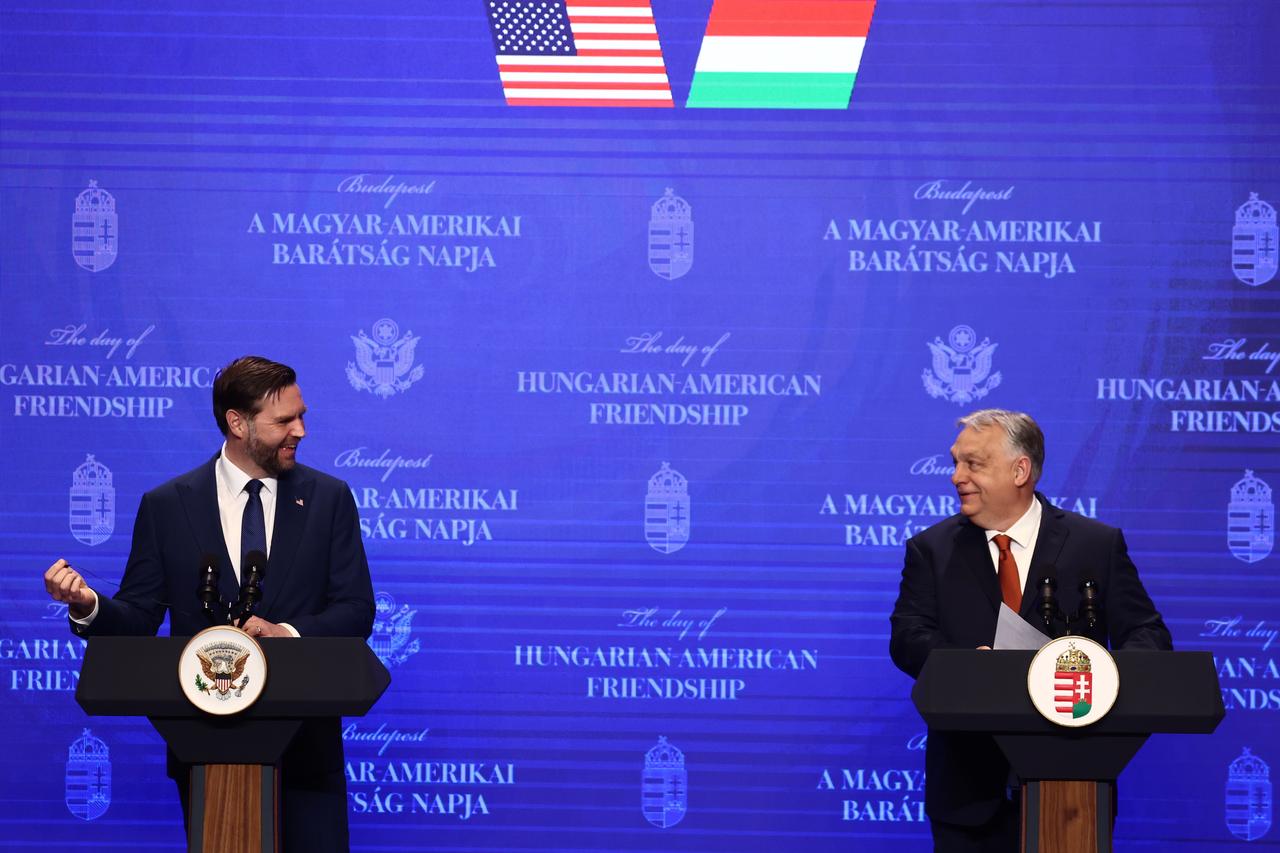
U.S. Vice President JD Vance visited Budapest earlier this week in a show of support for Orban.
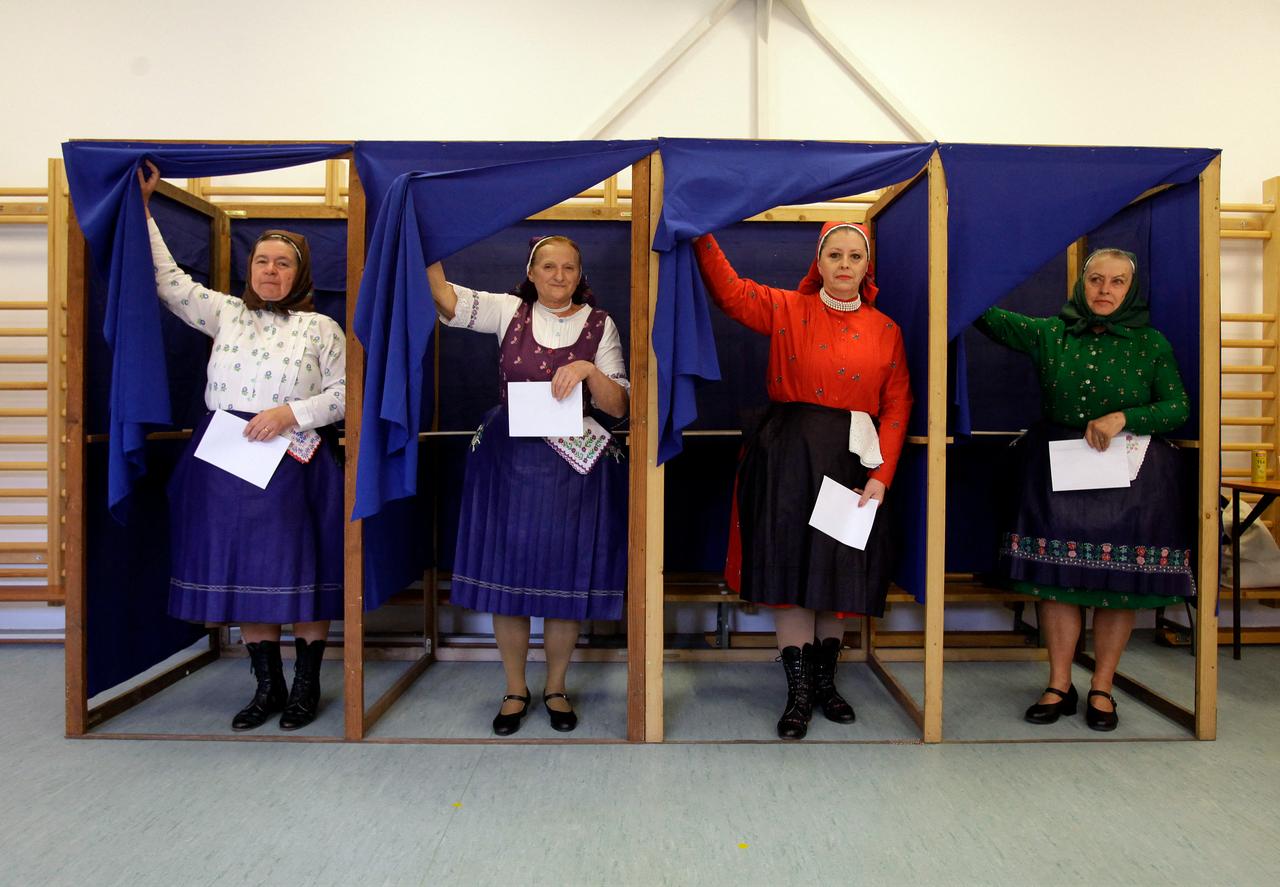
“Now is our last chance to choose finally east or west. Do we want to be a normal democracy or turn back east with no point of return?” first-time voter David Banhegyi, 18, told Agence France-Presse (AFP) after casting his ballot in Budapest.
After voting in the capital, Magyar described the election as decisive.
“We are choosing between East and West, propaganda or honest public discourse, corruption or clean public life, further decline and the complete collapse of public services, or bringing EU funds home and reviving the Hungarian economy,” he told reporters.
Orban, after casting his own ballot, repeated warnings of a looming “major crisis” in Europe.
“Fortunately, we have a lot of friends in the world. From America to China to Russia and the Turkish world,” he said, adding he would not allow Hungary “to be deprived” of its “future and sovereignty” by Brussels.
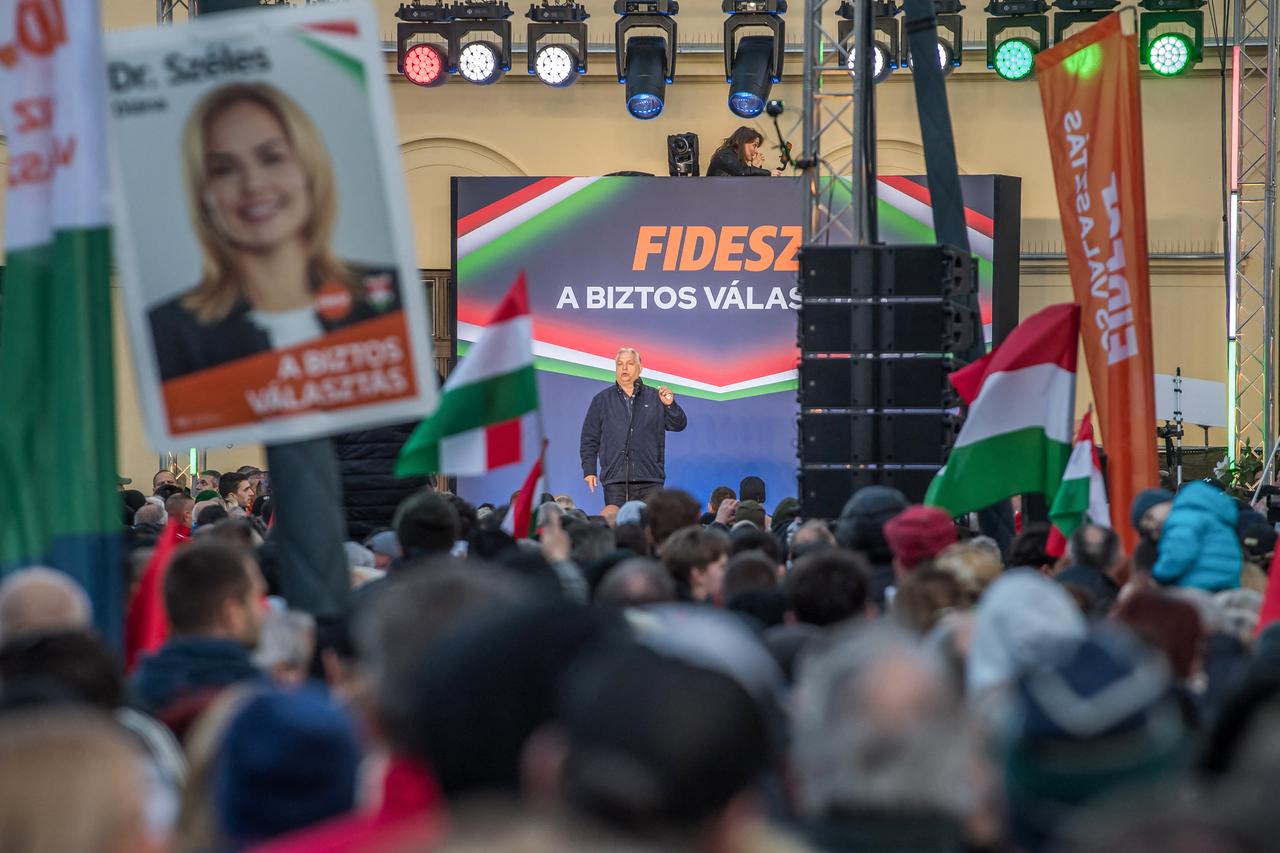
Orban has made Ukraine a central focus of his campaign, portraying the neighboring country as hostile to Hungarian interests and warning that the opposition would align Hungary with Brussels and Kyiv.
He also pledged to continue his crackdown on what he called “fake civil society organizations, bought journalists, judges and politicians.”
“If Fidesz wins now, that will clearly mean ... a shift towards authoritarianism,” Andrea Szabo of ELTE University’s Centre for Social Sciences told Agence France-Presse (AFP).
Maria Toth, a 31-year-old mother of two, said Orban’s continued leadership was vital.
“I feel Hungary is under siege from so many directions and big powers like Brussels are trying to dictate how we live. If he loses, I worry for my children’s future,” she told AFP.
Analysts expect a record turnout of around 75%, above the previous high of just over 70%.
Initial results are expected shortly after polls close, though if the race is close, the final winner may not be declared until ballot counting is completed next Saturday, according to Hungary’s National Election Office.
While opposition supporters fear Orban may challenge the legitimacy of an unfavorable result, Orban has accused the opposition of seeking chaos and colluding with foreign intelligence.
“The will of the people must always be recognized,” he said after voting.
Magyar urged voters to report suspected vote-buying, intimidation, or other irregularities while calling for calm.
The campaign’s final days were marked by a series of accusations, leaks and counterclaims, including recorded phone conversations that sparked concern across the EU over Orban’s and his foreign minister’s alleged closeness to Moscow.


 Set as preferred source
 Set as preferred source


 2 min read
 1 min read