Newsletters




This article was originally written for Türkiye Today’s bi-weekly Balkans newsletter, BalkanLine, in its April 10, 2026 issue. Please make sure you are subscribed to the newsletter by clicking here.
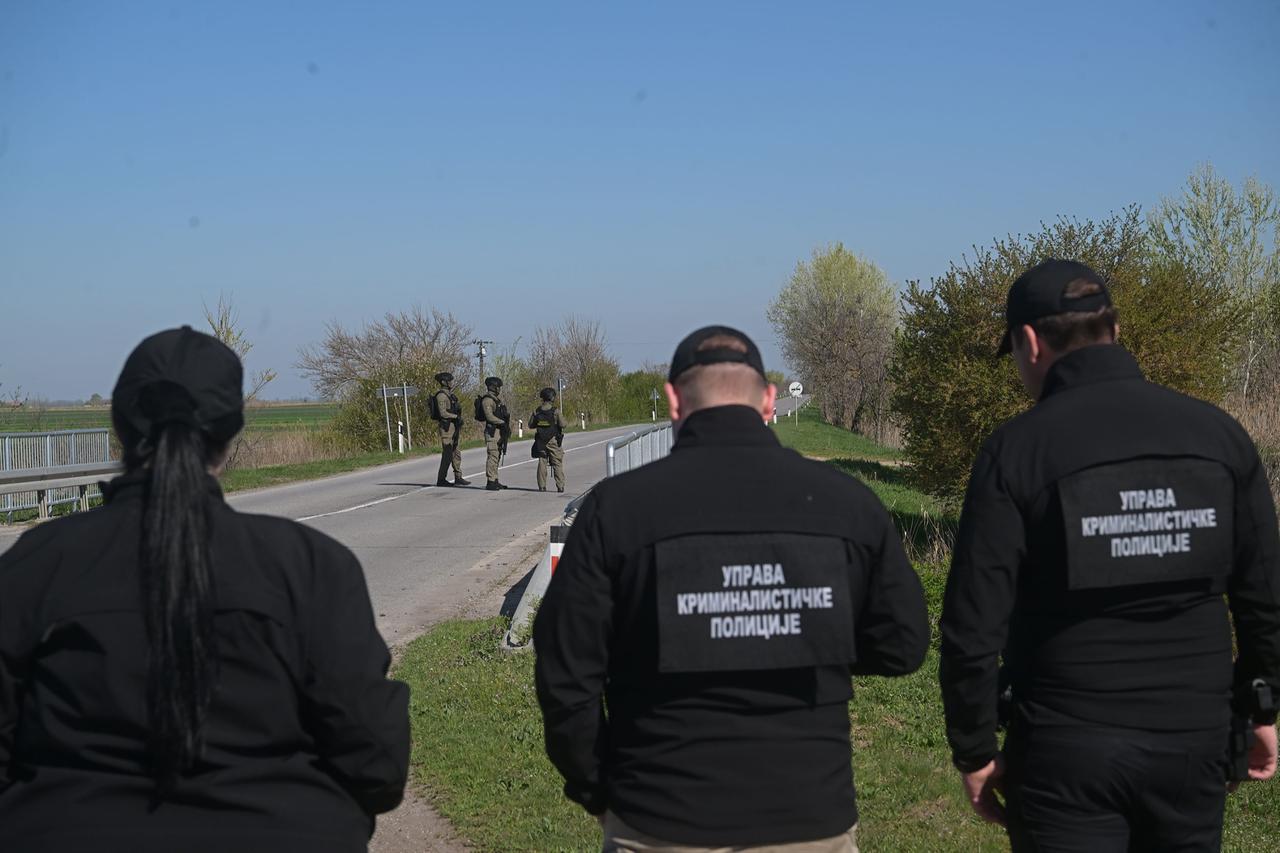
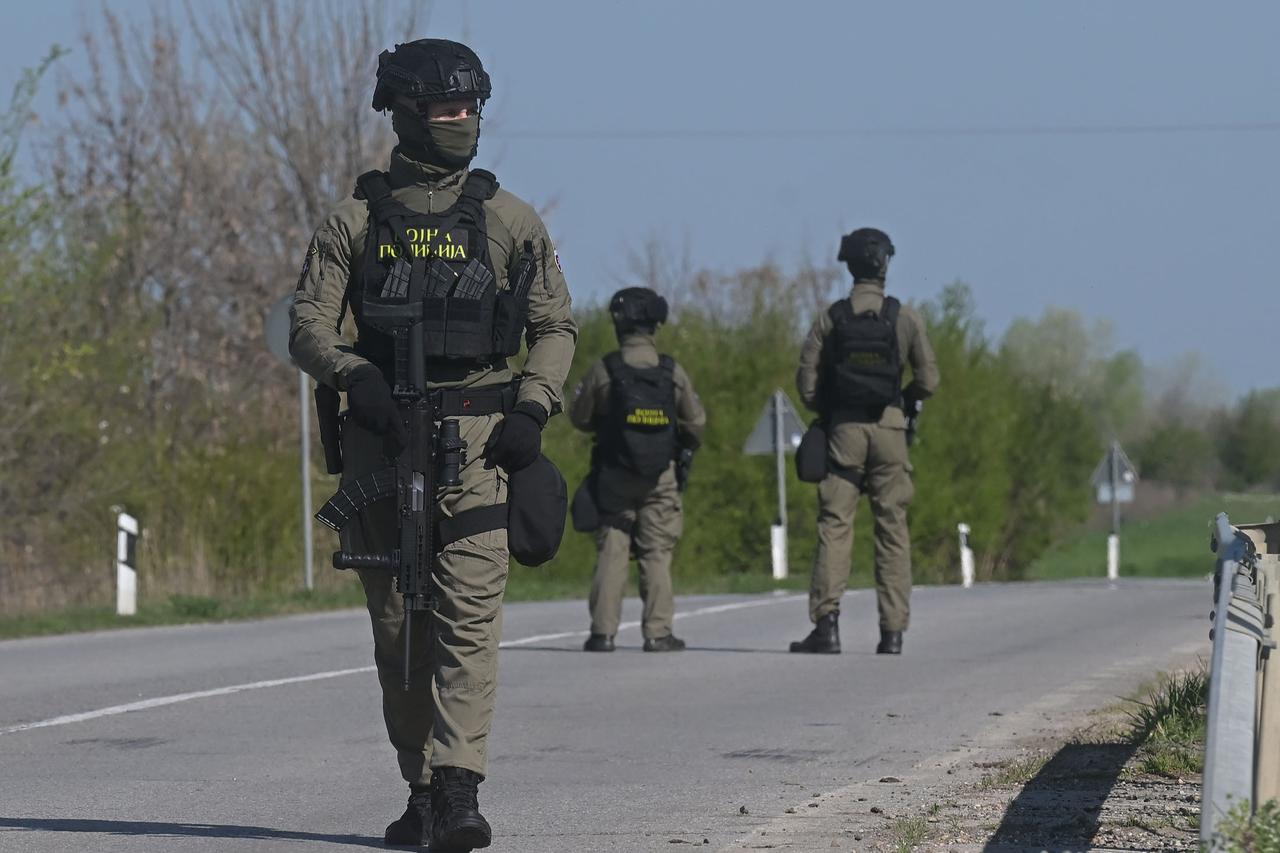
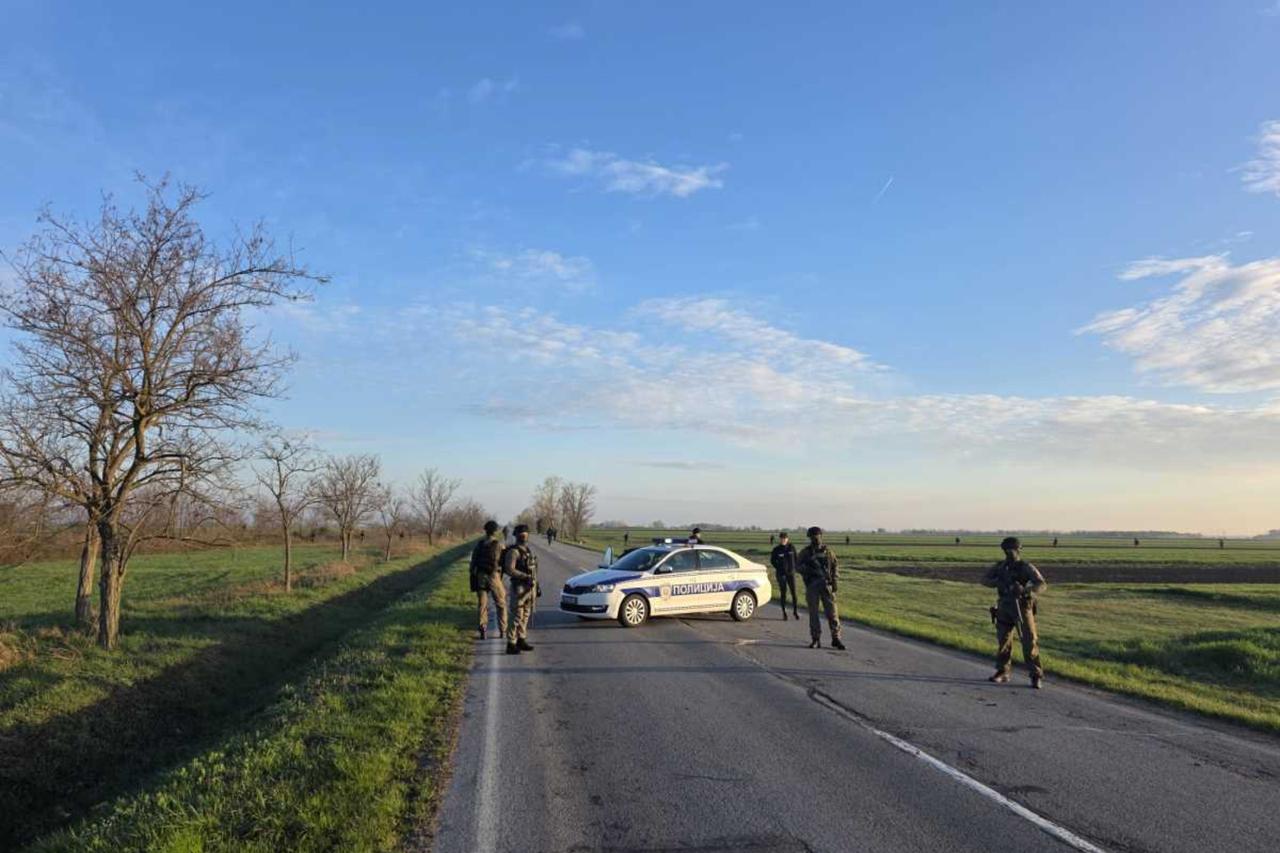
Energy infrastructure in the Balkans is rarely just about gas; it is often the currency of political survival. Over the weekend, Serbian President Aleksandar Vucic announced that high-power explosives were found near the TurkStream extension in the Kanjiza municipality, close to the Hungarian border.
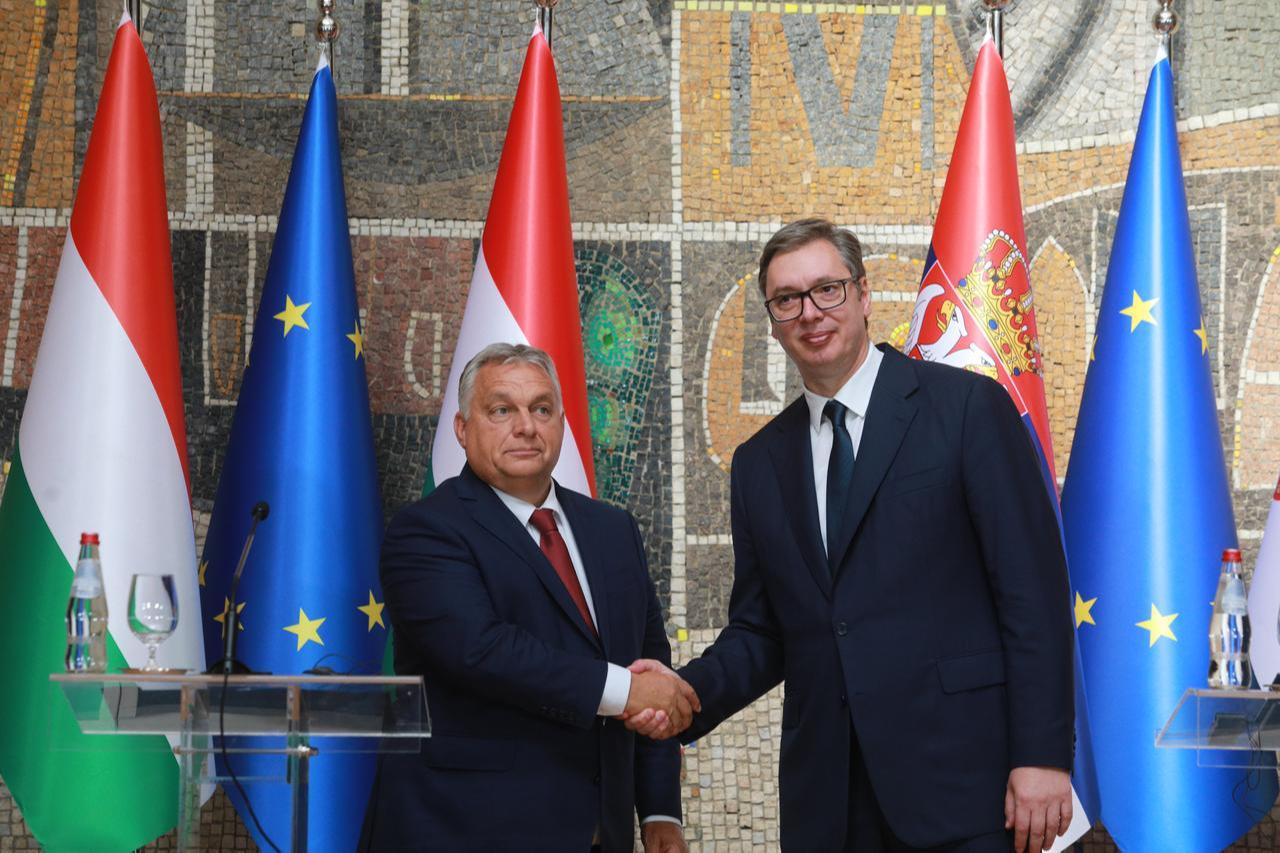
While the security implications of the incident itself are significant, the timing is striking. With Hungarian Prime Minister Viktor Orban facing a critical election on April 12 that could extend his 16-year rule, this discovery provides him with precisely the kind of geopolitical crisis his campaign thrives on. Orban has long relied on portraying a region under constant threat, keeping energy security at the center of public debate and projecting that his brand of strongman stability is necessary to “keep gas flowing.”
While Belgrade plays the indispensable security partner on the border, it is actively suppressing the view at home. On Thursday, U.N. human rights chief Volker Turk issued a stark warning regarding Serbia. He expressed deep concern over severe curbs on the media and recent local elections that were marred by systematic violence and intimidation.
It is a classic diversion tactic. Vucic is far more comfortable managing a highly publicized, external "terror threat" than answering to allegations of the rapid deterioration of democratic norms and press freedom within his own borders.

Moving to Pristina, the political landscape is defined not by external leverage, but by severe internal constitutional gridlock. On Saturday, Kosovo President Vjosa Osmani officially concluded her five-year term, handing over her duties to Assembly Speaker Albulena Haxhiu. While Haxhiu can legally occupy the office for up to six months, the clock is ticking loudly. The Constitutional Court has given lawmakers until April 28 to elect a new president, an act requiring a steep two-thirds majority in the 120-seat Assembly.
This is a high-stakes standoff. The mandate is now clear: either Parliament breaks the deadlock by the end of the month, or Kosovo is forced into its third parliamentary election in just over a year.
 2 min read
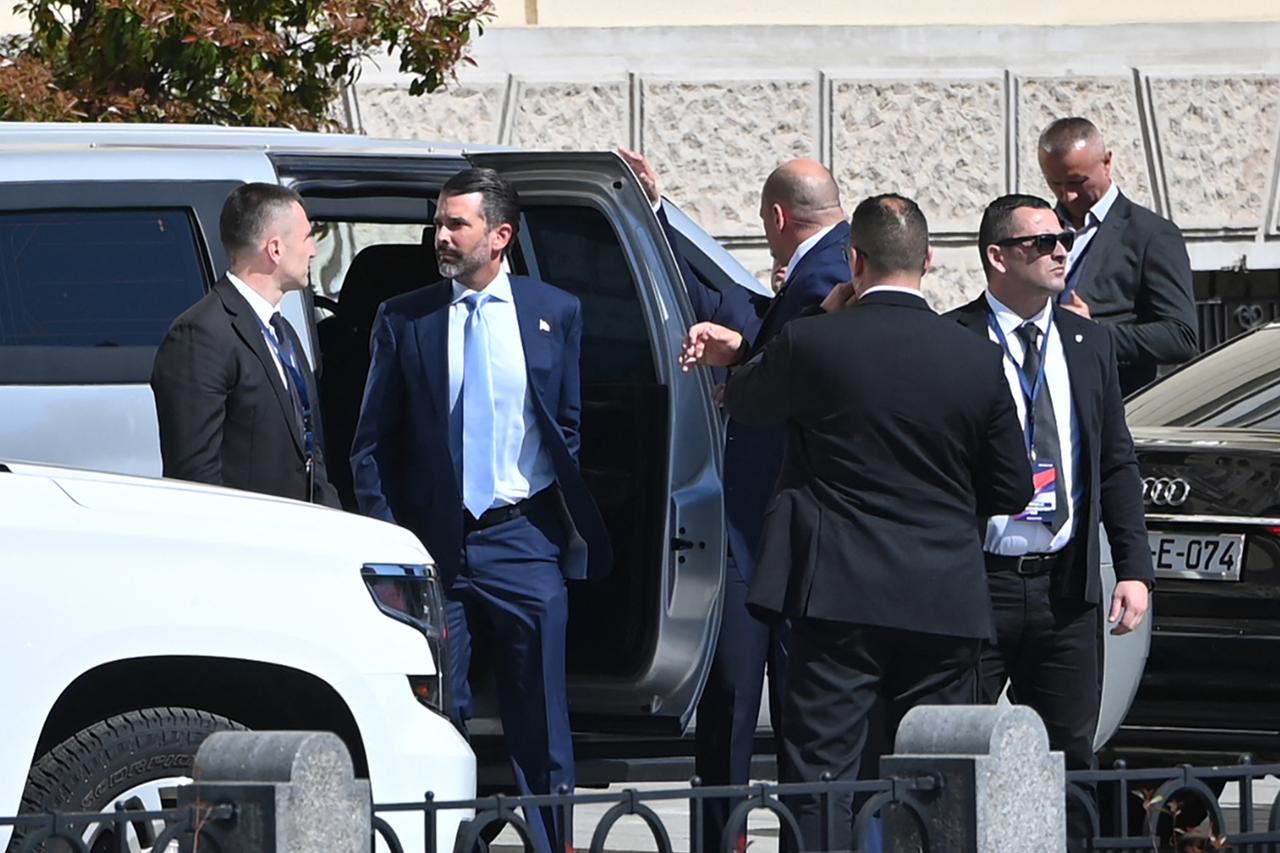
Speaking of institutional bypasses, the clearest display of transactional diplomacy this week took place in Bosnia and Herzegovina. Donald Trump Jr. arrived under heavy security for a business panel hosted at the personal invitation of Igor Dodik, son of Republika Srpska’s ousted former secessionist leader, Milorad Dodik, who continues to act as the entity’s de facto leader.
The location is the message here. Donald Trump Jr.'s decision to visit Banja Luka instead of the capital, Sarajevo, sends a deliberate signal: the Trump orbit has cultivated its own distinct partners in the Balkans and expects the region to accept this new reality.


 Set as preferred source
 Set as preferred source


 1 min read